How To Protect New Car Paint From Scratches: Easy Tips
Use paint protection film, ceramic coating, regular gentle washing, and smart parking habits.
I’ve spent years working with car owners, detailers, and shops to preserve that showroom finish. This guide on How to protect new car paint from scratches lays out proven steps, real-world tips, and clear trade-offs so you can keep your new car looking new. You’ll get easy daily habits, professional options, and honest advice from hands-on experience to help you make the best choice for your budget and lifestyle.
Why new paint is vulnerable
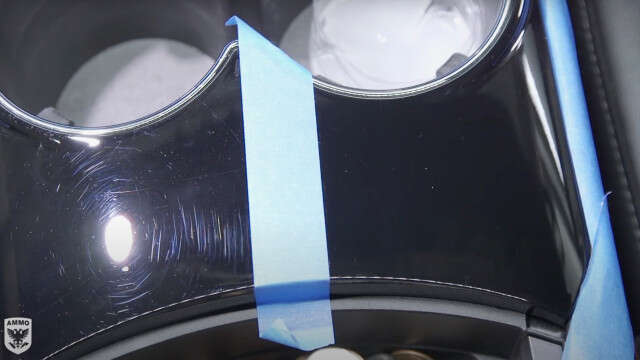
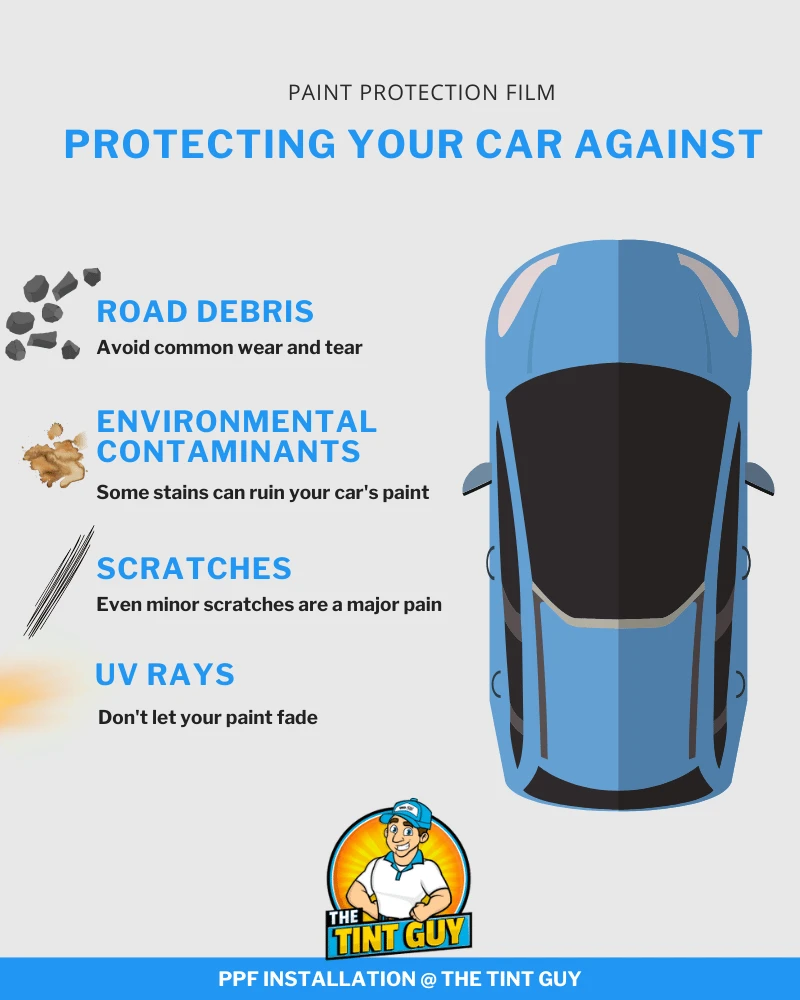
New car paint looks flawless, but it’s still fragile. Fresh finishes have a clear coat that hides tiny imperfections but can be thin. Everyday contact — keys, bushes, dust, and automatic car washes — can leave fine lines and marring. Understanding these risks helps when you decide how to protect new car paint from scratches.
New paint is easiest to protect early. Once scratches set into the clear coat or base layer, repair costs rise quickly. Protecting the paint now reduces long-term maintenance and preserves resale value.
Immediate steps after buying a new car
Start protection the moment you drive off the lot. Quick, correct actions reduce the chance of early damage.
- Inspect the paint on pickup. Note any chips or blemishes for dealer correction.
- Ask the dealer about factory-applied protection steps. Get any written work orders.
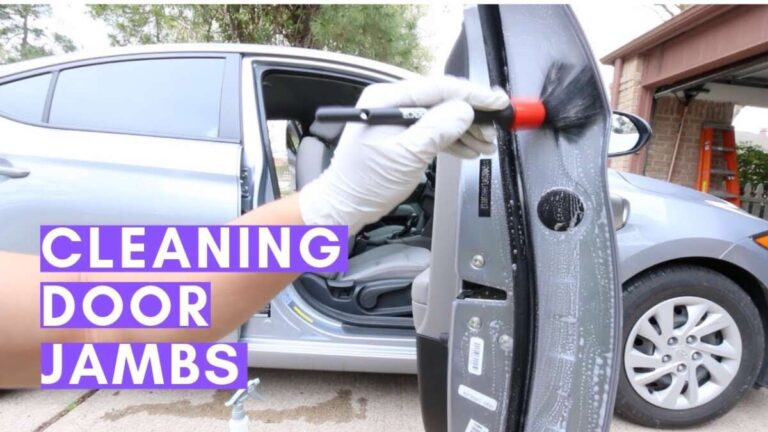
- Avoid automatic brush car washes for the first few months. Brushes can cause swirl marks.
- Apply a temporary protective layer like a quick detail spray before parking in high-risk areas.
These actions are simple and cost little, yet they make a big difference in how to protect new car paint from scratches.
Long-term protection options and how they work
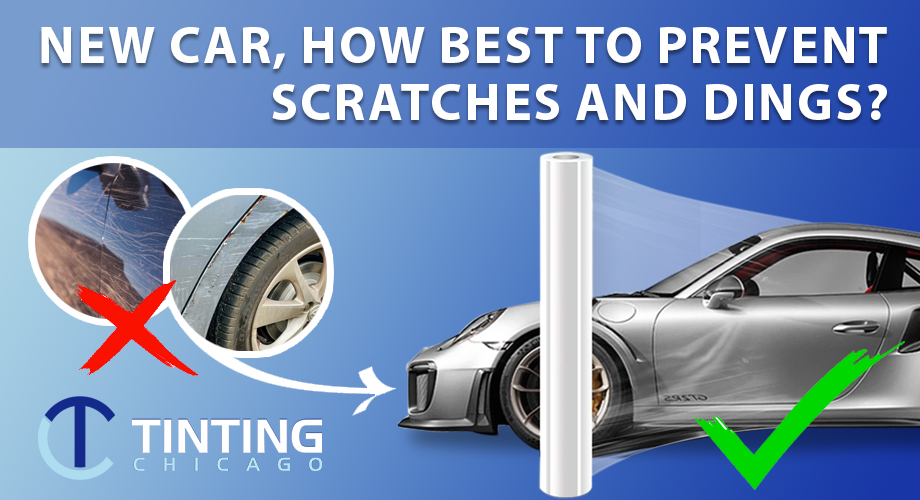
There are three main professional options. Each has benefits, costs, and limits.
-
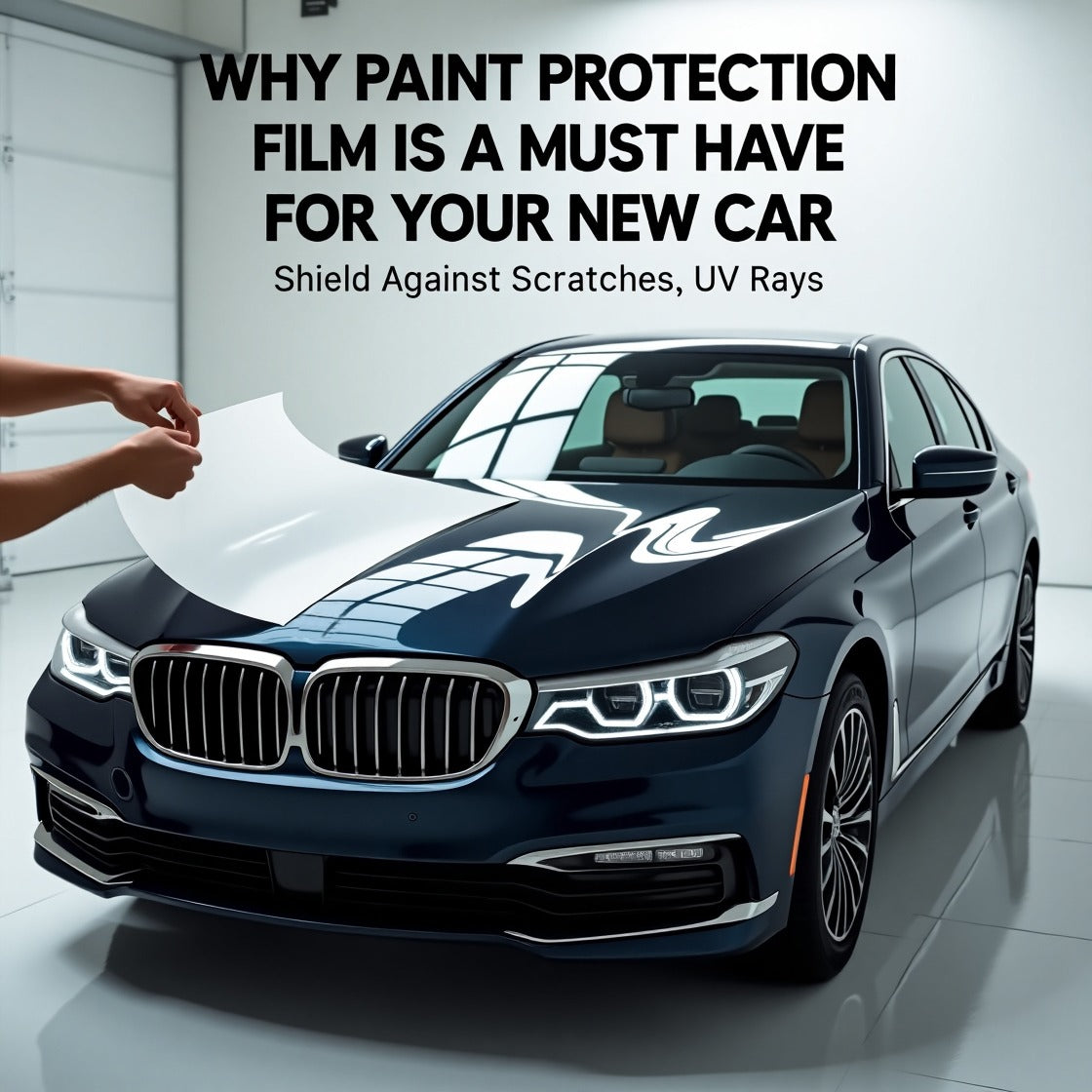
Paint protection film (PPF)
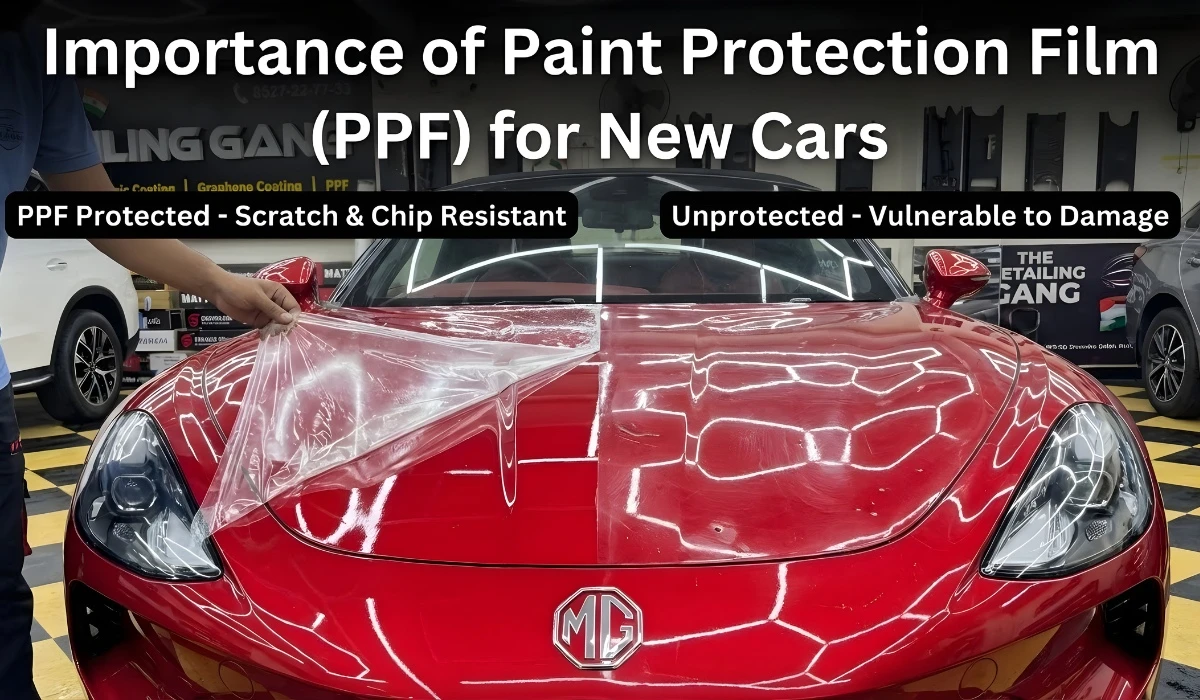
- What it is: A clear, flexible urethane film applied to high-impact zones.
- Benefits: Excellent chip and scratch resistance. Self-healing top coats reduce light marks.
- Limits: Higher cost, may yellow over many years if low-quality film is used.
- Best for: Front bumper, hood, fenders, mirrors, door edges.
-
Ceramic coating
- What it is: A liquid polymer that chemically bonds to the clear coat.
- Benefits: Hydrophobic surface, easier washing, improved gloss, moderate scratch resistance.
- Limits: Does not prevent deep scratches; needs proper prep and possibly reapplication.
- Best for: Full body protection for gloss and chemicals resistance.
-
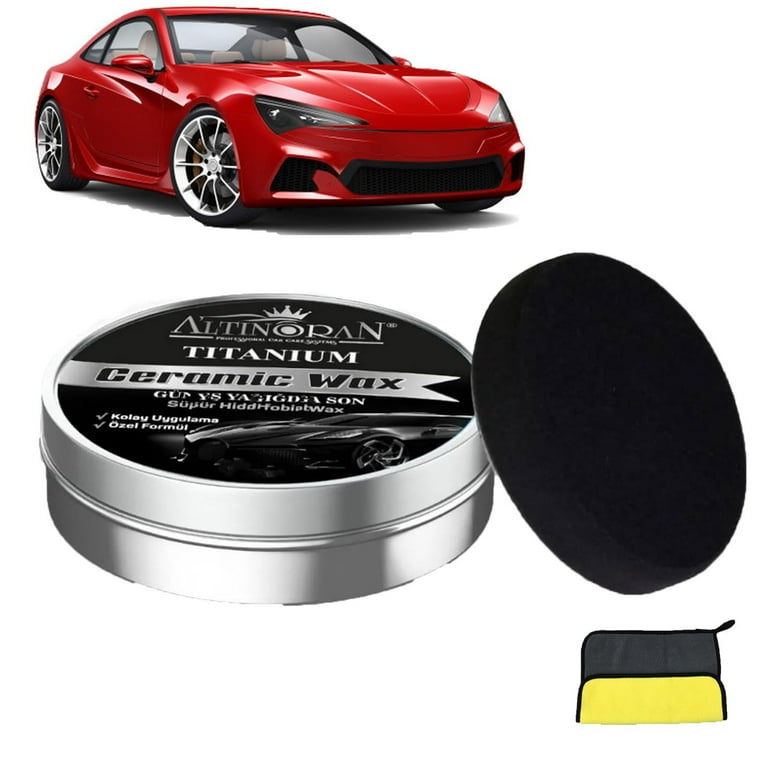
Paint sealant and wax
- What it is: Synthetic sealants and natural wax made to add a sacrificial layer.
- Benefits: Inexpensive, easy DIY, improves shine and water beading.
- Limits: Shorter lifespan and lower scratch protection compared with PPF and ceramic.
- Best for: Budget-conscious owners who perform regular maintenance.
Choosing how to protect new car paint from scratches depends on where you drive, your budget, and how you use the car.
Best maintenance routine to prevent scratches
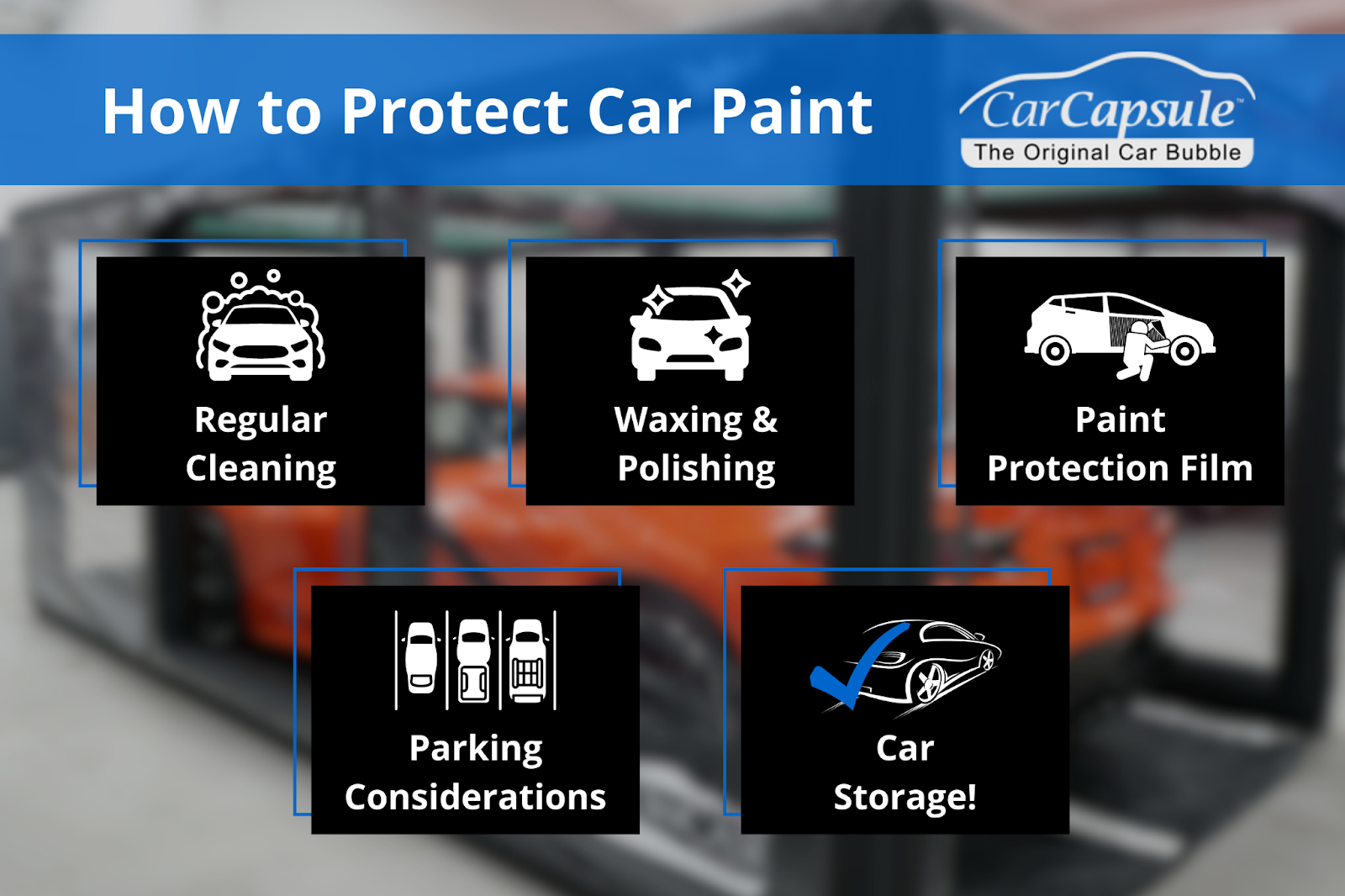
A solid maintenance routine prevents most surface damage. Keep it simple and consistent.
-
Wash safely
- Use the two-bucket method: one bucket for soapy water and one for rinse water.
- Always use soft microfiber wash mitts and drying towels.
- Use a grit guard in each bucket to trap dirt.
-
Drying and drying tools
- Pat dry with a plush microfiber towel or use a car dryer to avoid dragging grit across paint.
- Never air-dry in dusty areas.
-
Quick touches
- Use a spray detailer between washes to remove light dust.
- Remove bird droppings, sap, and bugs quickly; they can etch paint.
-
Periodic protection
- Reapply wax every 2–3 months or ceramic maintenance sprays as recommended.
- Inspect high-contact zones monthly.
Following these steps reduces the chance you’ll need paint correction later and teaches you practical ways to protect new car paint from scratches.

Common mistakes and how to avoid them
Owners often increase their risk without realizing it. Avoid these errors.
-
Using household towels or sponges
- These trap grit and cause micro-scratches. Use dedicated car microfiber.
-
Skipping prep before professional coatings
- Coatings fail if paint isn’t properly decontaminated. Ask for paint correction first.
-
Relying on automatic brush car washes
- Brushes wear and trap grit. Use touchless or hand washing.
-
Ignoring small chips
- Small chips can rust and spread. Apply touch-up paint or PPF to the affected area.
These mistakes are common and avoidable. They underscore the smart steps to protect new car paint from scratches.

Cost, value, and return on investment
Knowing costs helps you decide what fits your goals.
-
Paint protection film
- Price: Moderate to high, depending on coverage and film quality.
- Value: High for highway drivers and owners keeping cars long-term.
-
Ceramic coating
- Price: Moderate; pro jobs cost more than DIY kits.
- Value: Good for people who want easier washing and long-lasting gloss.
-
Wax and sealants
- Price: Low.
- Value: Best short-term protection; good for budget owners.
Consider the vehicle’s intended use, climate, and resale plans. For many, a layer of PPF in impact zones plus full-car ceramic coating offers a balanced cost-to-benefit ratio and is a strong way to protect new car paint from scratches.
Personal experience and lessons learned
I’ve managed every step on dozens of cars. Early on, I trusted inexpensive films that discolored after two years. I learned to buy quality and insist on proper prep work. One client avoided a costly hood repaint after a rock strike because they had PPF on the hood. Another saved hours of weekly polishing by using a ceramic coating; washing became faster and safer.
My tips from the field
- Invest in quality materials and certified installers.
- Protect the highest-risk areas first.
- If you must choose one product, prioritize film for impact zones on high-mileage cars.
These lessons are practical and honest ways to protect new car paint from scratches without overspending.
Frequently Asked Questions of How to protect new car paint from scratches
How long does paint protection film last?
With quality film and proper care, PPF can last 5 to 10 years. Longevity depends on film grade, UV exposure, and maintenance.
Will ceramic coating stop scratches completely?
Ceramic coating reduces swirl marks and light abrasions but will not stop deep scratches from impacts. It is best used with safe washing habits.
Can I apply PPF or ceramic coating myself?
DIY kits exist, but professional installation yields cleaner edges and better longevity. Complex curves and large panels are hard to do well at home.
How often should I wash to protect the paint?
Wash your car every 1–2 weeks, or more often if you drive in dirty or salty conditions. Regular washing prevents grit buildup that causes scratches.
Is waxing enough for long-term protection?
Wax provides short-term protection and superior gloss but must be reapplied frequently. For long-term scratch resistance, combine wax with PPF or ceramic coating.
Conclusion
Protecting new car paint from scratches starts with smart, early choices and continues with simple, regular care. Use PPF for impact zones, consider ceramic coating for full-body gloss and easier washing, and always adopt safe wash routines. Small daily habits and the right professional products keep your car looking great and protect resale value. Start with one change today — schedule a quality inspection, switch to the two-bucket wash, or book a PPF consult — and keep your paint pristine. Leave a comment with your biggest paint-protection challenge or subscribe for step-by-step care guides.