

Use a soft brush, mild soap, and a trim-safe cleaner to lift wax without dulling or staining plastic.
Wax residue on black car trim is easy to remove when you use the right method. The key is to soften the dried product, loosen it gently, and wipe it away without forcing it into the pores of textured plastic. After years of seeing how different waxes react with exterior trim, I’ve found that patience and light pressure work far better than harsh chemicals or aggressive scrubbing.
This guide explains how to remove wax residue from car trim safely, including what to use, what to avoid, and how to restore trim that already looks gray or chalky. You’ll also learn how to prevent white wax marks during your next detailing job.
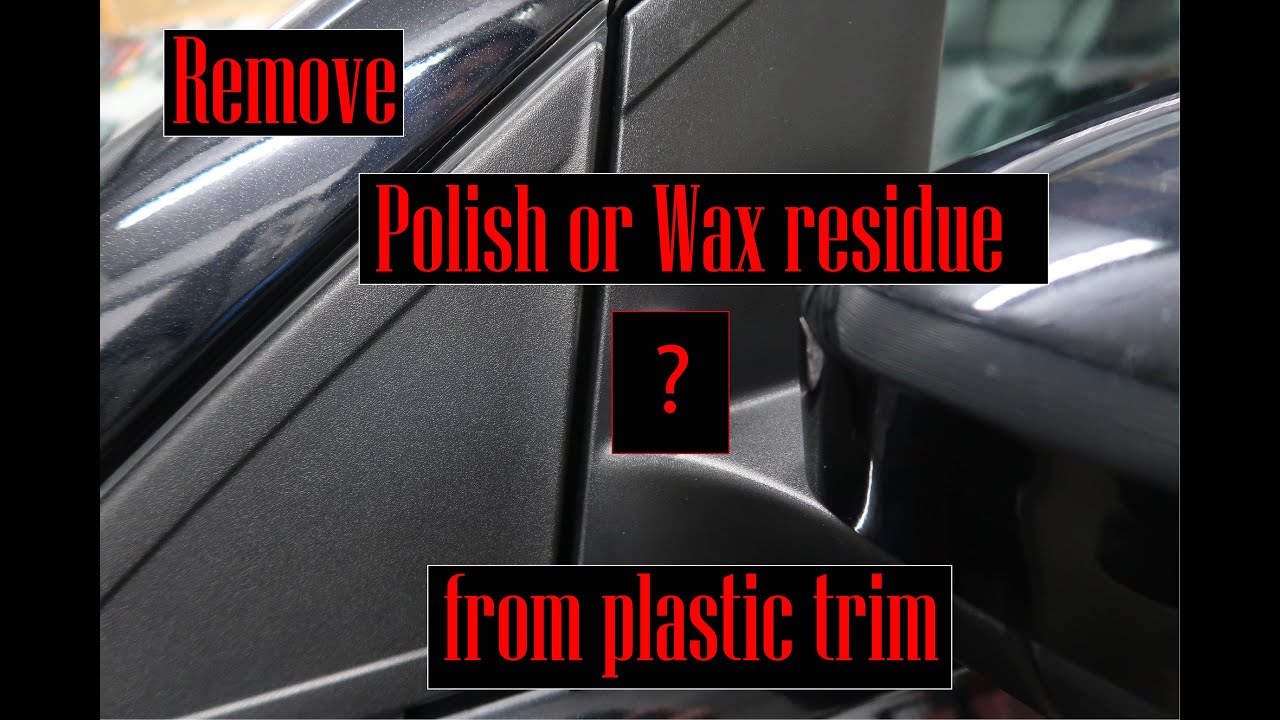
Why Wax Leaves White Marks on Car Trim
Most exterior car trim is made from textured plastic, rubber, or a plastic composite. These materials have tiny pores and raised patterns that can trap wax. When the liquid carrier dries, the leftover oils and wax solids create a pale white film.
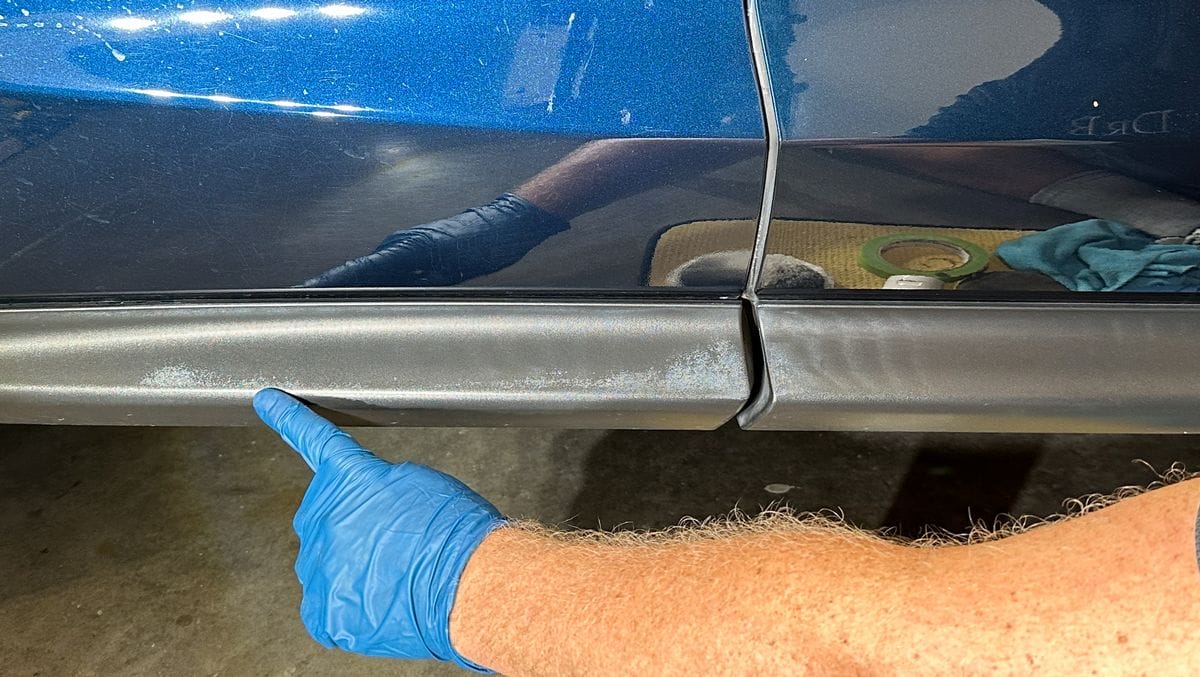
Dark trim shows this residue quickly. Black plastic can look gray, dusty, or spotted even when the rest of the vehicle is clean. The problem is often worse on older trim because sun exposure can open the surface texture and make it more porous.
Common causes include:
• Applying too much wax near trim
• Using a paste wax with heavy white fillers
• Buffing wax across plastic instead of stopping at the trim edge
• Letting wax dry in warm sunlight
• Using a machine polisher too close to unpainted plastic
• Failing to wipe narrow gaps and seams after waxing
Wax residue is usually a surface problem, not permanent damage. However, long-term sun exposure can make the marks harder to remove because heat may bake the wax into the trim’s texture.
What You Need Before You Start
Gather your supplies before cleaning. The best tools are simple and safe for most factory plastic trim.
• Two or three clean microfiber towels
• A soft detailing brush or old soft toothbrush
• Warm water
• Mild car wash soap
• A trim-safe all-purpose cleaner
• A small spray bottle
• Nitrile gloves
• A plastic trim dressing for the final step
Choose a cleaner labeled safe for exterior plastic, rubber, and vinyl. Read the label first. Some all-purpose cleaners are highly concentrated and can dry out rubber or leave a dull finish when used too strongly.
Avoid rough paper towels, kitchen scrub pads, steel wool, and stiff brushes. They can leave fine scratches in glossy plastic and flatten the texture of matte trim. You should also avoid gasoline, paint thinner, acetone, and strong solvents. These products may soften plastic, remove color, or create shiny patches.
Before treating the entire area, test the cleaner on a hidden spot. Wait a few minutes and check for color change, swelling, stickiness, or loss of texture.

How to Remove Wax Residue From Car Trim
The safest process has several small steps. Do not rush. A few extra minutes can prevent permanent marks.
1. Wash the trim first
Rinse the area with clean water. This removes loose dust and grit that could scratch the plastic during wiping.
Use warm water and a small amount of car wash soap. Wash the trim with a microfiber towel or soft brush, then rinse it well. Dry the surface with a clean towel.
Starting with a clean surface matters. Dirt mixed with wax can act like fine sandpaper.
2. Warm and soften the residue
If the wax is thick or dry, place a warm, damp microfiber towel over the trim for one to two minutes. The warmth helps soften the residue without exposing the plastic to harsh heat.
Do not use a heat gun or hold a hair dryer close to the trim. Excess heat can warp plastic, loosen adhesive, or make rubber seals sticky.
For fresh residue, this step may be all you need. Wipe in one direction with light pressure, then turn the towel to a clean side.
3. Apply a trim-safe cleaner
Spray the cleaner onto the microfiber towel rather than directly onto the vehicle. This gives you better control and helps keep cleaner away from glass, paint, and door seals.
Work on a small section at a time. Gently wipe the trim, then use a soft detailing brush to reach the grooves. Move the brush in short strokes instead of scrubbing back and forth with force.
This is the core method for how to remove wax residue from car trim. The cleaner loosens the wax, while the soft brush lifts it from the texture.
4. Work the grooves carefully
Textured trim needs special care. Press the towel into the surface with your fingertips, then follow with the soft brush.
If white marks remain, apply a little more cleaner and let it sit for about 30 seconds. Do not allow the product to dry. Wipe the area again with a damp towel.
For narrow grille openings or deep bumper texture, a cotton swab can help. Use one with a small amount of cleaner and change it often so you do not spread the wax back over the trim.
5. Rinse and dry the area
Once the residue is gone, wipe the trim with a clean, damp microfiber towel. This removes cleaner and loosened wax.
Dry the surface completely. Leftover moisture can hide residue and make you think the job is finished. Bright daylight or a work light can help you inspect the trim from different angles.
6. Apply a suitable trim protectant
After cleaning, use a water-based trim dressing if the surface looks dry. Apply a small amount to an applicator pad, not directly to the car.
Spread a thin, even layer. Then buff away excess product with a clean towel. Too much dressing can create a greasy finish and attract dust.
A protectant can improve the appearance of faded plastic, but it cannot repair deep oxidation or damage caused by heat and chemicals.

How to Remove Stubborn Wax From Textured Plastic
Some wax residue does not lift with soap and a towel. This is common with old paste wax, colored wax, and residue that has sat in the trim for weeks.
For stubborn marks, use a stronger but still trim-safe process:
Clean and dry the trim.
Apply a small amount of exterior plastic cleaner to a soft brush.
Let the cleaner dwell for 30 to 60 seconds.
Brush the texture gently in several directions.
Wipe the area with a damp microfiber towel.
Repeat once if needed.
Avoid repeated heavy scrubbing. If the residue remains after two or three gentle attempts, the issue may not be wax. It could be oxidation, mineral deposits, old dressing, or chemical staining.
Some detailers use an alcohol-based cleaner for wax removal. This may work on certain hard plastics, but it can dry rubber and alter the appearance of soft-touch surfaces. If you use one, test it first and keep contact brief.
Do not use a magic eraser on exterior trim unless the manufacturer specifically approves it. Melamine foam works like a very fine abrasive. It may remove residue, but it can also create a lighter, uneven patch.

Removing Wax From Rubber Seals and Window Trim
Rubber seals need a gentler approach than hard plastic. Door weatherstripping, window channels, and flexible bumper trim can absorb cleaners and become dry over time.
Start with warm water and mild car wash soap. Use a soft microfiber towel or soft toothbrush. If the wax remains, choose a cleaner labeled safe for rubber and vinyl.
Keep these points in mind:
• Do not soak rubber seals.
• Do not use petroleum solvents.
• Do not scrub with a stiff brush.
• Do not apply tire shine to window seals.
• Wipe away dressing from glass and painted surfaces.
After cleaning, a rubber-safe protectant can help reduce drying from sunlight. Use a thin coat and remove any excess. A slippery product on a door seal may transfer to clothing or make the seal collect dust.

Common Mistakes That Can Damage Car Trim
The wrong cleaning method can turn a simple cleanup into a repair. These mistakes are especially common when someone tries to remove wax quickly.
Using a razor or metal tool
A blade may remove a thick line of wax, but it can cut soft plastic or leave a shiny scratch. Use a soft brush and cleaner instead.
Applying bleach
Bleach does not safely dissolve automotive wax. It can discolor plastic, weaken rubber, and damage nearby paint.
Using tire dressing as a cleaner
Tire dressing may hide white wax for a short time. It does not remove the residue. Silicone-heavy products can also create an uneven, greasy look.
Scrubbing dry trim
Dry scrubbing pushes dust across the surface. Always clean and lubricate the area with water or a suitable cleaner first.
Using too much pressure
Textured plastic can become shiny when its raised surface is rubbed too hard. The shiny spot may remain even after the wax is gone.
Cleaning in direct sun
Hot panels make cleaners dry too fast. Work in shade when possible, and keep the surface cool to the touch.
In my experience, the most common mistake is reaching for the strongest product first. Start with soap and water, then move up only when the residue calls for it.
What If the Trim Still Looks Gray After Cleaning?
If you know how to remove wax residue from car trim but the surface still looks gray, the trim may be faded rather than dirty. Plastic exposed to ultraviolet light can lose color and natural oils. Cleaning removes the film, but it cannot reverse all UV damage.
Try a quality water-based trim restorer. Apply it evenly and allow it to cure according to the label. Several thin applications usually look better than one heavy coat.
If the trim has deep white spots, cracks, or a rough, chalky texture, it may need professional restoration or replacement. Heat-based restoration methods can produce a darker finish, but they carry a real risk of melting or warping the plastic. They should be used only by someone with the right tools and experience.
Do not judge the trim while it is wet. Water can temporarily darken faded plastic and hide uneven color. Let the surface dry fully before deciding whether restoration is needed.

How to Prevent Wax on Black Plastic Trim
Prevention is easier than learning how to remove wax residue from car trim after it dries.
Before waxing, cover vulnerable trim with automotive masking tape. Use tape designed for vehicle surfaces, and remove it soon after finishing the paint. Do not leave tape in strong sun for hours.
You can also prevent transfer by:
• Applying wax with a small foam applicator
• Keeping the product away from trim edges
• Using less product than you think you need
• Wiping each panel before the wax becomes hard
• Using a clean detailing brush for seams
• Choosing a trim-friendly spray wax when appropriate
When applying a machine polisher, keep the pad away from unpainted plastic. A slow, controlled hand application is safer around emblems, grille edges, moldings, and bumper trim.
A useful habit is to inspect the vehicle from low angles after waxing. White residue often hides along the top edge of a bumper or under a mirror cap.
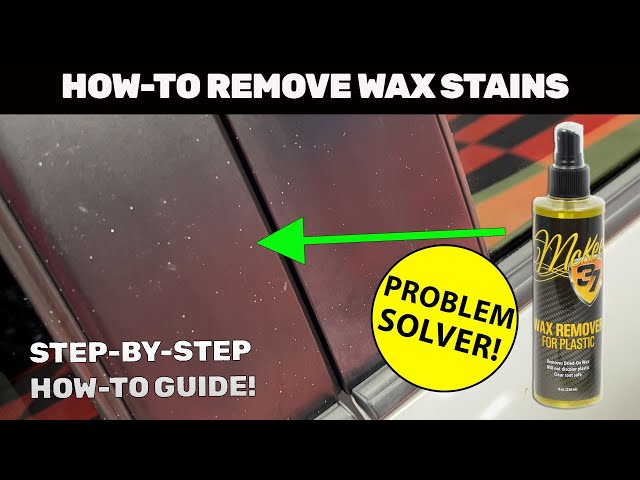
Wax Removal on Different Types of Trim
Not all trim reacts in the same way. Identifying the material helps you choose a safe method.
Textured black plastic
Use mild soap, a trim-safe cleaner, and a soft brush. Avoid abrasive pads because they can create shiny streaks.
Smooth painted plastic
Treat it like painted bodywork. Use a clean microfiber towel and a paint-safe cleaner. Do not use a rough brush unless the product label allows it.
Rubber weather seals
Use mild soap first. Choose a rubber-safe cleaner for remaining residue, then apply a light protective dressing.
Gloss black trim
Gloss black plastic scratches easily. Use fresh, clean microfiber towels and very light pressure. Never dry scrub it.
Chrome or polished metal
Check the material before cleaning. Some bright trim is plastic with a thin coating. Use a product made for that specific finish and avoid aggressive metal polish unless the surface is confirmed to be real metal.
When you are unsure, treat the surface as delicate. A cautious test spot is always better than repairing a damaged panel.
Frequently Asked Questions About How to Remove Wax Residue From Car Trim
Can vinegar remove wax residue from car trim?
Vinegar may help with some mineral deposits, but it is not the best choice for automotive wax. Use a trim-safe automotive cleaner instead, because repeated acid exposure may affect rubber, coatings, or nearby finishes.
Will rubbing alcohol remove wax from black plastic?
Rubbing alcohol can loosen some wax, but it may dry rubber or change the sheen of plastic. If you use it, dilute it as directed, test a hidden area, and wipe it off quickly.
Can I use WD-40 to remove wax from car trim?
WD-40 may soften wax, but its oily residue can leave the trim greasy and attract dust. A purpose-made automotive cleaner is easier to rinse and gives a more consistent finish.
How do I remove old dried wax from textured plastic?
Soften the wax with a warm, damp towel, then use a trim-safe cleaner and soft brush. Work in small areas and repeat gently rather than using heavy pressure.
Does wax permanently stain black plastic trim?
Usually, wax does not permanently stain the trim. However, UV damage, heat, or harsh chemicals can make the plastic look faded even after the residue is removed.
Can a pressure washer remove wax from trim?
A pressure washer may remove loose residue, but it cannot replace careful cleaning in textured grooves. Keep the nozzle at a safe distance and avoid spraying directly into seals, emblems, and electrical openings.
Should I use trim restorer after removing wax?
You can use a trim restorer if the plastic looks dry or faded. Choose a product made for exterior plastic, apply a thin layer, and remove excess to prevent streaks and dust buildup.
Conclusion
Learning how to remove wax residue from car trim does not require harsh chemicals or expensive tools. Wash the area first, soften dried residue, use a trim-safe cleaner, brush gently, and dry the surface before applying a light protectant.
Always test a product in a hidden spot, especially on old plastic, rubber seals, and gloss black trim. With a careful process, you can restore a clean, even finish and avoid the gray marks that make a freshly detailed car look unfinished.
Try these steps on a small section today, then inspect the result before treating the whole vehicle. For more practical car care guides, explore related detailing tips and share your experience in the comments.