
Yes, some junkyards in the United States sell running cars, trucks, and SUVs. However, many junkyards mainly sell used parts and scrap metal. A vehicle may run when it arrives, yet the yard may still sell it only for parts.
The key is to ask what type of seller you are dealing with. A traditional junkyard may sell vehicles “as is,” while a salvage dealer, auto recycler, or salvage auction may offer more complete vehicles. Before you buy, check the title, inspect the car, confirm its legal status, and budget for repairs, taxes, registration, and towing.

What Kind of Junkyard Sells Running Cars?
A junkyard may sell a running vehicle if the car has enough value as a whole vehicle. This often happens when the repair cost is lower than the car’s market value or when the yard does not need the vehicle for parts.
Common sellers include:
| Seller type | What it usually sells | Chance of finding a running car |
|---|---|---|
| Traditional junkyard | Parts, scrap vehicles, low-cost project cars | Possible |
| Auto recycler | Used parts and inspected used vehicles | Moderate |
| Salvage dealer | Damaged vehicles with salvage or rebuilt titles | High |
| Salvage auction | Wrecked, recovered, or damaged vehicles | High |
| Used-car dealer | Road-ready cars with normal retail sales | Higher, but often more costly |
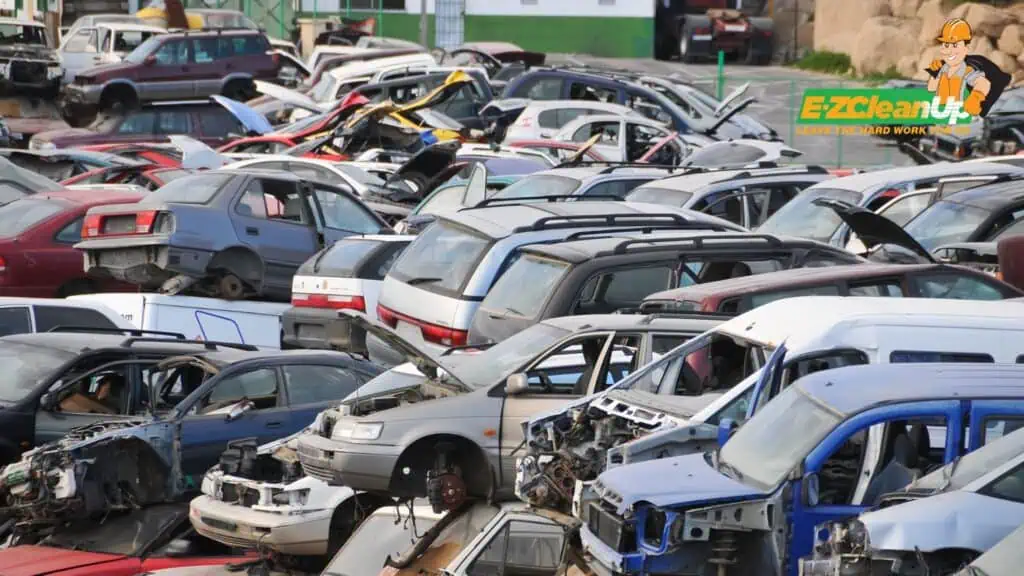
The word “junkyard” covers many types of businesses. Some yards pull parts from nearly every vehicle. Others sell complete cars through a sales lot or online listing page.
A running car is not always a road-ready car. It may start and move but still have bad brakes, damaged lights, worn tires, frame damage, or an invalid title. “Runs” describes one function. It does not prove that the car is safe, reliable, or legal to drive.
Why would a junkyard sell a running vehicle?
A junkyard may sell a complete car when:
- The vehicle has a usable engine, transmission, or interior.
- The car has light damage but still starts and moves.
- The cost of dismantling it is higher than the expected parts value.
- The vehicle is too old or rough for a normal used-car lot.
- The yard buys cars from insurance companies, police agencies, or private owners.
- The car has a title problem that limits its resale value.
Some vehicles arrive after theft recovery, flood exposure, hail damage, collision damage, or mechanical failure. The cause of the vehicle’s condition matters more than the fact that it starts.

How Can You Tell Whether a Junkyard Car Really Runs?
Ask the seller to demonstrate the car under conditions that match your planned use. A vehicle that starts after a jump may not start again the next morning. A car that moves across a yard may not be safe for highway travel.
Before visiting, ask these questions:
- Does the engine start from cold?
- Does the vehicle drive under its own power?
- Can I see it start without a jump pack?
- Does it overheat or show warning lights?
- Does the transmission shift through all gears?
- Does the seller have the title in hand?
- What brand appears on the title?
- Can I inspect the vehicle or hire a mechanic?
- Is the vehicle sold for parts only?
- Can the vehicle leave the property legally and safely?
A cold start gives you more useful information than a warm start. Sellers may warm an engine before you arrive to hide hard starting, smoke, or rough idle. Ask when the engine last ran and whether you can arrive before it is started.
Signs that the car may not be road-ready
Watch for:
- Oil, coolant, fuel, or brake-fluid leaks
- A cracked windshield
- Missing mirrors, lights, bumpers, or doors
- Airbag warning lights
- A bent frame or uneven body gaps
- Smoke from the exhaust
- Knocking, tapping, or grinding sounds
- Severe rust under the car
- Tires with dry rot or little tread
- Brake parts that are rusty or seized
- Water marks, mold, or a damp smell
- Missing keys or damaged wiring
Do not rely on a short yard drive. The car may move while still having serious braking, steering, suspension, or cooling problems.
What Title Does a Junkyard Car Have?
The title is often the most important part of a junkyard vehicle purchase. A car can run well and still be difficult or impossible to register if its title is branded, missing, or restricted.
Common title brands include:
- Salvage: The vehicle suffered damage that caused an insurer or state to classify it as a total loss.
- Rebuilt or reconstructed: The vehicle was previously branded salvage and later repaired under state rules.
- Parts only: The vehicle may not qualify for registration and may be intended only for dismantling.
- Nonrepairable: The vehicle may be restricted from being rebuilt for road use.
- Flood: The vehicle has a documented history of water damage.
- Junk: The vehicle is generally intended for parts or scrap, subject to state rules.
- Clean title: The title does not carry a salvage-related brand in that state’s record. A clean title does not guarantee good condition.
Title terms and registration rules differ by state. A salvage title in one state may use a different label in another. Some states require inspections, receipts, photographs, or proof of repairs before issuing a rebuilt title.
Check the VIN before paying
Get the vehicle identification number, or VIN, before you make a deposit. Use the VIN to check:
- The state title record
- Brand history
- Odometer information
- Theft records
- Total-loss history
- Open safety recalls
- Flood or insurance records
- Lien information, where available
The U.S. Department of Justice’s National Motor Vehicle Title Information System, known as NMVTIS, can help consumers find approved vehicle-history report providers. The National Highway Traffic Safety Administration also provides a VIN recall lookup tool.
A vehicle-history report is useful, but it is not a complete inspection. Some damage never reaches an insurance database. A clean report cannot rule out hidden flood damage, poor repairs, or current mechanical problems.

How Much Should You Pay for a Running Junkyard Car?
A running junkyard car should cost less than a similar road-ready vehicle because you accept more risk. The right price depends on the car’s title, damage, repair needs, mileage, local demand, and registration rules.
Use this simple estimate:
Maximum purchase price = expected value after repairs − repair costs − taxes and fees − towing − risk reserve
Hypothetical example
Suppose a repaired vehicle could reasonably sell for $6,000 in your local market. You estimate:
- Repairs: $2,000
- Towing and transport: $300
- Taxes and registration: $500
- Extra risk reserve: $700
The maximum sensible purchase price would be:
$6,000 − $2,000 − $300 − $500 − $700 = $2,500
This is only a planning example. The repair estimate must include hidden damage, diagnostic work, parts, labor, and title-related costs.
Do not compare the junkyard price with the full retail value of a clean-title car. Compare it with the value of a similar vehicle with the same title brand, damage history, mileage, and repair quality.
Costs buyers often miss
Budget for:
- A pre-purchase inspection
- A VIN or history report
- Towing or transport
- Tires and a battery
- Brake repairs
- Registration and title fees
- State salvage inspections
- Sales tax
- Replacement keys
- Diagnostic testing
- Insurance limitations
- Storage fees
- Vehicle emissions or safety testing
Some yards charge storage, loading, documentation, or buyer fees. Ask for the complete out-the-door cost in writing.
How to Buy a Running Car From a Junkyard
Follow a careful process. The goal is not just to find a car that starts. The goal is to confirm that you can own, repair, register, insure, and use it legally.
1. Find out what the seller means by “running”
Ask whether the car:
- Starts without outside power
- Idles for at least several minutes
- Moves forward and backward
- Stops under its own brakes
- Has working steering
- Can be driven on public roads
- Has current registration, if required
- Has a usable title
Get answers in writing when possible. A listing that says “engine runs” may not mean the complete vehicle drives.
2. Get the VIN and title information
Ask for a photo of the title or a written description of its brand. Compare the VIN on the title with the VIN on the dashboard, door label, and vehicle frame.
Do not buy a car with a title that belongs to another vehicle. Avoid rushed sales involving an open title, altered VIN, or seller who refuses to show ownership documents.
3. Arrange an inspection
Take the vehicle to an independent mechanic, or hire a mobile inspector if the seller permits it. The inspection should cover:
- Engine compression or operating condition
- Transmission operation
- Cooling system
- Brakes and brake lines
- Steering and suspension
- Frame and structural damage
- Airbags and restraint systems
- Electrical wiring
- Water or flood damage
- Tire condition
- Catalytic converter and emissions equipment
If the yard does not allow an inspection, treat that as a major risk. You may still buy the car, but the price should reflect that you are buying without enough information.
4. Check state rules before purchase
Call your state motor vehicle agency before paying. Ask:
- Can this title be transferred?
- Can this title brand be rebuilt?
- Is a salvage inspection required?
- Can the vehicle be registered after repairs?
- Are emissions or safety tests required?
- What documents and receipts must you keep?
- Can the vehicle be insured?
A vehicle that cannot be registered may still be useful as a parts donor. It may not be suitable as transportation.
5. Put the deal in writing
The bill of sale should identify:
- Buyer and seller
- Date of sale
- Purchase price
- VIN
- Mileage, if known
- Title brand
- Known damage
- Included keys and parts
- Whether the vehicle is sold as is
- Any promise made by the seller
Read the seller’s auction or yard terms. “As is” usually means the seller does not promise that the vehicle will keep running or meet your intended use.
6. Transport the vehicle safely
Do not drive a junkyard car home just because it starts. Use a tow truck or trailer if the brakes, tires, lights, steering, registration, or insurance are uncertain.
A jump-started vehicle with old tires can become dangerous within a few miles. Safe transport is often cheaper than a crash, roadside repair, or legal problem.

Are Junkyard Cars Worth Buying?
A junkyard car can be worth buying when you have repair skills, access to affordable parts, and a clear plan for the title. It is usually a poor choice when you need dependable transportation immediately.
| Your situation | Likely decision |
|---|---|
| You need a daily driver tomorrow | Usually avoid |
| You can inspect and repair cars | May be worthwhile |
| You need a donor vehicle | Often suitable |
| You want a cheap project | Possible, with a firm budget |
| The vehicle has a parts-only title | Usually not for road use |
| The seller will not show the title | Walk away |
| The vehicle has flood or frame damage | Proceed only with strong evidence and expert help |
| The repair cost is uncertain | Lower your offer or keep looking |
The biggest risk is not always the purchase price. It is the chain of costs that follows. A low-cost car can become expensive after towing, parts, labor, title work, and unexpected damage.
For a first-time buyer, a normal used car from a licensed dealer or private seller may offer less risk. For a mechanic, hobbyist, or parts buyer, a junkyard vehicle may provide useful value.

Common Mistakes to Avoid
Mistake 1: Confusing “starts” with “safe”
Starting only proves that the engine can run at that moment. It says little about the brakes, frame, tires, airbags, or cooling system.
Mistake 2: Ignoring the title brand
A salvage, flood, or parts-only title can affect registration, insurance, resale, and financing. Check the title before negotiating.
Mistake 3: Skipping the inspection
A cheap inspection can reveal problems that cost thousands of dollars. If inspection is not allowed, price the car as an unknown project.
Mistake 4: Driving the car away without checking legal requirements
The vehicle may need a trailer, temporary permit, insurance, inspection, or rebuilt-title process before it can legally use public roads.
Mistake 5: Trusting the odometer
Mileage may be unknown, inaccurate, or recorded differently after major damage. Treat mileage as one data point, not proof of condition.
Mistake 6: Paying before confirming ownership
Never rely only on a verbal promise that the title will arrive later. Confirm the seller’s ownership and state transfer process first.
Mistake 7: Forgetting insurance
Some insurers limit coverage for salvage or rebuilt vehicles. Ask your insurer about coverage before purchase, especially if you need collision or comprehensive coverage.

Where Else Can You Find a Running Car With Damage?
If a junkyard does not have suitable inventory, consider:
- Salvage auctions
- Rebuilt-title dealers
- Online private-party listings
- Government or fleet auctions
- Police auctions
- Local auto recyclers
- Repair shops selling customer-abandoned vehicles
Each source has different rules. Auction cars may have buyer fees, limited inspection time, and no test drive. Government and fleet vehicles may have better records but can still need repairs. A rebuilt-title dealer may provide more paperwork but charge more than a junkyard.
The safest option is usually the seller that provides the clearest title, the most inspection access, and the most complete damage history—not necessarily the lowest advertised price.
Key Takeaways
- Yes, junkyards sometimes sell running cars.
- A running car is not automatically safe, reliable, or legal to drive.
- Ask whether the vehicle starts, moves, stops, and has a usable title.
- Check the VIN and title brand before paying.
- Confirm your state’s rules for salvage, rebuilt, junk, and parts-only vehicles.
- Get an independent inspection when possible.
- Include towing, taxes, registration, repairs, and insurance in your budget.
- Use a trailer or tow truck when road safety or legal status is uncertain.
- Walk away if the seller will not show ownership documents or the VIN.
Frequently Asked Questions
Can I drive a junkyard car home?
Only if the vehicle is legally registered or covered by the proper temporary permit and insurance, and it is safe to drive. Many junkyard cars should leave on a trailer because they have bad tires, weak brakes, missing equipment, or an unusable title.
Do junkyards give warranties on running cars?
Most junkyard vehicles are sold as is, but policies differ. Ask whether the seller offers any written warranty, return period, or limited guarantee. Never assume that a vehicle described as “running” has long-term coverage.
Can I register a junkyard car?
Possibly. Registration depends on the title brand, vehicle history, repairs, inspections, and the laws of your state. A parts-only, junk, or nonrepairable vehicle may not qualify for normal road registration.
Can I get a loan for a junkyard car?
Traditional lenders often avoid vehicles with salvage or rebuilt titles. A parts-only vehicle may not qualify for vehicle financing at all. Buyers may need cash or another form of credit, but compare the total cost before borrowing.
Should I buy a running junkyard car for a daily driver?
Usually not unless a qualified mechanic confirms its condition and the title can be registered and insured. A junkyard car may make sense as a project or donor vehicle, but daily transportation requires dependable brakes, tires, safety systems, and cooling.
How do I find out why the car went to the junkyard?
Start with the title, VIN history, insurance records, seller records, and a physical inspection. Ask whether the vehicle had collision, flood, theft-recovery, mechanical, or abandonment history. No single report reveals every past problem.
Final Answer: Do Junkyards Sell Running Cars?
Yes, some U.S. junkyards sell running cars, but they usually sell them with limited guarantees and significant risk. The vehicle may run while still needing major repairs or title work.
Before you buy, verify three things: the car’s condition, the title’s legal status, and the total cost after repairs. If any of those remains unclear, keep looking or treat the vehicle as a parts project rather than dependable transportation.
For official checks, use your state motor vehicle agency, the U.S. Department of Justice’s NMVTIS consumer information page, and the National Highway Traffic Safety Administration’s VIN recall lookup.