How To Restore Faded Black Plastic Car Trim: Easy Pro Tips
Restore faded black plastic car trim by cleaning, prepping, and applying a quality plastic restorer or dye.
I have spent years restoring and maintaining cars for friends and clients, and I know how worn, sun-faded trim can age a vehicle. This guide shows step-by-step how to restore faded black plastic car trim, why parts fail, which products work, and how to protect results so the trim stays black and healthy. Read on for practical tips, tools, and my tested methods so you can get factory-looking trim without guesswork.
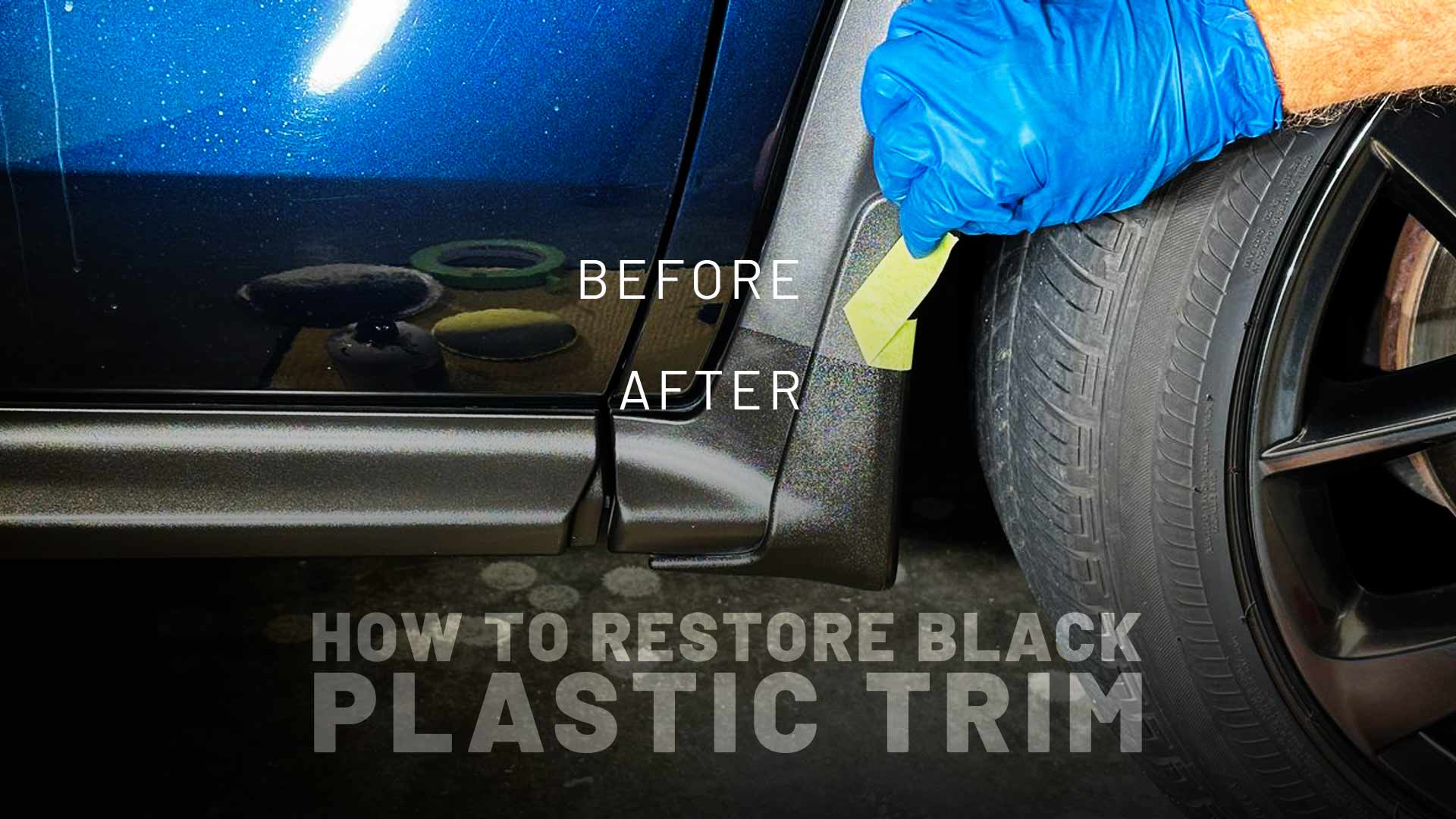
Why black plastic trim fades
UV light, heat, and pollution break down the pigments and surface polymers in trim. Over time, the trim loses dye and the surface oxidizes, turning gray and chalky.
Other causes include harsh cleaners, road salts, and minor abrasion from washing. Many trims are made from polypropylene or ABS, which both fade when polymers oxidize.
Knowing the root cause helps pick the right fix. Simple fading needs cleaning and restorer. Deep oxidation or scuffed plastic may need sanding and dye.

When to restore versus when to replace
Inspect the trim closely before you start. Light fading and chalky surface means restoration is a good option. Parts that are cracked, brittle, warped, or missing mounting tabs should be replaced.
If the plastic flakes or crumbles under a fingernail, replacement is safer. For panels that are salvageable, restoration is faster and far cheaper than new parts.

Tools and materials you will need
Gather tools and products before you begin. Keeping things ready saves time and reduces mistakes.
- Mild car shampoo or dedicated plastic cleaner
- Isopropyl alcohol (70–90%) for final de-grease
- Microfiber towels and soft brushes
- Soft plastic-safe scrub pad and/or soft toothbrush
- Sandpaper: 400, 800, 1200 grit (if sanding is needed)
- Plastic restorer, trim renovator, or plastic dye (choose quality brands)
- Applicator pads, foam brushes, or small paint brush for dye
- Heat gun (optional) for blending dye on porous plastic
- UV protectant or sealant for trim
- Nitrile gloves and eye protection

Step-by-step: How to restore faded black plastic car trim
Below are tested steps I use on most cars. Work in shade and on cool trim. Take small sections at a time.
- Clean the trim
- Wash the area with car shampoo to remove loose dirt and road film.
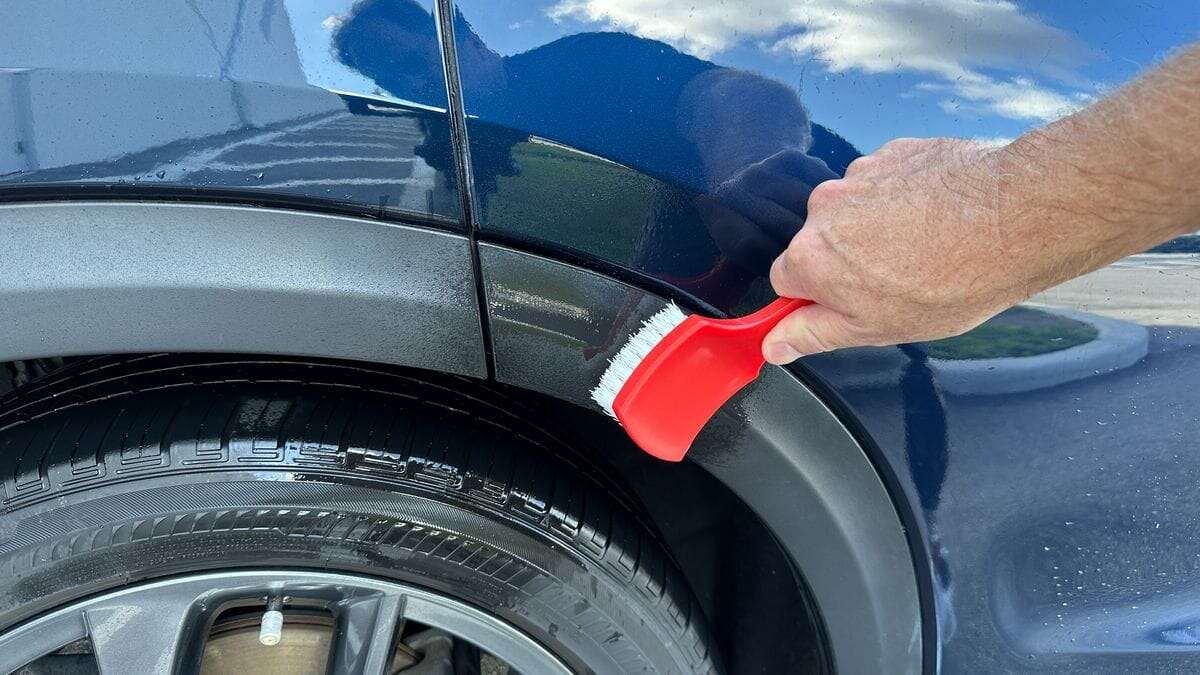
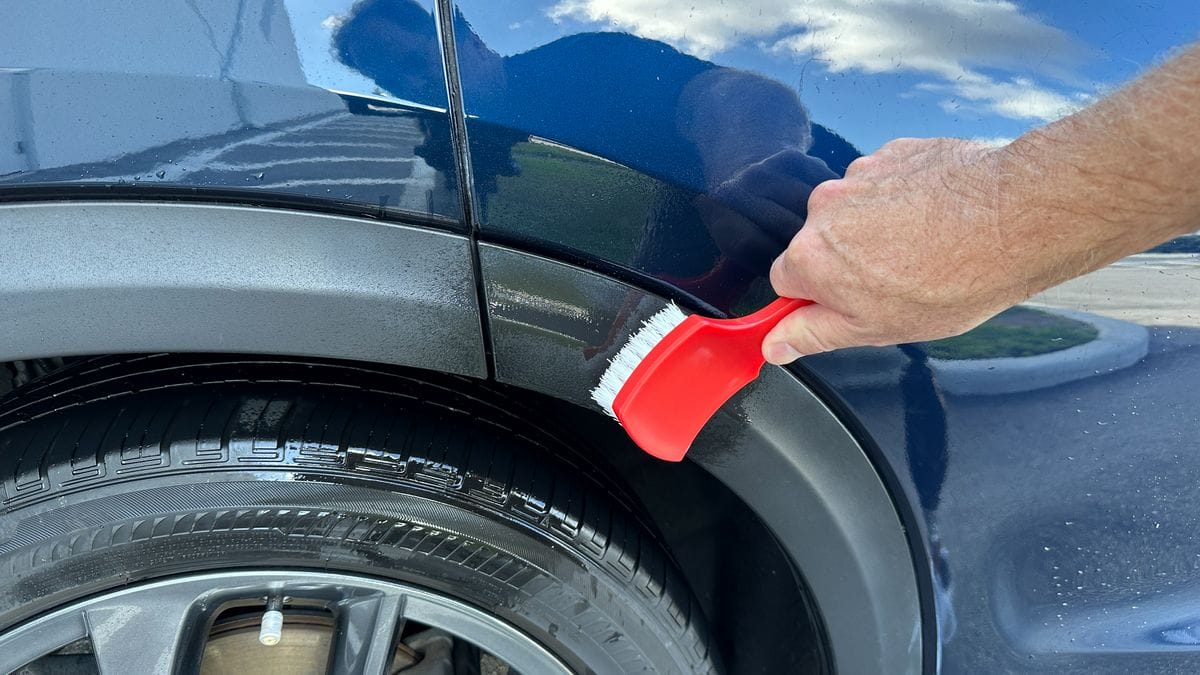
- Use a soft brush to get into seams and textured surfaces.
- Rinse and dry with microfiber towels.
- Deep clean and decontaminate
- Apply a plastic-safe cleaner or degreaser.
- Scrub gently with a soft pad to remove old dressing and grime.
- Wipe with isopropyl alcohol to remove oils; let dry fully.
- Assess surface condition
- If the trim is only faded and smooth, you can skip sanding.
- If there is chalking, rough spots, or flaking, sand lightly to smooth the surface.
- Start with 400 grit for heavy oxidation, then refine with 800 and 1200 grit.
- Apply restorer or dye
- For light fading, apply a good-quality plastic restorer or trim renovator with an applicator pad.
- For deep, long-lasting results, use a plastic dye designed for exterior trim. Apply thin, even coats and allow drying between coats.
- Use a small brush for creases and textured areas.
- Optional heat-gun blending
- For porous plastics, a light pass with a heat gun on low helps the dye penetrate and level.
- Keep the gun moving and stay at least 6–8 inches away from plastic to avoid warping.
- Seal and protect
- After restorer or dye cures, apply a UV protectant or plastic sealant.
- This layer extends life and keeps color from washing out.
- Final inspection and touch-ups
- Check for missed spots and reapply as needed.
- Allow full cure time per product directions before exposing to rain or car washes.
PAA-style question: Can I restore faded black plastic car trim with household items?
- You can improve the look with household items like olive oil or soap, but results are temporary. Professional trim restorers or dyes give longer-lasting, UV-resistant results.
PAA-style question: How long does restored trim last?
- Restored trim can look good for several months to a few years depending on product quality and sun exposure. Using a UV sealant and regular maintenance extends life.
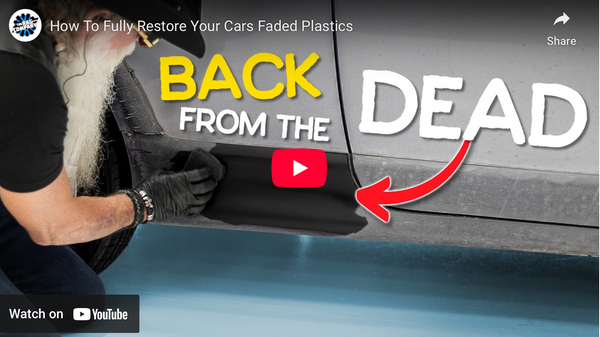
Alternative restoration methods and when to use them
Consider these options if standard restoration does not meet your needs.
-
Trim paint or vinyl dye
- Use trim-specific spray paints or dyes for larger pieces or full replacements.
- Best for even, long-term color and when sanding, priming, and masking are acceptable.
-
Replacement parts
- Replace trim when structural damage exists or cost of labor and parts is comparable.
- Replacement gives factory fit and correct OEM texture.
-
Professional refinish
- Auto detail shops can use industrial dyes, adhesion promoters, and ovens for hard-to-fix trim.
- This is pricier but yields near-OEM results.

Maintenance tips to keep trim black longer
Simple habits prevent rapid re-fading. I follow these on cars I maintain.
- Wash regularly with mild soap to remove contaminants.
- Avoid automatic brush car washes that use harsh brushes.
- Apply a UV protectant every 1–3 months depending on sun exposure.
- Park in shade or use a car cover when possible.
- Reapply dye or restorer annually for best appearance.
Common mistakes and troubleshooting
Avoid these errors I’ve seen from DIYers.
-
Skipping the cleaning step
- Dirt and old dressings stop restorers from bonding. Clean first.
-
Using random household oils as long-term fixes
- Oils darken plastic but attract dirt and wash off quickly.
-
Overheating with a heat gun
- Too much heat warps plastic. Use low settings and distance.
-
Applying too much product
- Thick coats can flake or drip. Use thin, even layers.
-
Not sealing the surface
- Without UV protection, restoration fades fast.
If a spot peels after treatment, strip it back to clean plastic and start again with light sanding and thin coats.

Frequently Asked Questions of How to restore faded black plastic car trim
Can I use a heat gun to fix all faded plastic trim?
A heat gun helps some dyes level and stick but can damage thin or brittle plastic. Use low heat and keep the gun moving to avoid warping.
How often should I apply plastic restorer?
Apply a restorer every 1–3 months for best look, and use a dye or deeper treatment once a year if needed for long-term results.
Will sanding ruin the texture of my trim?
Light sanding can smooth oxidation but will alter deep textures if overdone. Start gently and test on a small area first.
Are cheap trim products worth it?
Cheap products may give instant color but often fade quickly. Investing in a reputable restorer or dye yields better, longer results.
Can I restore chrome-look or painted trim the same way?
No. Painted and chrome-look trims need specific products or repainting services. Treat each material appropriately.
How long does a professional trim restoration last?
A professional job using dyes and sealants usually lasts from one to three years depending on environment and care.
Conclusion
Restoring faded black plastic car trim is a skill you can master with the right prep, products, and simple patience. Clean well, pick a method that fits the level of fading, and protect your work to keep trim looking new longer. Try one small panel first, follow product directions, and you’ll quickly gain confidence.
Take action today: gather the materials, try the step-by-step method on a small trim section, and share your results or questions below to keep improving your car’s look.