

Most car ferries hold about 50 to 500 cars, while large vehicle ferries can carry more than 1,000.
The real answer depends on the ferry’s size, deck layout, vehicle mix, and safety rules. After reviewing ferry specifications and vehicle-loading plans, it is clear that “how many cars fit on a ferry” cannot be answered with one fixed number. This guide explains the capacity ranges, the math behind them, and the practical details that affect every sailing.
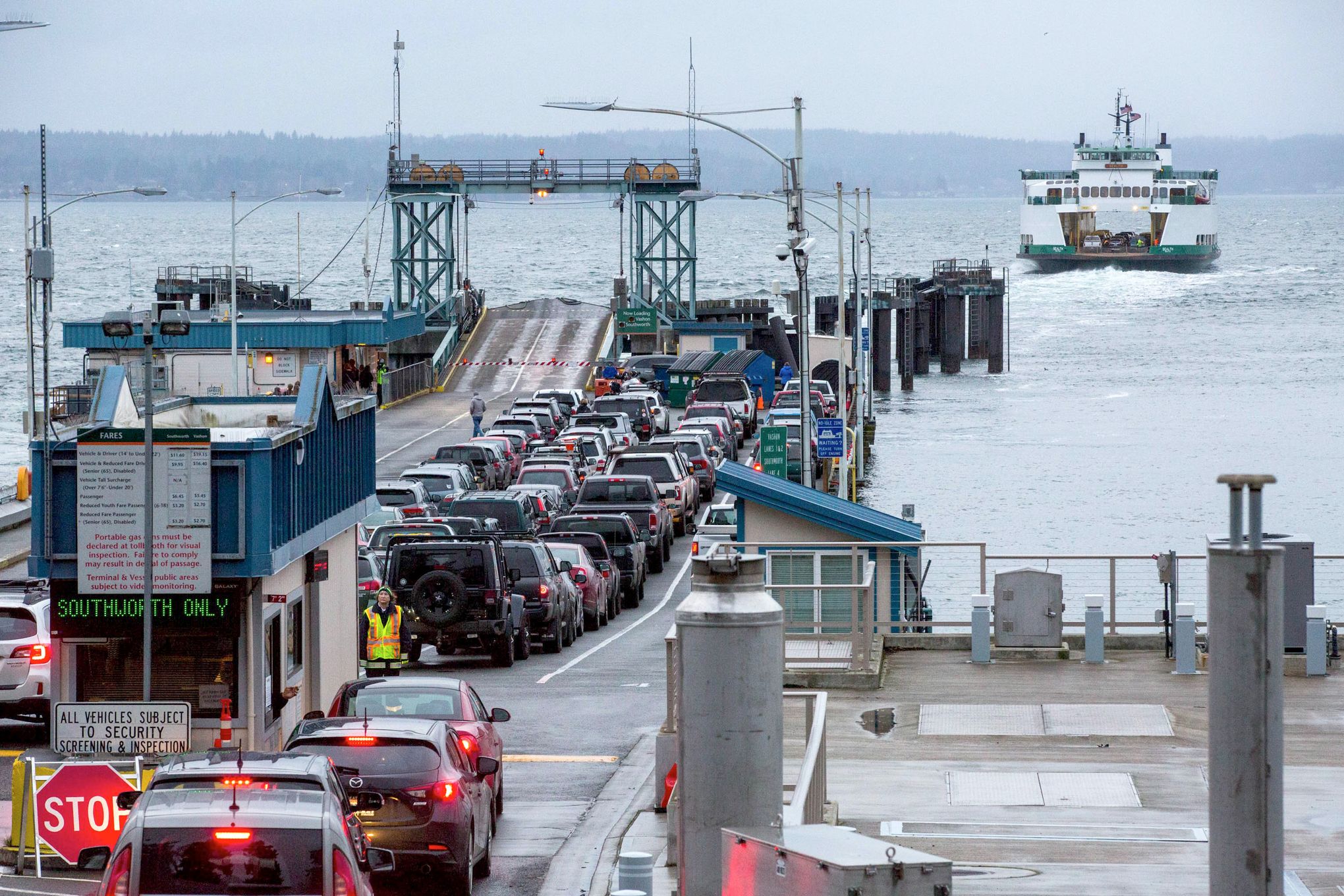
How many cars fit on a ferry?
A small passenger ferry may carry 20 to 80 cars. A medium car ferry often holds 100 to 250 cars, while a large roll-on, roll-off ferry may carry 300 to 600 cars or more.
Some large overnight ferries use several vehicle decks. These ships can carry the equivalent of 500 to more than 1,000 standard cars, especially when their capacity is measured in lane meters rather than vehicle spaces.
Here is a simple guide:
• Small cable or local ferry: 10 to 40 cars
• Small car ferry: 40 to 100 cars
• Medium car ferry: 100 to 250 cars
• Large regional ferry: 250 to 500 cars
• Large overnight vehicle ferry: 500 to 1,200 or more cars
These figures are broad estimates. The same ferry may carry fewer cars on one trip and more on another because trucks, buses, recreational vehicles, and motorcycles use space differently.
A ferry operator may also limit the number of vehicles for reasons that have little to do with deck space. Weight balance, dangerous goods, passenger numbers, weather, and loading time can all reduce the working capacity.
What determines ferry car capacity?
The answer to how many cars fit on a ferry starts with the ship’s design. Ferry builders plan the vehicle deck around usable length, deck width, ramp access, turning space, fire protection, and weight limits.
The main factors include:
Vehicle deck space
A ferry with one short deck has limited capacity. A large ship may have several vehicle decks connected by internal ramps or lifts.
The usable deck area is less than the total floor area. Space is needed for:
• Driving lanes
• Turning areas
• Support columns
• Emergency exits
• Fire equipment
• Watertight doors
• Loading ramps
• Crew access routes
This is why a simple length multiplied by width calculation usually gives an overly high estimate.
Vehicle size
A compact sedan may use about 16 to 18 feet of lane space, including a small safety gap. A pickup truck, large SUV, or van may need 20 to 25 feet. A bus or tractor trailer can use much more.
For this reason, ferry operators often report capacity as “standard cars” or “car equivalents.” A ship that holds 200 standard cars may hold far fewer vehicles if many passengers bring large trucks or recreational vehicles.
Number of vehicle decks
Deck count has a major effect on capacity. A two-deck ferry may nearly double the usable vehicle space of a single-deck ship, although ramps and structural areas reduce the exact increase.
Large Ro-Pax ferries can have multiple decks for cars and trucks. “Ro-Pax” means roll-on, roll-off passenger ship. Vehicles drive aboard through ramps instead of being lifted by a crane.
Weight and stability
A ferry is not just a floating parking garage. The location and weight of vehicles matter.
Heavy trucks parked too high or on one side can affect the vessel’s stability. Crew members use a loading plan to spread weight across the deck. This can leave some spaces unused even when an open area appears available.
Loading and unloading time
A ferry also needs to load and unload safely within its schedule. A tight deck layout may fit more cars, but it can slow traffic and increase the risk of damage.
Operators often balance maximum capacity with practical speed. A ferry that carries 300 cars efficiently may be more useful than one that technically fits 330 but takes too long to clear the ramp.

How ferry operators measure vehicle capacity
Many ferry companies measure capacity in lane meters. One lane meter represents one meter of vehicle deck length across a standard lane width.
For example, a ferry with 2,000 lane meters has far more vehicle space than one with 500 lane meters. However, lane meters do not translate perfectly into a fixed number of cars.
A rough estimate works like this:
Estimate the total lane meters.
Divide that number by the average space used by one car.
Reduce the result for trucks, buses, motorcycles, ramps, and operating limits.
If a ferry has 1,000 usable lane meters and the average car uses 5 meters, the basic estimate is 200 cars. In real operation, the final count may be lower or higher depending on the vehicle mix.
A standard car space often includes room for safe separation. That means the car itself may be shorter than the total lane length assigned to it.
Why advertised capacity can look confusing
You may see several numbers for the same vessel:
• Passenger capacity
• Car capacity
• Vehicle capacity
• Lane meter capacity
• Truck capacity
• Maximum vehicle length
These numbers describe different limits. Passenger capacity counts people, not cars. Truck capacity counts commercial vehicles. Lane meters describe deck length. Car capacity usually assumes a particular mix of standard vehicles.
When comparing ferries, always check what the operator means by “vehicles.” One company may count a motorcycle as one vehicle. Another may list capacity in car equivalents.
Typical ferry sizes and real examples
Looking at real ferry types makes the answer easier to understand.
Small local ferries
Small ferries serve short routes across rivers, bays, and narrow channels. They may carry 10 to 40 cars, often in a single open deck.
These vessels usually have frequent departures. Their goal is steady movement rather than carrying a huge number of vehicles in one trip.
Some small ferries carry 50 to 100 cars when they use a wider double-ended design. A double-ended ferry has loading ramps at both ends, which helps vehicles drive straight through instead of turning around.
Medium regional ferries
Medium ferries commonly carry 100 to 250 cars. They may have one or two vehicle decks and room for passengers inside the vessel.
These ferries are common on island routes and busy coastal crossings. Their design often includes space for cars, trucks, motorcycles, bicycles, and emergency vehicles.
A vessel in this class may appear large from the dock, yet its real capacity can change sharply during a holiday weekend. A few recreational vehicles can take the space of several compact cars.
Large vehicle ferries
Large regional ferries may carry 250 to 500 cars. They often have several vehicle lanes, wider ramps, and stronger deck systems for trucks.
Some large ferries also carry rail cars. A rail ferry’s capacity depends on the number and length of rail tracks, so its car capacity may be much lower than its overall size suggests.
Overnight Ro-Pax ferries
Large overnight ferries can carry hundreds of cars plus buses and commercial trucks. Some have cabins, restaurants, lounges, and several vehicle decks.
Their published capacity may be listed as several hundred cars or a large number of lane meters. A ferry with 2,000 to 3,000 lane meters might carry roughly 400 to 700 standard cars, but the actual total depends heavily on the vehicle mix.
Ferries designed mainly for freight may carry fewer passenger cars but many trucks. A trailer can use the same deck length as several small cars.
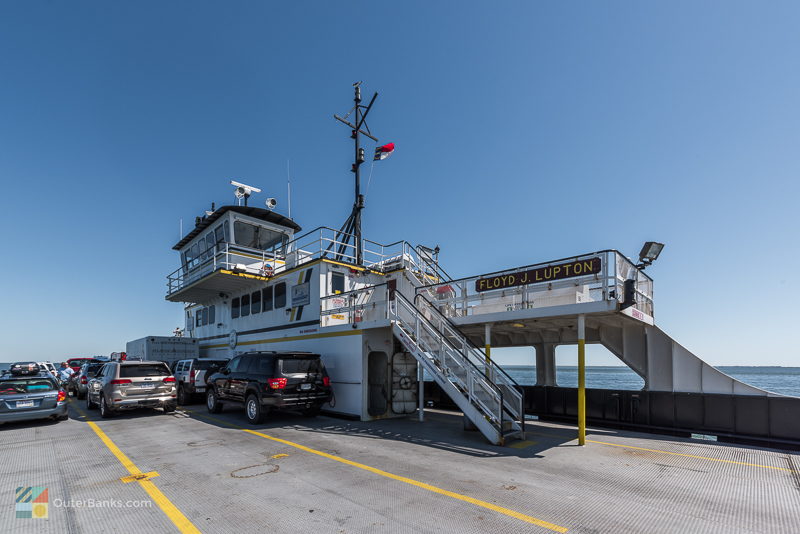
A simple way to estimate how many cars fit on a ferry
You can estimate car capacity with a basic formula:
Estimated car capacity = usable vehicle deck length ÷ average space per car
Suppose a ferry has four lanes, each 400 feet long. That gives 1,600 lane feet.
If each standard car uses about 20 feet, the rough capacity is:
1,600 ÷ 20 = 80 cars
This estimate is not the final answer. You still need to account for:
• Turning space
• Ramp areas
• Fire lanes
• Structural supports
• Oversized vehicles
• Motorcycle areas
• Loading gaps
• Weight distribution
If 15 percent of the deck is not available for standard parking, the practical estimate becomes about 68 cars.
This method is useful for understanding the math, but the official operator capacity is more reliable. Ferry companies use detailed plans that account for vehicle dimensions, axle weights, stability, evacuation routes, and maritime safety rules.
Example with mixed vehicles
Imagine a ferry with space for 150 standard cars. A busy sailing includes:
• 90 passenger cars
• 20 pickup trucks
• 5 large SUVs
• 3 buses
• 2 recreational vehicles
That ferry may reach its vehicle limit even though the car count is well below 150. Larger vehicles consume more lane space and may need special placement near certain ramps or deck areas.
This is why a ferry can look “full” without reaching its advertised car number.
Why a ferry may not accept more cars
A ferry may stop boarding cars before every visible space is filled. This is normal and usually reflects safety or operating needs.
Weight limits
Every vessel has a maximum safe loading condition. Heavy trucks and buses can use a large share of the permitted weight.
A ferry may have open deck space but still lack enough weight allowance for another large vehicle.
Stability requirements
Vehicles must be placed in a balanced pattern. If too many vehicles gather on one side, the vessel may list, or lean, toward that side.
Modern ferries use loading software, crew checks, and ballast systems to manage stability. These controls protect the vessel during loading and throughout the crossing.
Dangerous goods
Fuel trucks, propane vehicles, and other vehicles carrying hazardous materials may need special handling. Some sailings limit these vehicles or place them in controlled areas.
A ferry might reserve deck space for dangerous goods even when those spaces are not used by ordinary cars.
Weather and sea conditions
Rough weather can affect loading decisions. The crew may reduce the number of vehicles, change their position, or restrict high-profile vehicles such as trailers and motor homes.
Wind has a stronger effect on tall vehicles. A loaded ferry must remain stable when exposed to gusts, waves, and changing currents.
Emergency access
Vehicle decks need clear routes for firefighting and evacuation. Cars cannot be packed tightly like boxes in a warehouse.
Small gaps and open lanes help the crew inspect the deck and respond to an emergency. These spaces are part of safe ferry design, not wasted capacity.
Schedule pressure
A ferry with a short crossing time may have only a limited loading window. Once the ship reaches its practical loading limit, the crew may close the gate to avoid a late departure.
This is one reason reservations matter on busy routes.

Can you reserve a car space on a ferry?
Many ferry companies allow vehicle reservations, but a reservation does not always guarantee a specific parking spot. It usually guarantees space for your vehicle on a particular sailing, if you arrive within the required check-in period.
Reservation systems may ask for:
• Vehicle type
• Vehicle length
• Vehicle height
• Trailer details
• License plate information
• Number of passengers
Accurate measurements are important. If you book a compact car but arrive with a long pickup and roof box, the operator may need to move you to a different sailing.
On routes with limited departures, arrive early. A reserved vehicle may lose its place if the driver misses the check-in deadline.
From a practical standpoint, the biggest mistake travelers make is assuming that a reservation replaces check-in. It does not. Ferry staff still need time to inspect, measure, and arrange vehicles safely.
How to improve your chance of boarding
If you want your car to fit on the ferry, a few simple steps can help.
Book ahead during peak travel periods.
Enter the correct vehicle length and height.
Include trailers, bike racks, roof boxes, and cargo carriers.
Arrive before the published vehicle check-in time.
Keep your reservation details ready.
Follow crew instructions during loading.
Avoid stopping in the loading lane unless directed.
Check rules for propane, fuel cans, and electric vehicles.
Holiday weekends, summer vacations, and major events often create the highest demand. A ferry may have enough space in theory but no remaining space for walk-up vehicles.
If you are traveling with a motor home or trailer, call the operator when booking. These vehicles may need a specific lane, sailing, or fare category.
Do electric cars affect ferry capacity?
Electric cars usually occupy the same physical space as gasoline cars. Therefore, an electric vehicle generally counts as one vehicle for deck capacity.
However, ferry operators may have special rules for electric vehicles because of battery safety and fire response. Policies vary by company and route.
Some operators may ask about:
• Battery damage
• Vehicle recalls
• Charging status
• Parking location
• Emergency procedures
A damaged or recalled battery can present a serious fire risk. Travelers should check the current policy before sailing rather than relying on general ferry rules.
Electric vehicles can also be heavier than similar gasoline cars. That difference is usually small compared with the vessel’s total load, but weight still matters when many heavy vehicles board together.
How ferry loading works
Loading begins after the ferry is secured at the terminal. Crew members open the ramp and guide vehicles onto the correct deck or lane.
Vehicles are often loaded in a planned order. Larger vehicles may go in specific areas. Commercial trucks may be separated from passenger cars. Motorcycles may receive a protected location to reduce the chance of movement.
Once cars are parked, the crew may place wheel chocks, secure special vehicles, inspect clearances, and close the vehicle deck. Drivers normally remain with their vehicles only as long as the operator allows.
During unloading, crew members release traffic in stages. The order may depend on deck location, ramp design, and the need to prevent congestion.
Watching a busy ferry load is like watching a careful puzzle come together. Every car has a place, and even a small mistake can create a traffic problem.
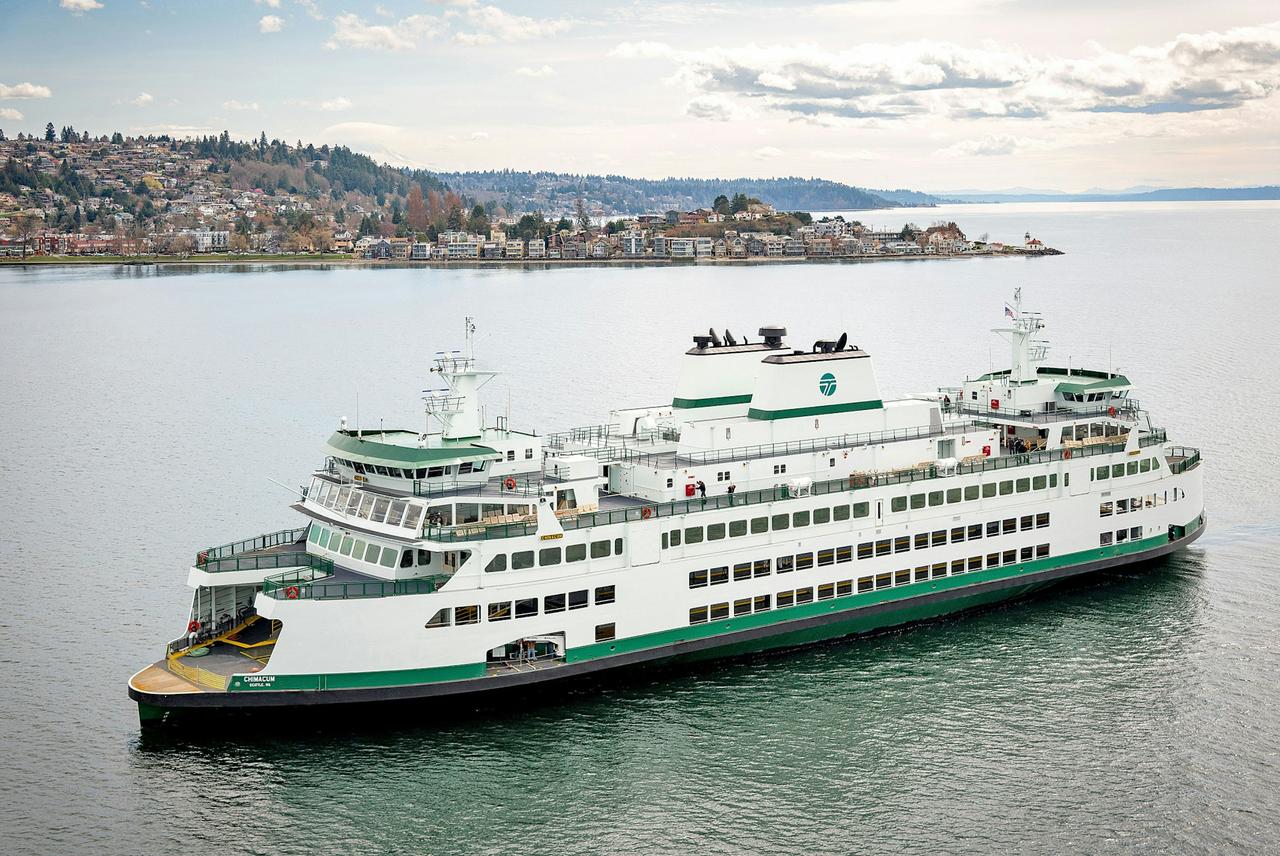
Common mistakes to avoid
Travelers often focus only on the number of cars a ferry can carry. The following details can matter just as much.
Understating vehicle size
A roof rack, trailer hitch carrier, or rear bike rack can add length. Height can also affect which deck or lane you may use.
Measure the full vehicle combination before booking.
Arriving too late
A ferry may have a fixed loading schedule. Even with a reservation, a late arrival can lead to a missed sailing.
Assuming every sailing has the same capacity
The same vessel may use different loading plans for trucks, buses, motorcycles, and private cars. Seasonal schedules can also change.
Ignoring special cargo rules
Fuel containers, propane tanks, batteries, and hazardous goods may have specific restrictions. Check the operator’s current rules before reaching the terminal.
Parking without following crew directions
Do not choose a space based on convenience. Crew members may need to balance the deck or keep access routes open.
Frequently Asked Questions About How Many Cars Fit on a Ferry
What is the average car capacity of a ferry?
A typical medium car ferry carries about 100 to 250 standard cars. Small ferries may hold fewer than 50, while large vehicle ferries can carry 500 or more.
Can a ferry carry trucks and cars at the same time?
Yes, many ferries carry cars, pickup trucks, buses, and commercial trucks on the same sailing. The number of cars decreases as larger vehicles use more lane space and weight capacity.
Do ferries count motorcycles as cars?
Usually, motorcycles are counted as vehicles but not always as standard car equivalents. Because motorcycles use less deck length, several may fit in the space needed for one car.
Why does a ferry have fewer cars than its advertised capacity?
Advertised capacity often assumes a specific mix of standard cars. Trucks, buses, recreational vehicles, safety lanes, weather conditions, and weight limits can reduce the actual number accepted.
How long does it take to load cars onto a ferry?
Loading may take 15 minutes on a small local ferry or more than an hour on a large vessel. The time depends on the number of vehicles, terminal design, ramp access, and the type of traffic boarding.
Is it possible to drive onto any ferry?
No. Some ferries carry passengers only, while others transport vehicles. Check the route and vessel details before booking a passenger ticket.
Do electric vehicles take more space on a ferry?
Electric vehicles normally take the same physical deck space as other cars. They may be subject to additional safety rules, and heavier models can affect the vessel’s weight plan.
Conclusion
How many cars fit on a ferry depends on much more than the ship’s length. Small ferries may carry 10 to 80 cars, medium vessels often carry 100 to 250, and large vehicle ferries may handle 500 or more standard cars.
Lane meters, vehicle size, weight, stability, weather, and loading rules all shape the final number. For the smoothest trip, reserve early, provide accurate vehicle details, arrive on time, and follow the crew’s instructions.
Planning a ferry journey soon? Check the operator’s official vehicle limits and reservation rules before you travel, then share your ferry experience or route in the comments.