How To Detail A Car For Resale Value: Get Top Offers
Clean, repair, and protect every surface to boost resale appeal and asking price.
I have spent years prepping cars for sale, working with dealerships and private sellers to get top offers. This guide shows exactly how to detail a car for resale value, step by step. You will learn what to clean, fix, and protect, plus tips on presentation and pricing that turn effort into cash. Read on for clear, practical steps you can use today.

Why detailing matters for resale value
A well-detailed car sells faster and often for more money. Buyers look for signs of care, and detail work signals the car was well kept. How to detail a car for resale value means more than cleaning; it means removing doubts buyers have about maintenance and longevity.
Detailing also helps preserve parts. Clean surfaces age slower. Polished paint resists corrosion. Small investments in detailing can give a solid return at sale time. Use records and before-and-after photos to prove your work and justify a higher price.

Preparation: what you need before you start
Good results start with the right tools. Gather items that save time and protect surfaces.
- Microfiber towels for drying and wiping.
- Two-bucket wash kit with grit guards.
- pH-balanced car shampoo and wheel cleaner.
- Plastic trim cleaner and interior all-purpose cleaner.
- Vacuum with attachments and upholstery brush.
- Clay bar or synthetic clay and lubricant.
- Polish, compound, and a dual-action polisher (if you plan paint correction).
- Wax or paint sealant and optional ceramic coating.
- Headlight restoration kit and touch-up paint.
- Protective gloves and eye protection.
Set aside a clean, shaded space with good lighting. Work on one section at a time and keep a bag for trash and small tools. This prep makes the detailing process quicker and more consistent.
Exterior detailing: step-by-step
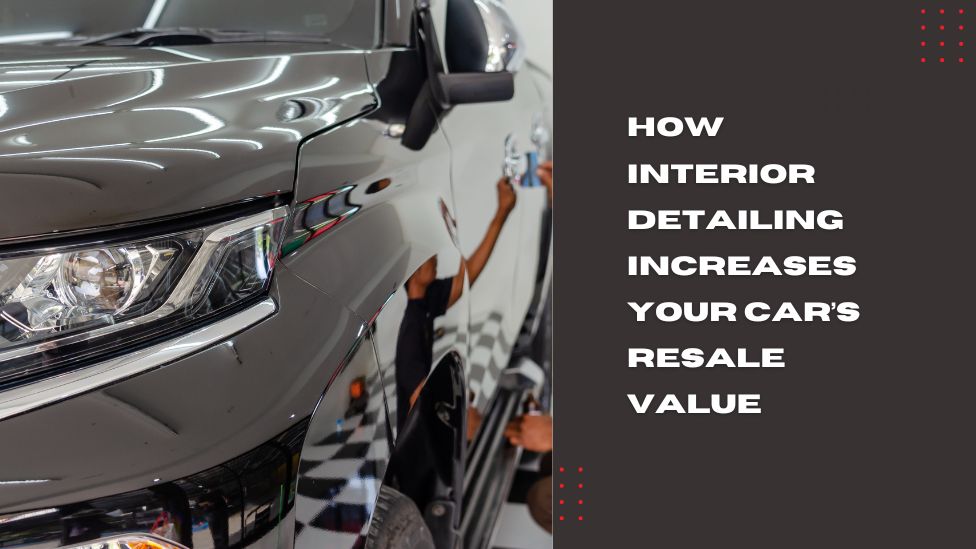
- Rinse the car to remove loose dirt. Start top to bottom.
- Wash with the two-bucket method to avoid swirl marks. Use a soft mitt and frequent rinses.
- Clean wheels and tires last with a dedicated cleaner and brushes. Rinse thoroughly.
- Decontaminate the paint with a clay bar to remove bonded pollutants. Use lubricant and small sections.
- Assess paint defects. Use compound for deep scratches, polish for light swirls, then wipe clean.
- Apply a paint sealant, wax, or ceramic coating for protection and shine. Follow product cure times.
- Clean trim and plastic. Dress trim lightly to restore color without leaving a greasy look.
- Finish with glass cleaner on windows and mirrors and a final wipe of all surfaces.
Exterior detailing directly answers how to detail a car for resale value because buyers judge condition first by looks. A glossy, defect-free finish raises buyer confidence and price.
Interior detailing: step-by-step
Start by removing personal items and trash. Work from the top down.
Seats
- Vacuum seats and crevices. Use a soft brush for cloth fabric.
- Treat leather with cleaner and leather conditioner. For cloth, use an upholstery cleaner and extract stains when possible.
Carpets and mats
- Remove mats and beat them out. Shampoo carpets and mats, then dry thoroughly.
- Use a portable extractor for deep cleaning if you have heavy soiling.
Dashboard, vents, and plastics
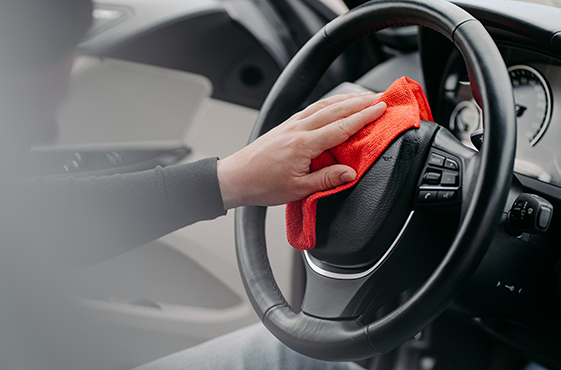
- Clean with a pH-safe interior cleaner. Use cotton swabs or small brushes for vents and seams.
- Avoid heavy dressing that leaves a shine; buyers prefer a clean, natural look.
Odor removal
- Find the source of smells—mold or food—and clean it directly.
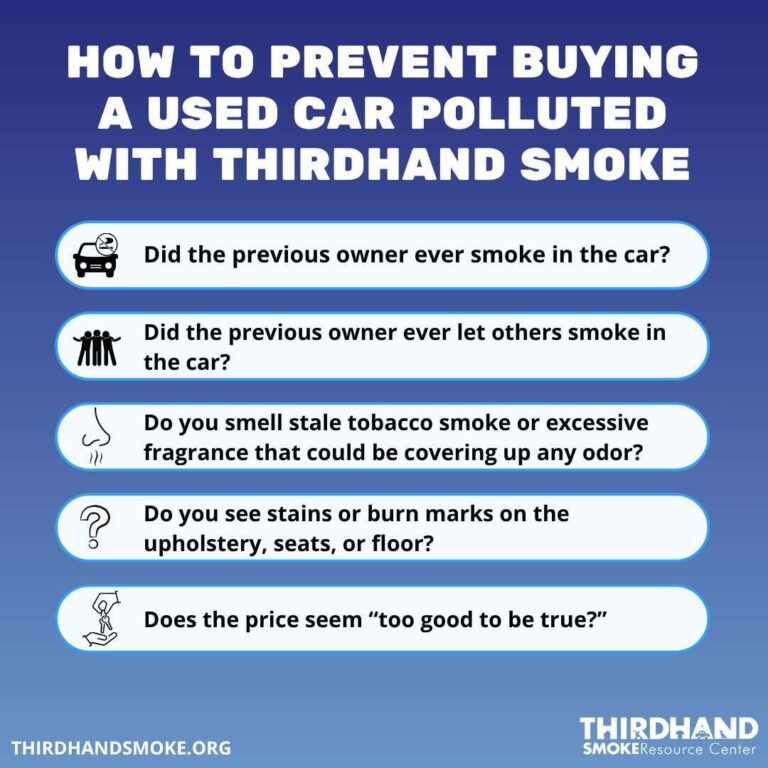
- Use an ozone treatment or enzyme cleaner for persistent odors. Do not mask smells with heavy air fresheners.
Small details matter. Replace broken knobs, repair torn stitching, and ensure seat tracks work smoothly. A tidy, odor-free cabin shows care and increases perceived value.
Paint correction and protection options
Paint correction can turn a tired finish into a near-new look. Choose the level of work based on the car’s age and value.
- Light polish: removes swirl marks and light scratches. Good for well-kept older cars.
- Compound and polish: for deeper defects and oxidation. Best done with a dual-action polisher.
- Professional correction: consider a pro for serious defects or high-value cars.
Protection options
- Paste or liquid wax: affordable and simple, lasts weeks to months.
- Paint sealant: synthetic protection that lasts months.
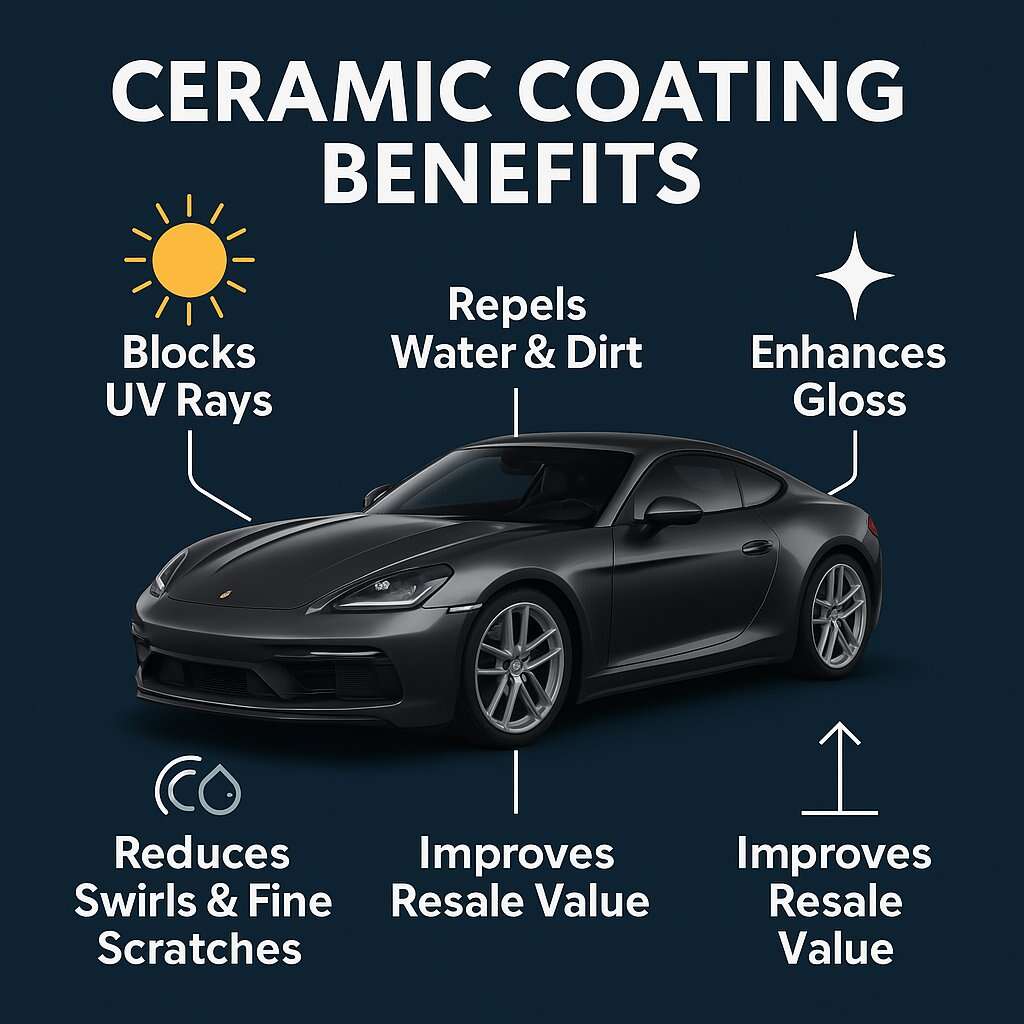
- Ceramic coating: longer-term protection and hydrophobic effects for years, but needs proper prep.
- Paint protection film (PPF): best for high-impact zones and show cars.
When deciding how to detail a car for resale value, balance cost and expected return. Do more paint work on higher-value vehicles or those showing major defects.

Minor repairs and cosmetic fixes that boost value
Fix small things early. Buyers notice tiny flaws and use them to negotiate.
- Touch up chips and small scratches with matched paint.
- Restore yellowed headlights with a restoration kit for a modern look.
- Replace worn floor mats and missing trim pieces.
- Repair small upholstery tears or have a pro stitch them.
- Fix minor electrical issues—nonworking bulbs or sensors lower trust.
I once sold a 2012 sedan after addressing a small rocker rust spot and cleaning the interior. The car sold within a week for more than the initial asking price. Small repairs can have outsized returns.

Engine bay, wheels, and undercarriage
A clean engine bay suggests mechanical care. Use caution and simple steps.
- Cover sensitive parts like the alternator and air intake.
- Degrease with a safe cleaner and rinse lightly. Dry with compressed air or towels.
- Clean wheel wells and undercarriage to show rust-free conditions.
- Shine tires lightly to avoid an over-greasy look.
Buyers often peek at the engine. A tidy bay and clean wheels add credibility and help when negotiating.
Final presentation: photos, documentation, and staging
First impressions come from photos and paperwork. Stage the car to highlight strengths.
Photos
- Use natural light around golden hour and shoot from several angles.
- Show close-ups of the dash, odometer, tires, and any blemishes.
- Present before-and-after detailing shots if you have them.
Documentation
- Gather service records, receipts for detailing, and a CarFax or equivalent if available.
- Provide a written list of recently replaced items and repairs.
Staging
- Park on clean pavement or a neutral background.
- Remove personal items and add neutral props like a clean floor mat to show scale.
How to detail a car for resale value includes this final polish. Good photos and proof of care speed sales and justify higher offers.
How detailing affects pricing and negotiation
Detailing can raise perceived value and reduce buyer haggling. A clean car shows care and lowers perceived risk.
Typical effects
- Faster sale: detailed cars attract more inquiries and viewings.
- Higher offers: buyers pay more for cars that look cared for.
- Stronger negotiation footing: documentation and photos back your asking price.
Limitations
- Over-detailing or misrepresenting condition can backfire. Be honest about defects.
- High-cost detailing may not always give full return on very low-value cars. Match effort to expected sale price.
Plan your detailing effort based on the car’s market value and buyer expectations.
Frequently Asked Questions of How to detail a car for resale value
How long does a full detail take?
A full detail usually takes 4 to 8 hours for a typical car. Time varies by condition and whether paint correction is needed.
Will detailing increase my car’s resale value?
Yes, detailing often increases resale value by improving appearance and buyer confidence. The exact increase depends on market and car condition.
Can I detail my car myself or should I hire a pro?
You can do basic detailing yourself to save money. Hire a pro for paint correction, heavy stain removal, or high-end protection like ceramic coating.
How often should I detail a car before selling it?
Detailing once right before listing is essential. A gentle maintenance clean once a month helps if you plan to sell in several months.
Does engine bay cleaning harm the car?
Engine bay cleaning is safe when done carefully. Cover electronics and use low-pressure rinsing and appropriate cleaners.
Conclusion
Detailing for resale value is about smart work, not just elbow grease. Clean the exterior and interior, fix visible flaws, protect the paint, and present the car with clear photos and records. These steps build buyer trust and often raise the final sale price.
Start with a plan, match your effort to the car’s value, and document everything. Try one focused detailing session this weekend, take strong photos, and list with confidence. If you found this guide helpful, leave a comment or subscribe for more car-selling tips.