How To Fix Water Spots On Black Car Paint: Quick Guide
Light water spots can often be removed with vinegar, clay bar, or light polishing.
I’ve spent years restoring and detailing cars, and I know that black paint shows every imperfection. This guide explains how to fix water spots on black car paint step by step, how to tell which spots are fixable, what tools to use, and how to avoid making the problem worse. Read on to get clear, practical instructions you can use today.

Why water spots form on black car paint
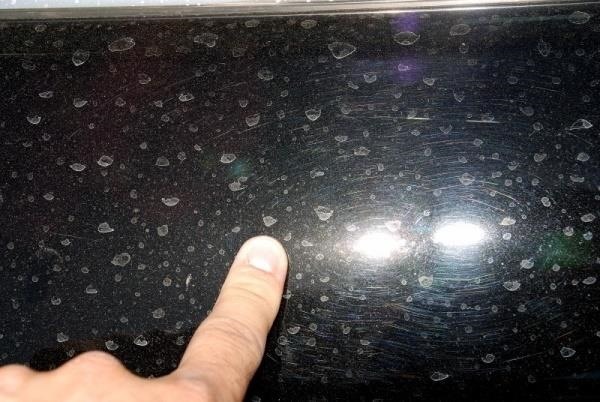
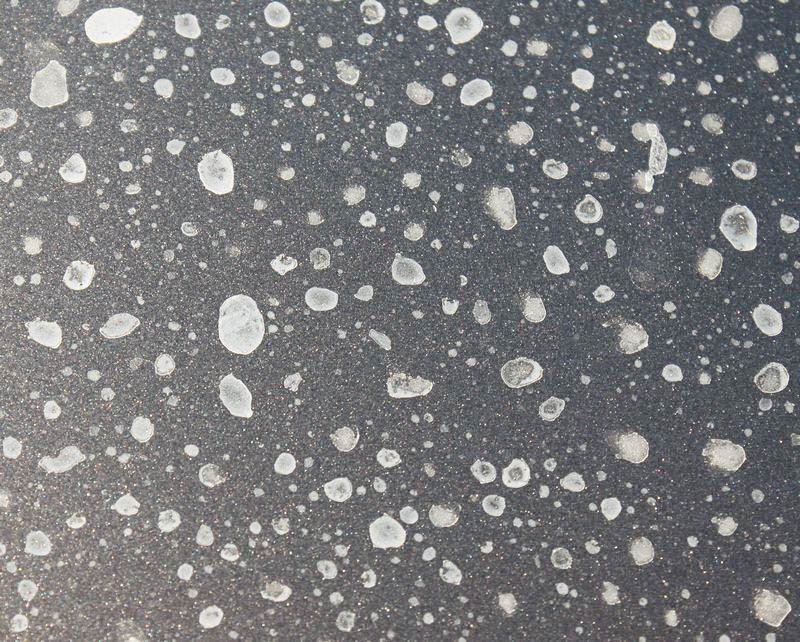
Water spots appear when minerals, salts, or acidic residues in water dry on paint and leave deposits. Black car paint highlights these marks because dark colors contrast with the mineral residue and any clear-coat etching. Hard water, sprinkler droplets, ocean spray, and acid rain are common causes. Understanding the cause helps you choose the right method to fix water spots on black car paint.

Assessing the severity: light versus etched water spots
Light spots sit on the surface and come off with detergents, vinegar, or a clay bar. Etched spots have eaten into the clear coat and need polishing or paint correction. Do the fingernail test: drag a fingernail over the spot; if it catches, the spot is likely etched. Knowing the difference helps you pick safe, effective steps to fix water spots on black car paint without harming the finish.
Tools and products you'll need
Use quality items to avoid creating swirl marks or more damage. Common tools and products include:
- pH-neutral car shampoo for a safe wash
- Microfiber wash mitts and drying towels
- White distilled vinegar or a dedicated water-spot remover
- Detailing clay bar kit with lubricant
- Polishing compound and a dual-action polisher or foam pads
- Rubbing alcohol for surface prep
- Spray sealant or ceramic spray for protection
- Nitrile gloves and eye protection when using chemicals
Gathering the right tools is a big step toward success when you learn how to fix water spots on black car paint.

Step-by-step: How to fix water spots on black car paint
Below are progressive options from least to most aggressive. Start with the gentlest method and move to the next only if needed.
H3 1) Basic wash and dry
- Rinse the car to remove loose dirt.
- Wash with pH-neutral shampoo and a clean microfiber mitt.
- Rinse thoroughly and dry with a plush microfiber towel.
This often removes fresh, light water spots. If spots remain, continue to the next steps on how to fix water spots on black car paint.
H3 2) Vinegar solution for mineral deposits
– Mix one part white distilled vinegar to two parts distilled water in a spray bottle.
- Spray on the spot and let sit for 30–60 seconds. Do not let it dry.
- Agitate gently with a microfiber towel, rinse, and dry.
Vinegar dissolves minerals. Test on an inconspicuous area first because vinegar is mildly acidic and can affect delicate finishes. This is a common approach to fix water spots on black car paint that are mineral-based.
H3 3) Clay bar decontamination
- Spray clay lubricant generously and glide a clay bar over the area.
- Fold the clay to expose clean surface as it picks up deposits.
- Wipe off residue and inspect.
Clay removes bonded contaminants that washing can’t. Clay is safe for black paint when used correctly and is a key step to fix water spots on black car paint before polishing.
H3 4) Polishing for etched spots
- Clean and dry the panel. Use isopropyl alcohol to remove oils.
- Start with a mild polish and a soft pad on a dual-action polisher.
- Work small sections and inspect often. Increase cut only if necessary.
Polishing removes a tiny layer of clear coat and will remove etched mineral marks. This is the most common professional method to fix water spots on black car paint without repainting.
H3 5) Compound and machine polishing for severe etching
- Use a medium-cut compound with the appropriate pad.
- Follow with a fine polish to restore gloss.
- Finish with a paint-safe sealant or wax to protect the surface.
When done carefully, machine polishing corrects deeper etching. If you’re unsure, seek professional correction because aggressive compounding can thin the clear coat and lead to damage.
H3 6) When repainting or clear-coat repair is needed
- If etching penetrates through the clear coat into color, repainting or a clear coat touch-up may be required.
- A paint shop can evaluate depth and recommend blending or respray.
Extreme cases are rare but do occur, especially with old or neglected finishes. Professional help can be the safest way to fix water spots on black car paint when correction is beyond polishing.
H3 Quick PAA-style questions
- What removes mineral water spots quickly? A vinegar solution or a dedicated water-spot remover often works on surface deposits.
- Can I use toothpaste to remove water spots? Toothpaste is abrasive and inconsistent; it may remove light spots but risks swirls and uneven gloss.
- Is polishing safe for black paint? Yes, if you use proper technique, mild polish, and check results often.
After you follow the steps above, always seal the paint to slow future spotting and lock in gloss when repairing how to fix water spots on black car paint.

Prevention: How to stop water spots appearing
Prevention saves time and money. These habits reduce the chance you’ll need to fix water spots on black car paint:
- Rinse off sprinklers and hard-water sources as soon as possible.
- Dry the car after washing or rain with a soft microfiber towel or a blower.
- Apply a quality wax, paint sealant, or ceramic coating for hydrophobic protection.
- Use filtered or distilled water for spot-free rinses when possible.
- Park in shade or under cover to avoid mineral-rich water drying on panels.
Consistent care makes black paint more forgiving. Sealing the paint is one of the best ways to prevent needing to fix water spots on black car paint in the future.
Common mistakes and what to avoid
Avoid actions that make the problem worse:
- Scrubbing hard with abrasive pads or household cleaners. These cause swirl marks.
- Skipping the wash before clay or polish. Dirt can be dragged across the paint and scratch it.
- Polishing too aggressively or with the wrong pad. You can thin clear coat quickly.
- Waiting too long to address etched spots. The longer they sit, the more correction needed.
Follow the correct progression and you’ll safely fix water spots on black car paint.

My experience and tips from the field
I once restored a black sedan with heavy spot etching across the hood. I started with vinegar and a wash; it removed 40 percent of the marks. A clay bar cleared another 30 percent. Final correction with a dual-action polisher and a medium polish restored most of the shine. The biggest lesson: patience matters. Tackle small areas, inspect often, and don’t skip protection—after restoring how to fix water spots on black car paint, apply a sealant and reapply regularly to avoid repeating the job.
Frequently Asked Questions of How to fix water spots on black car paint
What exactly causes water spots on black car paint?
Water spots are caused by minerals, salts, or acid residues left behind when water evaporates. Black paint makes them more visible because the contrast highlights the deposits.
Can vinegar damage black car paint?
Vinegar is mildly acidic and can cause harm if left on paint too long or used full strength. Dilute it and test on a small area before broader use.
How do I tell if a spot is etched?
Run your fingernail lightly over the mark; if it catches, the spot is likely etched and needs polishing or paint correction. Smooth residue that wipes away is surface-level.
Is it safe to polish my car myself?
Yes, with the right tools and a cautious approach. Use a dual-action polisher and mild products, work in small sections, and practice on less-visible areas first.
How often should I seal or wax my black car to prevent spots?
A good rule is to apply a quality wax every 2–3 months or a paint sealant every 4–6 months. Ceramic coatings can last a year or more and offer superior protection.
Conclusion
Fixing water spots on black car paint is manageable with the right diagnosis, tools, and patience. Start with gentle methods like washing and vinegar, move to clay and polish for tougher marks, and reserve aggressive correction for etched damage. Protect the finish afterward to reduce repeat work. Try these steps on a small panel first, and if you’re unsure, consult a professional detailer. If this guide helped, leave a comment with your car make and the spot type you’re facing, or subscribe for more hands-on detailing tips.