

Put coolant into the pressurized expansion tank or radiator filler neck, as your owner’s manual directs.
Knowing where to put coolant in a car helps prevent burns, engine damage, and costly repair bills. Most modern cars use a translucent coolant reservoir, but some vehicles require coolant to go directly into the radiator. This guide explains how to find the correct fill point, check the level safely, choose the right coolant, and spot problems that topping up will not fix.
Where to Put Coolant in a Car
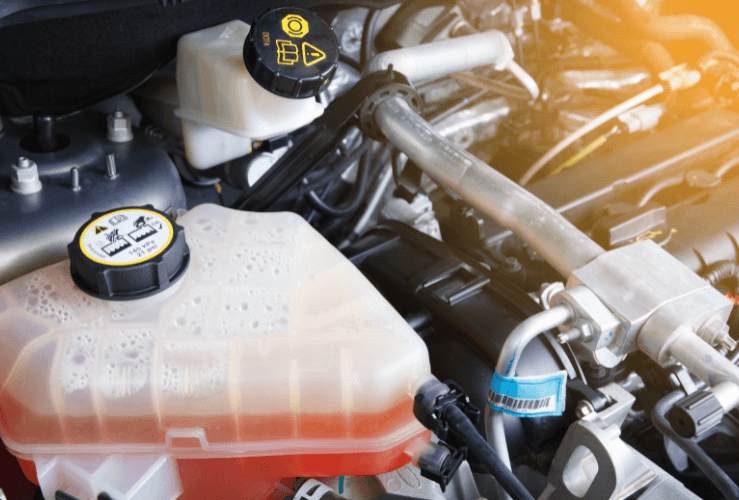
In most vehicles, you put coolant into the coolant reservoir, also called the expansion tank or overflow tank. It is usually a white or translucent plastic container near the radiator. Look for markings such as “MIN,” “MAX,” “LOW,” or “FULL.”
The reservoir often has a brightly colored cap. The cap may show a thermometer symbol or a warning that the system is pressurized. Follow the hose from the radiator to help identify the tank if you are unsure.
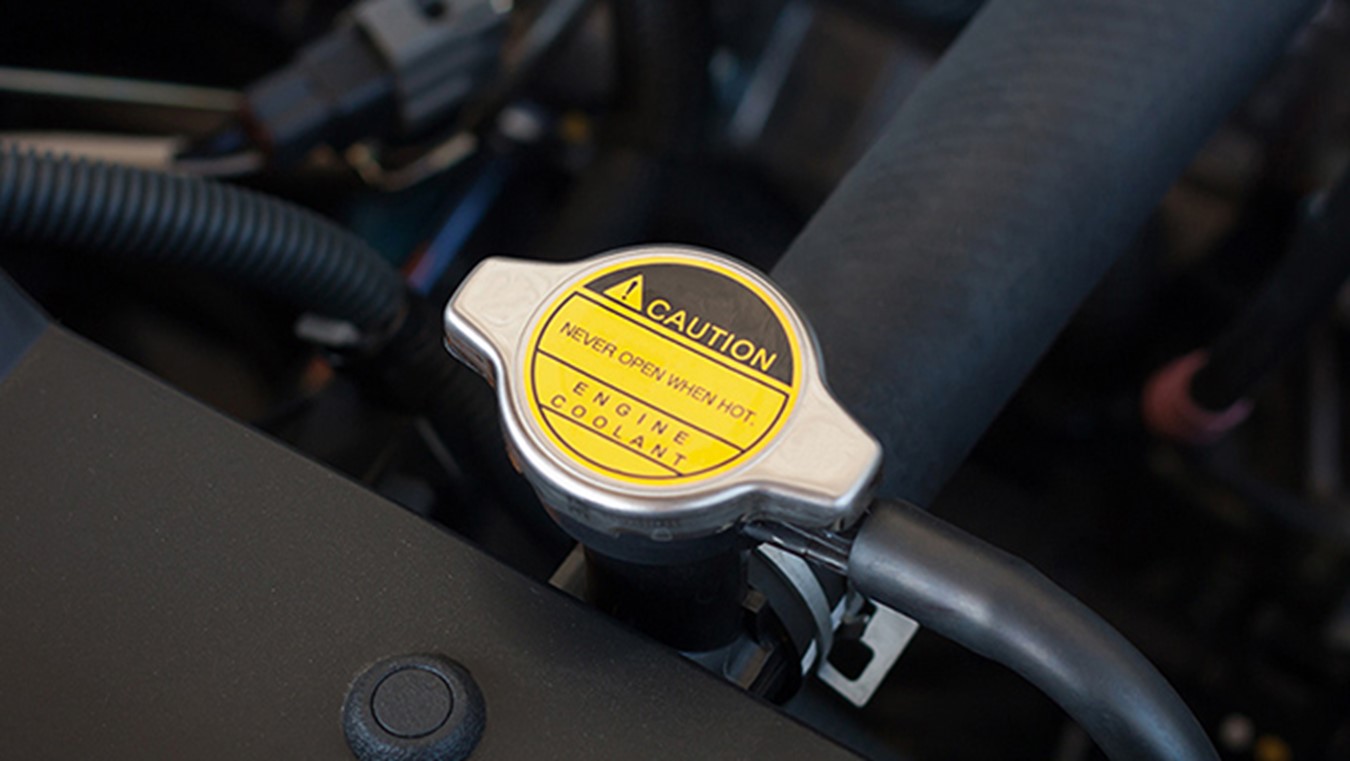
Some cars do not have a separate, easy-to-see reservoir. In those vehicles, coolant may need to go into the radiator through the radiator filler neck. The owner’s manual is the safest way to confirm where to put coolant in a car because the layout differs by make, model, and engine.
Never remove a radiator cap while the engine is hot. Hot coolant can spray out under pressure and cause serious burns.

How to Find the Coolant Reservoir
The coolant reservoir is usually located near the front of the engine bay. It may sit beside the radiator, near the windshield washer tank, or close to the engine. Its location can vary, so do not rely only on color.
Use these clues:
• The tank is often made from semi-clear plastic.
• It usually has “MIN” and “MAX” level marks.
• A thick hose may connect it to the radiator.
• The cap may show a temperature symbol or a warning message.
• The fluid inside may look green, orange, pink, blue, yellow, or another color.
The coolant reservoir is not the same as the windshield washer fluid tank. Washer fluid tanks often have a blue cap with a windshield symbol. Brake fluid reservoirs are smaller and sit near the brake master cylinder, usually at the rear of the engine bay.
If the tank is dirty or stained, wipe the outside with a clean cloth. This makes the level marks easier to read. Do not open several caps at random when the engine is hot.
How to Add Coolant Safely
Before adding coolant, park on level ground and turn off the engine. Let the engine cool fully. This can take 30 minutes or longer after normal driving, and longer still after overheating.
Follow these steps:
Read the owner’s manual to confirm the correct coolant type and fill point.
Park on a flat surface and set the parking brake.
Wait until the engine is cool to the touch.
Find the coolant reservoir and check the level against the markings.
Remove the reservoir cap slowly if the engine is cool.
Add the correct premixed coolant until it reaches the “MAX” or “FULL” line.
Replace the cap firmly.
Start the engine and check for leaks after the vehicle reaches normal temperature.
Do not fill the reservoir above the maximum line. Coolant expands as it heats, so extra fluid needs room to move. Overfilling can push coolant out of the cap or create a mess in the engine bay.
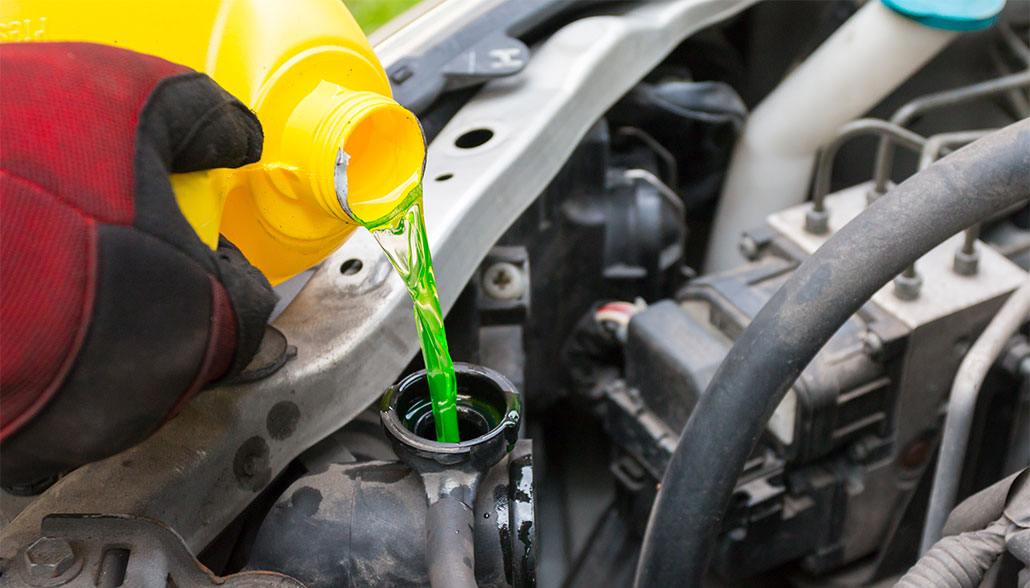
If your car requires coolant in the radiator, remove the radiator cap only when the engine is completely cold. Fill the radiator to the top, then fill the overflow tank to the marked level. Some systems require a special bleeding process to remove trapped air.
Should You Add Coolant to the Radiator or Reservoir?
The correct place depends on the cooling system design. In many modern cars, the coolant reservoir is part of a sealed pressurized system. In that case, the reservoir is where to put coolant in a car when the level is low.
Older vehicles may use a nonpressurized overflow bottle. The radiator itself may need to be filled first. Some newer European vehicles use an expansion tank that serves as the main fill point.
Check the manual before choosing between the radiator and the reservoir. Adding coolant to the wrong place may leave air in the system or cause the engine to remain low on coolant.
A useful rule is simple:
• Use the reservoir when the manual identifies it as the fill point.
• Use the radiator only when the vehicle has a radiator filler neck and the manual permits it.
• Never open either cap while the system is hot.
When there is no clear reservoir, look for a radiator cap on the radiator or a connected expansion tank. If the cap has a warning label, treat the system as pressurized.

How to Choose the Right Coolant
Coolant is not identified only by color. Two fluids with the same color can use different chemical formulas, while two different colors can sometimes have similar uses. Always use the specification listed in the owner’s manual or printed on the coolant product.
Common coolant categories include:
• Inorganic additive technology, often used in some older vehicles.
• Organic acid technology, used in many newer vehicles.
• Hybrid organic acid technology, which combines parts of both systems.
• Manufacturer-specific formulas designed for certain engines and cooling materials.
Use premixed coolant if you want the simplest option. It is usually mixed with distilled water at the correct ratio, often 50/50. Concentrated coolant must be diluted as directed on the label.
Do not mix random coolant types. Incompatible fluids can reduce corrosion protection, form deposits, or damage seals. If you do not know what is already in the system, ask a qualified technician before adding a different formula.
Water alone is not a good long-term replacement. It lacks the corrosion protection and freeze protection provided by engine coolant. In an emergency, distilled water may help you reach a repair shop, but the system should be corrected soon.
What to Do If the Coolant Level Is Low
A low coolant level can happen for several reasons. A small amount may be lost over time, but a repeated drop usually signals a problem. The cooling system should not need frequent topping up under normal conditions.
Possible causes include:
• A leaking radiator hose.
• A loose or damaged reservoir cap.
• A cracked expansion tank.
• A leaking radiator.
• A failed water pump seal.
• A damaged head gasket.
• Air trapped in the cooling system after service.
Look for wet spots, white or colored deposits, a sweet smell, or steam near the engine bay. Coolant may leak onto a hot engine and evaporate before it reaches the ground, so no puddle does not always mean there is no leak.
If you must add coolant more than once between services, arrange an inspection. Topping up treats the symptom, not the cause. Driving with low coolant can lead to overheating and severe engine damage.

Can You Add Coolant While the Engine Is Hot?
You should not remove the radiator cap or coolant reservoir cap while the engine is hot. The cooling system can hold pressurized fluid well above the boiling point of water. Opening the cap may release a burst of hot coolant and steam.
Turn off the engine and wait until it is fully cool. If the temperature gauge reached the red zone, wait longer and avoid touching the cap. Never use a towel as a substitute for allowing the engine to cool.
If the car overheats while driving:
Turn off the air conditioner.
Turn on the heater only long enough to reach a safe place.
Pull over as soon as it is safe.
Shut off the engine.
Keep people away from the engine bay.
Call for roadside help if you see steam or smell strong coolant.
Do not pour cold water into a hot engine or radiator. A sudden temperature change can damage engine parts, and the steam can burn you.

How Much Coolant Should You Add?
Add enough coolant to reach the correct mark when the engine is cold. On a reservoir, this usually means filling to the “MAX COLD” or “FULL COLD” line. The amount may be only a small cup or several quarts, depending on how low the system is.
Do not guess the total cooling system capacity. A full system may hold several gallons, but topping up normally requires far less. The manual lists the complete capacity for a drain and refill.
If the reservoir is empty, do not assume that filling the bottle solves the issue. The radiator may also be low, or the system may have a major leak. A completely empty reservoir deserves a careful inspection before driving.
In my experience, one common mistake is adding fluid until it reaches the very top of the tank. The correct level is the marked line, not the top of the plastic container. Leaving expansion space prevents unnecessary overflow.

What Happens If You Put Coolant in the Wrong Tank?
Putting coolant into the windshield washer tank is a common mistake. Coolant can damage the washer pump, clog spray nozzles, and leave a film on the windshield. Do not operate the washer system if this happens.
If you add a small amount of coolant to the washer reservoir, have the tank drained and rinsed. A repair shop can do this quickly. Do not pour washer fluid into the engine cooling system.
Adding coolant to the brake fluid reservoir is more serious. Brake fluid and coolant serve completely different systems. Do not drive the vehicle if coolant enters the brake reservoir. The brake system may need to be flushed and inspected by a professional.
When you are unsure where to put coolant in a car, stop and identify the cap symbols and level marks first. A few extra minutes can prevent a major repair.
How to Check for Coolant Leaks
Check for leaks when the engine is cool. Look under the front of the car and around the reservoir, radiator, hoses, thermostat housing, and water pump area.
Signs of a coolant leak include:
• A sweet odor near the vehicle.
• Green, orange, pink, blue, or yellow fluid under the car.
• White or crusty residue around hose connections.
• Steam from the engine bay.
• A coolant warning light.
• A rising temperature gauge.
• An unusually low reservoir level.
Some leaks occur only when the engine is hot and the system is pressurized. A technician can use a cooling system pressure tester to find small leaks. The test should be done with the proper equipment and safety steps.
Coolant inside the cabin may point to a leaking heater core. Common signs include foggy windows, a sweet smell inside the car, or damp carpet near the front passenger area. This repair is different from simply adding coolant.
Coolant Maintenance and Replacement
Engine coolant does more than control temperature. It also helps protect metal parts from rust, reduces deposits, and raises the fluid’s boiling protection. Over time, its additives wear out.
Follow the service schedule in your owner’s manual. Some vehicles use long-life coolant, while others require regular replacement. A coolant test can check freeze protection and, in some cases, the condition of the additive package.
A full coolant service may include:
• Draining the old coolant.
• Flushing the system when needed.
• Inspecting hoses, belts, the radiator, and the water pump.
• Refilling with the correct coolant.
• Removing trapped air.
• Checking for leaks.
Never pour used coolant onto the ground or into a drain. It is toxic to people and animals and has a sweet smell that can attract pets. Store it in a sealed container and take it to a local recycling or household hazardous waste facility.
Common Mistakes to Avoid
Small errors can turn a simple coolant top-up into a safety problem. Keep these points in mind:
• Do not open a hot radiator cap.
• Do not use the coolant color as the only guide.
• Do not overfill the reservoir.
• Do not mix unknown coolant types.
• Do not ignore a falling coolant level.
• Do not use tap water as a permanent substitute.
• Do not drive after severe overheating without an inspection.
• Do not confuse the coolant reservoir with the washer fluid tank.
One lesson worth remembering is that the temperature gauge may not tell the whole story. If the coolant level becomes very low, the sensor may not read accurately because it is no longer surrounded by fluid. A car can have a serious cooling problem even when the gauge looks normal.
Frequently Asked Questions About Where to Put Coolant in a Car
Where do I put coolant in my car?
Most cars take coolant in the translucent expansion tank or coolant reservoir under the hood. Some older vehicles require coolant in the radiator, so confirm the fill point in the owner’s manual.
Can I put coolant directly into the radiator?
You can do this only if your vehicle uses a radiator filler neck and the manual identifies it as the correct fill point. The engine must be completely cold before you remove the radiator cap.
Can I add coolant when the engine is warm?
It is safest to wait until the engine is fully cool. A hot cooling system is pressurized, and opening the cap can release scalding coolant or steam.
How do I know which coolant my car needs?
Check the owner’s manual, the vehicle manufacturer’s specification, or the label on the original coolant. Color alone is not a reliable way to identify the correct formula.
Can I use water instead of coolant?
Distilled water may help in an emergency, but it is not a proper long-term replacement. Coolant provides freeze protection, corrosion control, and better boiling protection.
Why does my car keep losing coolant?
Repeated coolant loss often means there is a leak, a damaged cap, a failed water pump, or another cooling system fault. Have the system inspected instead of repeatedly topping it off.
Conclusion
The safest answer to where to put coolant in a car is usually the marked coolant reservoir, but some vehicles use the radiator as the main fill point. Always check the owner’s manual, let the engine cool, use the correct coolant, and fill only to the proper mark.
A low coolant level is a warning, not just a small chore. Check for leaks, watch the temperature gauge, and seek professional help if the level drops again or the engine overheats. Use these steps during your next fluid check, and share your experience or questions in the comments.