

In Illinois, sleeping in your car is not automatically illegal, but local rules, parking limits, and your conduct can make it unlawful.
The answer to “is it illegal to sleep in your car in Illinois” depends on where you park and what happens while you are there. Illinois has no single statewide law that bans every person from sleeping inside a parked vehicle. However, city ordinances, private property rules, rest-area limits, trespass laws, and DUI laws can change the result. This guide explains the risks and shows how to rest in your vehicle more safely and legally.

Is it illegal to sleep in your car in Illinois?
In many cases, sleeping in a parked car is legal in Illinois if you are lawfully parked and follow the location’s rules. The act of sleeping itself is usually not the crime. The legal problem often comes from parking in a prohibited place, staying too long, refusing to leave, or appearing intoxicated while in control of the vehicle.
When asking, “is it illegal to sleep in your car in Illinois,” consider these key factors:
• Where the vehicle is parked
• Whether the property is public or private
• Whether local parking rules allow overnight stays
• Whether the vehicle blocks traffic or creates a safety issue
• Whether alcohol or drugs are involved
• Whether police or property owners have ordered you to leave
• Whether the area bans camping or vehicle habitation
A person taking a short rest in a legally parked car is usually in a different position from someone living in a vehicle on a public street. The facts matter.
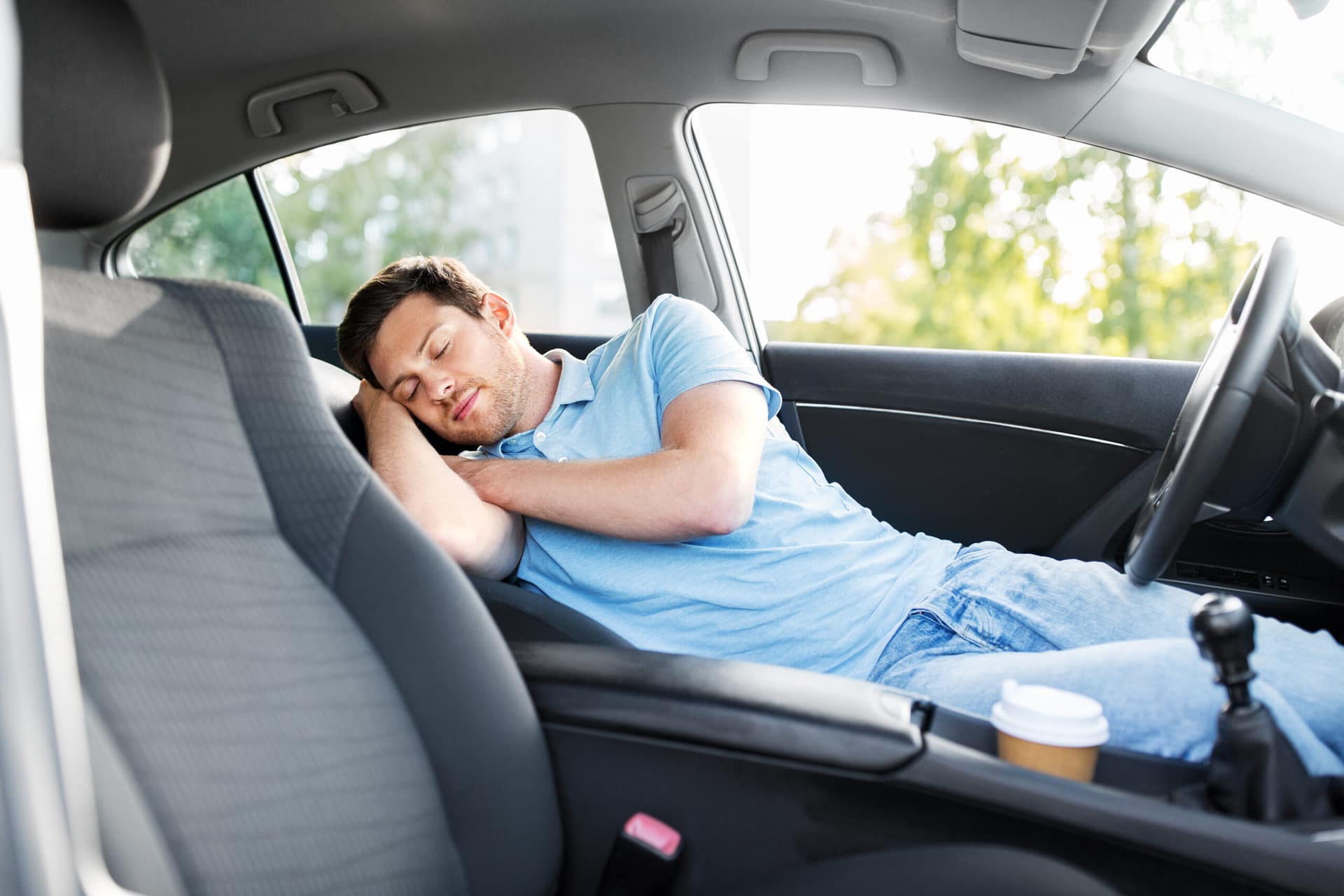
Illinois has no blanket ban on sleeping in a vehicle
Illinois law does not generally make it a statewide offense to sleep in a parked car. There is no simple rule that says every person who reclines a seat and falls asleep has committed a crime.
Still, state law controls several related issues. For example, Illinois traffic law can prohibit driving while impaired. It can also create problems when a person has actual physical control of a vehicle while under the influence, even if the vehicle is not moving.
Local governments may also regulate:
• Overnight parking
• Parking on residential streets
• Sleeping or camping in public spaces
• Parking near parks, schools, or government buildings
• Long-term vehicle storage
• Obstructing sidewalks, alleys, or traffic lanes
This is why a statewide answer cannot resolve every case. Chicago, Springfield, Rockford, Peoria, Aurora, and smaller towns may have different parking codes and enforcement practices.
The safest approach is to check the exact city or county rule, read posted signs, and ask the property owner when you are on private land.

When sleeping in your car may be legal
Sleeping in your car may be legal when all of the following are true:
• You are parked in a place that permits overnight parking.
• You are not blocking traffic, a driveway, fire lane, sidewalk, or emergency access point.
• You have permission to use the property.
• You follow posted time limits.
• You are not impaired.
• You do not create noise, trash, or a disturbance.
• You leave when an authorized person tells you to leave.
For example, a driver who becomes too tired to continue may pull into a permitted parking area and sleep for a few hours. That can be a safer choice than driving while drowsy. However, the driver should confirm that overnight parking is allowed and should not assume that every parking lot welcomes overnight guests.
Some businesses allow customers to park overnight. Others do not. Permission may be informal, written, or shown through posted rules. When in doubt, ask a manager or choose a designated campground, rest area, or paid overnight parking location.

Places where sleeping in a car can create legal trouble
Public streets
Many Illinois cities limit overnight parking by time, permit zone, snow emergency rule, or neighborhood restriction. A vehicle may be ticketed or towed even if the person inside is asleep.
A driver who sleeps on a public street should check:
• Posted parking signs
• Street cleaning schedules
• Overnight parking bans
• Snow route restrictions
• Permit requirements
• Maximum parking times
Some cities also have rules against using a vehicle as a residence or camping in public areas. These rules may be enforced differently from ordinary parking laws.
Private parking lots
Private property creates a separate concern. A store, apartment complex, hospital, or business may prohibit overnight parking. A security guard or property owner can ask you to leave.
If you remain after receiving a clear order to leave, you may face a trespass complaint under Illinois law. The risk is higher if the lot is closed, gated, marked with warning signs, or restricted to customers and tenants.
Rest areas and travel plazas
Rest areas can be useful for tired drivers, but they are not automatically unlimited camping sites. Illinois rest areas may have rules about how long vehicles can stay, whether people may set up equipment, and where commercial vehicles may park.
Before sleeping, look for:
• Maximum stay signs
• No camping notices
• Rules about tents, chairs, or outdoor cooking
• Restrictions on trailers or large vehicles
• Security instructions
A short rest inside a vehicle is different from establishing a camp. Keeping the vehicle orderly and leaving within the posted limit can reduce problems.
Parks and recreational areas
Many parks close at night or restrict vehicle access after certain hours. A person who sleeps in a car inside a closed park may be cited for violating park rules, posted hours, or a local ordinance.
Do not assume that a quiet parking lot near a lake or forest is open for overnight use. Check the park’s website, entrance signs, or ranger station first.
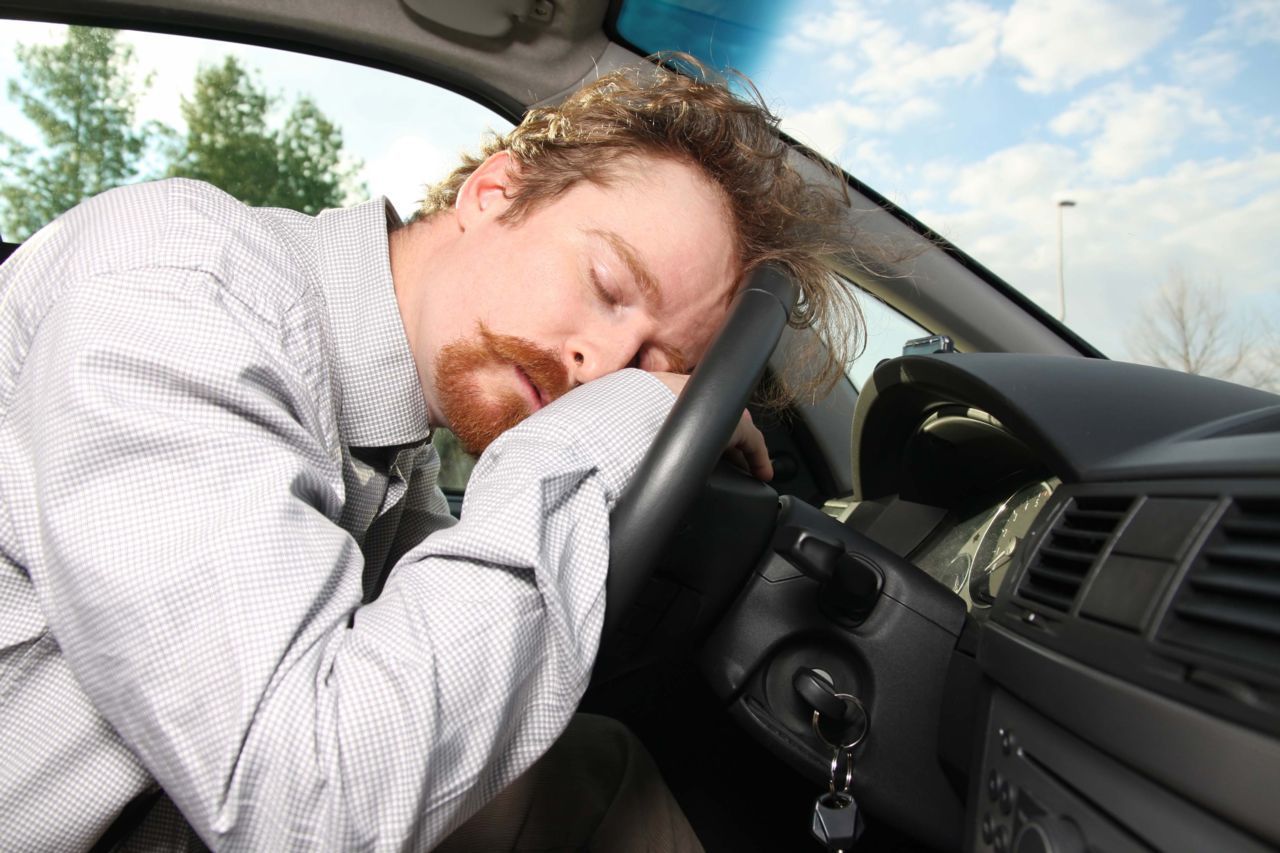
DUI and alcohol risks while sleeping in your car
The most serious concern in many cases is not the sleeping. It is impairment.
Illinois law prohibits driving under the influence of alcohol, cannabis, or other drugs. A person can face a DUI investigation if officers believe the person was in actual physical control of the vehicle while impaired. The vehicle does not always need to be moving for this issue to arise.
Facts that may increase concern include:
• The keys are in the ignition.
• The engine is running.
• The person is sitting in the driver’s seat.
• The vehicle is parked in a travel lane.
• The vehicle has recently been driven.
• The person admits driving after drinking.
• The officer sees signs of impairment.
A person who drinks in a parked car may also face local open-container or public drinking issues. The safest rule is simple: never use the driver’s seat as a place to sleep after drinking or using drugs.
If you are impaired, do not drive. Use a sober driver, taxi, rideshare service, hotel, or another safe option. If you must wait in the vehicle, do not start the engine and do not place yourself in a position that suggests you are ready to drive. These steps do not guarantee immunity from arrest, but they can reduce safety risks.
Because DUI law is fact-specific, anyone arrested or cited should speak with an Illinois criminal defense lawyer promptly.
Can police arrest you for sleeping in your car?
Police generally cannot arrest someone solely because the person is asleep in a legally parked car. An officer may still investigate if there is a safety concern, a parking violation, a welfare concern, suspected impairment, or a report of suspicious activity.
An officer may ask for identification, ask whether you are safe, or request that you move. The best response is calm and respectful. Do not argue on the roadside about the entire parking code.
You can ask:
• “Am I free to leave?”
• “Am I being detained?”
• “Where may I legally park?”
• “Am I being ordered to leave?”
Do not consent to a vehicle search if you do not want one, but do not physically resist. You can clearly say, “I do not consent to a search.” If the officer issues a lawful order, follow it and challenge the matter later through proper legal channels.
Sleeping in a car may also draw attention if the vehicle is parked in a dark area, has covered windows, or has personal items scattered around it. That does not make the conduct illegal, but it can lead to a welfare check or investigation.
How local ordinances affect the answer
Local law is one of the main reasons the answer to “is it illegal to sleep in your car in Illinois” is not the same everywhere.
A city may prohibit overnight parking on certain streets. Another city may allow it but enforce a two-hour limit. A village may ban camping in public areas, while a private business may allow customers to stay overnight with permission.
Before parking, search the official local government website for terms such as:
• Overnight parking
• Sleeping in vehicles
• Camping in vehicles
• Vehicle habitation
• Parking time limits
• Snow emergency parking
• Public nuisance
• Trespass
Avoid relying only on social media posts or old travel forums. Local rules can change, and online advice may describe a different town or a previous version of the law.
If you are in Chicago, review the city’s parking rules and posted signs carefully. If you are in another Illinois municipality, check that municipality’s code. County rules may also apply in unincorporated areas.
Practical steps for sleeping in your car legally
If you need to sleep in your vehicle, use this checklist:
Choose a lawful location. Use a designated rest area, campground, paid parking facility, or private property where overnight parking is allowed.
Read every sign. Look for time limits, permit rules, towing warnings, and no-camping language.
Ask for permission. A manager, host, or property owner may give clear approval.
Park correctly. Stay inside a marked space and keep away from fire lanes, entrances, sidewalks, and loading zones.
Keep the car safe. Lock the doors, keep valuables out of sight, and leave a clear path to the driver’s seat.
Avoid impairment. Never drink or use drugs before resting in the driver’s seat.
Keep the stay short. Do not turn a temporary rest into a long-term campsite unless the location expressly allows it.
Keep the area clean. Take all trash with you and avoid loud music, cooking, or outdoor furniture.
Leave when asked. Refusing to leave can turn a parking issue into a trespass or disorderly conduct matter.
Have a backup plan. Know where you can legally park if the first location is full or closed.
A sunshade, charged phone, water, and weather-appropriate clothing can make a short rest safer. In winter, never run the engine in an enclosed space, and make sure snow does not block the exhaust pipe.
Common mistakes to avoid
Many legal problems begin with small assumptions. People often think that an empty lot is public, that a business will not care, or that a running engine makes the vehicle safer. Those assumptions can be costly.
Avoid these mistakes:
• Sleeping in a marked “no overnight parking” area
• Staying beyond the posted time limit
• Parking in a fire lane or accessible space without authorization
• Leaving the engine running for hours
• Sleeping in the driver’s seat after drinking
• Setting up a tent, grill, or bedding outside the vehicle
• Ignoring a security guard or police request to move
• Blocking a driveway, road, or emergency entrance
• Leaving trash or personal belongings around the vehicle
• Assuming one town’s rules apply throughout Illinois
One practical lesson is worth remembering: privacy does not equal permission. A quiet location may still be private property or subject to strict local rules.
Sleeping in your car during an emergency
Emergencies can change the practical response, but they do not erase every parking rule. Extreme weather, exhaustion, a vehicle breakdown, or a medical concern may explain why someone is sleeping in a car.
If you are stranded:
• Turn on hazard lights only when needed and safe.
• Call roadside assistance or emergency services if you face immediate danger.
• Move to a well-lit location if possible.
• Tell an officer or security worker that you are too tired or unsafe to drive.
• Ask where you can legally wait.
• Do not drive on an icy road or while impaired.
Law enforcement often prioritizes safety when a driver is clearly trying to avoid danger. Still, the best outcome depends on the facts and the officer’s response. Explaining the situation calmly is better than ignoring signs or refusing reasonable instructions.
If you are experiencing homelessness, Illinois communities may offer shelters, warming centers, outreach programs, and emergency housing assistance. Calling 211 can help connect you with local services in many areas.
What penalties could apply?
The penalty depends on the conduct, not simply on the fact that someone was asleep.
Possible consequences include:
• A parking ticket
• A municipal citation
• Towing or impound fees
• A trespass complaint
• A disorderly conduct charge
• A DUI arrest
• Fines or court costs
• Loss of driving privileges in a DUI case
A parking ticket may be minor compared with the cost of a tow. A DUI case can be far more serious and may involve court appearances, fines, license consequences, insurance problems, and possible jail exposure.
The exact penalty depends on the city, the statute, the person’s record, and the facts at the scene. This article provides general information, not legal advice for a specific case.
What to do if an officer wakes you
Stay calm and keep your hands visible. Do not make sudden movements toward the glove box, center console, or floor.
You can provide basic identifying information when legally required. You can also ask whether you are free to leave and whether the officer is giving you a lawful order to move.
Helpful steps include:
• Speak politely.
• Do not volunteer unnecessary details.
• Do not lie about where you have been.
• Do not physically resist.
• State clearly if you do not consent to a search.
• Write down the location, time, and what happened afterward.
If you receive a ticket or citation, do not ignore it. Read the instructions and meet the response deadline. If the officer suspects DUI, contact a qualified Illinois attorney before making detailed statements about alcohol, drugs, or driving.
PAA-style answers about sleeping in a car in Illinois
Is it illegal to sleep in your car overnight in Illinois?
Not automatically. Overnight sleeping may be lawful if you are parked where overnight parking is allowed and you follow local rules, posted signs, and property-owner instructions.
Can you sleep in your car at an Illinois rest area?
It may be allowed for a limited rest period, but rest areas can have time limits and no-camping rules. Check the signs at the specific rest area and avoid setting up an outdoor campsite.
Can you get a DUI while sleeping in your car in Illinois?
Possibly. Illinois DUI law can apply when a person is in actual physical control of a vehicle while impaired, even if the vehicle is not moving. The location of the keys, the engine, the driver’s seat, and other facts may matter.
Frequently Asked Questions
Is it illegal to sleep in your car in Illinois on a public street?
Not always, but public streets may have time limits, permit rules, overnight bans, or local restrictions on vehicle habitation. Check the signs and municipal code before staying overnight.
Can police make me leave if I am sleeping in my car?
Police or property owners may order you to leave when you are trespassing, violating parking rules, creating a safety concern, or staying on private property without permission. Follow lawful instructions and address any dispute later through the proper process.
Is it safer to sleep in the back seat?
Using the back seat may reduce the appearance that you are preparing to drive, but it does not automatically eliminate DUI risk. Do not sleep in the vehicle after drinking or drug use, and do not assume changing seats makes unlawful conduct legal.
Can I sleep in my car in a Walmart or grocery store parking lot?
Only if the property owner allows it and local rules do not prohibit it. Many stores have their own overnight policies, so ask a manager instead of relying on assumptions from another location.
Can I sleep in my car at an Illinois welcome center?
A welcome center may allow short rest periods, but posted rules and operating policies control. Do not treat a welcome center as a permanent campsite, and leave if the signs or staff require it.
What should I do if I receive a ticket for sleeping in my car?
Read the ticket carefully and follow the listed court or payment deadline. If the ticket involves DUI, trespass, or another criminal charge, speak with an Illinois lawyer before appearing or making statements.
Conclusion
So, is it illegal to sleep in your car in Illinois? Usually, sleeping itself is not automatically illegal, but the location, parking rules, property permission, length of stay, and your condition can change the answer.
Choose a lawful place, read the signs, avoid alcohol and drugs, keep the area quiet, and leave when asked. If you are unsure, contact the local police department, city clerk, property manager, or an Illinois attorney before spending the night. Use this guide as a starting point, then verify the current rules for the exact place where you plan to park.