

Yes. Cars are selling in the United States, but demand, prices, and selling times vary by vehicle and location. A clean, well-priced car may attract buyers quickly, while an uncommon model, a high asking price, or a loan balance above the car’s value can make a sale harder.
The latest figures cited here are historical benchmarks, not a live reading of this month’s sales or local inventory. Use the steps below to check your market before setting a price or making a deal.

What “cars are selling” can mean
The question can refer to two different things: whether dealers are selling new and used cars, or whether it is a good time for an owner to sell a car. The answer to both is yes, but a busy market does not guarantee that every car will sell fast or at the price its owner wants.
National sales figures show broad activity. Your car’s age, mileage, condition, price, and local supply matter more when you are deciding what to do with one specific vehicle.
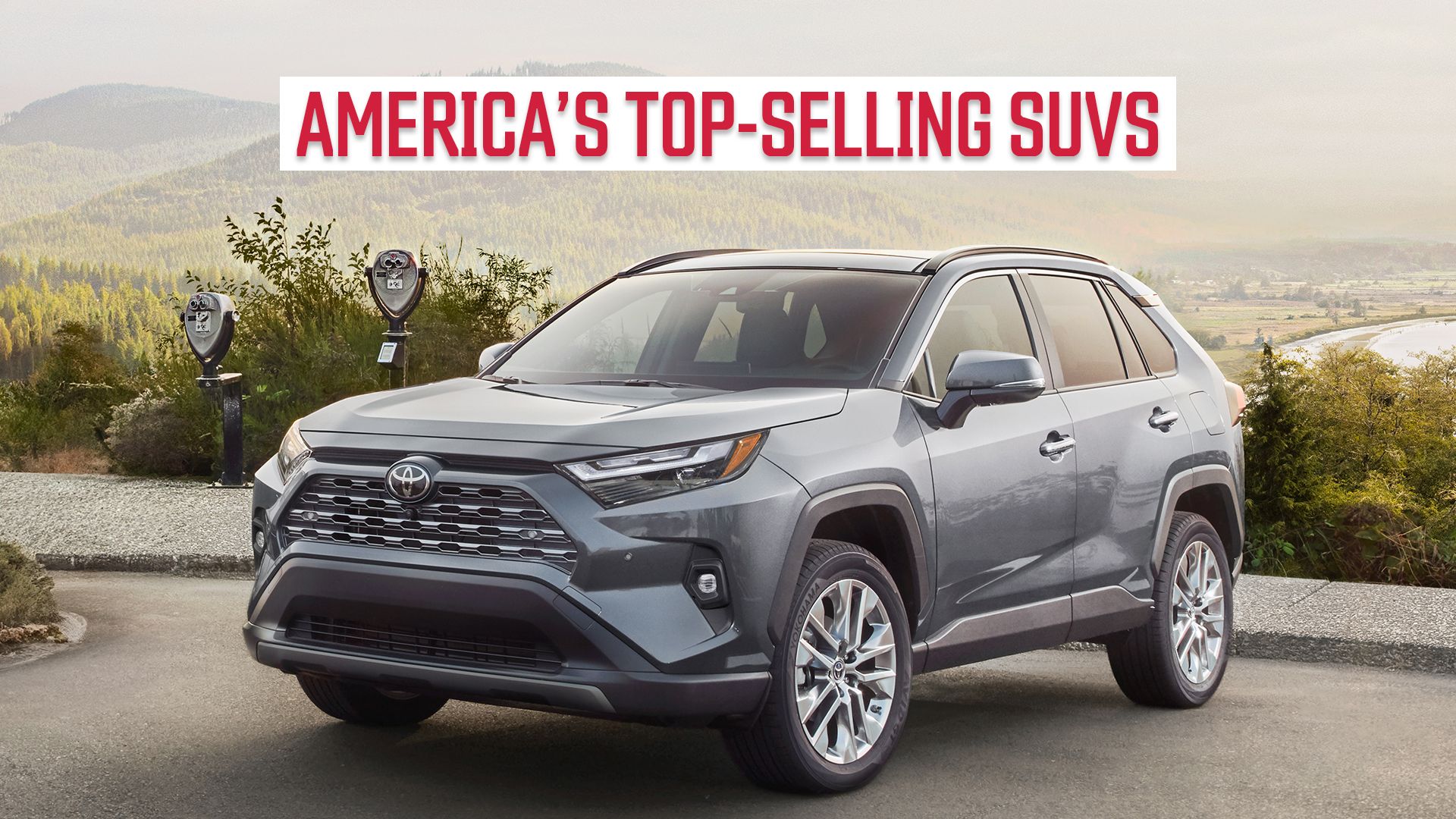
What the U.S. sales data can—and can’t—tell you
U.S. sales reports can show whether the market is active, but they cannot tell you exactly what your car will sell for in your town. For that, you need current prices and offers for similar cars nearby.
Cox Automotive estimated that U.S. new-vehicle sales reached about 15.5 million in 2023 and forecast about 15.7 million for 2024. Those figures show a large, active market at that time; the 2024 figure was a forecast, not a confirmed result. They should not be treated as a measure of today’s sales pace. See Cox Automotive’s market insights.
For a current national measure, the Federal Reserve Bank of St. Louis’ FRED series for total vehicle sales tracks monthly U.S. vehicle sales at a seasonally adjusted annual rate. That rate helps show the direction of the market. It is not a count of how many cars sold in the latest month, and it does not show local demand for a particular model.
A national trend is a starting point, not a price guide. If you are selling, local listings and firm offers provide more useful evidence.

What affects how fast your car may sell?
A car is more likely to sell quickly when buyers see a fair price, clear records, and no major surprises. Even in a strong market, a high price or poor presentation can leave a car sitting unsold.
The main factors are:
- Price: Buyers can compare similar cars online. A price well above local alternatives may reduce interest.
- Condition: Mechanical problems, warning lights, worn tires, or visible damage can lead to lower offers or lost buyers.
- Mileage and age: Buyers often weigh these against the car’s service history and expected repair costs.
- Model and features: Demand can differ by body type, fuel type, trim, and equipment. A popular vehicle in one area may be less sought after in another.
- Local supply: Many similar cars for sale can give buyers more choices. Few close matches may make yours stand out.
- Selling method: A dealer trade-in is usually simpler, while a private sale may bring more money but takes more time and effort.
These factors work together. A well-kept car with higher mileage may appeal to buyers if it is priced fairly and has good records. A low-mileage car may still be hard to sell if it needs major work or costs much more than similar listings.

Is now a good time to sell your car?
It can be a good time to sell if the likely amount you will receive meets your needs. There is no single best month or market condition that guarantees a high price for every car.
Start by checking what similar cars are listed for in your area. Compare the year, make, model, trim, mileage, condition, and title status. Asking prices are not confirmed sale prices, so also get firm offers from dealers or online buyers before deciding.
Then compare the money you would keep, not just the headline price:
Estimated money after sale = offer or sale price − loan payoff − selling costs
For example, if a dealer offers $18,000, your loan payoff is $12,500, and you expect $300 in costs, you would have about $5,200 left. This is a hypothetical calculation; your actual payoff and costs may differ.
If your payoff is higher than the sale price, you have negative equity. You may need to pay the difference to clear the loan, or ask the lender and buyer how they handle the payoff. Do not hand over the car or title based only on a buyer’s promise to pay your lender later.

How to check your local market before you sell
Use these steps to replace guesswork with current information:
- Gather your car’s details. Write down the year, make, model, trim, mileage, key options, condition, and any warning lights. Check whether the title is clear or a lender still holds a lien.
- Compare similar local listings. Look for cars with a close match in year, trim, mileage, and condition. Treat asking prices as clues, not proof of what buyers will pay.
- Get more than one firm offer. Ask several dealers or car-buying services for offers. Share the same details with each one, and ask whether the offer can change after an inspection.
- Compare the net amount and effort. A private sale may bring in more, but it can require more time, messages, showings, and paperwork. A dealer offer may be lower but easier to complete.
- Set a price based on the evidence. If you want to sell soon, price against similar cars that are in good shape and realistically priced. If you can wait, you may choose a higher asking price, but be ready to adjust if buyers do not respond.
If the car does not attract serious interest, check the basics first: price, photos, description, and whether your listing reaches local buyers. If buyers inspect it but keep lowering their offers, consider getting a mechanic’s inspection or updating the listing to disclose issues clearly.

Private sale, trade-in, or online buyer?
The best route depends on how much time you have and how much work you are willing to do. Compare the amount you will keep with the time, risk, and effort each option requires.
| Selling method | Main advantage | Main trade-off |
|---|---|---|
| Private sale | You set the asking price and may receive more than a trade-in offer | You handle inquiries, viewings, payment, and transfer paperwork |
| Dealer trade-in | The dealer can apply the trade value to another vehicle purchase | The offer may be lower than a strong private-sale price |
| Online car buyer | You can request an offer without managing a full private sale | The final offer may change after inspection, and terms vary by buyer |
A trade-in can also reduce the amount you need to pay for another car, but compare the trade-in value with the price of the new vehicle. A high trade offer does not always mean the overall deal is good if the purchase price or fees are also high.
Before accepting any offer, ask what could change the amount, when you will be paid, and who will handle any loan payoff. Read the final paperwork before signing.

Common mistakes when selling a car
Small errors can slow a sale or reduce the amount you keep. Avoid these common problems:
- Pricing from one listing: One car may have different mileage, condition, or options. Compare several close matches.
- Treating a listing price as a sale price: An asking price shows what a seller wants, not what a buyer paid.
- Ignoring the payoff amount: Contact your lender for a current payoff quote. The balance on a monthly statement may not include all costs needed to close the loan.
- Hiding known problems: Disclose issues and keep repair records. A buyer may find a problem during an inspection, which can harm trust or end the deal.
- Accepting unclear payment: Confirm that funds have cleared before handing over the vehicle. Be careful with overpayments, requests to refund part of a payment, or pressure to ship the car.
- Skipping title and transfer steps: Follow your state’s rules for the title, bill of sale, plates, and notice of sale. State motor vehicle agencies set the specific process.
For a private sale, arrange viewings in a safe public place when possible. Go with another person, and do not share sensitive personal or financial information unless it is needed to complete the sale.

Key takeaways
- Yes, cars are selling in the United States, but national activity does not predict how quickly one specific car will sell.
- Your car’s price, condition, mileage, model, and local competition affect buyer interest.
- Compare similar local listings, then get multiple firm offers.
- Focus on the amount you will keep after the loan payoff and selling costs.
- Use state rules and safe payment practices for any private sale.
FAQs
Are used cars selling right now?
Used cars do sell, but demand and prices vary by model, age, condition, and area. Compare similar local cars and get firm offers to judge demand for yours.
How long does it take to sell a car?
There is no fixed timeline. A competitively priced car with clear records may draw interest sooner than one priced above similar listings or in need of repairs. Track serious inquiries and adjust the price or listing if interest is weak.
Is it better to sell a car privately or trade it in?
A private sale may bring in more money, but you handle the buyer, payment, and paperwork. A trade-in is often simpler. Compare written offers and the total cost of your next purchase before choosing.
Should I fix my car before selling it?
Not always. Ask for repair estimates and compare them with the likely change in offers. Low-cost fixes may help, but a major repair may cost more than it adds to the car’s sale value. Disclose known issues either way.
Can I sell a car if I still owe money on it?
Often, yes, but the loan must be paid off as part of the sale. Contact your lender for the payoff amount and ask how the title or lien will be released. If the sale price is below the payoff, you must plan how to cover the difference.
Conclusion
Cars are selling, but “right now” is not the same as “at any price.” Check current local listings, compare several firm offers, and calculate what you will keep after any loan payoff and costs. That gives you a clearer answer than national sales figures alone.