
Usually, a dealership cannot take your car back after signing, but important exceptions may apply.
The answer depends on whether the contract is complete, whether financing was approved, and what your state law says. This guide explains when a dealer may cancel a deal, what “spot delivery” means, and what steps to take if the dealership asks for the car back.
Can a dealership take your car back after you signed a contract?
In most cases, a dealership cannot simply take back a vehicle after you sign a valid purchase contract and complete the required steps. A signed contract usually creates legal duties for both sides. You must make the payments, and the dealer must honor the sale.
However, signing papers does not always mean the deal is fully finished. The contract may depend on loan approval, proof of income, proof of insurance, a trade-in payoff, or other conditions.
Whether can dealership take car back after you signed contract depends mainly on these factors:
• Whether the purchase contract is fully executed
• Whether the financing is final
• Whether the vehicle was delivered
• Whether the contract includes a conditional delivery clause
• Whether fraud or a major mistake occurred
• Whether you have a legal cancellation right in your state
A dealer cannot usually cancel a deal just because the vehicle became more valuable or the dealer found another buyer. A valid contract is not a casual promise. It works more like a locked door: someone may open it only if the agreement or the law gives them a key.
Why would a dealership ask for the car back?
The most common reason is that financing was not final when you drove away. This is often called spot delivery, conditional delivery, or “yo-yo financing.”
The dealer may let you take the car while it sends your application to banks or finance companies. If the lender rejects the loan or offers different terms, the dealer may ask you to sign a new contract or return the vehicle.
Other possible reasons include:
• The buyer gave false information on the credit application
• The buyer used fake income documents
• The trade-in title was missing or defective
• The buyer failed to provide required insurance
• The check or down payment did not clear
• The dealer made a serious paperwork error
• The contract clearly allowed cancellation before final approval
• The vehicle was obtained through identity theft or fraud
A dealer may also contact you because the trade-in has a loan balance that is higher than expected. This issue does not always cancel the sale, but it can delay funding or create a dispute over the contract.
When people ask, can dealership take car back after you signed contract, they often mean this financing problem. The key question is not only whether you signed. It is whether the lender accepted the exact deal and whether the contract says the sale is conditional.
What is spot delivery or yo-yo financing?
Spot delivery happens when a dealer delivers a car before a lender gives final approval. The dealer may expect approval based on your credit profile, income, and down payment. But an expectation is not the same as a completed loan.
For example, you sign documents for a $28,000 vehicle with a $3,000 down payment. You drive home that day. Two days later, the dealer says the bank will not accept the loan at the original interest rate. The dealer may ask you to:
• Pay a larger down payment
• Accept a higher interest rate
• Choose a cheaper vehicle
• Add a co-signer
• Return the vehicle
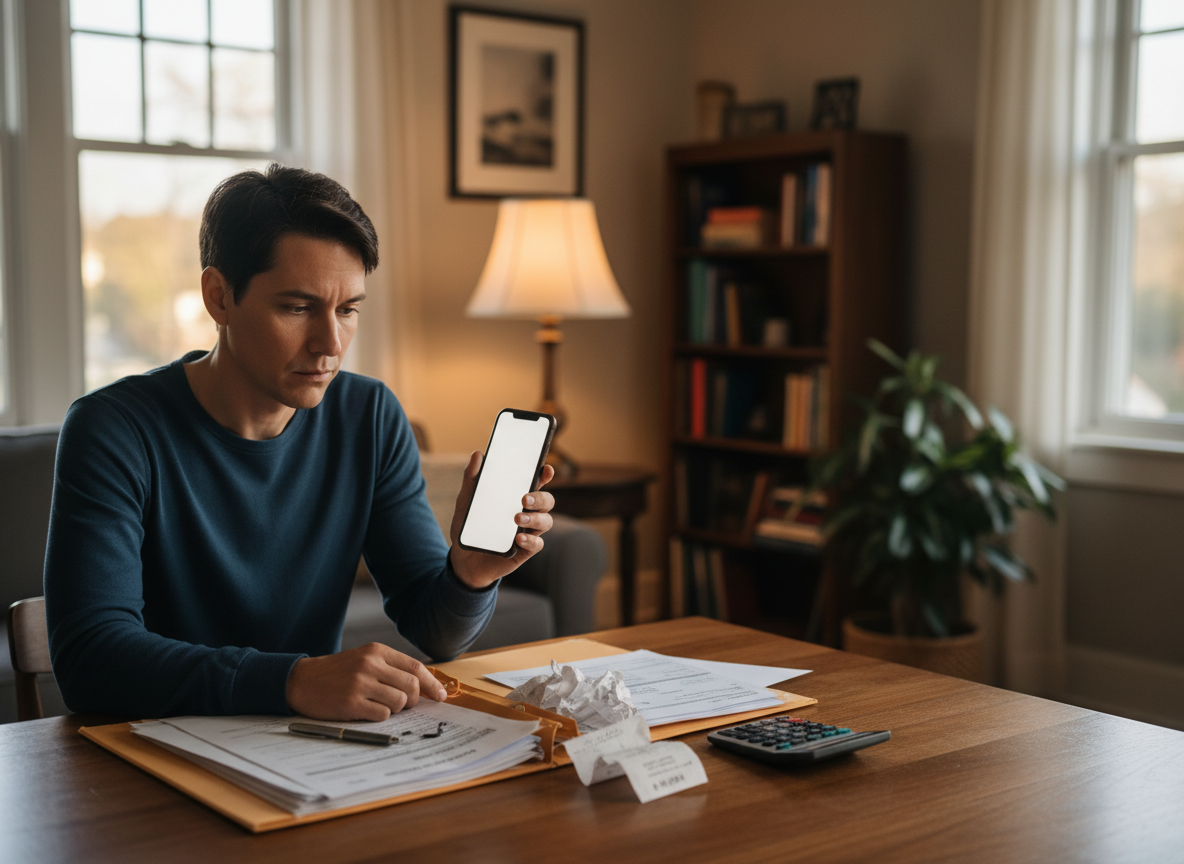
This situation can feel like the rug was pulled out from under you. Read the contract before reacting. Some agreements state that delivery is conditional on financing approval. Others say the dealer cannot change the terms after delivery.
The dealer should not mislead you about whether financing is complete. Consumer protection rules may apply if the dealer represented that the loan was final while secretly treating it as temporary.
A useful lesson is to ask direct questions before leaving the lot:
• Has the lender approved this exact contract?
• Is the financing final or conditional?
• Can the dealer change the interest rate later?
• What happens if a lender rejects the application?
• Does the contract give me a cancellation right?
If the salesperson will not answer clearly, ask for the finance manager to explain the terms in writing.

Does a signed contract always make the sale final?
No. A signature is important, but the entire document matters. A contract can contain conditions, deadlines, disclosures, and cancellation clauses.
Look for language such as:
• “Subject to lender approval”
• “Conditional delivery”
• “Contingent upon financing”
• “Dealer may cancel if financing is unavailable”
• “This agreement is not binding until accepted by the lender”
• “Buyer agrees to return the vehicle upon request”
A contract may include more than one document. Common papers include the buyer’s order, retail installment sales contract, odometer statement, title application, warranty forms, and arbitration agreement.
The retail installment sales contract is especially important when you finance the vehicle. It often identifies the annual percentage rate, finance charge, payment amount, number of payments, lender, and whether the dealer may assign the contract.
When asking can dealership take car back after you signed contract, review every page rather than relying on a salesperson’s verbal promise. If a verbal statement conflicts with the written contract, proving the statement later may be difficult.
Take photos or copies of all paperwork. Keep texts, emails, voicemails, and receipts. These records can show what the dealer promised and when each event happened.

Does the buyer have a three-day right to cancel a car purchase?
Usually, no. Many people believe that every purchase has a three-day cooling-off period. That is not generally true for cars bought at a dealership.
The federal Cooling-Off Rule normally covers certain sales made at your home or another temporary location. It generally does not cover ordinary vehicle purchases made at a dealer’s regular business location.
Some states provide limited cancellation rights for specific vehicle deals. These rules vary. They may apply to used cars, high-cost loans, dealer misrepresentation, or contracts with a written cancellation option.
A dealer may also offer a voluntary return policy. That policy is different from a legal right. Read the time limit, mileage limit, restocking fee, and condition requirements.
Before signing, ask whether the contract includes a return period. If the dealer says you can return the vehicle, get that promise in writing. A statement such as “you can bring it back if you change your mind” may not protect you unless it appears in the agreement.
So, can dealership take car back after you signed contract because you changed your mind? Usually, not unless the contract or state law gives you that right. The same rule often applies to the buyer: you may not be able to cancel just because you regret the purchase.
When can a dealer legally take the car back?
A dealer may have a legal basis to recover the vehicle in several situations. The exact rule depends on your state and the contract language.
Financing was not approved
If the contract clearly says the deal depends on financing, the dealer may be able to cancel or renegotiate when no lender accepts the deal.
The dealer should explain the reason in writing. Ask for the lender’s rejection notice or the specific contract clause that permits the change.
The payment did not clear
If your down payment was made by a bad check or a payment was reversed, the dealer may have remedies under the contract and state law. That does not always mean the dealer can immediately seize the car.
The buyer used fraud
False income information, fake identification, or forged documents can make a transaction voidable. Fraud can also expose the buyer to civil or criminal consequences.
The contract was conditional
A conditional delivery clause may allow the dealer to cancel before financing becomes final. Read the clause carefully. Some provisions protect the buyer from changes, while others give the dealer broad rights.
The buyer breached the agreement
A buyer may breach the contract by failing to provide required documents, refusing to insure the vehicle, or failing to make payments. If a lender has a security interest, repossession rules usually apply after default.
The dealer made a serious mistake
A court may provide remedies for a major clerical error, mistaken vehicle identification, or other serious mistake. Minor paperwork errors do not automatically erase a signed contract.
In each situation, can dealership take car back after you signed contract is a legal question based on facts, not a simple yes-or-no rule.

Can a dealership repossess a car after a contract is signed?
A dealer usually does not have the same rights as a lender once the retail installment contract has been assigned. The finance company or bank may become the lienholder and security-interest holder.
If you stop making payments, the lender may have the right to repossess the vehicle under the loan agreement and state law. Repossession rules often restrict threats, violence, trespass, and breaches of the peace.
A dealer should not simply send employees to take the vehicle without a legal basis. If the sale was canceled under a valid contract clause, the dealer may request voluntary return or pursue legal remedies. The proper process varies by state.
Do not hide, sell, or damage the vehicle. Those actions can make the dispute worse. Instead:
Ask who currently owns the loan.
Request written proof of the alleged default or cancellation.
Keep making undisputed payments when possible.
Contact the lender listed on your contract.
Speak with a consumer attorney if the dealer threatens immediate action.
A major warning sign is a dealer demanding the car back while refusing to show the contract language or financing status. Stay calm and ask for documents.

What should you do if the dealer wants the car back?
Treat the request seriously, but do not panic or agree to new terms on the spot. First, determine why the dealer wants the vehicle.
Use this practical checklist:
Ask for the reason in writing.
Request a complete copy of every signed document.
Check whether the contract says financing is conditional.
Contact the bank or finance company directly.
Ask whether the loan was approved on the exact terms you signed.
Record the names, dates, and details of every conversation.
Do not sign a new contract until you compare it with the old one.
Ask whether returning the vehicle ends all obligations.
Confirm what happens to your down payment and trade-in.
Contact your state attorney general or motor vehicle agency if needed.
If you return the vehicle, ask for a signed receipt that states the vehicle’s condition, mileage, and whether the return resolves the contract. Never assume that handing over the keys automatically cancels the debt.
If you keep the vehicle, continue to follow the contract unless a lawyer advises otherwise. Missing payments can create a separate default problem.
In real consumer disputes, the biggest mistake is acting from pressure. A salesperson may say, “Bring it back today or we will report it stolen.” That statement may be inaccurate and intimidating. Ask for the demand in writing and seek legal help before surrendering the car.

What happens to your trade-in if the deal is canceled?
A canceled transaction should address the trade-in clearly. If you gave the dealer your old vehicle, ask whether it is still on the lot, has been sold, or has been sent to auction.
If the trade-in still exists, request its return in the same condition, subject to lawful deductions or agreed terms. If the dealer sold it, the dispute may become more complex.
You also need to check the old loan. Many dealers promise to pay off a trade-in loan, but the payoff can take time. Contact your previous lender and confirm that the account is being paid.
If the dealer never pays the old loan, missed payments could harm your credit. Keep proof of the trade-in value, payoff amount, and any promise made by the dealer.
Ask these questions before accepting a cancellation:
• Will my trade-in be returned?
• Who pays for mileage or damage?
• Will my down payment be refunded?
• Who pays taxes, registration, and dealer fees?
• Does the cancellation release me from every obligation?
• Will the dealer report anything to a credit bureau?
The phrase can dealership take car back after you signed contract often hides a second issue: what happens to the buyer’s old vehicle and existing loan. Protect both transactions, not only the new car purchase.

How state law may change the answer
Car sales law is not identical across the United States. State statutes may control dealer licensing, contract disclosures, title transfers, repossession, unfair trade practices, and cancellation rights.
For example, one state may require certain used-car disclosures while another may not. One state may regulate conditional financing more strictly than another. Some states also provide special protections for military members, older consumers, or buyers of high-cost vehicles.
Federal law may also apply. The Truth in Lending Act requires important credit cost disclosures. The Equal Credit Opportunity Act restricts certain forms of lending discrimination. State unfair and deceptive acts laws may apply when a dealer lies or hides material terms.
These laws do not guarantee that a buyer wins every dispute. They do provide possible remedies when a dealer violates a disclosure rule, uses deceptive conduct, or ignores the contract.
Because can dealership take car back after you signed contract is state-specific, consider these sources of help:
• Your state attorney general’s consumer protection office
• Your state motor vehicle dealer licensing agency
• The Consumer Financial Protection Bureau for finance complaints
• A licensed consumer protection attorney
• A local legal aid office, if you qualify
A complaint may help create a record, but it may not stop an immediate repossession or lawsuit. For urgent cases, legal advice is often more useful than waiting for an agency response.
Common mistakes buyers should avoid
Many vehicle disputes become harder because the buyer reacts quickly. Avoid these common errors:
• Assuming a signature always makes the deal final
• Assuming every car purchase has a three-day return right
• Trusting a promise that is not written down
• Signing a second contract without comparing terms
• Ignoring calls from the lender
• Stopping payments without legal advice
• Returning the car without a written release
• Allowing the dealer to keep personal property in the vehicle
• Failing to check the trade-in loan
• Deleting texts, emails, or voicemail messages
A practical lesson is simple: paperwork beats memory. People often remember the salesperson saying, “You are approved,” but the written contract may say, “Subject to lender approval.”
Before leaving the lot, circle unclear terms and ask questions. You do not need to be rude or suspicious. You simply need enough time to understand what you are signing.
If the dealer refuses to let you read the paperwork, walk away if you can. A rushed deal can become an expensive legal puzzle later.
How to protect yourself before signing
The best time to prevent a dispute is before you drive away. Preparation gives you leverage and reduces confusion.
Use these steps:
Get preapproved by a bank or credit union.
Compare the preapproval with the dealer’s loan offer.
Confirm the annual percentage rate and total finance charge.
Ask whether financing is final.
Read the conditional delivery section.
Confirm the down payment and trade-in value.
Review add-ons, warranties, and service contracts.
Check the vehicle identification number.
Get copies of every signed document.
Ask for a written return or cancellation policy.
Preapproval does not guarantee that the dealer will accept every term, but it gives you a backup. It also makes it easier to recognize an inflated interest rate or unwanted add-on.
Do not focus only on the monthly payment. A low payment can result from a longer loan term and a higher total cost. Compare the amount financed, interest rate, finance charge, and total of payments.
This preparation can prevent the question can dealership take car back after you signed contract from becoming an emergency.
Frequently Asked Questions
Can a dealership take back a car after I signed the papers?
Usually, not without a legal or contractual reason. The dealer may have rights if financing was conditional, the buyer committed fraud, payment failed, or the contract allowed cancellation.
Can I return a car if I changed my mind?
Usually, there is no automatic three-day cancellation period for a car bought at a dealership. You may return it only if the contract, dealer policy, or state law gives you that option.
What is yo-yo financing?
Yo-yo financing occurs when a dealer delivers a vehicle before the lender gives final approval. The dealer later asks the buyer to accept new terms or return the car.
Should I give the car back if the dealer demands it?
Do not surrender the vehicle without understanding your rights and getting the request in writing. Ask whether the return ends the contract, refunds your money, and resolves the trade-in and loan.
Can a dealer change the interest rate after I leave?
The answer depends on the financing documents and whether the loan was final. If the contract makes approval conditional, the dealer may have limited rights to seek different terms.
What if the dealer threatens to report the car stolen?
Ask for the demand in writing and avoid making false statements. A contract dispute is not automatically a theft case, but you should contact a consumer attorney quickly if the threat continues.
Who can help with a dealership contract dispute?
A state attorney general, motor vehicle regulator, consumer protection lawyer, legal aid office, or the lender may help. Bring the signed contract, payment records, messages, and a timeline of events.
Conclusion
A dealership usually cannot take your car back simply because you signed a contract and later became inconvenient to the dealer. Still, conditional financing, fraud, failed payments, contract clauses, and state law can change the result.
Read the entire agreement, confirm whether financing is final, keep every document, and ask for written proof before returning the vehicle or signing new terms. If the dealer pressures or threatens you, get advice from a qualified consumer attorney or your state consumer protection agency.
Knowing your rights is the best way to stay calm and make a smart choice. Review your paperwork today, and share your experience or questions with a trusted consumer resource.