
How To Clean Car After Driving In Flood Water: Fast Cleanup
Remove water, dry fully, disinfect, and inspect electronics immediately to prevent damage and mold.
I have cleaned dozens of cars soaked by storms and roadside floods, so I know how scary it feels to see water creeping into your vehicle. This step-by-step guide on How to clean car after driving in flood water walks you through safe, practical actions you can take right away and over the following days. Read on for clear checklists, safety warnings, repair and fluid advice, and pro tips to save time and money.
Why flood water is dangerous for cars
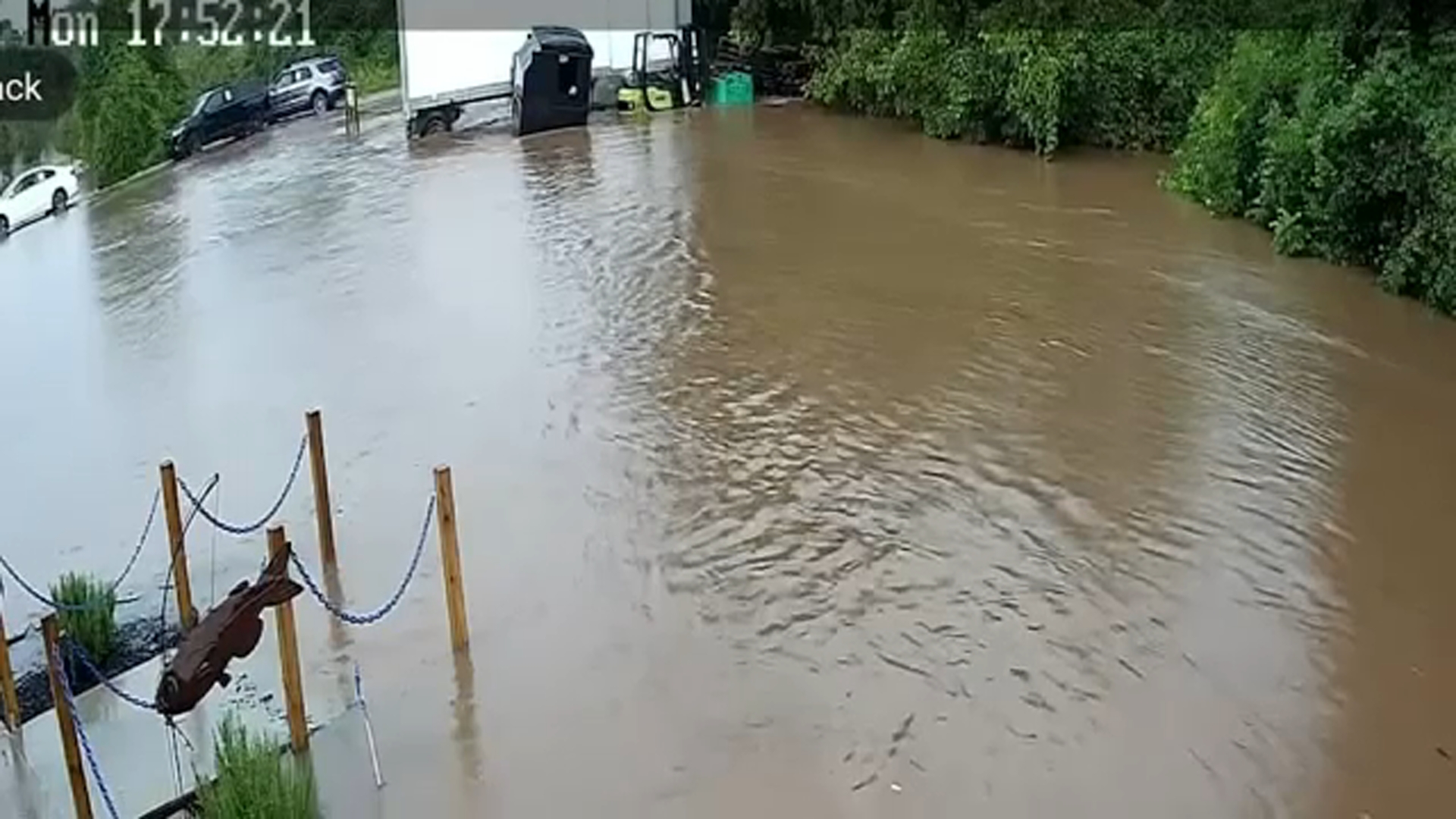
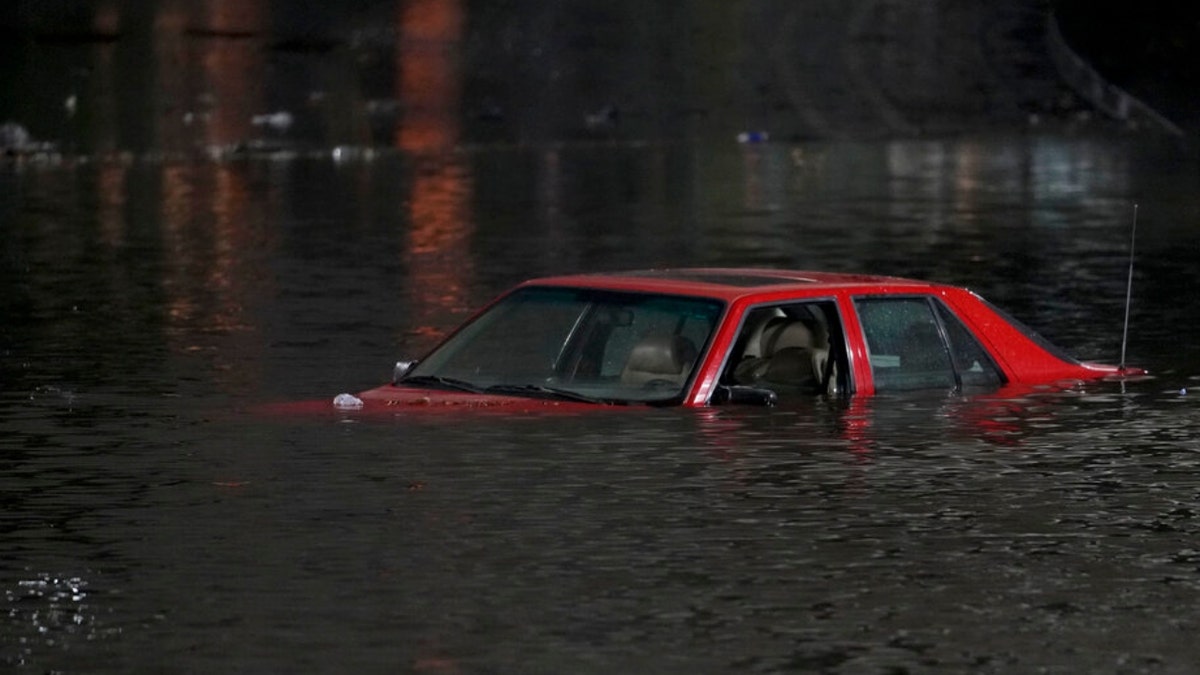
Flood water is not just water. It often contains dirt, sewage, chemicals, and debris that can harm metal, fabric, and electronics. Knowing how to clean car after driving in flood water reduces the risk of rust, corrosion, mold, and failed sensors. Early action is the difference between a fixable cleanup and expensive repairs.
Immediate safety and first steps after driving through flood water
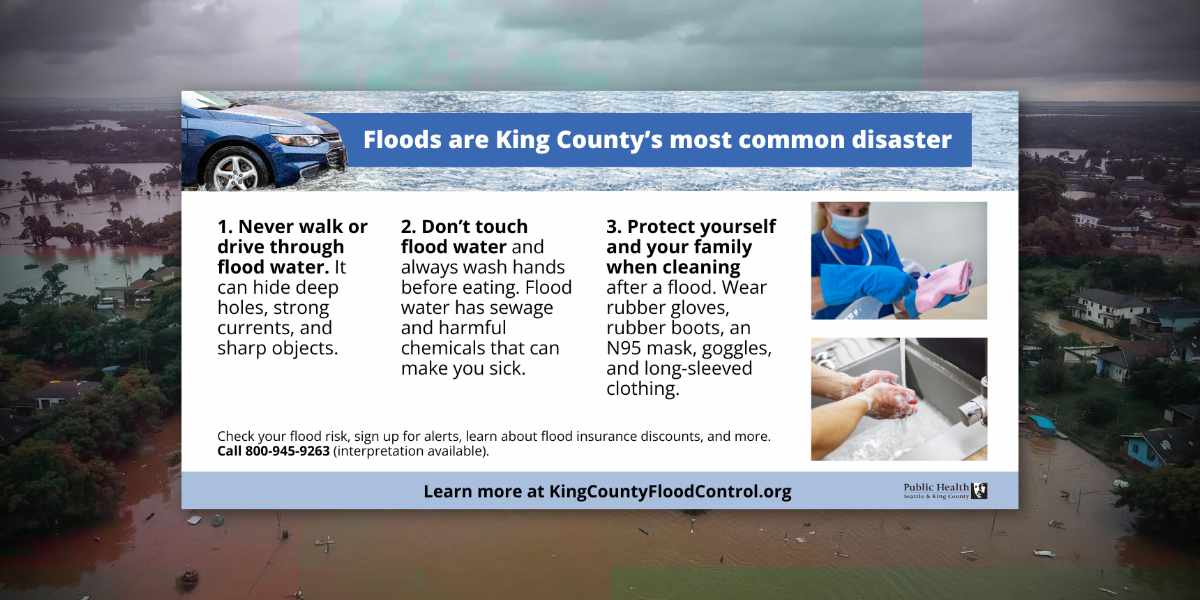
- Stop in a safe place and turn off the engine if you suspect water entered the intake or cabin. Do not restart the car if it stalled in deep water.
- Take photos of water lines and damage for insurance. This helps document the condition right away.
- Remove people and pets. Prioritize safety over saving the vehicle.
- Disconnect the battery if the interior is soaked to reduce short-circuit risk. Wear gloves and use insulated tools if possible.
Tools and supplies you'll need
- Shop vacuum with wet function. For fast water removal from carpets and upholstery.
- Moisture absorber packs and a dehumidifier. For steady drying over days.
- Microfiber towels and scrub brushes. Gentle cleaning without scratching.
- Mild detergent, disinfectant safe for fabrics, and a rust inhibitor. To clean and protect surfaces.
- Plastic bags and labels. To store wet items and track what you removed.
Step-by-step: interior cleaning and drying
- Remove standing water quickly using a wet vacuum. Do this within hours if you can to limit mold growth.
- Pull out floor mats, seat covers, and any removable trim. Shake off mud and rinse with clean water.
- Lift carpets and padding if soaked. Replace padding if it remains wet or smelled bad after drying.
- Clean fabric and vinyl with a mild detergent and a disinfectant. This reduces bacteria and odors.
- Dry the cabin with high-volume fans and a dehumidifier. Leave doors and trunk open when safe and dry for several days.
- Check headliner and electrical switches for moisture. Replace or repair wet wiring and modules if needed.
How to clean car after driving in flood water means treating the interior as contaminated. Act fast to stop mold and permanent staining.
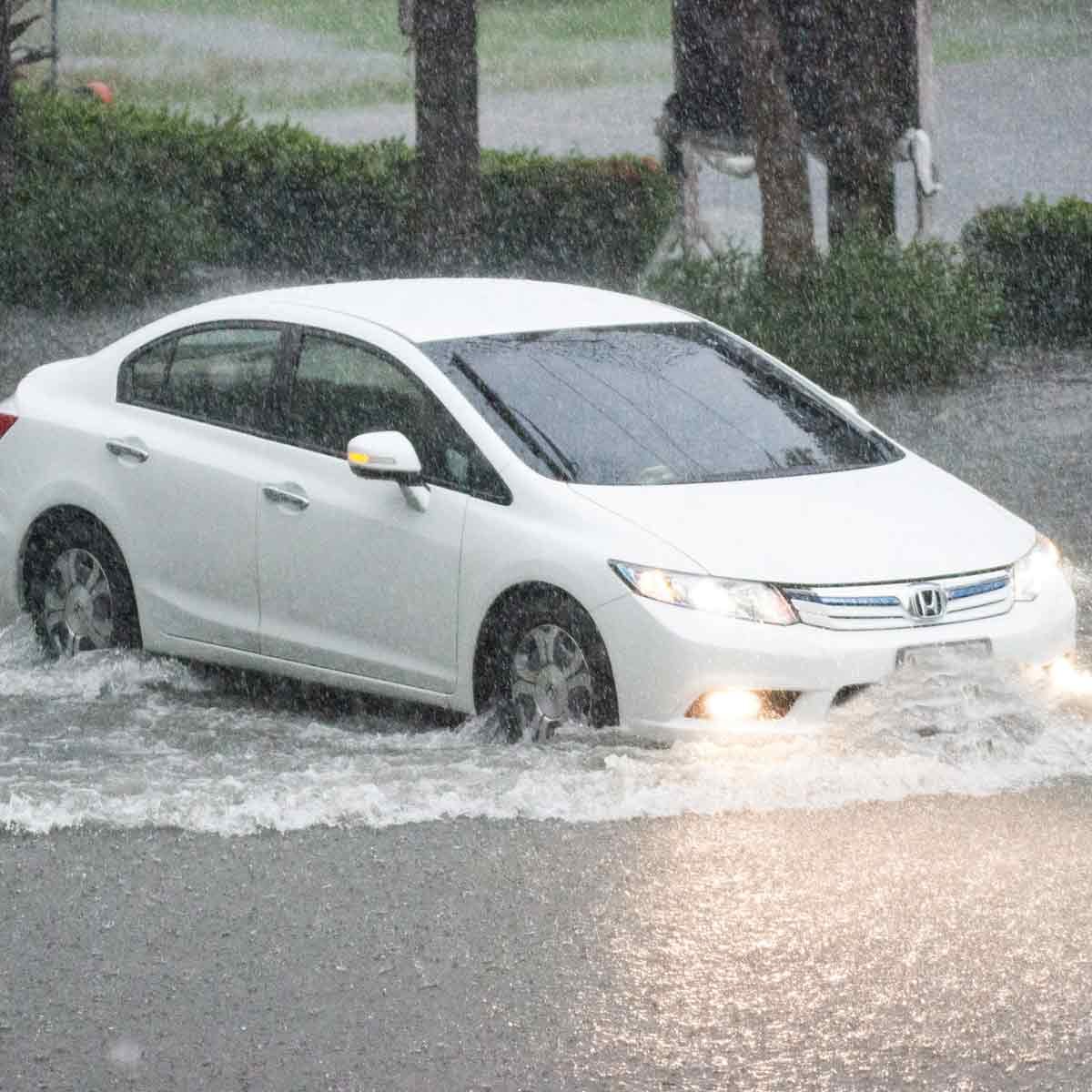
Step-by-step: engine, fluids, and electrical systems
- Do not crank the engine if water reached the air intake. Turning the engine can cause hydrolock, which can ruin the engine.
- Change engine oil and filter immediately if water entered the crankcase. Contaminated oil looks milky or cloudy.
- Drain and refill transmission, differential, and transfer case fluids if water contamination is suspected. Water settles in low spots and causes internal corrosion.
- Replace the air filter and dry the air intake path. Check the intake duct and turbocharger if your car has one.
- Inspect and dry electrical connectors, fuse boxes, and sensors. Corrosion starts fast and causes intermittent faults.
- Test battery and charging system. Flood water can short components or hide damage to the alternator and starter.
Following these steps for How to clean car after driving in flood water lowers the chance of long-term mechanical failure.
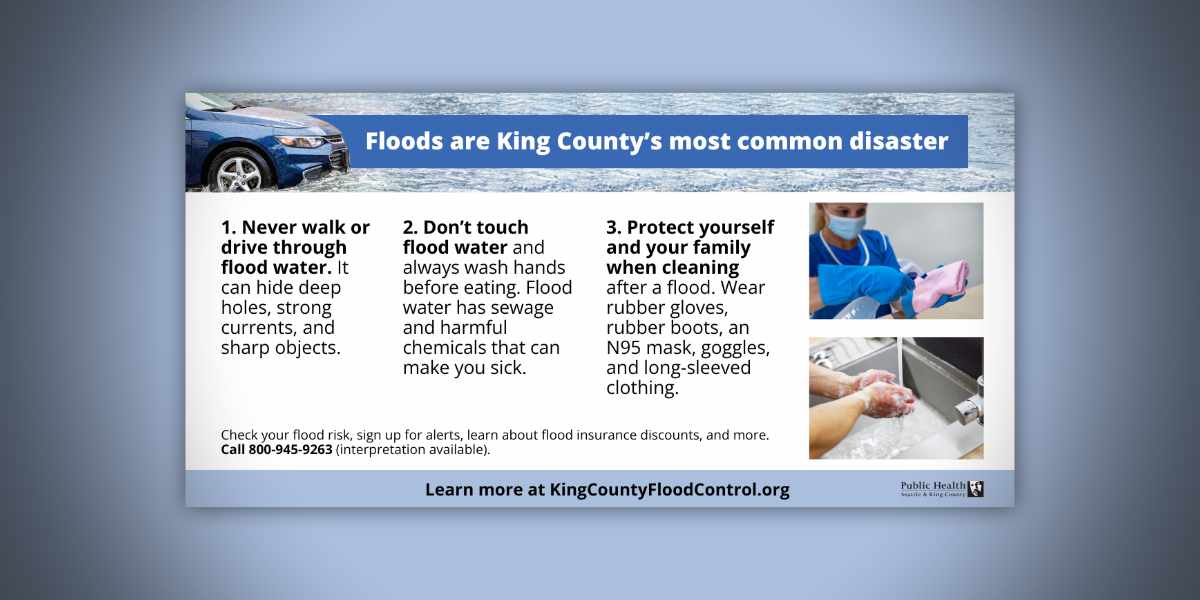
Exterior, undercarriage, and brakes
- Rinse the undercarriage and wheel wells with fresh water to remove mud and salt. Salt speeds corrosion.
- Clean brake components and test brakes before driving at speed. Mud and grit can reduce braking performance.
- Lubricate exposed joints and hinges after cleaning. This prevents rust and keeps parts moving.
- Check seals, gaskets, and door drains for trapped water. Clear any blocked drain holes.

Decontamination, mold prevention, and odor control
- Disinfect surfaces with cleaners labeled for use on automotive interiors. Follow product instructions.
- Use targeted mold treatments for stubborn spots. Scrub and re-clean if stains return.
- Use moisture absorbers, fans, and a dehumidifier for 48–72 hours to stop microbial growth.
- Consider professional ozone or hydroxyl treatment only after cleaning and drying. These remove odors but must be used by trained technicians.
Effective decontamination is a major part of How to clean car after driving in flood water and prevents health hazards.
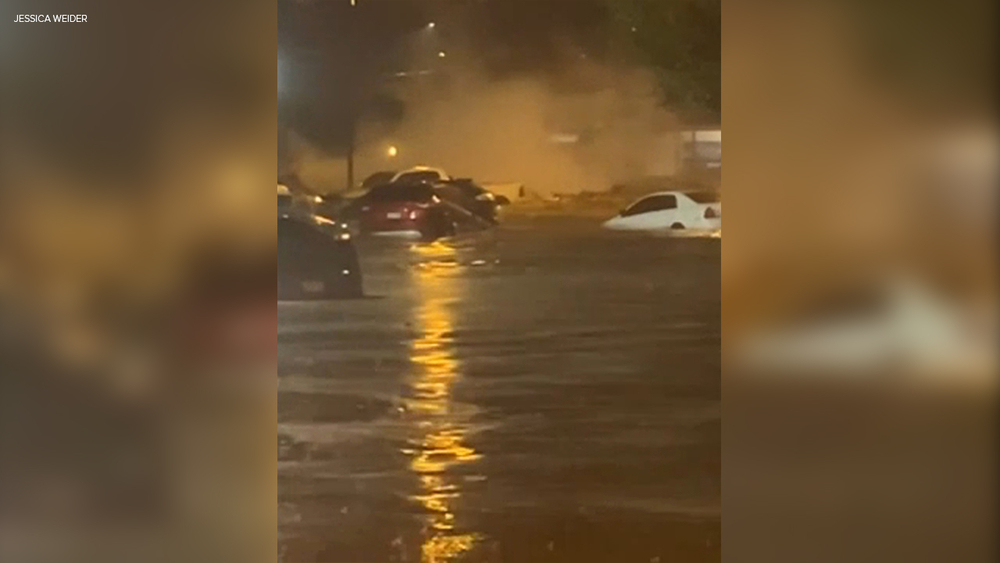
When to call a pro and how to handle insurance
- Call a professional mechanic if water reached the engine, transmission, or major electrical modules. These parts are complex and costly to repair.
- Photograph all damage and save receipts for cleaning and towing. This supports a timely insurance claim.
- Notify your insurer quickly. Ask about flood damage coverage and next steps for assessment.
- Be aware of salvage rules. Extensive water damage can lead insurers to total a vehicle even if it seems repairable.
Getting professional help early can prevent repeated problems and support insurance recovery for How to clean car after driving in flood water.
Preventive tips and things to avoid
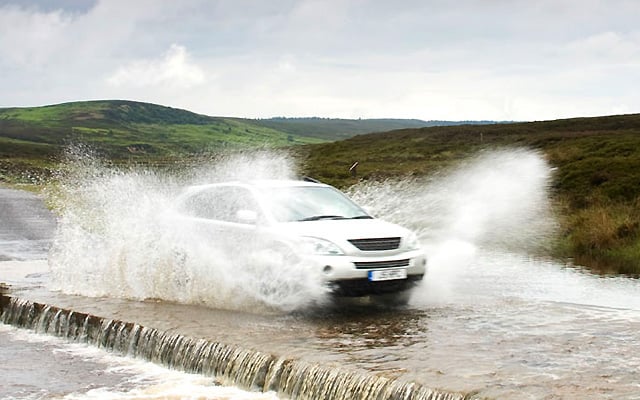
- Avoid driving through standing water. Turn around if depth is unknown.
- Know your vehicle’s air intake and ride height. Bigger SUVs and trucks handle more water.
- Keep emergency tools: tow strap, flashlights, and a small water pump or wet vac if you live in flood-prone areas.
- Do not use bleach on fabrics or electronics. It damages materials and can worsen corrosion.
Small habits reduce your chances of needing a deep cleanup for How to clean car after driving in flood water.
My experience and practical lessons
I once cleaned a late-model sedan after a flash flood. The owner restarted the car, which bent connecting rods and led to a total engine rebuild. From that job I learned two key lessons: never start a water-hit engine, and document everything for insurance. I now always recommend immediate oil changes and electrician checks. These steps saved other owners time and money in later repairs.
People also ask
How long should I dry my car after flood exposure?
Drying time varies, but expect at least 48–72 hours with fans and a dehumidifier. Replace wet padding and parts that still smell or show mold.
Can I drive my car after it was partially submerged?
Only drive if the engine never ingested water and brakes and electronics are tested. When in doubt, tow to a shop for inspection.
Will flood water ruin my car forever?
Not always. Quick, correct action can save a car. Untreated contamination and corrosion cause the worst long-term problems.
Frequently Asked Questions of How to clean car after driving in flood water
What is the first thing I should do after driving through flood water?
Turn off the engine, move to safety, and document the water line with photos. Then disconnect the battery if the cabin is wet.
Is it safe to vacuum wet carpets myself?
Yes, using a wet/dry shop vacuum is safe and effective. Empty and clean the vacuum after use to prevent mold growth.
How soon should I change my oil after flood exposure?
Change engine oil and filter immediately if there is any sign of water contamination. Contaminated oil can damage bearings and other parts fast.
Will insurance cover cleaning and repairs?
Coverage depends on your policy and the cause of the flood. Contact your insurer, document damage, and keep receipts for any expenses.
Are ozone generators safe for removing flood odors?
Ozone machines can remove odors but are not a substitute for cleaning. They must be used by trained pros and only in unoccupied spaces.
Can electronics be fixed after water exposure?
Some electronics can be cleaned, dried, and repaired if treated quickly. Corrosion over time makes repair harder, so act fast.
Should I replace the carpet and padding?
Replace padding if it held water or smells musty after drying. Carpet replacement is often needed when contamination is severe.
Conclusion
Act quickly, document damage, and follow a clear cleaning, drying, and inspection plan after driving through flood water. Start with safety, then remove water, disinfect, dry, and check fluids and electronics. If you ever feel unsure, call a trusted mechanic and contact your insurer. Take these steps now to protect your health and your car, and leave a comment or subscribe for more practical auto-care guides.