

Restore chrome trim on a car by cleaning, polishing, repairing light rust, and protecting the surface.
Chrome trim can make an older car look sharp again, but dull spots, water stains, and small rust marks can quickly ruin its shine. Learning how to restore chrome trim on a car helps you improve the vehicle’s appearance without replacing every piece.
The right method depends on the trim’s condition and material. Real chrome plating needs gentle care, while chrome-colored plastic, stainless steel, and aluminum may need a different approach. This guide explains how to inspect, clean, polish, repair, and protect trim safely, using methods that work in real detailing situations.
What Chrome Trim Is and Why It Loses Its Shine
Chrome trim usually consists of a thin layer of chromium over nickel and another base metal. This layered finish creates a bright, mirror-like surface. Many modern vehicles also use plastic trim with a chrome-look coating, which is much thinner and easier to damage.
Chrome trim becomes dull for several common reasons:
- Road salt causes corrosion and rust.
- Hard water leaves mineral deposits.
- Brake dust sticks to the surface and holds moisture.
- Tree sap and bird droppings attack the finish.
- Poor-quality cleaners leave stains or haze.
- Scratches expose the metal under the chrome.
- Age allows the plating to peel, bubble, or flake.
Before learning how to restore chrome trim on a car, identify what you are working with. A magnet may stick to steel beneath the chrome, but it will not always tell you whether the visible finish is real chrome. Check the owner’s manual, inspect nearby edges, or ask a professional if the trim is valuable or difficult to replace.
A key limitation is that polishing cannot rebuild missing chrome plating. It can improve oxidation, grime, and light surface rust, but peeling or deeply pitted chrome usually needs replating or replacement.
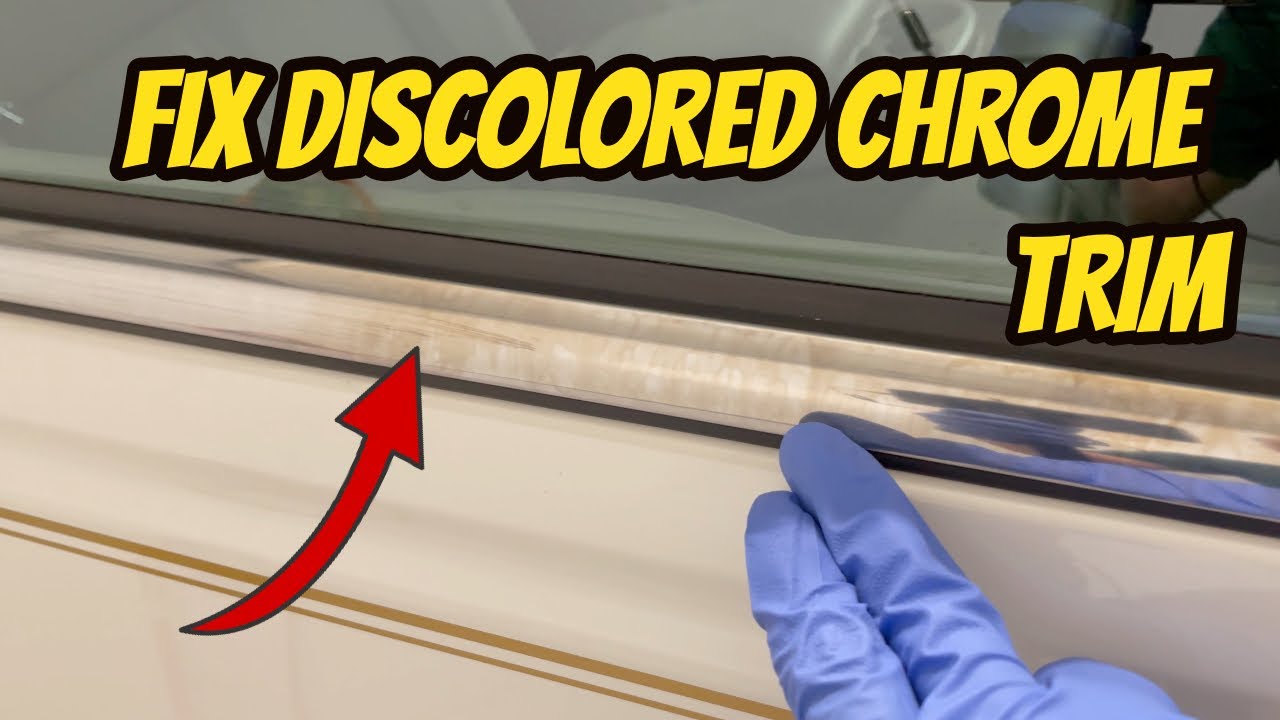
Inspect the Trim Before You Start
A careful inspection prevents you from using too much pressure or the wrong product. Park the car in a shaded area and wash the trim first so dirt does not hide damage.
Look for these conditions:
- Light haze or dullness: This is usually safe to polish.
- White mineral spots: These often come from hard water.
- Orange dots: These may be early surface rust.
- Deep pits: These are small holes caused by corrosion.
- Bubbling or peeling: The chrome layer is separating from the base.
- Cracks in plastic trim: Replacement is often better than repair.
- Black areas: These may indicate damaged plating or exposed metal.
Run a clean fingertip lightly over the surface. If it feels rough but looks mostly intact, contamination or light oxidation may be the problem. If your finger catches on raised edges, flakes, or deep pits, stop and use a milder process.
I once worked on an older sedan with trim that looked like it needed replacement. After a full wash, most of the damage turned out to be dried mineral deposits. A mild polish restored much of the shine. The lesson was simple: inspect the surface after cleaning before assuming the chrome is ruined.
Gather the Right Tools and Products
You do not need a large professional setup to restore chrome trim. A few safe tools are enough for most light and moderate problems.
Prepare the following:
- Car wash soap with a neutral pH
- Two buckets or a hose with clean running water
- Soft microfiber towels
- A soft detailing brush
- Automotive chrome polish
- A clay bar and clay lubricant
- Rust remover made for automotive metal
- Painter’s tape
- Nitrile gloves and eye protection
- Automotive wax or a paint-safe ceramic spray
- A soft foam applicator pad
Choose products made for automotive surfaces. Household scouring powder, steel wool, rough sponges, and strong acids can scratch chrome or damage nearby paint.
Some detailers use fine aluminum foil with water to remove light rust from real chrome. This can work because aluminum is softer than chrome, but it should be used with very light pressure. Avoid this method on chrome-look plastic, painted trim, or any surface with loose plating.
Test every product in a hidden area first. A small test spot can prevent an expensive mistake.

How to Restore Chrome Trim on a Car Step by Step
The safest process moves from gentle cleaning to stronger treatment. Do not begin with an aggressive compound. Chrome is thin, and removing more material will not make damaged plating grow back.
1. Wash the trim
Rinse the area to remove loose dust and grit. Apply car wash soap with a soft microfiber towel or detailing brush.
Clean around seams, badges, fasteners, and trim edges. Dirt often collects in these areas and can scratch the finish during polishing. Rinse well and dry with a clean towel.
2. Remove bonded contamination
If the trim still feels rough after washing, use a clay bar with plenty of lubricant. Glide the clay gently across the surface. Do not press hard.
Clay removes small particles that soap cannot dissolve. Fold the clay often so trapped dirt does not drag across the chrome.
3. Treat light surface rust
Apply a small amount of automotive rust remover to a microfiber towel or foam pad. Work on a small section at a time and follow the product instructions.
For very light rust on real chrome, gently rub with wet aluminum foil. Use short strokes and minimal pressure. Stop if the surface becomes cloudy or if the rust does not improve.
Never sand chrome unless you plan to refinish or replate the part. Sanding can remove the remaining chrome layer and make the damage worse.
4. Polish the chrome
Apply a small amount of chrome polish to a soft applicator. Work in straight or small overlapping motions rather than pressing hard in one spot.
Allow the polish to haze only if the label instructs you to do so. Remove it with a clean microfiber towel. Inspect the finish under good light before doing another pass.
When learning how to restore chrome trim on a car, patience matters more than force. Two gentle passes are safer than one aggressive pass.
5. Protect the restored surface
After polishing, apply a thin layer of automotive wax, sealant, or compatible ceramic spray. Protection helps reduce water spots, road salt, and fresh contamination.
Keep protectants away from rubber seals and textured plastic unless the label says they are safe for those materials. Buff away residue so the trim does not look oily or streaked.

How to Remove Rust From Chrome Trim
Rust on chrome trim often begins when a stone chip, scratch, or seam exposes the metal below the plating. The rust may look like a few orange dots at first, but it can spread under the chrome.
For light rust, use this process:
- Wash and dry the trim.
- Mask nearby paint with painter’s tape.
- Apply a mild automotive rust treatment.
- Wipe gently with a microfiber towel.
- Use a soft brush around seams.
- Rinse or wipe away residue as directed.
- Dry the trim completely.
- Polish and protect the surface.
If you use aluminum foil, wet both the foil and the chrome. Rub lightly and check your progress every few seconds. The goal is to lift loose oxidation, not grind the surface.
Deep rust needs a different solution. If the trim has pits, holes, bubbling, or spreading corrosion, polishing may only make it look better for a short time. A chrome plating shop can strip, repair, and replate the part. For low-cost trim, replacement may cost less than professional restoration.

How to Restore Chrome-Look Plastic Trim
Chrome-look plastic is common on grilles, interior pieces, mirror caps, and exterior moldings. It may look like metal, but it can have a vacuum-metalized coating or a thin decorative layer.
Use extra care:
- Wash it with mild car soap.
- Use a soft microfiber towel.
- Avoid metal polish unless the product specifically approves plastic chrome.
- Do not use aluminum foil.
- Do not use steel wool or abrasive pads.
- Avoid strong solvents and household cleaners.
- Test any product in a hidden area.
If the coating is peeling, bubbling, or turning black, polishing will not restore the original finish. A replacement part or professional refinishing is usually the better choice.
One common mistake is treating all shiny trim as solid metal. I have seen chrome-look plastic become cloudy after a strong metal polish was used. The owner thought the product would improve the finish, but it removed part of the decorative coating.
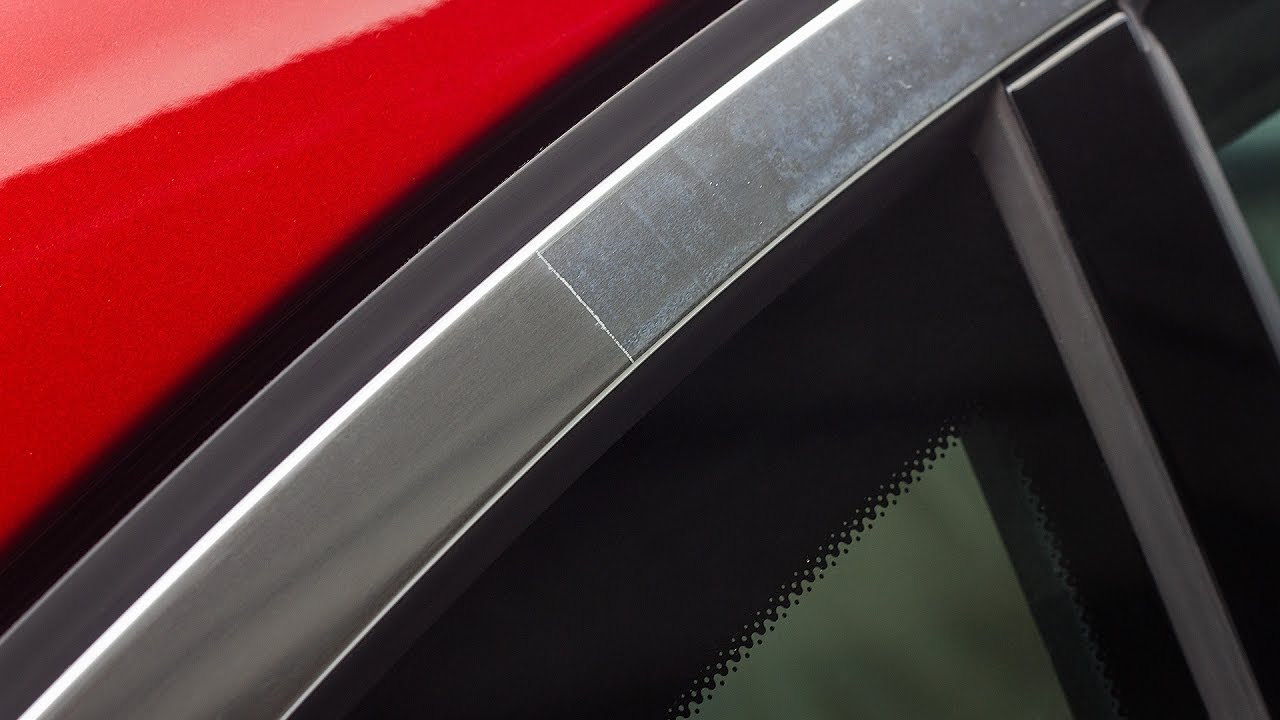
Can You Use Toothpaste, Vinegar, or Aluminum Foil?
Home remedies are popular because they are cheap and easy to find. They may help with minor staining, but they are not always the safest choice.
Toothpaste contains mild abrasives. It may remove very light haze, but it can leave fine scratches and is not a reliable solution for rust.
Vinegar can dissolve some mineral deposits because it contains acetic acid. However, prolonged contact may affect nearby coatings, bare metal, or sensitive surfaces. Use it only in a controlled test and rinse the area well.
Aluminum foil and water can help with loose rust on real chrome. The method has limits, and it should never be used on plastic chrome or peeling plating.
Automotive chrome polish is usually the more predictable option. It is formulated for vehicle trim and normally includes directions for safe use.

Mistakes to Avoid When Restoring Chrome
Most chrome damage comes from using too much pressure, too much heat, or a product made for another surface. Avoid these mistakes when you restore chrome trim on a car:
- Do not polish dry dirt from the surface.
- Do not use steel wool on chrome.
- Do not use a power buffer on narrow trim without experience.
- Do not let rust remover dry on the vehicle.
- Do not use abrasive compound on chrome-look plastic.
- Do not sand trim unless you plan to refinish it.
- Do not use household bleach or harsh bathroom cleaner.
- Do not apply wax over loose flakes and expect them to stop.
- Do not ignore rust that returns after cleaning.
A machine polisher can create heat quickly on small trim pieces. Heat may damage nearby plastic, adhesive, paint, or decorative coatings. Hand polishing is slower, but it gives you much better control.
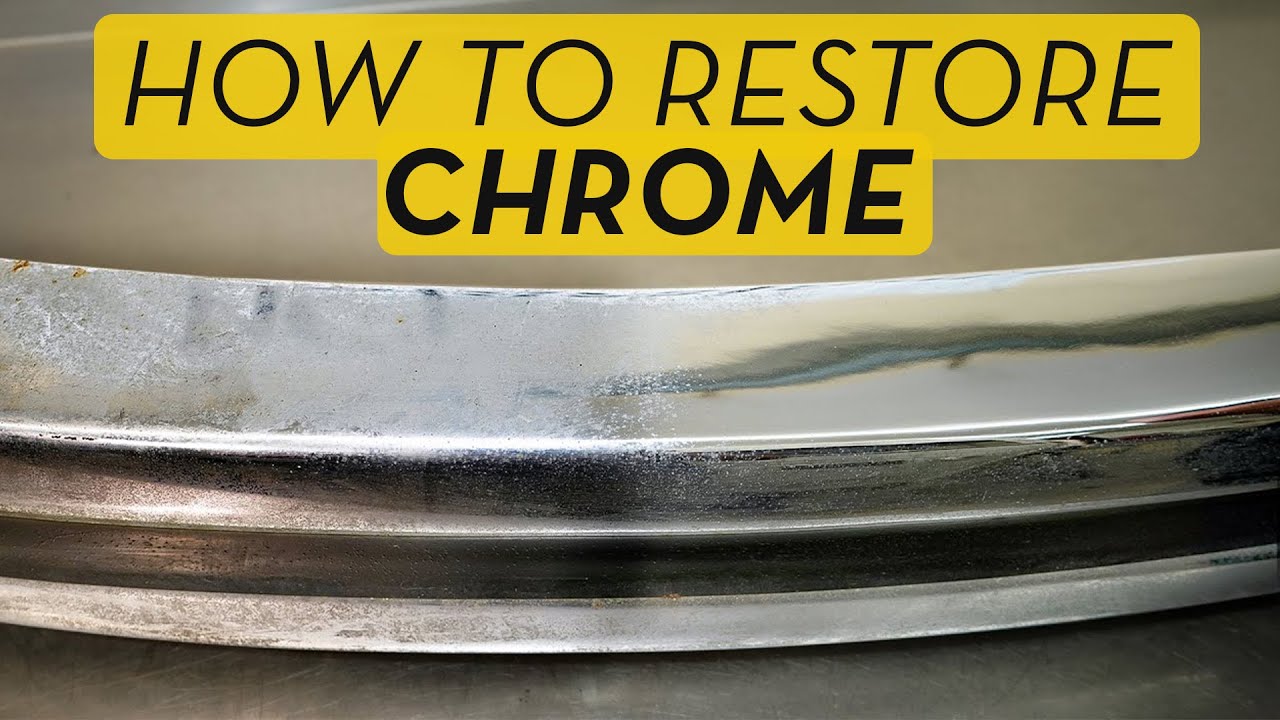
How to Maintain Restored Chrome Trim
Restoration is only half the job. Regular maintenance keeps the trim bright and slows new corrosion.
Wash chrome trim whenever you wash the car. Remove road salt as soon as possible during winter. Clean bird droppings and tree sap quickly because they can harden and stain the finish.
A simple maintenance plan includes:
- Wash the trim every one to two weeks.
- Dry it after washing to prevent water spots.
- Apply a protective sealant every few months.
- Inspect seams and fasteners for early rust.
- Use a soft towel instead of a rough shop rag.
- Keep acidic cleaners away from unprotected trim.
If you live near the ocean, rinse salt from the vehicle more often. Coastal air can speed corrosion, especially around fasteners and damaged areas. The same is true in regions that use road salt during snowy weather.
When to Replace or Professionally Replate Chrome
Not every trim piece should be restored at home. Professional help makes sense when the part is valuable, rare, or badly damaged.
Consider replating when:
- The trim has deep corrosion.
- Chrome is peeling across a large area.
- The part is original and difficult to replace.
- The vehicle is a classic or collector car.
- The base metal needs repair.
- You want a show-quality finish.
Consider replacement when the trim is common and affordable. A new part may provide a better result than spending hours on damaged plating.
Professional plating involves stripping the old layers, repairing the base metal, and applying new metal layers. The process can be costly, and the part must usually be removed from the vehicle. Ask for a clear estimate before approving the work.
Cost, Time, and Expected Results
The cost to restore chrome trim on a car depends on the material and damage. A basic home treatment may cost about $15 to $50 for soap, polish, towels, and protection.
A professional detail may cost more, especially if the trim has heavy contamination or rust. Replating can cost substantially more because the part must be removed, prepared, repaired, and plated.
Typical time estimates are:
- Light haze: 30 to 60 minutes
- Water spots and bonded dirt: 1 to 2 hours
- Light rust: 1 to 3 hours
- Several damaged trim pieces: Half a day or more
- Professional replating: Often several days or longer
Results also vary. Cleaning and polishing can restore shine, but they cannot recreate chrome that has peeled away. Set a realistic goal: improve the finish when possible, and replace or replate it when the structure is damaged.
Frequently Asked Questions About How to Restore Chrome Trim on a Car
Can I restore chrome trim with household products?
Some household products may remove light stains, but they can also scratch or damage the finish. Automotive chrome polish and a soft microfiber towel are safer choices for most real chrome trim.
Does aluminum foil remove rust from chrome?
Wet aluminum foil can help remove light surface rust from real chrome. Use very light pressure, and never use this method on chrome-look plastic, peeling trim, or painted surfaces.
Can polishing fix peeling chrome?
No. Polishing may improve the surrounding shine, but it cannot replace missing plating. Peeling or bubbling chrome usually needs professional replating or part replacement.
Is chrome polish safe for plastic trim?
Not always. Some chrome polishes contain abrasives or solvents that can cloud plastic chrome. Check the product label and test it on a hidden spot before treating the visible surface.
How often should I protect chrome trim?
Apply a suitable wax or sealant every few months, or follow the product directions. Wash the trim often and remove road salt, bird droppings, and tree sap as soon as possible.
Can I use a power buffer on car chrome?
You can, but it is risky on narrow trim and chrome-look plastic. Hand polishing is safer because it limits heat, pressure, and accidental contact with nearby paint.
Conclusion
Knowing how to restore chrome trim on a car starts with identifying the material and checking the damage. Wash the surface, remove bonded dirt, treat light rust gently, polish with a suitable product, and apply protection. Avoid harsh abrasives, strong chemicals, and heavy pressure.
Minor haze and surface rust often respond well to careful home care. Peeling, deep pits, and bubbling require replacement or professional replating. Take your time, test products first, and your car’s trim can look cleaner and brighter for much longer.
Try the gentle method on one small section before treating the whole vehicle. Share your results or explore more car care guides to keep your vehicle looking its best.