How To Prevent Rust Under Car Doors: Simple DIY Tips
Keep drain holes clear, seal seams, and apply corrosion protectant to prevent rust under doors.
I’ve spent years fixing and preventing rust on dozens of cars, and I’ll walk you through exactly how to prevent rust under car doors with clear, practical steps. This guide covers why rust starts there, simple daily habits, DIY fixes, professional options, tools, and a realistic maintenance plan so you can protect your car long term.

Why rust forms under car doors
Rust forms where water, salt, dirt, and metal meet and stay wet. The underside of car doors traps moisture in seams, channels, and pinch welds. Road salt and grime speed corrosion by breaking down paint and exposing bare metal. Poor drainage, damaged seals, and chipped paint make the area vulnerable quickly.
How to prevent rust under car doors starts with understanding these root causes. If you stop water and salt from staying in the door pockets, most rust never gets a chance to start.

Signs and early detection
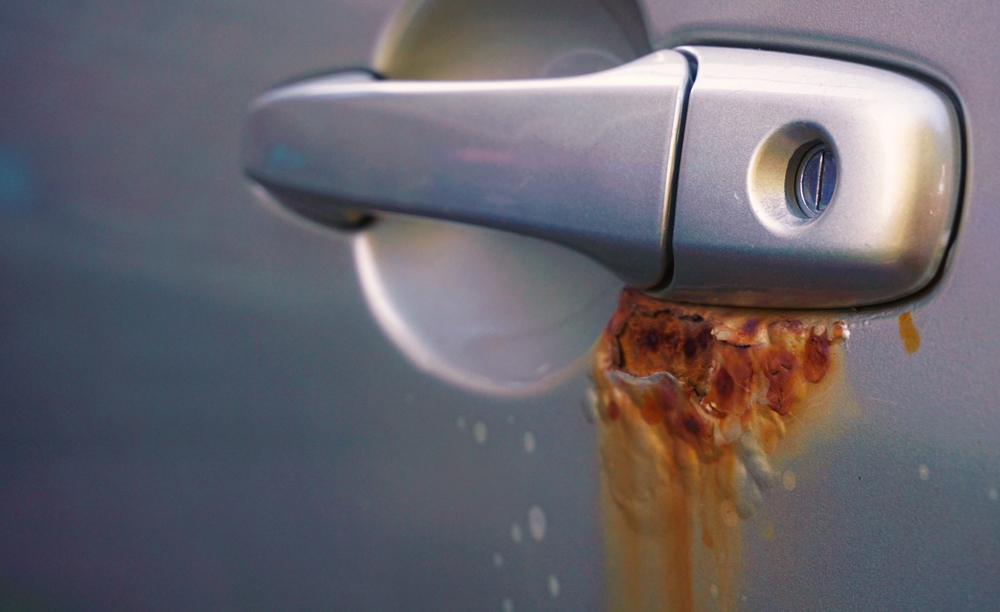
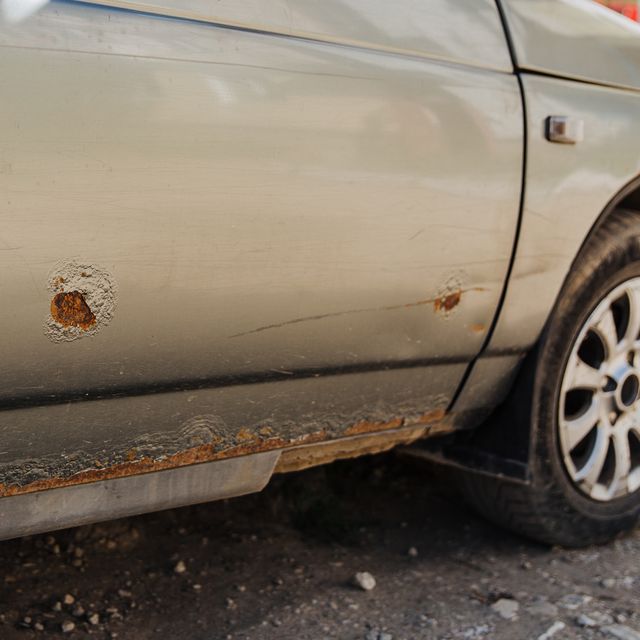
Watch for bubbling paint at the bottom of the door, flaking, or dark spots that look like dirt but don’t wipe away. Check door edges, the bottom seam, and the rubber channel where the door meets the sill. Use a flashlight and push lightly on suspicious spots; soft metal or flaking indicates early rust.
Catch rust early and it’s often simple to stop. How to prevent rust under car doors includes regular inspections as a first line of defense.
Preventive measures: daily habits and cleaning
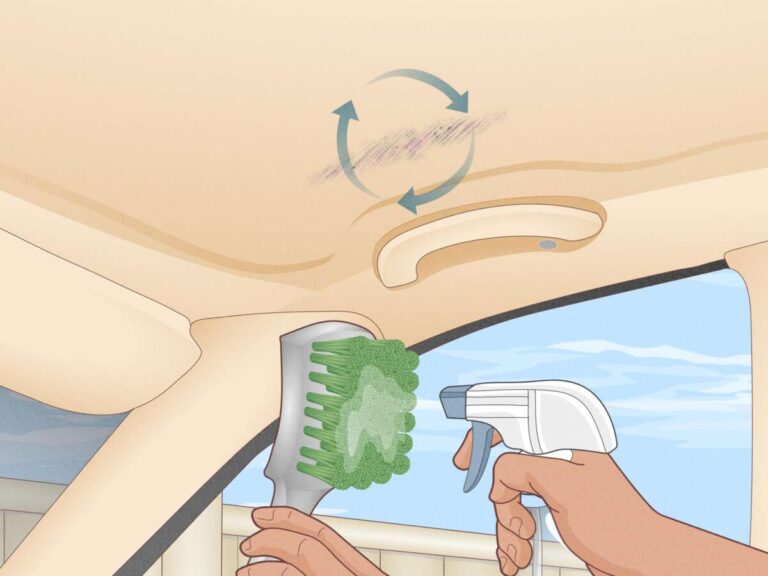
Simple habits add up. Clean the bottom of doors and sills weekly during winter and monthly otherwise. Rinse salt and grime out of door pockets by opening the door, spraying inside with a garden hose, and allowing it to drain.
Key daily and regular tasks:
- Dry wet spots after washing or heavy rain to stop moisture build-up.
- Vacuum or blow out door channels to remove grit.
- Wash wheel wells and undercarriage to reduce salt exposure.
- Inspect and replace worn door seals so water drains where it should.
These habits are core to how to prevent rust under car doors long term.
DIY repairs and protection steps
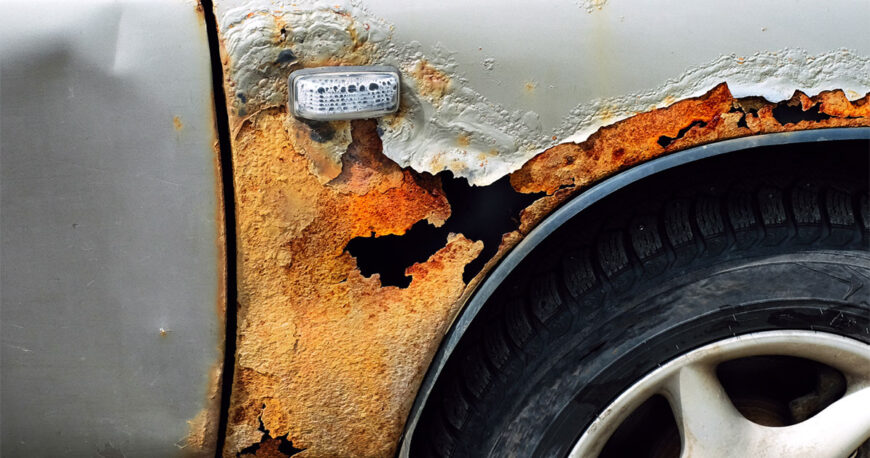
If you find surface rust, act quickly. Sand lightly to bare metal, apply a rust converter or primer, then paint and seal. For small holes, use fiberglass or metal patch kits designed for automotive use.
Step-by-step DIY:
- Clean the area with soap and water, then dry.
- Sand off loose rust with 80–120 grit, then feather edges.
- Apply rust converter to neutralize remaining rust.
- Prime with automotive primer, then topcoat with matching paint.
- Seal seams with seam sealer and apply undercoating to the door bottom.
How to prevent rust under car doors also means protecting hidden spots: pump a thin film of cavity wax or rust inhibitor into door pockets and drain holes after repair.

Professional treatments and when to seek help
For deep rust, large holes, or structural damage, see a pro. Body shops can cut out and weld new metal, restore structural integrity, and match paint. Professional cavity waxing and undercoating are more thorough than most DIY applications.
Seek professional help when:
- The door has large holes or feels weak.
- Rust affects hinges or latch mounts.
- Corrosion reaches the door frame or sill structure.
Knowing when to get professional work is a key part of how to prevent rust under car doors from becoming a costly problem.
Tools and materials you'll need
You don’t need a garage full of gear for basic prevention. A small toolkit, some rust products, and a garden hose are often enough.
Essentials:
- Wire brush and sanding blocks for rust removal.
- Rust converter and automotive primer.
- Seam sealer and touch-up paint.
- Cavity wax or rust inhibitor spray with long nozzle.
- Garden hose, shop towels, and a flashlight.
Investing in these lets you handle routine upkeep and simple repairs that keep rust from starting under doors.

Maintenance schedule and seasonal tips
Set a simple schedule and stick to it. Frequency depends on climate and road salt use.
Recommended schedule:
- Weekly: Rinse out door pockets during heavy salt season.
- Monthly: Inspect door bottoms and seals; clean and dry as needed.
- Twice a year: Pump cavity wax into door pockets and check drain holes.
- Annually: Inspect professionally or do a detailed DIY check before winter.
Seasonal tips:
- Before winter: Remove existing surface rust and coat cavities.
- After winter: Rinse salt off and reapply protective sprays.
A small, regular routine answers the question of how to prevent rust under car doors with minimal fuss and cost.

Costs and benefits
Basic preventive supplies cost under $50 and take an hour or two. Professional cavity wax and undercoating start around $100–$300 depending on vehicle size. Repairing heavy rust or replacing doors costs significantly more.
Benefits of prevention:
- Longer vehicle life and better function of doors.
- Better resale value and fewer major repairs.
- Lower overall cost than large repairs.
These economics make clear why understanding how to prevent rust under car doors is a smart investment.

Personal experience and lessons learned
I once ignored a small bubble at the bottom of my driver’s door for a year. The rust ate through and the door required welding. After that, I started inspecting doors monthly and using cavity wax every winter. That small change saved me a costly repair on a different car two winters later.
Lessons I learned:
- Small issues compound fast in salty climates.
- Proper drainage and seals matter more than cosmetic paint.
- Regular, simple maintenance beats emergency repairs every time.
My experience shows that learning how to prevent rust under car doors is practical and effective.
Practical limitations and realistic expectations
Rust prevention slows and often stops corrosion but can’t reverse advanced structural damage without repair. Environmental exposure, previous repairs, and manufacturing defects can affect outcomes. Expect to repeat treatments every year or two in wet or salty areas.
Be honest about limits: prevention reduces risk and cost, but it doesn’t erase years of neglect without proper repair work.
Quick PAA-style questions
Q: Can I spray WD-40 into the door to stop rust?
A: WD-40 can displace moisture briefly but is not a long-term rust inhibitor; use cavity wax or dedicated rust protectants for lasting protection.
Q: Do drain holes in doors need to be open?
A: Yes. Drain holes let water escape; keep them clear using a thin wire or compressed air.
Q: Will undercoating stop rust forever?
A: Undercoating slows rust and protects against chips, but it needs inspection and reapplication over time, especially after heavy exposure.
Frequently Asked Questions of How to prevent rust under car doors
How often should I inspect my car doors for rust?
Inspect doors monthly in winter and every 2–3 months in dry seasons. Quick checks take only a few minutes.
What is the best product to stop rust under car doors?
Use a quality rust converter, followed by primer, paint, and cavity wax for protected areas. Products made for automotive use are best.
Can I pump rust inhibitor into door pockets myself?
Yes, you can. Use a narrow straw applicator for even coverage and wipe excess; do it annually or after winter.
Are drain holes necessary, and how do I clean them?
Drain holes are essential to remove water. Clear them with compressed air or a thin flexible wire to keep water flowing out.
Will paint touch-up prevent rust under doors?
Touch-up paint helps but won’t protect hidden seams and cavities; use seam sealer and cavity wax for full protection.
Conclusion
Keeping water, salt, and dirt from sitting in door pockets and seams is the heart of how to prevent rust under car doors. Adopt a simple inspection and cleaning routine, repair small spots promptly, and use cavity wax and seam sealers to protect hidden metal. Start today: check your door drains, replace worn seals, and add a cavity wax treatment this season to save money and headaches down the road. Share your experience, ask questions below, or subscribe for more practical car-care tips.