

Rubber gloves, a damp cloth, and steady brushing lift most pet hair from car seats fast.
Learning how to remove pet hair from car seats easily is less about scrubbing harder and more about loosening trapped hair first. After testing several methods on fabric, leather, and synthetic seats, I have found that a simple two-step process works best: gather the hair with rubber or silicone, then vacuum the last loose strands. This guide shows each step, explains which tools are safe, and helps you avoid common cleaning mistakes.
Why Pet Hair Sticks to Car Seats
Pet hair clings to car seats because of static, fabric texture, and tiny barbs on many animal hairs. Cloth upholstery holds hair deep between its fibers, while short hair can press into the seat after your pet moves around.
Heat and friction also make the problem worse. A sunny car can increase static, and your pet’s coat can rub against the seat during turns, stops, and rides. This is why a normal vacuum often leaves a thin layer behind.
Understanding the seat material matters. Fabric needs gentle moisture and agitation, but leather and vinyl need less water and more care around seams. Before you start, check the vehicle owner’s manual for cleaning limits and warnings.

The Best Way to Remove Pet Hair From Car Seats Easily
The most reliable method uses a rubber tool before the vacuum. Rubber creates friction and gathers loose strands into small clumps that are easier to pick up.
Follow these steps:
- Remove toys, blankets, and floor mats from the car.
- Open the doors or windows in a safe, shaded place.
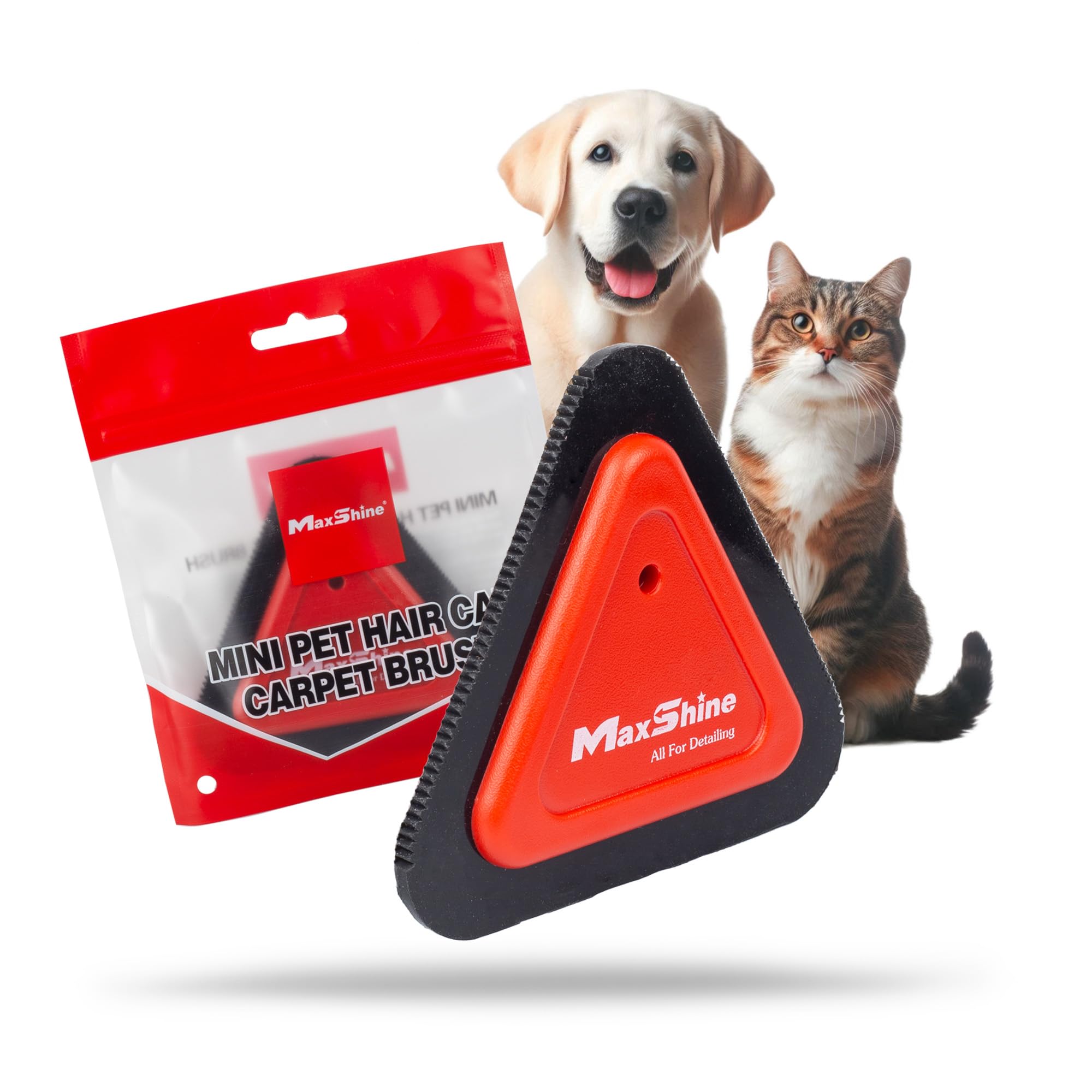
- Use a rubber glove, silicone brush, or rubber squeegee on the seat.
- Work in short strokes toward one area.
- Pick up the rolled hair by hand or with a handheld vacuum.
- Vacuum the seat, seams, and gaps.
- Wipe the surface with a suitable cleaner.
Wear a slightly damp rubber glove and drag your hand across the seat in one direction. Do not soak the glove. Too much water can push hair deeper into fabric and may cause odor or moisture damage.
For stubborn hair, use a silicone pet-hair brush. Apply light pressure and move slowly. Fast, rough strokes may spread hair instead of collecting it.
Tools That Make Pet Hair Removal Easier
You do not need expensive equipment. A few basic tools can make how to remove pet hair from car seats easily much faster.
Useful options include:
• Rubber cleaning gloves: These work well on cloth seats and are easy to wash.
• Silicone grooming brushes: Their flexible teeth pull hair from upholstery without sharp edges.
• Rubber squeegees: Small window squeegees gather long hair from broad seat areas.
• Handheld vacuum: Choose one with a crevice tool and a clean filter.
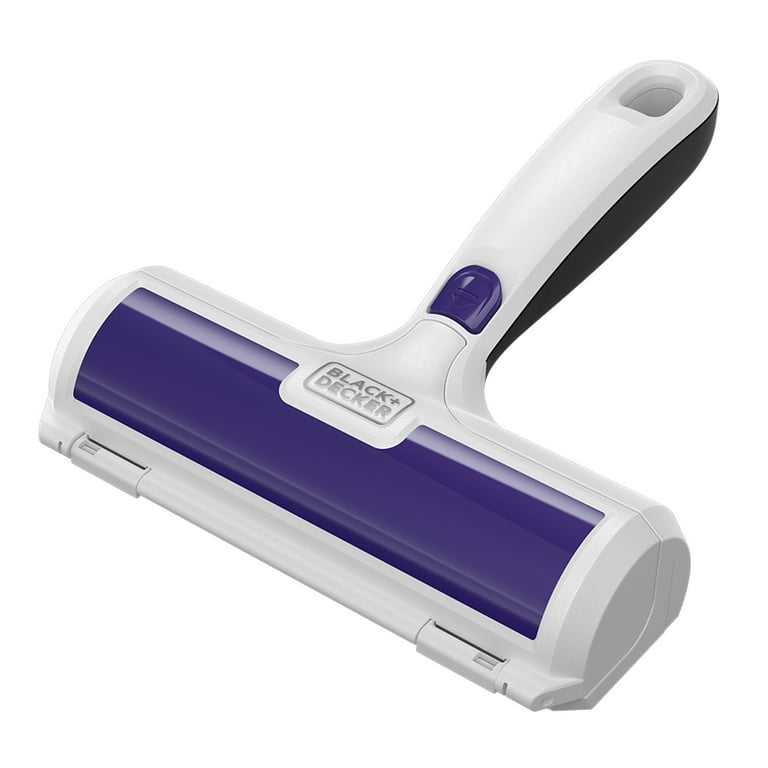
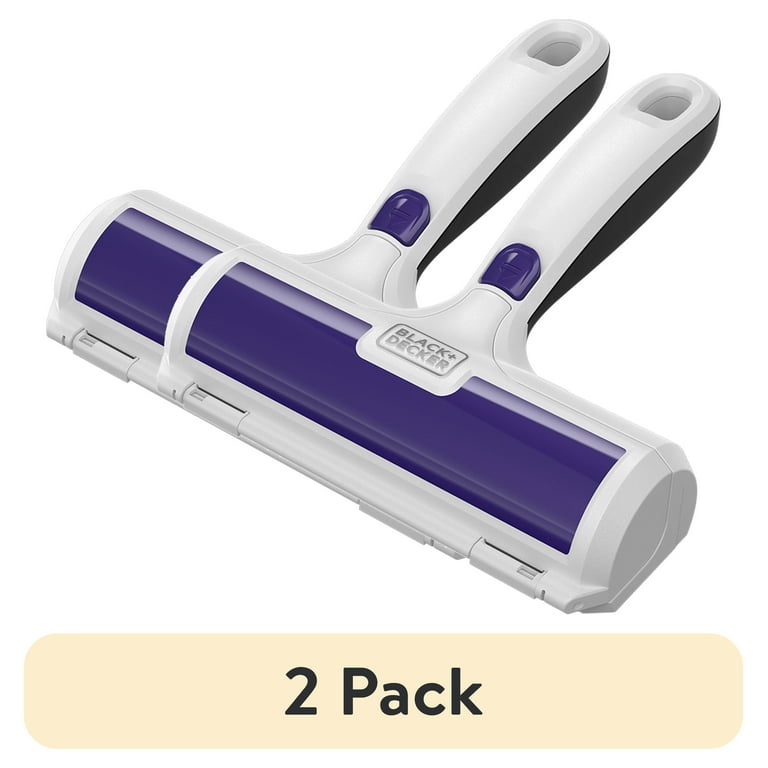
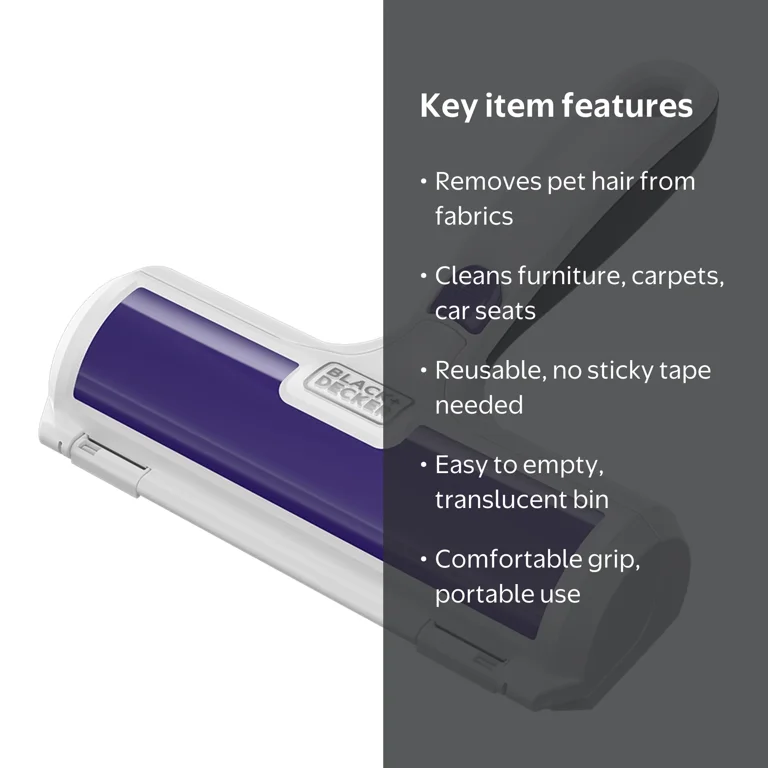
• Lint roller: This helps with final touch-ups but may struggle with deeply trapped hair.
• Soft upholstery brush: Use it to lift hair from seams and textured fabric.
• Microfiber cloths: These remove light dust after the hair is gone.
A vacuum alone is often not enough. Hair can wrap around the nozzle or remain stuck in the fabric. A rubber tool changes the hair from a hidden mess into visible rolls.
I once spent nearly 30 minutes vacuuming a cloth back seat after a long trip with a Labrador. The seat still looked furry. A damp rubber glove gathered more hair in five minutes than the vacuum had removed. The lesson was simple: loosen first, vacuum second.

How to Remove Pet Hair From Fabric Car Seats
Fabric seats require a balance of friction and gentle moisture. Start by testing any cleaner or tool on a hidden spot. This helps prevent color loss, staining, or fabric damage.
Use this process:
- Brush the seat with a dry silicone brush.
- Put on a rubber glove and dampen it slightly.
- Sweep the seat in one direction.
- Gather the hair into small piles.
- Use a vacuum with a crevice attachment.
- Clean the surface with an approved upholstery product.
Pay close attention to the area where the seat back meets the seat cushion. Hair often collects there because it falls into the gap and becomes compressed.
For very short hair, place a clean, damp microfiber cloth over your hand. Press lightly and wipe in small circles. Rinse the cloth often so you do not spread hair across the seat.
Avoid soaking fabric seats. Excess water can create musty smells and may reach the foam below. If the seat becomes wet, park in a ventilated place and allow it to dry fully before closing the car.
How to Remove Pet Hair From Leather and Vinyl Seats
Leather and vinyl are usually easier to clean because hair stays on the surface. However, seams, perforations, and cracks can trap hair.
Begin with a dry microfiber cloth or soft vacuum brush. Then use a slightly damp cloth to collect remaining hair. For seams, use a soft detailing brush rather than a sharp object.
Use only a leather-safe cleaner on real leather. Vinyl seats can often handle a mild interior cleaner, but the product label should specifically allow automotive vinyl. Never use strong solvents, bleach, or household degreasers.
After cleaning real leather, apply a suitable leather conditioner if the vehicle maker permits it. Conditioner helps keep the surface flexible, but it will not remove hair by itself.
Avoid scraping leather with a razor, knife, or stiff metal tool. A small scratch can become a larger crack over time. Gentle tools may take a little longer, but they protect the seat.

How to Remove Embedded Pet Hair From Car Seats
Embedded hair needs more friction, not more force. If you press too hard, you may push hair farther into the upholstery.
Try a silicone brush or rubber squeegee first. Move in short strokes and change direction when needed. Hair often releases more easily when you work across the weave of the fabric instead of along it.
For deep hair in seams:
• Pull the seam open gently with your fingers.
• Brush toward the center of the seat.
• Use a narrow vacuum attachment.
• Pick out the last strands with tweezers only when necessary.
A fabric-safe anti-static spray may help reduce cling, but test it first. Some sprays can leave residue or affect the color. A tiny amount of water on a rubber glove is usually the safer first choice.
If hair remains after two passes, stop and inspect the seat. The problem may be dust, lint, or a damaged fabric texture rather than pet hair. Repeated aggressive brushing can wear upholstery.
How to Use a Vacuum Without Spreading Hair
Vacuum after gathering the hair, not before. This order keeps the vacuum from pushing loose strands into cracks.
Use the crevice tool around seat rails, buckles, and seams. Use a soft brush attachment on leather and delicate surfaces. Keep the nozzle close to the seat, but do not grind it into the fabric.
Empty the vacuum when it loses suction. A full container or blocked filter can make the machine appear weak. Clean the filter according to the manufacturer’s instructions.
A small handheld vacuum is convenient for quick jobs. For heavy shedding, a shop vacuum with a clean filter may provide stronger suction. Keep the vacuum nozzle clean because wrapped hair can reduce airflow.
Do not vacuum damp clumps with a standard dry vacuum unless the machine is designed for wet pickup. Moisture can damage the motor and create an unpleasant smell.

Mistakes to Avoid When Removing Pet Hair
Many cleaning problems come from using the wrong tool or rushing the process. Avoid these common errors:
• Using only a dry lint roller: It works on surface hair but may miss hair trapped in cloth.
• Scrubbing with a stiff brush: This can damage fibers and spread short hair.
• Spraying too much water: Wet hair can stick more firmly to fabric.
• Using tape on heated seats: Adhesive may leave residue, especially on warm surfaces.
• Applying household chemicals: Bleach, ammonia, and strong degreasers can discolor upholstery.
• Ignoring the floor and door panels: Hair can quickly move back onto clean seats.
• Cleaning in direct sun: Products may dry too fast and leave marks.
• Skipping a hidden test area: Even products labeled for cars can react differently with old upholstery.
Research on indoor allergens shows that pet dander can settle on soft surfaces, not just visible hair. Hair removal is not the same as allergen removal. If someone in your household has allergies, vacuum carefully and consider professional interior cleaning.
How to Prevent Pet Hair From Returning
Prevention makes how to remove pet hair from car seats easily a quick maintenance task instead of a large weekend chore.
Use a washable seat cover designed for your vehicle. A good cover should fit securely, allow seat belts to work correctly, and avoid blocking airbags. Check the product instructions before using it on seats with side airbags.
Brush your pet before travel. Regular brushing removes loose coat hair before it reaches the car. The right brush depends on your pet’s coat, so ask a veterinarian or professional groomer if you are unsure.
Other useful habits include:
• Place a washable blanket over the seat or cargo area.
• Keep a rubber glove and small vacuum in the vehicle.
• Shake out the cover outside after each long trip.
• Vacuum the car once a week during heavy shedding seasons.
• Wipe hard surfaces before cleaning the seats.
• Keep pets secured in a carrier or crash-tested restraint.
A restraint also improves safety. An unrestrained pet can distract the driver or become injured during sudden braking. Hair removal is useful, but safe travel should always come first.
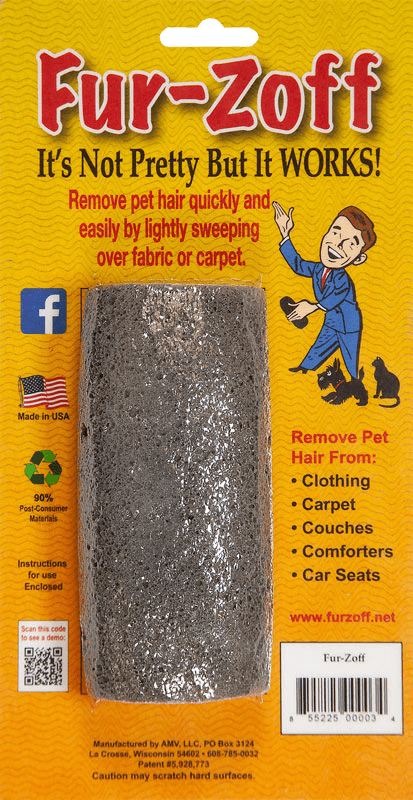
A Simple Five-Minute Cleaning Routine
For light shedding, you can maintain the seats in only a few minutes.
- Remove the pet cover or blanket.
- Shake it outside, away from open windows and doors.
- Sweep the seat with a rubber glove.
- Vacuum the seams and floor.
- Wipe leather or vinyl with a clean microfiber cloth.
- Store the tools in a small car-care bag.
This routine works best when hair has not been pressed into the seat for weeks. For heavy shedding, repeat the rubber-brush step twice and clean the vacuum filter afterward.
I have found that small, frequent cleanups feel much easier than one large session. Five minutes after a trip can save an hour later. Think of it like brushing crumbs from a table before they harden.
When to Hire a Professional Detailer
Home cleaning is effective for normal shedding, but professional detailing may be worthwhile when hair is deeply embedded or mixed with stains and odor.
Consider professional help if:
• Hair fills the seat seams and carpet.
• The vehicle has a strong odor after cleaning.
• Mold or mildew may be present.
• The upholstery is delicate, damaged, or heavily stained.
• You need the vehicle ready for resale.
Ask the detailer which tools and products they use. A reputable professional should explain how they will protect leather, electronic controls, heated seats, and airbag areas.
Professional extraction can remove some dirt from fabric, but it may not remove every strand of hair. Results depend on the seat material, hair type, and time spent on the vehicle.
Frequently Asked Questions About How to Remove Pet Hair From Car Seats Easily
What is the easiest way to remove pet hair from car seats?
A slightly damp rubber glove or silicone brush is usually the easiest starting tool. Gather the hair into clumps first, then vacuum the seat and seams.
Does a lint roller remove dog hair from car seats?
A lint roller removes loose surface hair well. It is less effective on short hair pressed deep into cloth, so use a rubber brush before rolling.
Can I use a wet towel to remove pet hair?
Use only a lightly damp towel or glove. A very wet towel can push hair into upholstery and may leave moisture inside the seat foam.
How do I remove cat hair from leather car seats?
Use a dry microfiber cloth, soft vacuum brush, or slightly damp rubber glove. Clean the leather afterward with a product approved for automotive leather.
Will a rubber glove remove embedded pet hair?
Yes, a rubber glove can lift many embedded hairs through friction. For stubborn hair, combine it with a silicone brush and a narrow vacuum tool.
How often should I clean pet hair from my car?
Clean lightly once a week if your pet rides often. During shedding seasons, a quick cleanup after each trip can prevent hair from becoming compressed.
Can I use duct tape to pick up pet hair?
Duct tape may remove loose hair, but it can leave adhesive on upholstery. A lint roller or rubber tool is safer for regular use.
Conclusion
The easiest way to remove pet hair from car seats is to loosen it with rubber or silicone, gather it into clumps, and vacuum the remaining strands. Use gentle methods for fabric, avoid excess water, and choose cleaners made for leather or vinyl. Regular brushing, washable covers, and short cleaning sessions will keep the mess under control.
Start with a rubber glove today and clean one seat at a time. For more practical car-care tips, explore related guides, save this routine, or share your own pet-hair removal method in the comments.