

Use filtered water, wash in the shade, and dry your car at once with a clean microfiber towel.
Learning how to stop water spots after car wash starts with understanding what remains on the paint when water dries. Minerals, soap, dirt, heat, and poor drying habits can leave dull white marks that become harder to remove over time. With the right wash method, drying tools, and water treatment, you can keep your vehicle clean and spot-free without expensive correction work.
Why water spots appear after a car wash
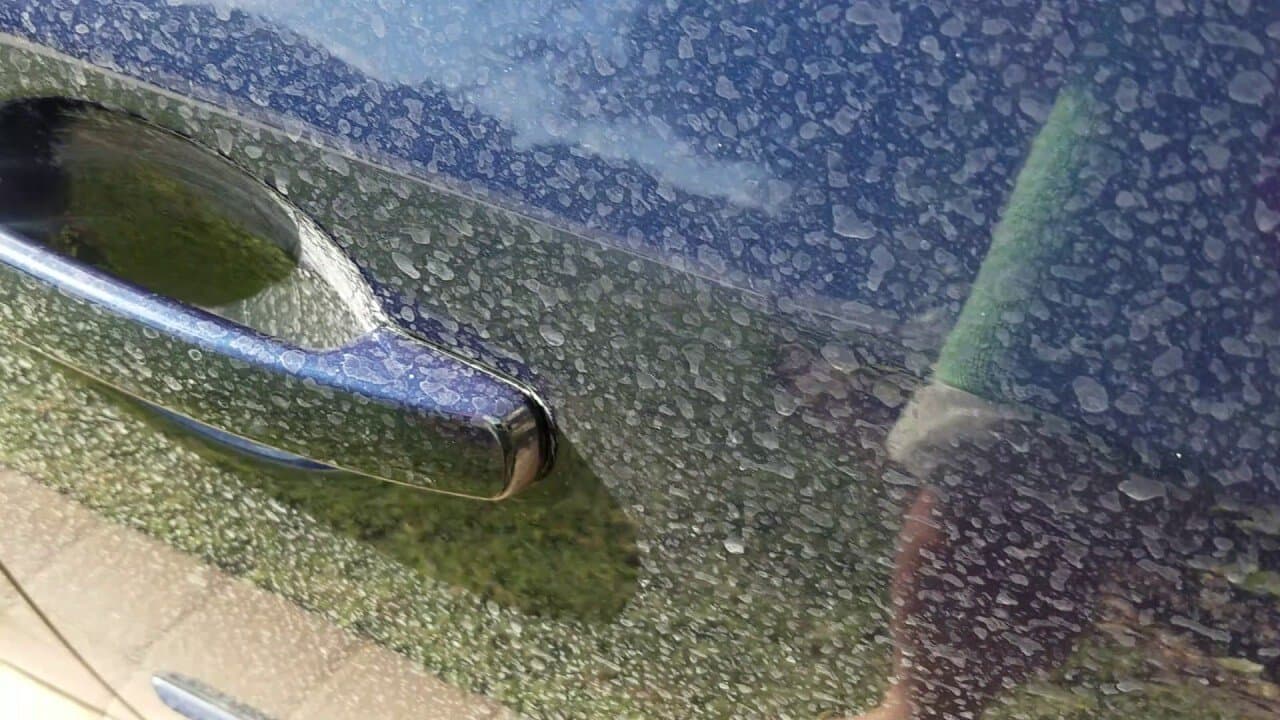
Water spots form when droplets dry on your vehicle and leave behind minerals or other residue. Tap water often contains calcium, magnesium, salts, and other dissolved solids. When the water evaporates, those solids stay on the clear coat as small rings or cloudy patches.
The problem gets worse when the water dries in direct sun. Heat speeds up evaporation, so minerals have less time to flow away. A hot hood or roof can dry before you finish rinsing the rest of the vehicle.
Common causes include:
• Hard tap water with a high mineral content
• Washing the car in direct sunlight
• Allowing rinse water to air-dry
• Using too much soap or the wrong cleaner
• Drying with a dirty towel
• Rinsing only part of the vehicle at a time
• Leaving bird droppings, bug marks, or road film on the paint
Water spots are not always just on top of the clear coat. Mild spots may sit on the surface and wipe away. Severe spots can bond with the paint or etch into the clear coat, especially when minerals bake onto a hot panel.

How to stop water spots after car wash
The best way to stop water spots after car wash is to control three things: the water, the surface temperature, and the drying process. Wash in the shade, use a clean wash solution, rinse well, and never let water sit on the paint.
Follow this basic order:
Move the car into shade before washing.
Rinse away loose dirt from the paint and wheels.
Wash one panel at a time with clean water and a car-safe shampoo.
Rinse the panel before the soap dries.
Complete a final rinse with filtered or deionized water when possible.
Dry the car right away with a soft microfiber drying towel.
Check the glass, mirrors, trim, door handles, and license plate area for trapped water.
This process works because it removes dirt before contact, limits mineral residue, and prevents standing water from drying on the finish. It also reduces the chance of rubbing grit across the clear coat.
In my hands-on detailing experience, the most common mistake is not the wash itself. It is the five-minute delay after the rinse. A vehicle can look perfect while wet, then show dozens of spots once the sun reaches the roof.

Wash your car at the right time
Timing plays a major role in how to stop water spots after car wash. The ideal conditions are cool, cloudy, and calm. You do not need a cold day, but the body panels should feel cool to the touch.
Avoid washing when:
• The paint is hot from driving
• The sun is strong
• The wind is blowing dust across the vehicle
• Rain is expected before you can dry the car
• You cannot finish the wash without long breaks
Early morning and late afternoon often work well. If you must wash during the day, use a covered parking area or a shaded driveway. Keep moving around the vehicle so no panel remains wet for too long.
A hot panel acts like a frying pan for water. It pulls moisture away quickly and leaves mineral residue behind. Shade does not remove minerals from the water, but it gives you more time to rinse and dry them away.

Use the correct wash method
A safe wash method helps prevent both water spots and scratches. Start with a strong rinse to remove loose sand, dust, and road film. This first step lowers the amount of dirt that your wash mitt must touch.
Use two buckets if possible. One bucket should contain car shampoo and water. The second should contain clean rinse water. After cleaning each panel, rinse the mitt in the second bucket before returning it to the shampoo.
A good wash routine looks like this:
• Clean the wheels and tires first with separate tools.
• Rinse the entire vehicle from top to bottom.
• Wash the roof, windows, and upper panels first.
• Move to the hood, trunk, doors, and lower panels.
• Use straight, gentle passes instead of hard circles.
• Rinse each section before the soap dries.
• Replace dirty water when it becomes cloudy or gritty.
Do not use dish soap for regular car washing. It may remove protective wax and can leave the surface less resistant to contamination. A pH-balanced automotive shampoo is a better choice because it is made for clear coat, wax, sealants, and vehicle trim.
Improve the final rinse
The final rinse is one of the most important steps in how to stop water spots after car wash. A normal hose can leave mineral-rich water on the paint. A filtered, softened, or deionized water system reduces the solids left behind after evaporation.
A deionized water system removes many charged minerals from the rinse water. Because fewer minerals remain, the water can dry with little or no visible residue. Professional detailers often use this method because it saves drying time and reduces spotting on glass and dark paint.
You can also use a water softener, but it is not the same as deionized water. A softener reduces calcium and magnesium by exchanging them with other ions. It may help, but it does not guarantee a completely spot-free finish.
If filtered water is not available, use this method:
Rinse one section at a time.
Keep the surface wet until the entire wash is complete.
Use a gentle, open-hose rinse at the end.
Start drying immediately.
An open-hose rinse can help water sheet off the vehicle instead of forming many small beads. This does not remove all minerals, but it leaves less water behind to dry.

Dry the car immediately
Fast drying is one of the simplest answers to how to stop water spots after car wash. Do not wait for the vehicle to air-dry unless you are using a reliable spot-free rinse.
Use a large, clean, high-quality microfiber drying towel. A twisted-loop or plush microfiber towel absorbs more water than a thin household cloth. Lay the towel flat and gently pull it across the panel. Avoid pressing hard.
Helpful drying tools include:
• Large microfiber drying towels
• A soft, filtered-air car dryer
• A clean rubber water blade used with care
• A small microfiber towel for mirrors and trim
• A separate towel for wheels and dirty lower panels
A car dryer is useful around mirrors, emblems, grilles, door handles, and body gaps. These areas often release water later and create fresh spots after you think the car is dry.
Never dry the paint with an old bath towel, paper towel, or rough cotton rag. These materials can hold grit, create lint, and leave fine scratches. Keep drying towels separate from towels used on wheels or engine parts.

Choose products that help prevent spots
Protection makes how to stop water spots after car wash easier because a smooth, protected surface sheds water and contamination more easily. Wax, paint sealants, and ceramic coatings can all help, but none makes a car immune to water spots.
A spray wax or drying aid can add lubrication and improve water behavior. A paint sealant may last longer than a traditional wax. A ceramic coating can create a durable chemical barrier, but mineral deposits can still dry on top of it.
Use products according to their instructions. Applying too much product can create streaks that look like water spots. Always work on a cool surface and buff residue with a clean towel.
Paint protection film and ceramic coatings have limits. They protect the underlying surface, but they still need regular washing. If hard water dries on a coated vehicle, the coating may need a mineral-safe cleaner or professional treatment.

Remove water spots that already exist
The best way to stop water spots after car wash is prevention, but existing marks can often be removed with the least aggressive method first. Begin by washing and drying the vehicle so you can see the true condition of the paint.
Try these steps in order:
Wipe the area with a clean, damp microfiber towel.
Wash the panel with pH-balanced car shampoo.
Use a water-spot remover made for automotive paint.
Rinse the product away and dry the panel.
Inspect the surface under good light.
Use a light polish only if the mark remains.
Water-spot removers often contain mild acids that dissolve mineral deposits. Follow the label carefully, wear gloves, and do not allow the product to dry on the surface. Test it on a small hidden area first, especially on older paint or aftermarket finishes.
If the spot has etched into the clear coat, a chemical cleaner may not remove it. Light machine polishing can level the damaged surface, but aggressive polishing removes clear coat. Deep etching may require a professional detailer or body shop.
Do not use vinegar, bathroom limescale cleaner, abrasive powder, or harsh household chemicals without confirming that the product is safe for automotive paint. A home remedy may remove minerals but damage wax, trim, glass coatings, or the clear coat.

Avoid common water-spot mistakes
Many people search for how to stop water spots after car wash after making one of these simple mistakes. Correcting the routine usually works better than buying stronger chemicals.
Avoid these habits:
• Washing the car in direct sun
• Letting shampoo dry on the paint
• Using a dirty wash mitt
• Using one towel for the whole vehicle
• Rinsing with a hot hose
• Leaving water inside mirrors and trim
• Wiping dry dirt from the paint
• Scrubbing spots with a rough sponge
• Applying a cleaner to a hot panel
• Assuming a ceramic coating never needs maintenance
Another mistake is washing only the visible paint. Water can remain under mirrors, around emblems, inside door handles, and behind the fuel door. When the vehicle moves, that trapped water runs across clean panels and leaves new marks.
I once saw a dark vehicle develop fresh spots minutes after drying. The paint was dry, but the side mirrors were still holding rinse water. A short blast of clean air and a small towel solved the issue. Checking hidden water pockets is a small step with a big payoff.

A simple professional-style routine
This routine combines the most reliable methods for how to stop water spots after car wash. It works well for most daily drivers, SUVs, and trucks.
Before washing
• Park in shade.
• Let the paint cool.
• Gather clean towels and separate wheel tools.
• Check the water source for heavy mineral buildup.
• Close windows and remove personal items from the vehicle.
During washing
• Rinse from top to bottom.
• Clean wheels with separate tools.
• Wash one panel at a time.
• Rinse the mitt often.
• Keep soap from drying.
• Rinse the vehicle again after washing.
During drying
• Remove most water with a gentle open-hose rinse.
• Dry glass and upper panels first.
• Use a clean microfiber towel.
• Blow water from mirrors, trim, and emblems.
• Replace a saturated towel with a dry one.
After drying
• Inspect the paint from several angles.
• Wipe small remaining droplets.
• Apply a compatible drying aid or protection product if needed.
• Store wet towels separately so they can be washed properly.
Wash microfiber towels with a mild detergent. Avoid fabric softener because it can reduce absorbency and leave residue. Dry towels on low heat or air-dry them, then store them in a clean, covered place.
When professional detailing makes sense
Most light water spots are manageable at home. Professional help is worthwhile when the spots remain after washing and a paint-safe chemical remover. It is also wise to seek help when the paint has cloudy etching, severe oxidation, or many deep marks.
A detailer may use a paint inspection light, water-spot remover, clay treatment, machine polishing, or coating maintenance service. The correct process depends on whether the deposit sits on top of the paint or has etched into it.
Ask the detailer:
• What caused the damage?
• Will chemical removal be enough?
• How much clear coat may be removed?
• Will the treatment affect wax or ceramic protection?
• What maintenance routine do you recommend?
Be cautious with anyone who promises that one harsh product will fix every spot. Paint condition, water chemistry, temperature, and coating type all affect the result.
Frequently Asked Questions About How to Stop Water Spots After Car Wash
What is the fastest way to stop water spots after car wash?
Dry the vehicle immediately with a clean microfiber towel after rinsing. Washing in the shade and using filtered or deionized water makes the process even more effective.
Can I let my car air-dry after washing?
You can, but regular tap water may leave mineral deposits as it evaporates. Air-drying is safest when the final rinse uses spot-free water and the vehicle is parked away from dust and direct sunlight.
Does wax prevent water spots?
Wax can make water and dirt easier to remove, but it does not prevent water spots completely. Minerals can still dry on top of wax, especially in hot weather or when hard water is used.
Can vinegar remove water spots from car paint?
Diluted vinegar may dissolve some mineral deposits, but it can affect wax and may be unsafe for certain trim or coatings. A purpose-made automotive water-spot remover is usually a safer choice when used as directed.
Are water spots permanent?
No. Many light deposits can be removed with washing or a paint-safe mineral remover. Older spots may etch into the clear coat and require polishing or professional correction.
Does a ceramic coating stop water spots?
No. A ceramic coating adds protection and may make cleaning easier, but minerals can still dry on its surface. Coated vehicles still need prompt rinsing, drying, and routine maintenance.
Should I use a leaf blower to dry my car?
A clean blower can remove water from mirrors, grilles, emblems, and panel gaps without touching the paint. Use filtered or clean air when possible, because blowing dust across wet paint can cause scratches.
Conclusion
The most dependable way to stop water spots after car wash is to wash in the shade, use clean automotive products, rinse thoroughly, and dry the vehicle before water evaporates. Filtered or deionized water can reduce mineral residue, while proper towels and paint protection make maintenance easier.
Start with one change today: stop allowing rinse water to air-dry on hot paint. Keep a clean microfiber towel in your wash kit, inspect hidden water pockets, and treat existing spots before they etch. Use this routine on your next wash, then share your results or explore more professional car-care tips.