

Clean car seats by vacuuming first, testing products, washing gently, and drying them fully.
Clean car seats can look fresh again without harsh chemicals or costly detailing. The right method depends on whether you are cleaning cloth upholstery, leather, or a child safety seat. This guide explains how to clean car seats safely, remove common stains, avoid damage, and keep odors from coming back.
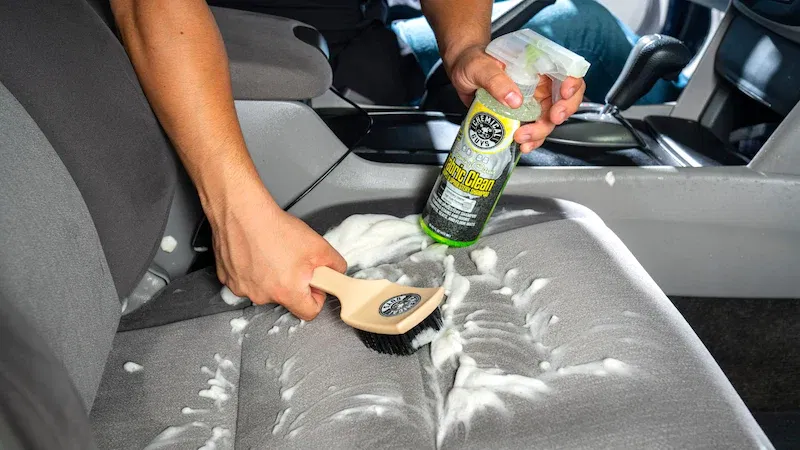
Before you clean car seats
Start by identifying the seat material. Cloth, leather, vinyl, suede-like fabric, and child car seat covers each need a different approach. Using the wrong cleaner can leave marks, weaken fabric, or damage protective coatings.
Check your vehicle manual and the seat manufacturer’s care guide before you begin. This matters most for child safety seats, which include straps, buckles, foam, and plastic parts that may not tolerate strong cleaners or machine washing.
Gather these basic supplies:
• A vacuum with a crevice tool
• Soft microfiber cloths
• A soft-bristled brush
• Mild dish soap or upholstery cleaner
• Leather cleaner and conditioner, if needed
• Warm water
• A spray bottle
• Baking soda for odors
• Paper towels or an absorbent towel
• A soft toothbrush for seams and small areas
Open the doors or windows while you work. Good airflow helps the seats dry faster and reduces the risk of musty smells.
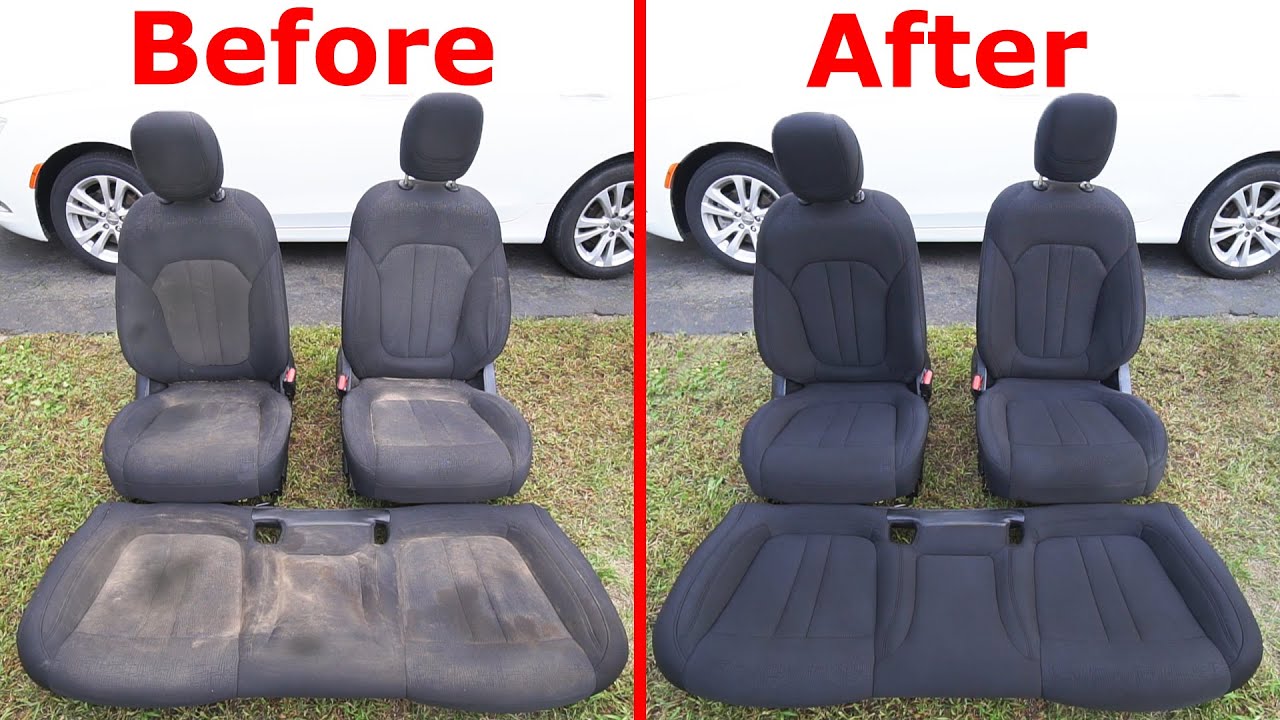
How to clean cloth car seats
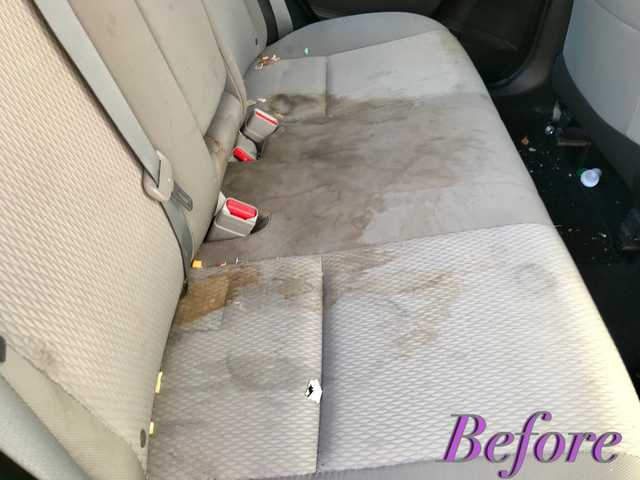
Cloth seats hold dust, crumbs, spilled drinks, and body oils. The safest method is to remove dry dirt first and use only a small amount of moisture.
1. Remove loose dirt
Take out floor mats and personal items. Move the seats forward and backward so you can reach the rails, gaps, and back edges.
Vacuum the entire seat. Use the crevice tool around seams and under plastic trim. Do not skip the cracks, because hidden crumbs can keep producing odors.
2. Test the cleaner
Mix a small amount of mild dish soap with warm water. You can also use a fabric upholstery cleaner made for automotive interiors.
Test the solution on a hidden spot. Wait several minutes after wiping it away. If the color does not change and the fabric does not feel stiff, continue with the rest of the seat.
3. Apply light moisture
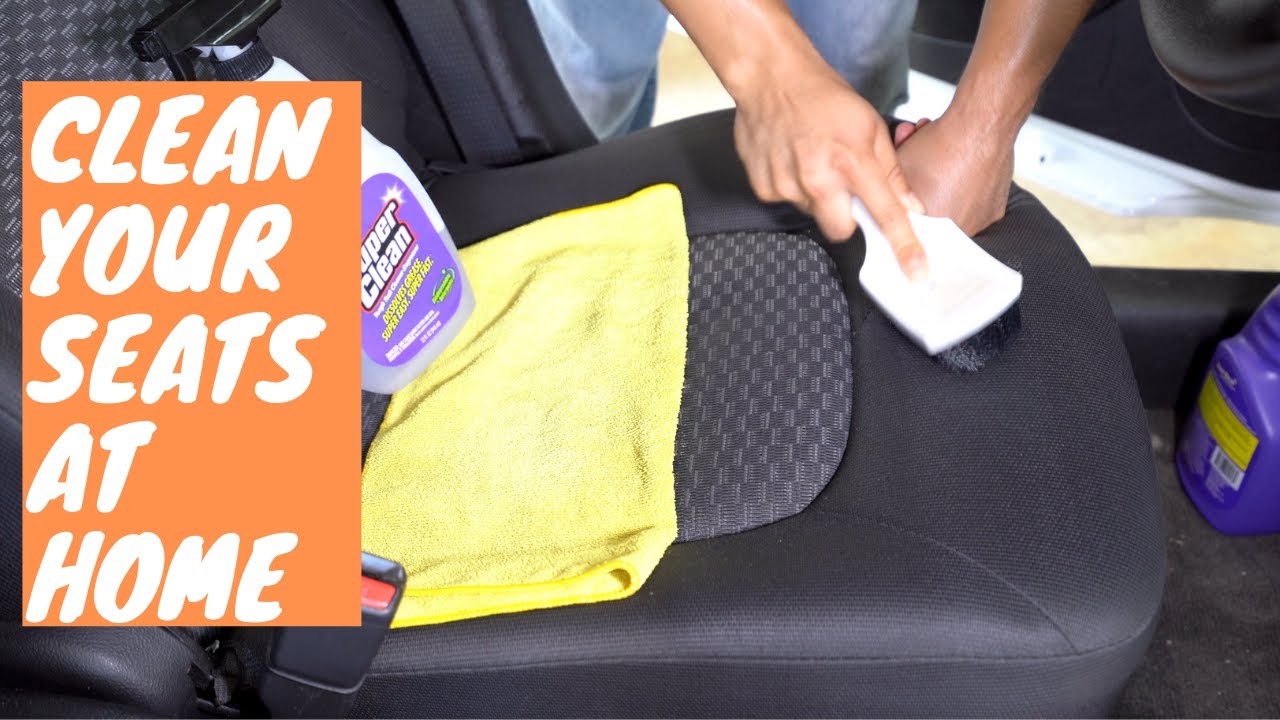
Spray the cleaner onto a cloth or brush rather than soaking the seat. Work in small sections and use gentle circular motions.
Avoid flooding the cushion. Many car seats contain foam and wiring beneath the fabric. Too much water can stay trapped inside and lead to mildew, a sour smell, or electrical problems in heated seats.
4. Lift the stain
For fresh spills, blot instead of rubbing. Rubbing can push liquid deeper and spread the mark.
For an older stain, use a soft brush with light pressure. Work from the outside toward the center so the stain does not grow.
5. Rinse and dry
Wipe the area with a clean, damp microfiber cloth. This removes leftover soap, which can attract more dirt.
Press a dry towel over the seat to absorb moisture. Leave the doors or windows open until the fabric is fully dry. A fan can help, but avoid intense heat from a hair dryer.
When I clean cloth car seats, the biggest improvement usually comes from patience. A light second pass is safer than one aggressive scrub. I once saw a dark drink stain become worse after someone soaked the cushion and closed the car overnight.
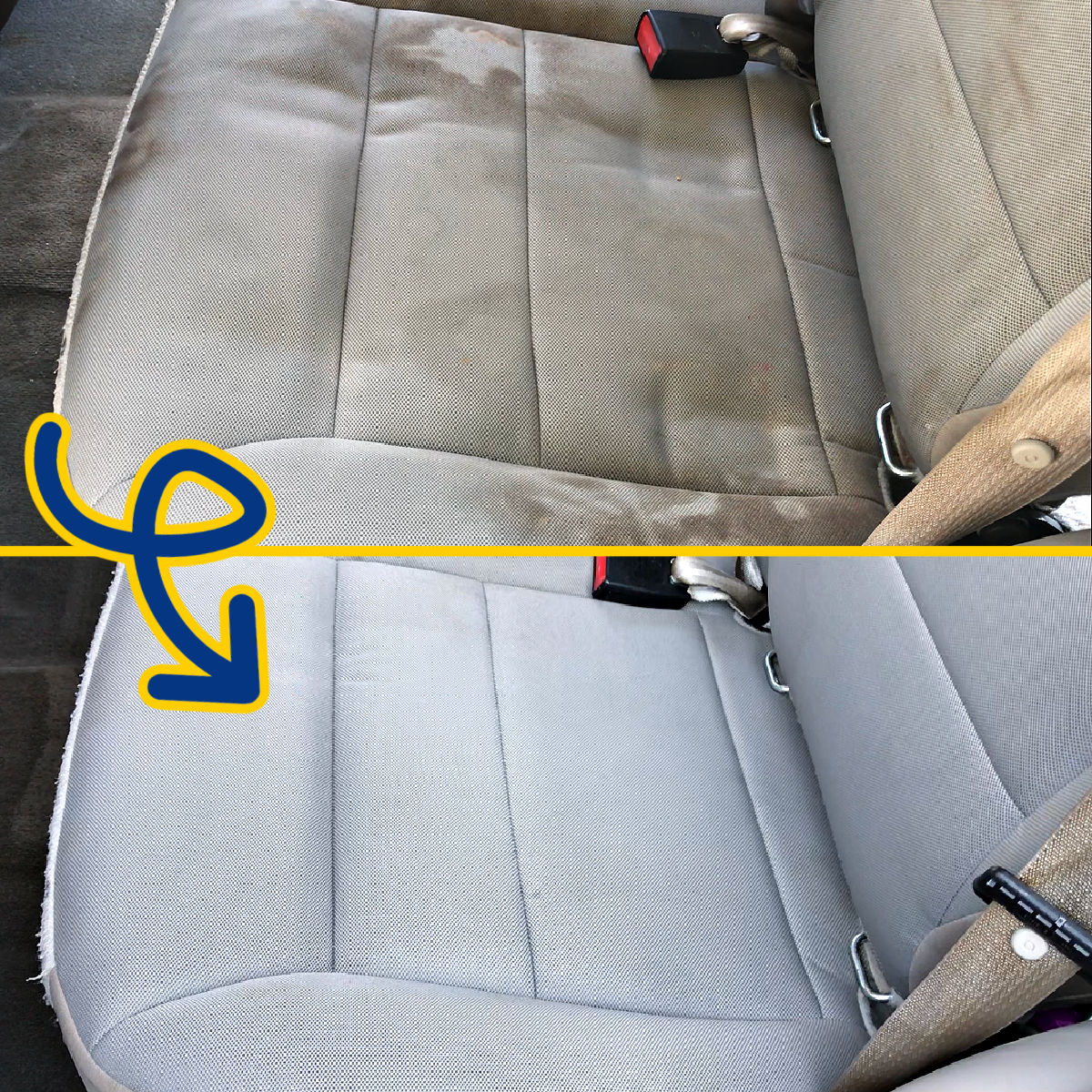
How to clean leather car seats
Leather needs cleaning, but it also needs protection. Dirt and body oils can slowly dry the surface or make it look dull.
First, vacuum the seats with a soft brush attachment. Keep the nozzle from dragging across the leather. Pay close attention to stitching and perforated areas.
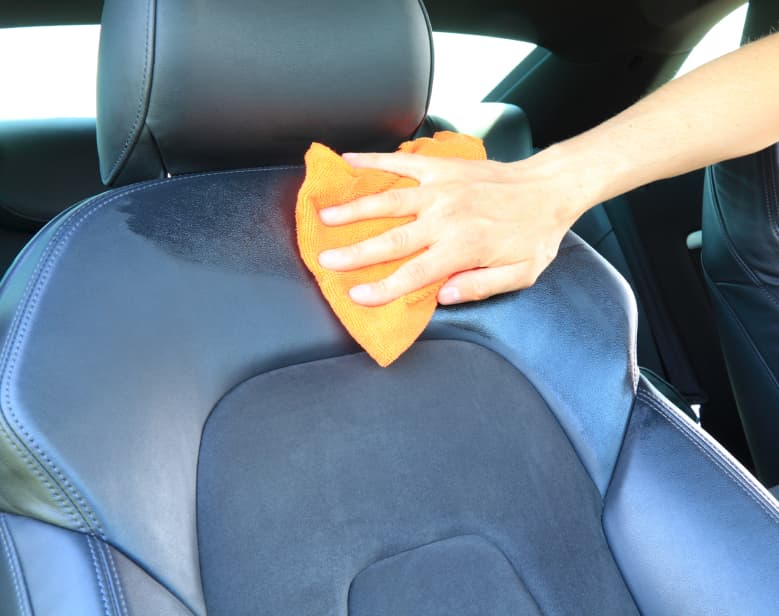
Apply a small amount of leather cleaner to a microfiber cloth. Never pour cleaner directly onto the seat. Wipe one section at a time, then remove the residue with another clean cloth.
Use a soft toothbrush around seams. Keep the brush gentle, especially on older leather with cracks or worn color.
After cleaning, apply a leather conditioner made for automotive leather. Follow the product instructions and use a thin layer. Too much conditioner can make the seat greasy and may transfer onto clothing.
Keep these points in mind:
• Do not use bleach or ammonia on leather.
• Do not use household furniture polish unless the product says it is safe for automotive leather.
• Do not scrub cracked areas.
• Do not leave leather wet for long periods.
• Keep freshly cleaned leather out of strong sunlight while it dries.
Some modern seats use coated leather, synthetic leather, or vinyl. These materials may need less conditioner than traditional leather. If you are unsure, check the vehicle manual or ask the automaker’s service department.
:max_bytes(150000):strip_icc()/how-to-clean-cloth-car-seats-4693504-01-B-550a4fe9d4a340b2b13b276ac06af6c8.jpg)
How to clean vinyl and synthetic leather seats
Vinyl and synthetic leather are often easier to clean than cloth or natural leather. They still need mild care.
Vacuum loose dirt first. Then wipe the surface with a cloth dampened with warm water and a small amount of mild soap. Use a soft brush for textured areas.
Wipe away soap with a clean, damp cloth. Dry the seat with a towel so water does not collect near seams, buttons, or electronic controls.
Avoid products that contain strong solvents. They may make vinyl feel sticky, fade the color, or cause surface cracking over time. Do not use abrasive pads or rough sponges.
For white or light-colored seats, clean small areas often. Waiting until grime builds up can make dark transfer marks much harder to remove.
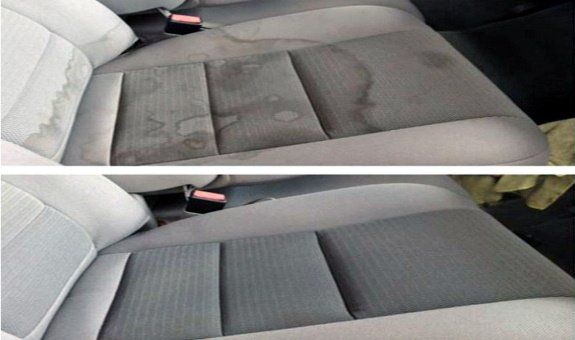
How to clean stains from car seats
Different stains respond to different methods. Always blot fresh spills and test any cleaner on a hidden area first.
Coffee, tea, and soda
Blot the liquid with a clean towel. Mix warm water with a small amount of mild soap, then dab the stain.
Soda leaves sugar behind, so rinse the area with a lightly damp cloth after cleaning. Dry it well to prevent stickiness.
Grease and oil
Lift solid grease with the edge of a plastic card. Do not scrape hard.
For cloth seats, apply a small amount of fabric-safe cleaner. For leather or vinyl, use a cleaner designed for that surface. Avoid spreading the oil with a wet cloth.
Milk and other dairy spills
Milk can create a strong odor as it dries. Blot the spill quickly, clean the area with mild soap and water, and repeat if needed.
Drying is especially important. If the smell remains, the liquid may have reached the foam beneath the cover. At that point, professional extraction may work better than surface cleaning.
Ink
Ink can spread quickly. Do not scrub it with water alone. Use a product labeled safe for your seat material and apply it to a cloth, not directly to the seat.
Professional help is the safer choice for large ink stains or light-colored leather.
Vomit and other organic messes
Wear gloves and remove solid material with paper towels. Blot the area, then clean it with a suitable upholstery product.
Do not mix cleaning chemicals. For stubborn odor, an enzyme cleaner may help on compatible fabric, but always test it first and follow the label.
Pet hair
Vacuuming alone may not remove embedded hair. Use a rubber pet-hair brush, slightly damp rubber glove, or specialized interior brush.
Work in one direction and collect the hair before vacuuming again. Avoid soaking the seat, since moisture can make hair cling more tightly to fabric.
:max_bytes(150000):strip_icc()/how-to-clean-leather-car-seats-5204366-07-7bd9d1ef3e474a24ae1cdbf932a789e2.JPG)
How to clean child car seats safely
Cleaning a child car seat requires more care than cleaning normal vehicle upholstery. A child safety seat is part of a crash protection system, so cleaning must not affect the harness, buckle, padding, or shell.
Read the manufacturer’s instructions first. Some covers can go in a washing machine, while others must be hand-washed. The instructions may also specify water temperature, detergent type, and drying method.
Use this general process:
- Photograph the seat before removing anything.
- Remove the seat from the vehicle if possible.
- Follow the manual when removing the cover and padding.
- Vacuum crumbs from the shell and cover.
- Wash removable fabric only as the instructions allow.
- Clean the plastic shell with mild soap and water.
- Wipe the harness with a damp cloth if the manual permits it.
- Air-dry every part completely.
- Reassemble the seat exactly as shown in the manual.
- Check the harness and buckle before using the seat again.
Never use bleach, harsh disinfectants, solvents, or abrasive cleaners on the harness unless the manufacturer specifically approves them. Do not machine-wash or machine-dry harness straps unless the instructions say it is safe.
Do not soak the buckle. Food and dirt can block its internal mechanism, but liquid may also cause problems. If the buckle does not click, release, or work smoothly, contact the manufacturer instead of forcing it.
Do not reinstall a child car seat while any part is damp. Moisture can cause odor and may hide a cleaning problem inside the padding.
A useful safety rule is simple: the owner’s manual comes first. General cleaning advice cannot replace instructions for a specific model.
How to remove odors from car seats
Odor often comes from spilled liquid, damp foam, food particles, or bacteria on the surface. Covering the smell with air freshener rarely solves the cause.
Vacuum the seat and nearby carpet. Clean visible stains, then dry the area fully. Place an open container of baking soda in the vehicle overnight, but do not rub baking soda into leather or leave loose powder where children can reach it.
For cloth upholstery, a fabric-safe enzyme cleaner may help with organic odors. Follow the label and test a hidden area first. Never mix enzyme products with bleach or other cleaners.
If the smell returns after cleaning, check under the seat, inside the seat rails, beneath floor mats, and around the center console. A spill may have traveled farther than it appears.
Professional hot-water extraction can help with deeply embedded odors. However, extraction also adds moisture, so the vehicle must have enough ventilation and drying time.
How to dry car seats properly
Drying is a key part of learning how to clean car seats. A seat that looks clean but stays damp can develop a musty smell.
Use towels to press out moisture. Do not twist or aggressively squeeze cushions, because this may distort the foam or fabric.
Park in a safe, ventilated place and open the doors or windows. Use a fan to move air through the cabin. Avoid leaving the car closed in direct heat while the seats are wet.
Do not use a high-temperature heat gun. Excessive heat may shrink fabric, damage leather coatings, warp plastic, or affect adhesives.
Before driving, check for damp seams and the areas between the seat cushion and backrest. Let the seat dry longer if it still feels cool or moist.
Mistakes to avoid when cleaning car seats
Many seat-cleaning problems come from using too much force or too much product. These common mistakes are easy to avoid:
• Skipping the vacuum step and turning crumbs into wet paste
• Soaking the foam beneath the seat cover
• Scrubbing one spot until the fabric fades
• Using bleach on colored fabric or leather
• Applying household glass cleaner to leather
• Mixing cleaning products
• Ignoring the manufacturer’s instructions for child car seats
• Closing the car before the seats are dry
• Using a steam cleaner on materials that are not steam-safe
• Forgetting to test a product in a hidden area
A clean seat should not smell strongly of chemicals. If your eyes, skin, or throat feel irritated, stop cleaning and increase ventilation.
How often should you clean car seats?
Clean car seats whenever there is a spill, visible dirt, or a strong odor. Quick action is easier than treating a stain that has dried for months.
For normal use, vacuum the seats every few weeks. Wipe leather and vinyl about once a month, depending on use. Deep-clean cloth seats two to four times each year or when they look soiled.
Families with young children, pets, or frequent passengers may need a more regular routine. A small clean-up kit in the trunk can prevent stains from setting.
A simple maintenance plan includes:
• Daily or weekly: Remove trash and shake out loose crumbs.
• Every few weeks: Vacuum seats, seams, and floor areas.
• Monthly: Wipe vinyl or leather and inspect for cracks.
• After spills: Blot and clean the spot as soon as possible.
• Every few months: Perform a deeper interior clean.
Regular care protects comfort and appearance. It can also help you notice torn fabric, loose trim, damaged buckles, or other problems early.
When to hire a professional detailer
DIY cleaning works well for light dirt and small spills. Professional detailing may be better when stains have reached the foam, odors keep returning, or the upholstery needs extraction.
Consider professional help if:
• The seats have extensive water damage.
• Mold or mildew is present.
• A large amount of milk, vomit, or pet waste soaked into the cushion.
• Leather is cracked, peeling, or badly discolored.
• You cannot safely remove a stain without harsh chemicals.
• A child car seat has a damaged harness, buckle, or shell.
Ask the detailer what products and equipment they use. Make sure they understand the difference between vehicle upholstery and child restraint materials.
A professional cleaning cannot repair crash damage. Replace a child car seat after a crash when the manufacturer or applicable safety guidance says replacement is required. When in doubt, contact the seat maker.
Frequently asked questions about how to clean car seats
What is the best way to clean cloth car seats?
Vacuum first, then use a small amount of fabric-safe cleaner with a soft brush or microfiber cloth. Blot stains, remove soap residue with a damp cloth, and dry the seat fully.
Can I use dish soap to clean car seats?
A small amount of mild dish soap diluted in water can work on many cloth, vinyl, and synthetic leather surfaces. Always test it first, use little moisture, and avoid using it as a regular cleaner on natural leather.
Can I use a steam cleaner on car seats?
Steam may damage some fabrics, adhesives, leather coatings, electronics, and child seat materials. Use steam only when the vehicle or seat manufacturer clearly allows it.
How do I clean a child car seat cover?
Follow the child seat manual before removing or washing the cover. Wash and dry it exactly as directed, and never use harsh chemicals or high heat unless the manufacturer approves them.
How do I remove a bad smell from car seats?
Find and clean the source of the odor, then dry the seat completely. For fabric, a compatible enzyme cleaner may help, while persistent smells may require professional extraction.
How long do car seats take to dry after cleaning?
Lightly damp seats may dry in a few hours with good airflow. Seats that receive heavy cleaning or extraction may need much longer, so do not use them until the padding and seams are fully dry.
Conclusion
Learning how to clean car seats is mostly about using the right product, the right amount of moisture, and gentle pressure. Vacuum first, treat stains early, protect leather, follow child seat instructions, and allow every surface to dry completely.
Start with one seat and a hidden spot test. With steady care, you can keep your vehicle cleaner, fresher, and more comfortable without causing avoidable damage. Share your best cleaning tip or explore more practical car care guides for your next interior refresh.