

For most drivers in the United States, the BFGoodrich All-Terrain T/A KO3 is the best all-terrain tire overall. It offers a strong mix of highway comfort, wet-road grip, winter traction, sidewall protection, and off-road strength.
That said, no tire is best for every American driver. A Ford F-250 used on rocky Colorado trails needs a different tire from a Honda Ridgeline driven on wet Oregon roads. The right choice depends on your truck or SUV, road use, climate, load, and off-road needs.
The best alternatives are:
- Best overall: BFGoodrich All-Terrain T/A KO3
- Best for snow and daily driving: Falken Wildpeak A/T4W
- Best for quiet highway use: Toyo Open Country A/T III
- Best for rough trails: General Grabber A/TX
- Best for many half-ton trucks and SUVs: Cooper Discoverer Road+Trail AT
These are all-terrain tires, not mud tires. They are made to work on paved roads, gravel, dirt, sand, and light to moderate trails.
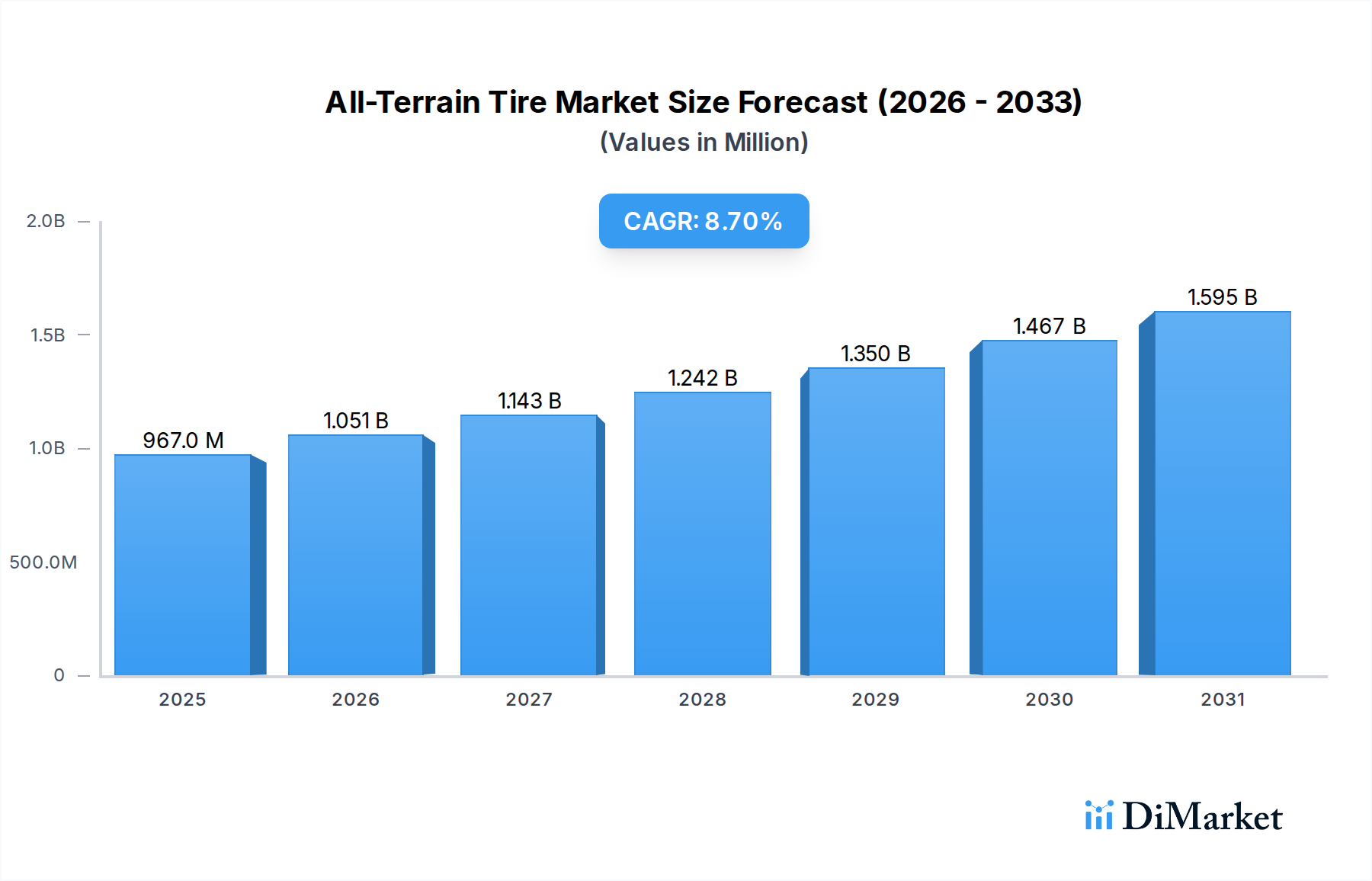
Quick answer: Which all-terrain tire should you buy?
The BFGoodrich All-Terrain T/A KO3 is the strongest all-around pick for many U.S. drivers. Its design focuses on durability, traction, and off-road control without giving up normal road manners.
Choose the Falken Wildpeak A/T4W if snow, rain, and daily highway use matter most. Choose the Toyo Open Country A/T III if you want a smoother and quieter ride. Choose the General Grabber A/TX if sidewall strength and trail use are higher priorities than road comfort.
Before buying, check more than the tread pattern. The correct tire must also match:
- Your vehicle’s approved tire size
- Load index
- Speed rating
- Wheel width
- Front and rear fitment
- Intended cargo or trailer load
- Local weather and road conditions
A tire that fits poorly or carries too little weight is not a safe upgrade.
What makes a good all-terrain tire?
A good all-terrain tire balances road use and off-road traction. It needs open tread blocks for loose ground, but it also needs enough rubber contact for stable braking and steering on pavement.
The main features are:
- Open tread grooves: Help clear mud, gravel, and loose dirt.
- Interlocking tread blocks: Improve stability on dry pavement.
- Strong sidewalls: Reduce the risk of cuts and bruises on rocks.
- Stone ejectors: Help limit gravel from lodging in the tread.
- Siping: Small cuts in the tread can improve grip on wet and cold roads.
- Three-Peak Mountain Snowflake marking: Shows that the tire passed a defined severe-snow traction test.
- LT construction: Adds load capacity and casing strength but may increase weight and ride harshness.
An all-terrain tire is a compromise by design. More off-road bite often means more noise, rolling resistance, and steering effort. A smoother tread usually works better on the highway but may struggle in deep mud or loose rock.
All-terrain versus all-season tires
All-season tires are mainly built for paved roads. They may handle a gravel road, but they are not designed for repeated trail use.
All-terrain tires have deeper grooves and tougher casings. They usually provide better traction on:
- Gravel
- Dirt
- Sand
- Light mud
- Rocky tracks
- Snow-covered roads
They may also reduce fuel economy compared with highway tires. The change depends on tire size, construction, pressure, vehicle weight, and driving style.
All-terrain versus mud-terrain tires
Mud-terrain tires have larger voids between tread blocks. This helps them clean out thick mud. It can also make them louder and less stable on wet pavement.
For most drivers, an all-terrain tire is the better compromise. It is more useful for a mix of commuting, towing, road trips, forest roads, and weekend trails.

The best all-terrain tires on the U.S. market
The following choices are based on documented design features, common fitment, and the trade-offs each tire presents. They are not the result of one independent test under every road and weather condition.
1. BFGoodrich All-Terrain T/A KO3: best overall
The BFGoodrich All-Terrain T/A KO3 is the best all-terrain tire for drivers who want a broad balance of road and trail performance.
It is designed for pickup trucks, SUVs, and many off-road vehicles. BFGoodrich markets the KO3 around improved durability, traction on multiple surfaces, and stronger performance in severe snow conditions than earlier versions.
Why it stands out:
- Strong reputation for off-road durability
- Good traction on gravel and rocky trails
- Available in many truck and SUV sizes
- Suitable for drivers who split time between pavement and trails
- Severe-snow-rated versions are available in the range
Best for: Daily-driven trucks, hunting vehicles, overland builds, and drivers who regularly leave paved roads.
Limits: It may be louder and firmer than a highway tire. Some heavy-duty LT versions can also reduce ride comfort and fuel economy. Always confirm the exact size and service description because features can vary by size.
2. Falken Wildpeak A/T4W: best for snow, rain, and daily use
The Falken Wildpeak A/T4W is a strong choice for drivers who face wet roads, winter weather, and long highway trips.
Its tread design aims to maintain road stability while offering useful traction on dirt and snow. Falken offers the tire in many passenger-metric and light-truck applications, though the exact ratings differ by size.
Why it stands out:
- Good fit for daily driving
- Strong wet- and winter-weather focus
- Stable handling for trucks and SUVs
- Available in many sizes and load ranges
- Useful for drivers who want an all-terrain look without an extreme trail tire
Best for: Drivers in the Pacific Northwest, Great Lakes, Northeast, and mountain states who use their truck every day.
Limits: It is not a replacement for dedicated winter tires in severe ice or frequent deep-snow conditions. A tire with a Three-Peak Mountain Snowflake marking still cannot match a true winter tire on ice.
3. Toyo Open Country A/T III: best for highway comfort
The Toyo Open Country A/T III is a good choice when road comfort matters as much as trail grip.
Its tread is less aggressive in appearance than some competitors. That can help reduce road noise and create a more settled feel on the highway. Toyo offers the model in many sizes for trucks, SUVs, and crossover vehicles.
Why it stands out:
- Good balance of road manners and light off-road use
- Often appealing to drivers who dislike loud tires
- Strong choice for gravel roads and camping trips
- Available in several load ranges and sizes
- Suitable for towing when the correct load rating is selected
Best for: Highway-driven pickups, family SUVs, campers, and drivers who use dirt roads but rarely face deep mud or sharp rock.
Limits: It is not the first choice for frequent technical trails. A less open tread can give up some loose-mud performance compared with a more aggressive all-terrain tire.
4. General Grabber A/TX: best for rugged trail use
The General Grabber A/TX is aimed at drivers who want a tough, aggressive all-terrain tire for work and recreation.
It uses a pronounced tread pattern and reinforced construction in many applications. The design can provide useful grip on dirt, gravel, and rocky ground.
Why it stands out:
- Strong sidewall-focused design
- Aggressive tread appearance
- Good choice for rough access roads
- Offered in many truck and SUV sizes
- Can work well for towing and trail travel when correctly sized
Best for: Construction access roads, ranch use, hunting, camping, and regular travel on rough unpaved roads.
Limits: It may produce more noise and vibration than a road-focused all-terrain tire. Aggressive tires also need careful balancing and regular rotation.
5. Cooper Discoverer Road+Trail AT: best for road-focused all-terrain use
The Cooper Discoverer Road+Trail AT suits drivers who want mild off-road ability without making their truck feel like a trail rig.
It is designed for a wide range of road conditions and light off-road surfaces. Its road-focused approach may appeal to owners of half-ton trucks, crossovers, and SUVs.
Why it stands out:
- Comfortable fit for daily road use
- Suitable for gravel, dirt, and mild trails
- Less aggressive than many rock-crawling tires
- Available for several common U.S. vehicles
Best for: Commuters, road-trip drivers, and owners who use unpaved roads but spend most of their time on asphalt.
Limits: It is not the best tool for deep mud, sharp rocks, or repeated low-pressure trail driving.

Best all-terrain tire by driving need
There is no single winner for every use. This table shows which tire type fits common U.S. driving patterns.
| Driving need | Strong choice | Why |
|---|---|---|
| Mixed highway and trail use | BFGoodrich KO3 | Broad balance of durability and traction |
| Snow, rain, and daily driving | Falken Wildpeak A/T4W | Road-friendly design with winter capability |
| Quiet highway travel | Toyo Open Country A/T III | More road-focused tread behavior |
| Rough gravel and rocky trails | General Grabber A/TX | Aggressive tread and rugged construction |
| Mild dirt roads and commuting | Cooper Road+Trail AT | Comfortable road manners |
| Heavy towing | Correct LT all-terrain tire | Higher load capacity may be needed |
| Deep mud | Mud-terrain tire | All-terrain tires may not clean out well |
| Frequent ice and packed snow | Dedicated winter tire | Winter rubber works better in very cold conditions |
The table is a starting point, not a guarantee. Tire performance can change with size, load range, pressure, vehicle alignment, temperature, and tread wear.
How to choose the right all-terrain tire
Start with the vehicle, not the brand. Your owner’s manual and the tire information placard on the driver’s door show the original tire size and minimum load rating.
1. Confirm the tire size
A size such as 265/70R17 contains useful information:
- 265: Section width in millimeters
- 70: Sidewall height as a percentage of width
- R: Radial construction
- 17: Wheel diameter in inches
Do not change size without checking clearance. A larger tire can contact the fender, suspension, or frame during turns or suspension movement.
A size change can also affect:
- Speedometer readings
- Automatic transmission shift points
- Braking behavior
- Fuel use
- Steering effort
- Spare-tire compatibility
- Advanced driver-assistance systems
2. Select the correct load range
Passenger tires often use a P-metric designation. Light-truck tires may use load ranges such as C, D, or E.
A higher load range is not automatically better. It can add:
- Weight
- Ride firmness
- Road noise
- Cost
- Rolling resistance
For towing or heavy cargo, use a tire with enough capacity for the axle loads. Do not exceed the vehicle’s gross axle weight rating or gross vehicle weight rating.
3. Check the severe-snow marking
The Three-Peak Mountain Snowflake symbol means the tire met a defined severe-snow traction test. It does not mean the tire is a dedicated winter tire.
This marking is useful for drivers in states such as Colorado, Utah, Wyoming, Montana, Michigan, and New York. Some roads and mountain passes may also require approved traction equipment during storms.
Check the exact sidewall and size. Do not assume every version of a model has the same winter rating.
4. Match the tread to your roads
Use a highway-oriented all-terrain tire when you drive mostly on asphalt. Select a more aggressive pattern when you often drive on rocks, gravel, mud, or loose dirt.
A simple rule works well:
- More pavement: Choose a quieter, tighter tread.
- More trail: Choose stronger sidewalls and wider tread gaps.
- More snow: Look for the severe-snow marking and consider a winter tire.
- More towing: Prioritize load capacity and stable handling.
5. Consider tire pressure
Use the vehicle manufacturer’s recommended cold pressure as your starting point. The pressure printed on the tire sidewall is usually the maximum pressure for the tire, not the correct setting for your vehicle.
Check pressure when the tires are cold. Air pressure changes with temperature, and an underinflated tire can:
- Build excess heat
- Wear at the edges
- Reduce fuel economy
- Handle poorly
- Suffer sidewall damage
Off-road pressure adjustments can help on some trails, but they should be made only when the driver understands the risk. Low pressure increases the chance of debeading or damaging the tire. Inflate the tires again before returning to normal road speed.
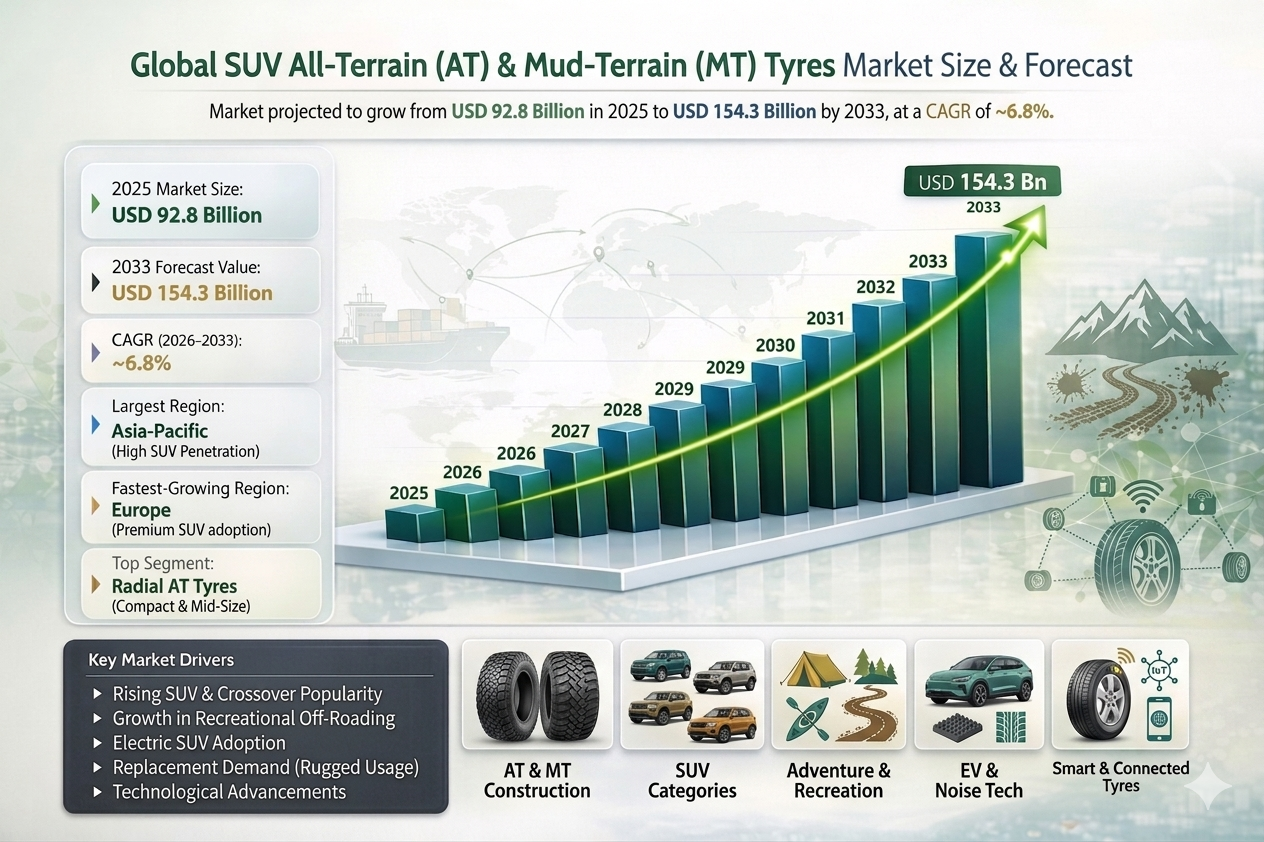
Are all-terrain tires good in snow?
Some all-terrain tires are good in light and moderate snow, but they are not all equal. A Three-Peak Mountain Snowflake marking gives the buyer a useful test-based signal for severe-snow traction.
All-terrain tires can work well in snow because they have:
- Open grooves
- Siping
- Flexible tread features
- Deeper tread than many highway tires
Still, ice is a major weakness for most all-terrain tires. Dedicated winter tires use rubber compounds that stay more flexible in very cold weather. They also use tread designs made for packed snow and ice.
For drivers in northern states, consider a dedicated winter set if:
- Temperatures often stay below freezing
- Ice is common
- You drive early before roads are treated
- You travel through mountain passes
- Your vehicle carries family members or heavy loads
Four-wheel drive helps a vehicle move forward. It does not create extra grip when braking or turning.
How long do all-terrain tires last?
All-terrain tire life varies widely. A rough estimate may range from about 40,000 to 70,000 miles, but this is not a promise for any particular tire.
Life depends on:
- Tire compound
- Vehicle weight
- Alignment
- Tire pressure
- Rotation schedule
- Driving speed
- Trailer use
- Gravel and rock exposure
- Hard acceleration and braking
Check tread depth and condition instead of relying only on mileage. Replace a tire if it shows serious cracking, bulges, exposed cords, repeated punctures, or uneven wear.
Many tire makers advise replacing tires at six to ten years from the date of manufacture, even when tread remains. The exact guidance can vary. The tire sidewall includes a date code, and a tire dealer can help read it.
Rotate tires according to the vehicle maker’s schedule. Four-wheel-drive and all-wheel-drive vehicles can be sensitive to differences in tire diameter, so replacing only one tire may create a drivetrain problem in some vehicles. Ask the vehicle maker or a qualified tire shop before mixing new and worn tires.

Common all-terrain tire buying mistakes
The most common mistake is choosing the most aggressive-looking tire without considering road use. A large tread pattern may look ready for a trail, but it can be noisy and less comfortable during a daily commute.
Other mistakes include:
- Buying the wrong tire size
- Ignoring load index
- Using the maximum sidewall pressure as the vehicle setting
- Assuming four-wheel drive makes any tire safe in snow
- Mixing different tire models on one vehicle
- Ignoring alignment problems
- Skipping tire rotations
- Using a tire that does not clear the suspension
- Expecting an all-terrain tire to perform like a mud tire
- Expecting an all-terrain tire to perform like a winter tire
Do not increase tire size just to improve appearance. A larger tire can reduce clearance and change the vehicle’s handling. Have a qualified installer inspect clearance at full steering lock and during suspension compression.
Frequently asked questions
What is the best all-terrain tire for a 4x4 truck?
The BFGoodrich KO3 is a strong general choice for a 4x4 truck. The Falken Wildpeak A/T4W may be better for a truck that sees more snow and highway use. Confirm the correct load range for towing and cargo.
What is the quietest all-terrain tire?
The Toyo Open Country A/T III and other road-focused all-terrain models are often better choices for low noise than aggressive trail tires. Noise depends on tread wear, vehicle insulation, pressure, and rotation condition.
Are all-terrain tires worth it for daily driving?
They can be worth it if you drive on gravel, dirt, snow, or rough roads. If you stay on pavement, a highway tire may offer better comfort, fuel economy, wet grip, and tread life.
Should I buy LT or passenger-rated all-terrain tires?
Choose based on the vehicle and load. LT tires can offer more load capacity and casing strength, but they are often heavier and firmer. Passenger-rated tires may ride better but may not meet the needs of heavy towing or commercial use.
Can I use all-terrain tires for towing?
Yes, if the tires have enough load capacity and the vehicle remains within its towing and axle-weight limits. Check cold pressure, inspect the tires before each trip, and remember that tires do not increase the truck’s legal or mechanical towing capacity.
Final recommendation
For most U.S. truck and SUV owners, the BFGoodrich All-Terrain T/A KO3 is the best overall all-terrain tire on the market. It gives drivers a practical mix of highway use, trail traction, and rugged construction.
Choose the Falken Wildpeak A/T4W when snow, rain, and daily comfort carry more weight. Choose the Toyo Open Country A/T III for a quieter, road-focused setup. Choose the General Grabber A/TX when rough trails and sidewall protection matter most.
The next step is simple: read the tire size and load rating on your driver’s door placard, then compare only tires that meet those requirements. A well-matched tire at the correct pressure is safer and more useful than a more aggressive tire that does not fit your vehicle or driving needs.