

If you want to sell tires or wheels in the United States, your best local buyers are usually tire shops, used-tire dealers, wheel shops, auto salvage yards, private buyers, and tire recyclers. The right buyer depends on the tire’s age, tread, condition, brand, size, and whether the wheel fits a common vehicle.
Start by checking the tire size, tread depth, DOT date code, and wheel bolt pattern. Then contact several local buyers before you load the tires into your car. Some businesses buy used sets for resale, while others only accept tires for recycling or disposal.

Who Buys Used Tires and Wheels Near You?
Local tire and wheel buyers do not all want the same products. A shop may buy a clean set of nearly new tires, while a recycler may accept tires with little tread but pay very little, or charge a disposal fee.
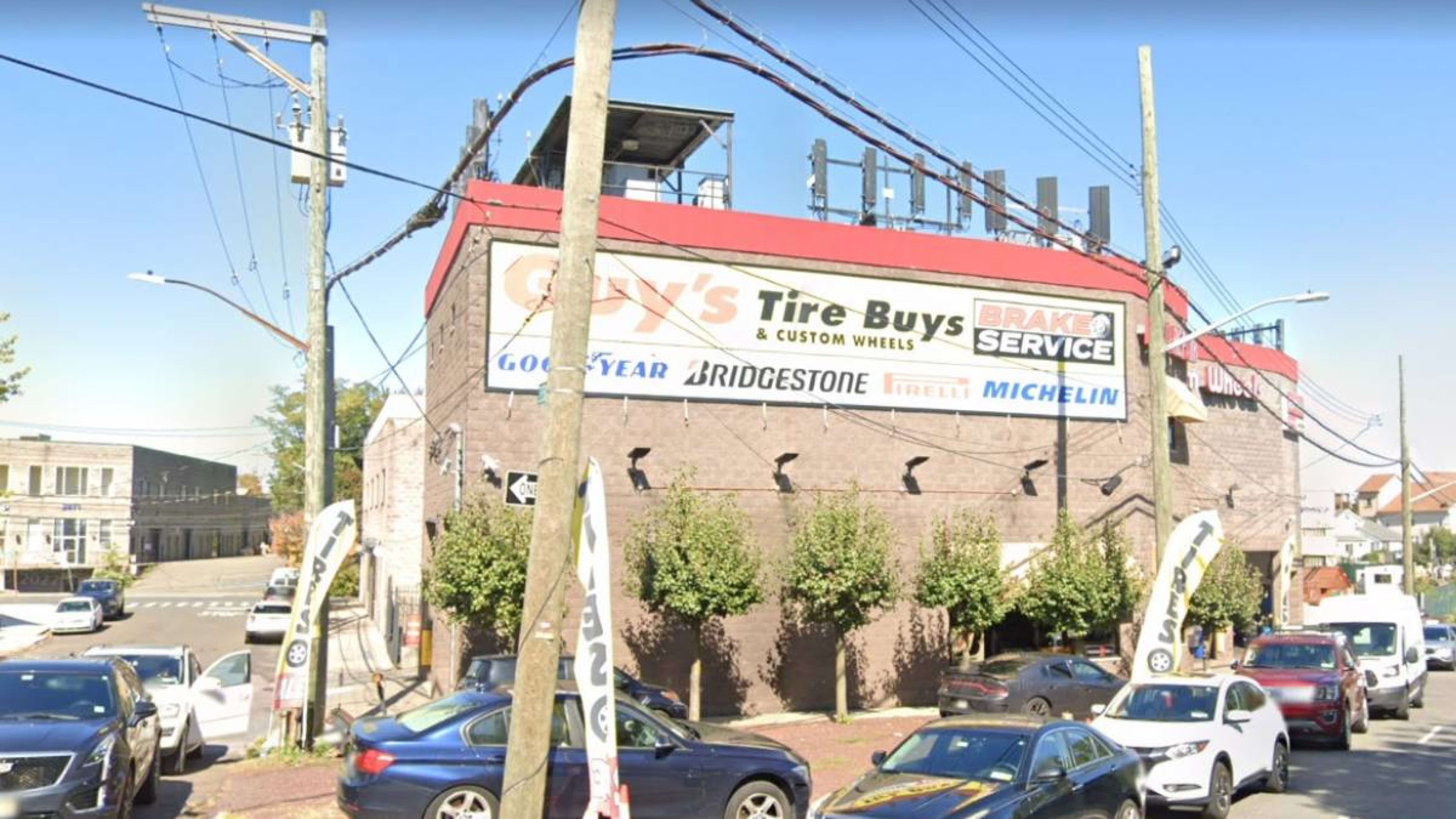
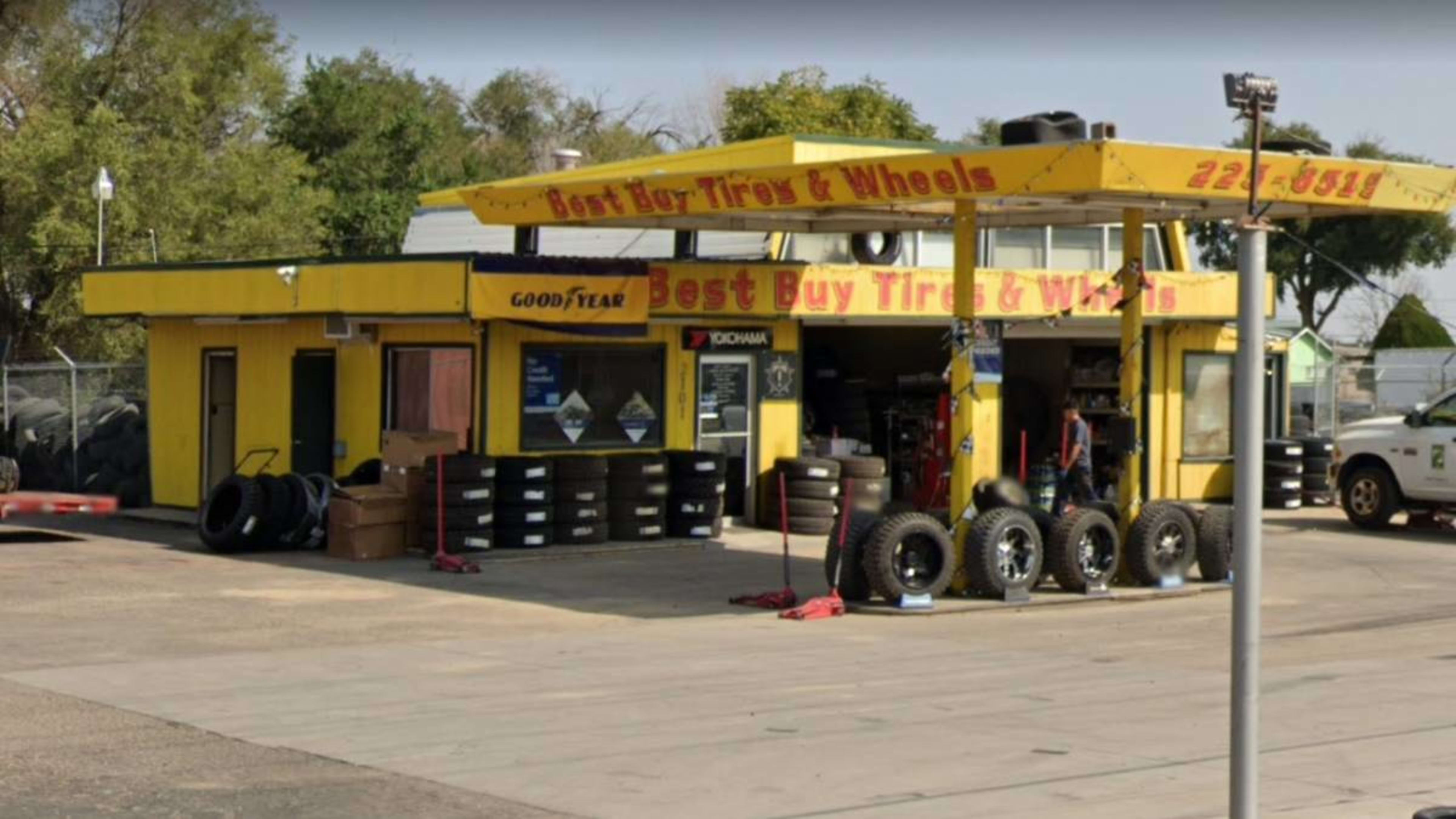
Tire shops and used-tire dealers
Local tire shops often buy used tires when they can safely resell them. They may be interested in:
- Matching sets of two or four tires
- Tires with good tread
- Common passenger-car sizes
- Popular truck and SUV sizes
- Tires with even wear
- Tires with no plugs, bulges, cuts, or sidewall damage
Call before visiting. Many shops do not buy used tires from the public, even if they sell used tires.
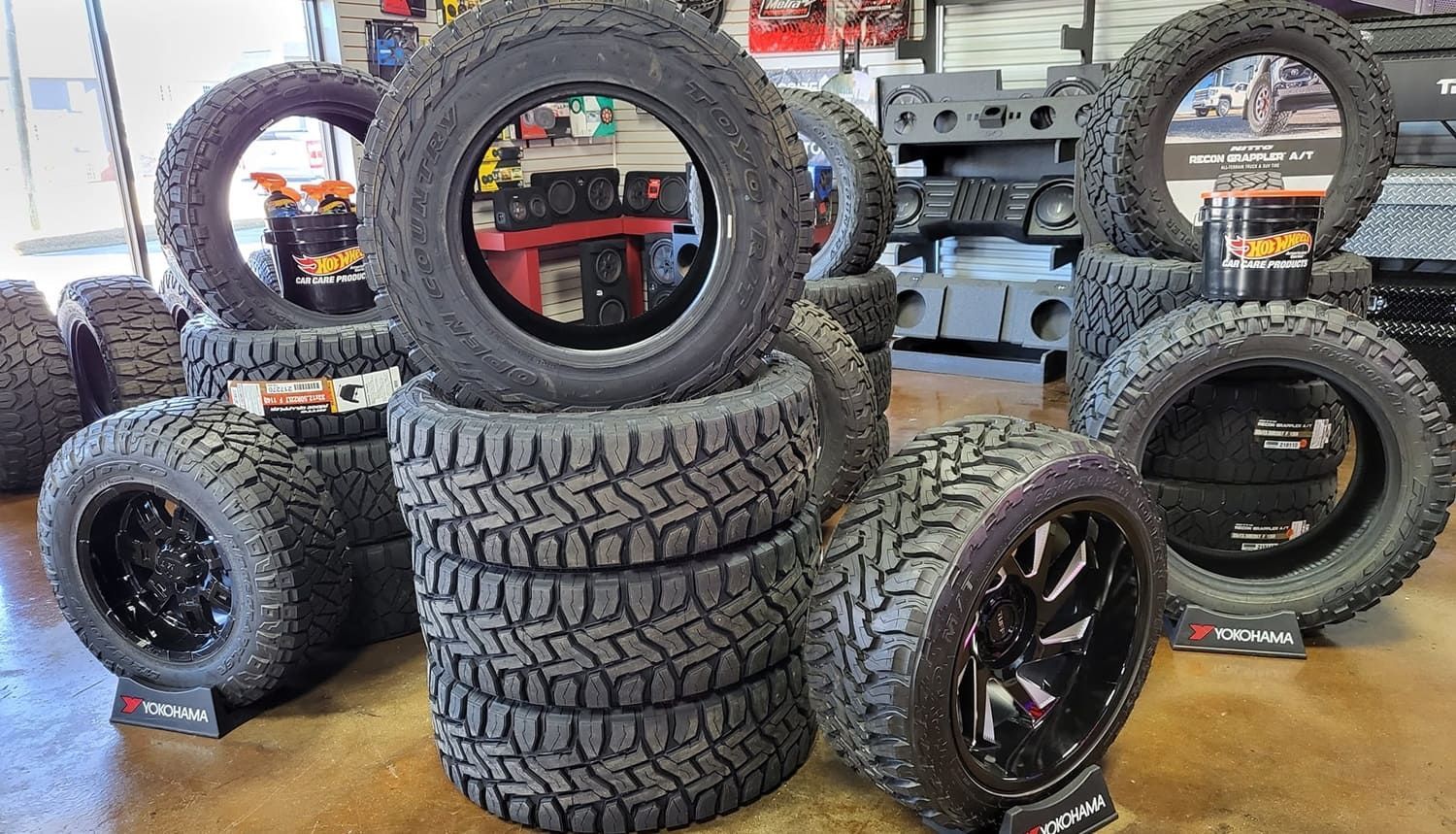
Wheel and custom rim shops
Wheel shops may buy or consign aluminum alloy wheels, chrome wheels, and aftermarket rims. They tend to look for wheels that are:
- Straight and free from cracks
- Free from major curb rash
- A known brand or popular style
- Sold with compatible tires
- A common bolt pattern and offset
A wheel shop may not want tires that are worn out. It may still consider the wheels if the rims have value on their own.
Auto salvage yards and junkyards
Salvage yards may buy complete wheel-and-tire sets from common vehicles. They may also remove wheels from cars they purchase for parts.
This option can work well for factory wheels, especially when:
- All four wheels match
- The wheels fit a common vehicle
- The rims include center caps
- The tires still have usable tread
- The set came from a newer vehicle
Salvage yards often focus on resale demand. Rare or heavily damaged wheels may have little value.
Private buyers
Private buyers may pay more than a recycler because they want the tires or wheels for their own vehicle. Good places to look include:
- Facebook Marketplace
- Craigslist
- OfferUp
- Local vehicle clubs
- Community bulletin boards
- Brand-specific online groups
Use clear photos and list the exact size and fitment details. Meet in a safe public place, and do not accept a payment method you cannot verify.
Scrap-metal buyers
Some scrap yards accept aluminum wheels. They usually value the metal rather than the wheel’s design or vehicle fitment.
You may receive more by selling clean, usable wheels to a person or shop than by selling them as scrap. Ask the scrap yard whether it accepts complete wheels, wheels with tires, or only bare aluminum rims.
Tire recyclers and disposal centers
Recycling centers usually accept unwanted tires rather than buy them for resale. Some charge a tire disposal fee. Others may pay a small amount for certain tire types.
This is normally the last option for tires that are too old, damaged, worn, or mismatched for safe use. In the United States, tire rules vary by state and county. Check your local solid waste department for approved drop-off sites.
How to Find Tire and Wheel Buyers Near You
The fastest way to find a buyer is to search by product type, then call to confirm the current policy. A business may appear in search results but no longer buy from individuals.
Try search terms such as:
- “used tire buyers near me”
- “who buys old tires near me”
- “sell used wheels near me”
- “used tire dealer near me”
- “scrap tire recycling near me”
- “sell aluminum rims near me”
- “auto salvage yard near me”
- “used tire shop that buys tires”
- “sell truck tires near me”
You can also use Google Maps, Apple Maps, Yelp, your county website, or your state environmental agency’s tire-recycling page.
Ask these questions before you drive there
A short phone call can save time. Ask:
- Do you buy used tires from the public?
- Do you buy wheels without tires?
- What tire sizes or wheel types do you accept?
- Do you inspect the tires in person?
- Do you pay cash, check, or electronic payment?
- Do you charge a disposal fee for unwanted tires?
- Should I remove the tires from the wheels first?
- Do you accept tires with patches or plugs?
Do not assume that a shop that sells used tires also buys them. Buying and selling policies are different.
Compare at least three local options
Call three or more businesses if possible. Ask each one for its buying policy and what information it needs.
A local tire shop may offer convenience. A private buyer may offer a higher price. A recycler may be the safest legal option for tires that cannot be sold. The best choice depends on condition, time, and transport cost.
What Information Do Buyers Need?
Buyers need enough detail to judge safety, fit, and resale value. Gather this information before you post an ad or visit a shop.
Tire size
The tire size appears on the sidewall. A typical example is:
P235/65R17 104H
The parts identify different features:
- P means passenger tire.
- 235 is the width in millimeters.
- 65 is the aspect ratio.
- R means radial construction.
- 17 is the wheel diameter in inches.
- 104 is the load index.
- H is the speed rating.
Write down the full marking. Do not list only “17-inch tires.” That does not tell a buyer enough.
Tread depth
Tread depth helps show how much usable life remains. Use a tread-depth gauge if you have one. Measure several spots across each tire, including the inner, center, and outer tread.
Uneven wear can reduce value even when the center tread looks good. Note problems such as:
- Inside-edge wear
- Outside-edge wear
- Cupping
- Feathering
- Flat spots
- Exposed cords
Do not rely only on a penny test for a sale listing. A gauge gives a more useful measurement.
DOT date code
The last four numbers in the tire identification number show the week and year of manufacture. For example, 3522 means the tire was made in the 35th week of 2022.
Tires age even when they have good tread. The U.S. Tire Manufacturers Association advises drivers to inspect older tires and follow the vehicle and tire maker’s guidance. Many tire makers recommend replacement around six to ten years from manufacture, but the exact advice varies.
A buyer may reject a tire because of age alone. Always disclose the DOT date code.
Wheel fitment
For wheels, provide:
- Wheel diameter
- Wheel width
- Bolt pattern
- Offset
- Center bore
- Wheel material
- Brand and model
- Part number, if available
- Vehicle make, model, and year
The bolt pattern describes the number of lug holes and the circle they form. For example, 5x114.3 means five lug holes on a 114.3-millimeter circle.
Do not guess fitment. A wheel that looks right may rub the brake caliper, suspension, or fender. A tire shop or wheel shop can help verify the details.
How Much Are Used Tires and Wheels Worth?
Used tire and wheel prices vary widely. There is no single fair price for every size or brand.
The main value factors are:
| Factor | Why it matters |
|---|---|
| Age | Newer tires usually have stronger resale value |
| Tread depth | More usable tread can support a higher price |
| Condition | Damage, repairs, and uneven wear reduce value |
| Brand | Well-known brands may attract more buyers |
| Size | Common sizes often sell faster |
| Matching set | Four matching tires are easier to use |
| Wheel condition | Straight, clean wheels have more value |
| Fitment | Popular vehicle fitment increases demand |
| Season | Winter and all-terrain demand can change by region |
| Local supply | Many similar listings can push prices down |
A complete set may be worth more than four separate tires. However, a mixed set can be hard to sell if the tires differ in size, brand, tread pattern, or age.
A simple pricing method
Use this process:
- Find several local listings for the same size and brand.
- Remove listings with a different tread level or age.
- Compare complete sets with complete sets.
- Set a price that leaves room for reasonable negotiation.
- Reduce the price if the tires are old, mismatched, or unevenly worn.
This gives you a market reference. It does not guarantee a sale price.
A buyer may offer less than a private seller because the buyer must inspect, store, mount, balance, and warranty the product.

How to Prepare Tires and Wheels for Sale
Good preparation helps buyers inspect the product and reduces disputes.
Clean the wheels
Wash off mud and brake dust. Do not hide damage with thick tire dressing or fresh paint. Clean wheels make cracks, bends, and curb damage easier to see.
If the wheels have center caps, lug nuts, valve stems, or TPMS sensors, list those parts. Do not claim that sensors work unless they have been tested.
Photograph the important details
Take clear photos of:
- The full front of each wheel
- The full sidewall of each tire
- The tread surface
- The DOT date code
- Any plugs or patches
- Curb rash
- Cracks or bends
- The wheel stamp or part number
- All four tires together
Use daylight when possible. Include a ruler or tread gauge in one photo if it helps show depth.
Write an honest listing
A useful listing might say:
Set of four 225/65R17 all-season tires on 17-inch factory alloy wheels. DOT dates: 2022. Tread measures 7/32 to 8/32 inch. Even wear. One tire has a professional repair in the tread. Wheels have moderate curb rash but no known cracks. Removed from a 2018 Honda CR-V. Buyer should confirm fitment.
Do not write “like new” if the tires have repairs, age, or visible wear. Clear details attract more serious buyers.

Which Tires Should Not Be Sold?
Do not sell tires with conditions that could create a safety risk. A tire shop should inspect questionable tires before resale.
Avoid selling tires with:
- Sidewall cuts
- Bulges or bubbles
- Exposed cords
- Severe cracking
- Fire, flood, or chemical damage
- A separated tread
- A damaged bead
- Heavy uneven wear
- Unknown repair history
- An active safety recall
- Very old or unclear date information
A puncture repair is not automatically safe or unsafe. The repair location, method, tire condition, and industry guidance all matter. A plug placed in a sidewall is a serious warning sign and should not be treated like a standard tread repair.
If you are not sure whether a tire is safe, do not list it for road use. Ask a qualified tire professional or use an approved recycling program.
Selling Tires With Wheels or Separately
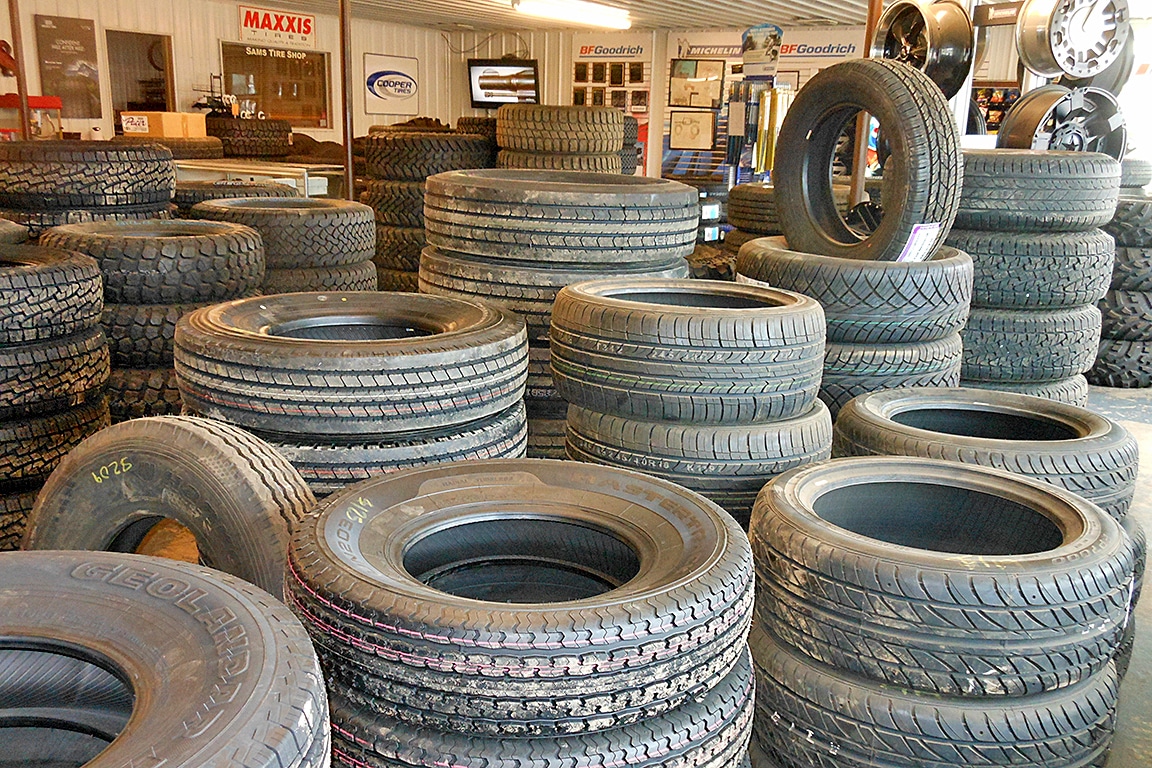
Selling a complete set is often easier, but separate sales can make sense.
Sell the complete set when:
- The tires and wheels fit the same vehicle
- All four tires match
- The wheels are in good condition
- The set has useful tread
- You want a faster sale
Sell separately when:
- The tires are worn but the wheels have value
- The wheels fit a popular vehicle
- The tires and wheels have different fitments
- One or more tires are damaged
- A buyer wants only the rims
Ask a tire shop whether it can remove the tires from the wheels. Do not attempt removal with improvised tools. Tire mounting and removal can damage the bead or cause a tire to release suddenly.
If the tires contain TPMS sensors, removal may damage the sensors. Ask a trained technician about the safest method.

Common Mistakes to Avoid
The most common mistake is giving too little information. A buyer cannot confirm value or fitment from “four used tires” alone.
Avoid these errors:
- Listing the wrong tire size
- Hiding the DOT date
- Measuring only the best tread spot
- Calling a wheel “universal”
- Forgetting to mention repairs
- Selling a damaged tire for road use
- Assuming all 17-inch wheels fit the same car
- Driving far without confirming the buyer’s policy
- Paying a disposal fee without checking other approved sites
- Meeting an unknown buyer at your home without precautions
For private sales, bring a friend when practical, meet in a public place, and be cautious with checks, payment links, and overpayment offers. A buyer who sends extra money and asks for a refund is a common scam pattern.
Quick Decision Guide
Use this guide to choose the most suitable buyer:
| Your tires or wheels are… | Best first option |
|---|---|
| Nearly new and in a matching set | Local tire shop or private buyer |
| Good tires on clean factory wheels | Tire shop, salvage yard, or private buyer |
| Valuable aftermarket rims | Wheel shop or vehicle enthusiast group |
| Usable wheels with worn tires | Sell the wheels separately |
| Old but undamaged | Ask a tire shop; disclose the date |
| Damaged or unsafe | Approved tire recycler |
| Bare aluminum wheels | Scrap-metal buyer or wheel shop |
| Mixed, odd-size, or low-demand | Private listing or recycler |
The safest buyer is not always the highest-paying buyer. A recycler may offer less, but it is the proper path for tires that should not return to the road.

FAQs About Selling Tires and Wheels Near Me
Do tire shops buy used tires from individuals?
Some do, but many do not. Call first and provide the tire size, age, tread depth, brand, and number of tires. A shop may buy only tires that meet its resale standards.
Can I sell tires with a plug or patch?
Possibly, but you must disclose the repair. The shop or buyer should inspect the tire. A repair near the sidewall, shoulder, or bead may make the tire unsuitable for resale.
Will a junkyard buy my tires and rims?
A salvage yard may buy complete sets or wheels that fit vehicles in demand. It may reject old tires, damaged rims, or unusual sizes. Ask whether it buys from the public and whether you need an appointment.
Can I sell old tires with good tread?
Maybe. Age, cracking, storage conditions, and the tire maker’s guidance all matter. Good tread does not remove the risks linked to an old tire. Give the buyer the full DOT date code.
Should I sell my tires online or to a local shop?
Online sales may bring more money but take more time and require safe handling of messages and payments. A shop is often faster and easier but may offer less because it needs to inspect and resell the product.

Final Steps Before You Sell
Measure the tread, record the DOT dates, photograph the sidewalls, and confirm the wheel fitment. Then call at least three local businesses and ask whether they buy, consign, recycle, or charge a disposal fee.
If the tires show damage, severe wear, or uncertain safety, do not sell them for road use. Use a licensed tire professional or an approved U.S. recycling or disposal site instead.