

Blot the milk, use an enzyme cleaner, dry the carpet fully, and treat the odor source beneath it.
Milk smell in a car carpet is more than an ordinary spill. Milk contains proteins and fats that soak into carpet fibers, padding, and sometimes the floor beneath. As it warms, bacteria break down the residue and create a sour odor that air fresheners cannot fix.
I have seen many car owners make the same mistake: they clean only the visible spot. The smell then returns a day or two later. This guide explains how to clean spilled milk smell from car carpet with safe steps, useful tools, and proven odor control methods.
Why spilled milk smells so bad in a car
Fresh milk may have only a mild smell, but a hidden spill can become very unpleasant. Heat speeds up bacterial activity, and a closed car can reach high temperatures even on a mild sunny day.
Milk residue can spread in several layers:
• Carpet fibers
• Carpet backing
• Foam padding
• Floor insulation
• Seat rails and trim edges
• Drain channels beneath the carpet
The deeper the milk travels, the harder it becomes to remove the smell. This is why how to clean spilled milk smell from car carpet often requires more than surface scrubbing.
A scented spray may cover the odor for a few hours. It does not remove the proteins, fats, or bacteria that cause the smell. Think of it as spraying perfume on a damp towel. The towel still needs to be cleaned and dried.
In my experience, the worst cases usually involve a tipped baby bottle or a forgotten grocery bag. The owner notices the odor only after several hot days. By then, the spill may have reached the carpet pad.

What you need before cleaning the milk spill
Gather your supplies before you start. Having the right tools helps you clean the area without spreading the milk farther across the carpet.
You will need:
• Absorbent towels or paper towels
• A vacuum cleaner, preferably a wet/dry vacuum
• Cool or lukewarm water
• Enzyme-based carpet or upholstery cleaner
• A soft nylon brush
• A spray bottle
• Baking soda
• Clean microfiber towels
• Rubber gloves
• A fan or portable air mover
• A plastic scraper for dried residue
An enzyme cleaner is the most useful product for this job. Enzymes help break down organic material such as milk proteins and fats. Choose a product labeled safe for automotive carpet and upholstery. Always read the label before use.
Avoid mixing cleaning products. Do not combine bleach, ammonia, vinegar, or commercial disinfectants. Chemical mixtures can create harmful fumes or damage carpet dyes.
Before treating a large area, test the product on a hidden section. Check for color transfer, fading, or texture changes after the spot dries.
A common mistake is using too much water. Car carpet often has thick padding underneath. If the padding stays wet, it can develop a musty odor and may contribute to mold growth.

How to clean spilled milk smell from car carpet step by step
The best method depends on whether the spill is fresh, dried, or already trapped below the carpet. These steps work for most small and medium spills.
1. Remove anything that holds the smell
Take out floor mats, child seats, storage bins, and other removable items near the spill. Check under the seats and along the door sill.
Milk can run downhill and hide under a mat or seat bracket. Look for damp spots, white residue, sticky fibers, or discoloration.
If the spill reached a removable mat, clean it outside the car. This makes drying easier and prevents moisture from remaining inside the cabin.
2. Blot fresh milk immediately
Use a dry towel to press down on the spill. Lift the towel and repeat with a clean section.
Do not rub the milk. Rubbing pushes it deeper into the carpet and spreads the stain. Blotting pulls liquid upward, much like lifting water from a sponge.
Continue until the towel picks up little or no moisture. If the spill is large, a wet/dry vacuum can remove more liquid than towels alone.
3. Scrape away dried milk
Dried milk can leave a hard or sticky film. Use a plastic scraper or the edge of an old gift card to loosen it gently.
Do not use a knife or metal tool. Sharp edges can cut the carpet, damage the backing, or scratch the vehicle floor.
Vacuum the loosened flakes before adding water. This prevents dry residue from turning into a larger paste.
4. Rinse with a small amount of water
Spray a light mist of cool or lukewarm water over the affected area. Do not soak the carpet.
Use a clean towel to blot the moisture. The goal is to dilute and lift milk residue, not flood the padding.
Repeat this step once or twice if the carpet still feels sticky. Use the wet/dry vacuum when possible to extract the diluted residue.
Avoid hot water. High heat can help set some stains and may make the sour smell stronger during cleaning.
5. Apply an enzyme cleaner
Spray enough enzyme cleaner to reach the affected fibers. Follow the product’s recommended dwell time.
The cleaner needs time to work. Wiping it away immediately may remove the liquid but leave the odor source behind.
Work in small sections. Use a soft brush to move the product through the carpet without scrubbing harshly.
For a deep spill, you may need to treat the carpet more than once. Let the area dry between treatments so you can judge whether the smell is truly gone.
6. Extract the cleaner and residue
Use a wet/dry vacuum to remove the cleaner, dissolved milk, and excess moisture. Make slow passes over the area.
If you do not have an extractor, press clean towels into the carpet. Replace each towel when it becomes damp.
Do not leave enzyme cleaner sitting in the carpet longer than the label allows. Some products can leave a residue or affect carpet color if overused.
7. Dry the carpet completely
Open all doors or windows and place a fan near the affected area. If weather permits, park the car in a shaded, well-ventilated place.
Avoid leaving the car closed while the carpet is damp. Moisture trapped inside can cause a second odor that is harder to identify.
Drying may take several hours. Thick carpet padding can remain wet even when the top feels dry.
Press a dry towel into the carpet and check it after 30 minutes. If the towel feels damp or smells sour, continue drying.
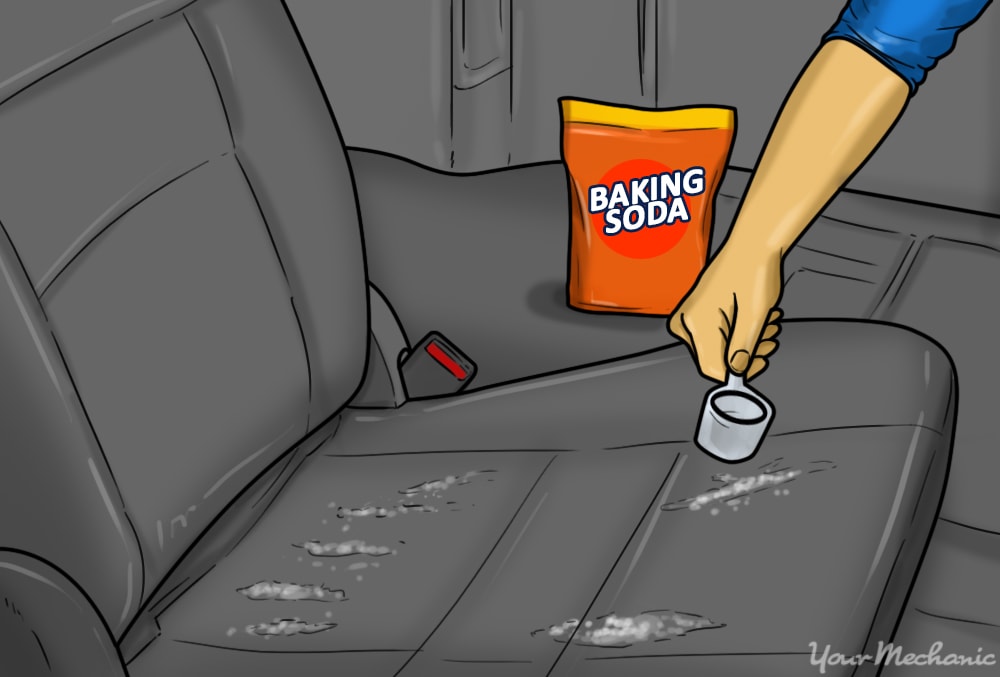
8. Use baking soda only after the carpet is dry
Once the carpet is fully dry, sprinkle a thin layer of baking soda over the area. Leave it for several hours or overnight.
Vacuum the baking soda thoroughly. It may absorb some remaining surface odor, but it cannot replace enzyme cleaning.
Do not use baking soda on wet carpet. It can clump and become difficult to remove from the fibers.
This step-by-step process shows how to clean spilled milk smell from car carpet without relying on strong perfumes or harsh chemicals.
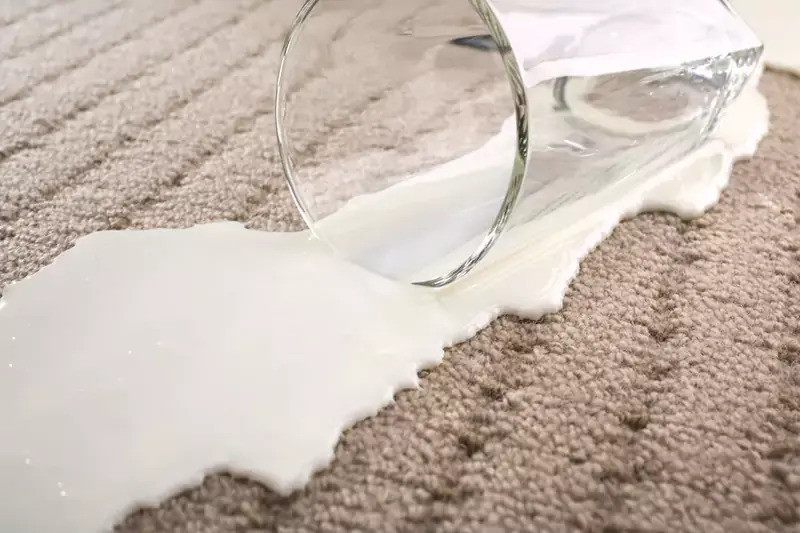
How to remove a deep milk odor from carpet padding
If the smell returns after cleaning, the milk may have reached the padding. Carpet padding is porous foam, so it can hold liquid like a sponge.
Start by checking the carpet edges. Gently lift the carpet near the door trim or seat edge if you know how to remove the trim safely. Do not force panels, wiring, clips, or airbag components.
Look for:
• Damp foam
• Yellow or white milk residue
• Sticky floor insulation
• A stronger odor beneath the carpet than on top
If the padding is wet, blot it and extract it with a wet/dry vacuum. Apply a small amount of enzyme cleaner approved for foam or automotive use.
Avoid saturating the padding. Foam dries slowly, and excessive liquid can move toward wiring, electrical connectors, or metal floor seams.
For a major spill, removing the carpet may be the only reliable option. A professional detailer can lift the carpet, clean both sides, inspect the padding, and dry the floor properly.
If the padding smells sour after several treatments, replacement may be more practical. Cleaning the top carpet while leaving contaminated foam underneath is like washing a shirt without cleaning the pocket that holds the spoiled milk.

How to clean spilled milk smell from car carpet naturally
Some people prefer household ingredients. These can help with light residue, but they have limits.
Baking soda
Baking soda can absorb some surface odor after the carpet dries. It works best as a final deodorizing step.
It does not break down milk proteins or remove deep contamination. Vacuum it carefully, especially from textured carpet.
White vinegar
Diluted white vinegar may reduce some odors, but it is not a complete solution for spoiled milk. Its own smell can linger, and its acidity may affect certain carpet dyes or finishes.
If you use it, test a hidden area first. Never mix vinegar with bleach or other cleaners.
Mild dish soap
A tiny amount of mild dish soap can help lift greasy milk residue. However, too much soap leaves a sticky film that attracts dirt.
Rinse lightly and extract the area well if you use soap. An automotive enzyme cleaner is usually better for a stubborn milk odor.
Activated charcoal
Activated charcoal bags can help absorb airborne odor inside the car. Place them in the vehicle only after cleaning and drying the spill.
Charcoal will not remove milk trapped in carpet padding. It is an odor-control aid, not a cleaning treatment.
Natural methods may help with a small fresh spill. For how to clean spilled milk smell from car carpet after the odor has soured, enzyme treatment and thorough drying are more dependable.

Mistakes that make the milk smell worse
Small cleaning mistakes can turn a simple spill into a long-lasting odor problem.
Using air freshener first
Air freshener masks the smell while the milk remains in the carpet. Clean the source before adding any fragrance.
Scrubbing aggressively
Hard scrubbing pushes milk into the padding and spreads the stain. Gentle brushing and extraction work better.
Flooding the carpet
Too much water can move milk into deeper layers. It also makes drying much harder.
Using hot water
Hot water may spread odors through warm moisture and can damage some carpet materials. Cool or lukewarm water is safer.
Closing the car too soon
A damp carpet inside a closed car creates a warm, humid space. Always dry the area with open doors or windows and moving air.
Ignoring floor mats
A mat may still contain milk even when the carpet looks clean. Smell both sides of the mat before putting it back.
Cleaning only the visible stain
Milk can travel under seats and along carpet edges. Inspect the surrounding area, not just the original spot.
I once saw a vehicle owner clean a small milk spill three times with scented shampoo. The odor kept returning because the carpet pad was never treated. The lesson was simple: when the smell returns, look below the surface.
How to prevent spilled milk odors in the future
Prevention is easier than learning how to clean spilled milk smell from car carpet after it has soaked into the floor.
Use containers with secure lids for bottles, coffee, and milk-based drinks. Store them in a cup holder or a stable travel cooler instead of loose grocery bags.
For families with young children, keep a small cleanup kit in the vehicle:
• Absorbent towels
• Disposable gloves
• A plastic bag for wet items
• Unscented cleaning wipes
• A small enzyme cleaner
• A spare floor mat or towel
Check under child seats and floor mats every few weeks. Small leaks can remain hidden until heat turns them into a strong odor.
Clean spills as soon as possible. Fast action limits the amount of milk that reaches the carpet padding.
Do not place a wet towel over the spill and leave it there. Remove the liquid, clean the residue, and dry the area fully.
When to call a professional detailer
Professional help is wise when the smell remains after two careful treatments. It is also useful when the milk has reached the padding, insulation, or electrical areas.
Contact a detailer if:
• The spill covers a large section of carpet
• The odor returns after drying
• The carpet remains damp for more than a day
• You see mold-like growth or severe staining
• Milk entered seat tracks or wiring areas
• The carpet must be removed
Ask what equipment and products the detailer will use. A good service should explain whether it will perform extraction, lift the carpet, clean the padding, or replace contaminated materials.
An ozone treatment may be offered for odor control. Ozone can reduce some odors, but it does not remove milk residue. The source must be cleaned first, and ozone should only be used by trained professionals because it can irritate the lungs and damage some materials.
Professional cleaning costs more than a home treatment, but it may prevent repeated cleaning and permanent odor damage.

Safety and material care tips
Read the vehicle owner’s manual before removing seats or interior panels. Modern cars may contain side airbags, seat sensors, wiring, and electrical connectors beneath the seats.
Keep cleaning products away from leather, screens, buttons, and exposed electrical parts. Spray the cleaner onto a towel when working near sensitive surfaces.
Wear gloves when handling spoiled milk or contaminated padding. Wash your hands after cleaning.
Never mix cleaning chemicals. In particular, do not mix bleach with ammonia, vinegar, or other cleaners.
If anyone in the vehicle develops breathing irritation, headache, or eye discomfort after chemical use, leave the car and ventilate it. Seek medical advice if symptoms continue.
Most automotive carpet can handle gentle cleaning, but older or dyed materials may react differently. A hidden-area test is a simple way to reduce the risk of damage.

How to tell whether the odor is gone
Do not judge the result while the carpet is still wet. Many cleaners have their own scent, and damp materials often smell different from dry materials.
Wait until the carpet and padding are fully dry. Then close the car for several hours and check it again.
Inspect the area on a warm day if possible. Heat can reveal an odor that was hidden in cool air.
Use your nose at several points:
• The original spill
• The carpet edge
• Under the floor mat
• Beneath the front seat
• The nearby door sill
If one spot smells stronger, treat that area again. Do not keep adding deodorizer to the entire vehicle.
A clean car should smell neutral, not strongly perfumed. A fragrance that fades and reveals sour milk later usually means the source remains.
Frequently Asked Questions
How quickly should I clean spilled milk from car carpet?
Clean it as soon as possible, ideally within minutes. Blotting early prevents milk from reaching the carpet padding and greatly reduces the chance of a lasting odor.
Will baking soda remove spoiled milk smell from car carpet?
Baking soda can absorb some surface odor after the carpet is dry. It will not remove milk trapped deep in the carpet or foam padding, so use an enzyme cleaner for the main treatment.
Can I use vinegar to clean spilled milk smell from car carpet?
Diluted vinegar may help with mild odors, but it does not fully break down milk proteins and fats. Test it first because vinegar can affect some carpet colors and may leave its own smell.
Why does my car still smell like milk after cleaning?
The milk may have soaked into carpet padding, floor insulation, or the underside of the carpet. Check under mats and seats, then extract and dry the deeper layers or contact a professional detailer.
Is it safe to use bleach on car carpet?
Bleach is not recommended for automotive carpet. It can discolor the fibers, weaken materials, create strong fumes, and damage nearby surfaces.
How long does car carpet take to dry after cleaning?
Lightly damp carpet may dry in a few hours with airflow. Thick padding can take much longer, so use fans, open doors, and moisture checks before closing the vehicle.
Should I use an air freshener after removing the milk odor?
Use an air freshener only after the spill has been cleaned and the carpet is fully dry. Fragrance can cover an odor, but it cannot remove the milk residue causing it.
Conclusion
Learning how to clean spilled milk smell from car carpet starts with quick blotting, gentle rinsing, enzyme treatment, careful extraction, and complete drying. If the odor returns, inspect the carpet padding and the spaces beneath the seats.
Avoid flooding the carpet, scrubbing too hard, or relying on fragrance alone. With the right process, most small milk spills can be cleaned at home and returned to a neutral smell.
Start the cleanup as soon as you notice the spill, and share your own car-care tips or questions in the comments.