

Clean car seats with mild soap, warm water, and soft tools while protecting fabric, leather, and safety straps.
Learning how to clean car seats with household products is easier when you know which materials need gentle care. I have cleaned cloth upholstery, leather seats, and child safety seats over the years, and the biggest lesson is simple: use less product, avoid excess water, and always follow the seat maker’s care label. This guide explains a safe, practical method for removing crumbs, stains, odors, and everyday grime without damaging your car or reducing the safety of a child restraint.
What to Know Before Cleaning Car Seats
Car seats can mean two different things. They may be the built-in seats in your vehicle, or they may be removable child safety seats. The cleaning method is not the same.
Vehicle upholstery can often handle mild soap and careful moisture. A child car seat needs more caution because the cover, harness, buckle, foam, and shell all play a role in safety. Always read the vehicle manual or child seat manual before using any cleaner.
When learning how to clean car seats with household products, remember these key rules:
• Check the care label first.
• Test every cleaner on a hidden area.
• Use a small amount of water.
• Never mix household cleaners.
• Keep moisture away from electrical parts, seat controls, and airbag areas.
• Do not use bleach, ammonia, strong solvents, or abrasive powders.
• Never scrub child seat harness straps with harsh cleaners.
A clean seat should look and smell fresh, but it should not feel soaked. Too much water can reach the cushion foam, create a musty smell, or damage the seat’s wiring and heating elements.

Household Products You Can Use
You likely have most of the tools needed for how to clean car seats with household products already at home. The safest choices are mild and simple.
Useful supplies include:
• A vacuum with a narrow crevice tool
• Warm water
• A small amount of mild dish soap
• A clean microfiber cloth
• A soft-bristle brush
• A spray bottle
• Baking soda for dry odor control
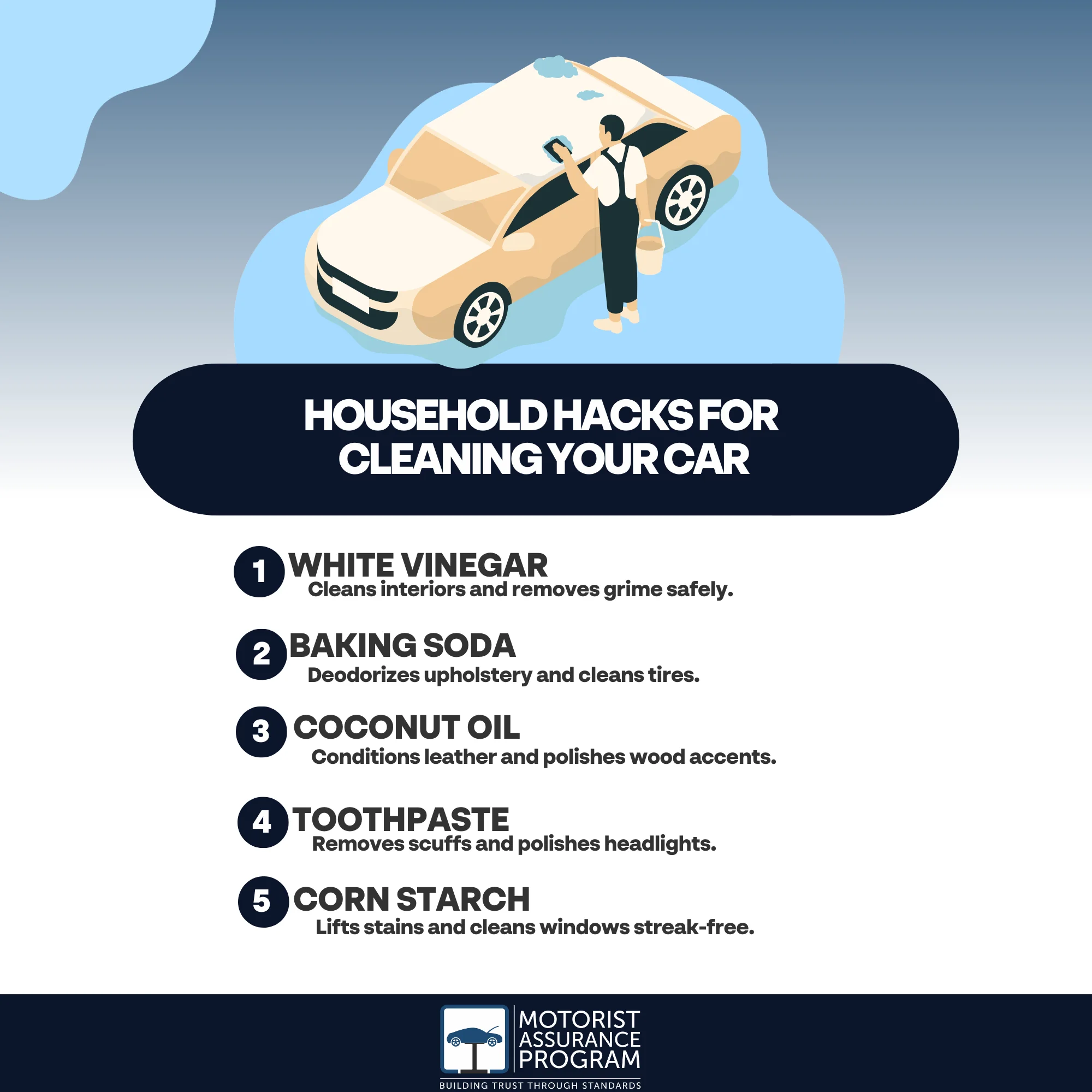
• White vinegar for limited odor treatment on some fabric surfaces
• A soft, dry towel
• Cotton swabs for small gaps
Use dish soap carefully. It can cut through oily marks, but too much may leave a sticky film that attracts new dirt. Add only a few drops to a bowl of warm water.
Baking soda can help absorb light odors when sprinkled on dry fabric. It is not a complete stain remover, and it should be vacuumed away fully. Vinegar may help with some smells, but it should not be used on leather, suede, delicate trim, or any surface that the manufacturer says to keep dry.
Do not mix vinegar with baking soda, bleach, ammonia, or other cleaners. Mixing products can create unwanted chemical reactions and usually does not clean better.

How to Clean Fabric Car Seats
Fabric seats hold crumbs, dust, body oils, drink spills, and pet hair. The best approach is to remove dry dirt first, then treat stains with a small amount of diluted cleaner.
Follow these steps:
Remove loose items from the car.
Open the doors or windows for ventilation.
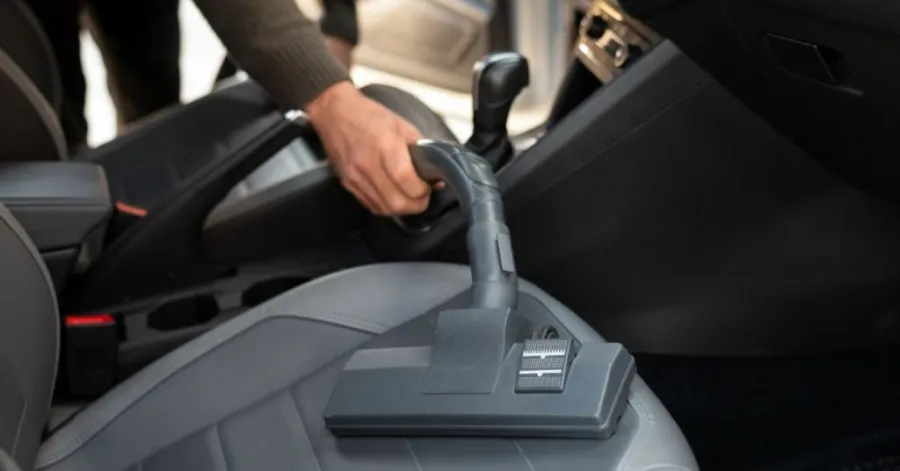
Vacuum the seat, seams, floor area, and gaps.
Mix about one teaspoon of mild dish soap with two cups of warm water.
Dip a microfiber cloth into the solution.
Wring the cloth until it is damp, not wet.
Blot or gently wipe the stained area.
Use a soft brush on textured fabric if needed.
Wipe the area with a second cloth dampened with plain water.
Dry the seat with a clean towel and leave the doors open.
When considering how to clean car seats with household products, blotting is safer than aggressive scrubbing. Scrubbing can push a stain deeper into the fibers and may make a light patch look different from the rest of the seat.
Work from the outside of a stain toward the center. This helps prevent the mark from spreading. Clean one small area at a time instead of soaking the entire cushion.
How to Remove Common Car Seat Stains
Different stains need slightly different care. The sooner you treat a spill, the easier it is to remove. Still, avoid rushing with strong products. Gentle cleaning often works better than a harsh treatment that damages the fabric.
Coffee and soft drinks
Blot fresh liquid with a dry towel. Do not rub. Then use the mild soap solution described above and wipe with a clean damp cloth.
Sugary drinks can leave a sticky layer. Rinse the spot lightly with plain water after cleaning, but do not saturate the cushion.
Grease and food oil
Lift solid food with a spoon or dull edge. Apply a tiny amount of diluted dish soap to a cloth and dab the oily mark.
You may need two or three light treatments. Add more soap only if needed, since leftover soap can attract dirt.
Vomit and other biological messes
Wear disposable gloves and remove solid material with paper towels. Clean the area with mild soap and water, then wipe away residue with a clean damp cloth.
For health reasons, wash your hands after cleaning. Avoid spraying disinfectant near seat electronics or using strong chemicals on child restraint fabric unless the manufacturer specifically approves them.
Ink
Ink can spread quickly. Blot the area and consider professional upholstery cleaning if the mark remains. Household rubbing alcohol may damage dyes, coatings, or synthetic leather, so do not use it without checking the material and testing a hidden spot first.
Mud
Let wet mud dry before vacuuming. Trying to wipe wet mud can spread it into the fibers. After vacuuming, use a damp cloth with mild soap.
These methods explain how to clean car seats with household products without treating every stain as if it needs the strongest cleaner. Patience protects the fabric.

How to Clean Leather Car Seats
Leather seats need less water and less friction than cloth seats. Dirt often sits on the surface, but body oil can collect along seams and high-contact areas.
Here is a careful method:
Vacuum the seat with a soft brush attachment.
Mix a few drops of mild soap into warm water.
Dampen a microfiber cloth and wring it well.
Wipe a small section at a time.
Use a dry cloth to remove moisture.
Apply a manufacturer-approved leather conditioner if the care instructions allow it.
Do not soak leather. Water can enter seams and may leave marks or affect the material beneath the surface.
Avoid household products such as window cleaner, bleach, vinegar, baking soda paste, and abrasive scrubbers on leather. These products may dry the finish, dull the surface, or cause discoloration.
Synthetic leather, often called vinyl or leatherette, may tolerate mild soap and water, but it still needs a spot test. If the surface is cracked, peeling, or heavily stained, a professional detailer may be the safer choice.

How to Clean Vinyl and Plastic Car Seat Parts
Vinyl and plastic areas include door-side trim, seat backs, cup holders, armrests, and child seat shells. These parts are usually easier to clean than fabric, but they can still become cloudy or damaged by harsh chemicals.
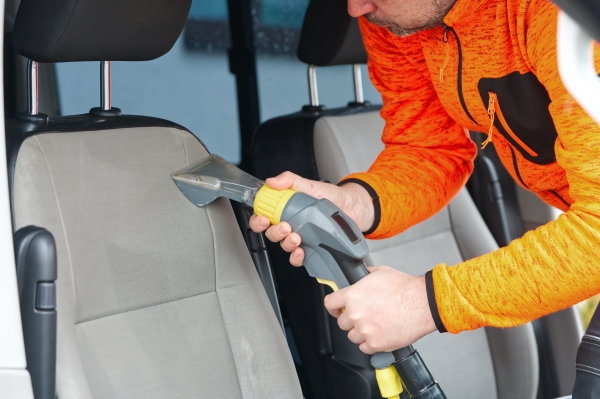
Use a microfiber cloth dipped in mild soapy water. For seams and grooves, use a soft toothbrush or cotton swab. Wipe with a clean damp cloth, then dry the surface.
Avoid soaking buttons, switches, seat belt connectors, and electronic controls. Do not spray cleaner directly onto the dashboard or seat. Spray or apply it to the cloth instead.
If you are learning how to clean car seats with household products, this spray-on-the-cloth rule is one of the most useful habits to build. It gives you better control and reduces the chance of liquid reaching hidden electrical parts.
How to Clean a Child Car Seat Safely
A child car seat is safety equipment, not just upholstery. Cleaning it incorrectly can affect the harness, buckle, cover, or foam.
Start by checking the instruction manual. Many removable covers can be machine washed, but the instructions may specify water temperature, cycle type, and air drying. Some covers should not go in a dryer because heat can shrink them.
For the cover:
• Remove it according to the manual.
• Shake off crumbs and vacuum it gently.
• Wash it as directed.
• Use mild detergent.
• Avoid bleach and fabric softener.
• Air-dry it completely unless the manual says otherwise.
For the plastic shell, wipe it with mild soap and water. Dry it fully before reassembly.
For harness straps, follow the manual exactly. In many cases, the safest method is to wipe them with a damp cloth and mild soap. Do not machine wash, soak, bleach, iron, or use strong disinfectants on the harness unless the manufacturer permits it.
Never use a hair dryer, iron, or high heat to dry child seat parts. Heat can change the shape of some materials.
Cleaning the buckle
Food and dust can block a buckle. Remove loose debris carefully and follow the manufacturer’s instructions. Some brands allow rinsing the buckle with clean water, while others give different directions.
Do not use oil, lubricant, vinegar, bleach, or soap inside the buckle unless the manual specifically approves it. Reinstall the seat only when every part is fully dry and correctly connected.
When learning how to clean car seats with household products, the main child-seat lesson is to clean for hygiene without changing the structure or strength of any safety part.
How to Remove Odors From Car Seats
Odors often come from spills, damp foam, food particles, sweat, smoke, or pet accidents. Covering the smell with an air freshener usually does not solve the problem.
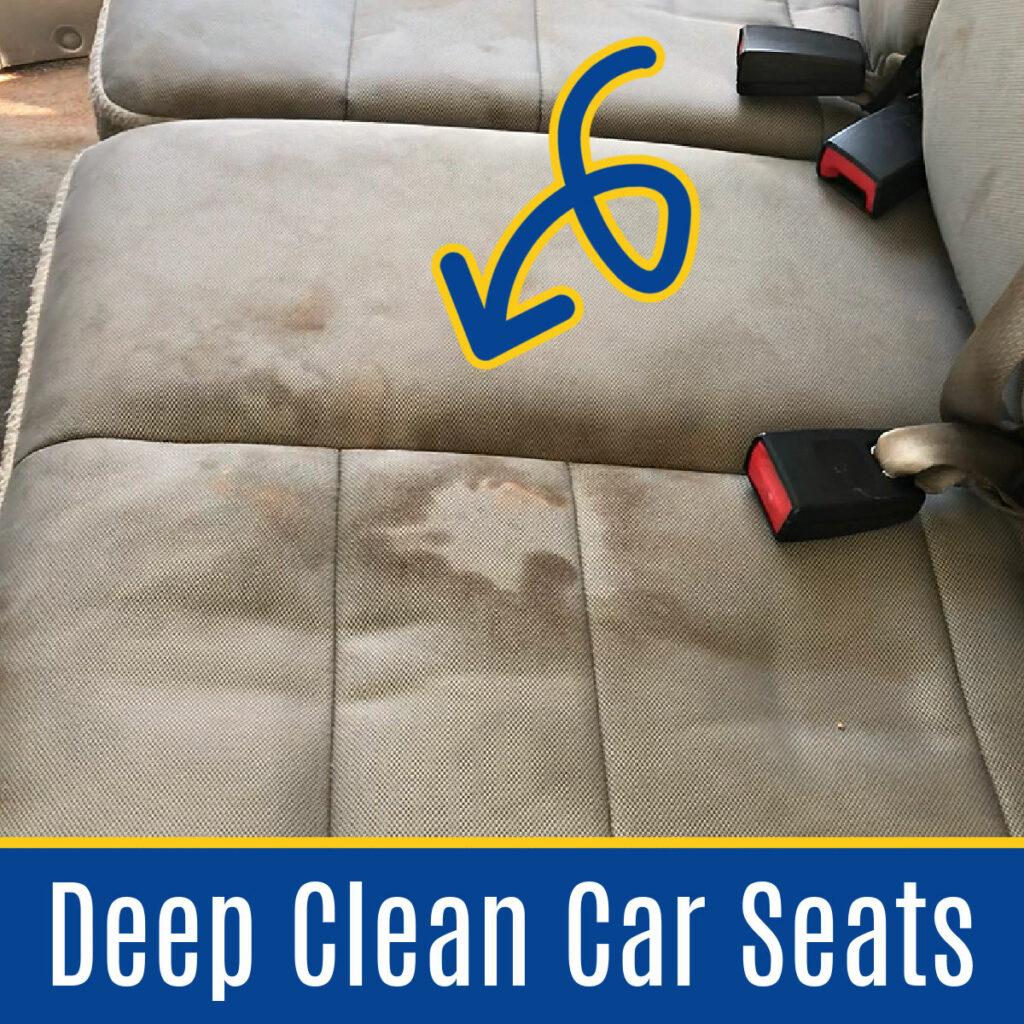
First, find the source. Vacuum seams and gaps, remove trash, and inspect under the seat. Clean visible residue with mild soap and water, then dry the area well.
For fabric vehicle seats, sprinkle a thin layer of baking soda over a dry surface. Leave it for several hours, then vacuum slowly and thoroughly. Keep baking soda away from a child’s reach, and do not use it on damp fabric.
A light vinegar-and-water solution may help some fabric odors, but it is not right for every material. Avoid it on leather, suede, delicate finishes, and child restraint parts unless the manufacturer approves it.
If a smell returns after cleaning, moisture may be trapped inside the cushion. At that point, professional extraction may be better than repeated home treatments.
How to Dry Car Seats Properly
Drying is a major part of how to clean car seats with household products. A seat that looks clean but stays damp can develop a stale smell or mildew.
Use these drying steps:
• Press clean towels against the wet area.
• Keep doors or windows open.
• Park in a safe, warm, ventilated place.
• Use a fan if available.
• Turn or move removable cushions only as the manual allows.
• Wait until the seat is fully dry before use.
Do not leave a child car seat in direct, intense heat for long periods. Do not use a heat gun, hair dryer, or space heater close to the seat.
Avoid driving with a soaked seat if possible. Wet upholstery can reduce comfort, fog windows through added humidity, and hide moisture inside the foam.

Mistakes to Avoid When Cleaning Car Seats
Many cleaning problems come from using too much water or choosing a product that is too strong. I once saw a pale ring appear on a cloth seat after someone cleaned only the center of a cushion with a wet sponge. The fix was to lightly clean the whole panel and dry it evenly.
Avoid these common mistakes:
• Spraying cleaner directly onto a seat
• Saturating foam cushions
• Scrubbing a stain with a stiff brush
• Using bleach to remove stains
• Mixing vinegar with other cleaners
• Using fabric softener on removable covers
• Applying leather cleaner to cloth
• Using household disinfectant on a child seat harness
• Returning a child seat to service while damp
• Reassembling a child seat without checking the manual
Another common mistake is cleaning only the visible top. Dirt often hides in seams, under removable covers, and beside the buckle. Vacuum first, then clean from the least dirty area toward the dirtiest area.
If a seat has mold, severe smoke odor, flood damage, or deeply soaked foam, home cleaning may not be enough. A professional detailer can assess the material and use controlled extraction.
How Often Should You Clean Car Seats?
The right schedule depends on use. A family car with children, pets, or frequent food spills may need weekly vacuuming and monthly spot cleaning. A vehicle used mostly for commuting may need a deeper clean every few months.
A simple schedule works well:
• Weekly: Remove trash and vacuum crumbs.
• Monthly: Wipe plastic, vinyl, and high-touch areas.
• As needed: Treat spills as soon as possible.
• Every few months: Deep-clean fabric or condition approved leather.
• After illness or a major spill: Clean and dry affected areas promptly.
Regular care makes how to clean car seats with household products much easier because dirt does not have time to settle deep into the fibers. Think of it like brushing your teeth: small, regular care prevents a much harder job later.
When Household Cleaning Is Not Enough
Household products are useful for normal dirt and light stains, but they have limits. Professional help may be needed when:
• The seat has flood or water damage.
• Mold or mildew returns after drying.
• Smoke odor is deep in the foam.
• A dye has transferred into the fabric.
• Leather is cracked or peeling.
• A child car seat has unknown crash damage.
• The harness is frayed, cut, stretched, or contaminated.
Do not assume cleaning can restore a damaged child restraint. After a moderate or severe crash, replacement may be recommended even when damage is not visible. Check the seat manual and the manufacturer’s guidance.
A child car seat with an expired date, missing parts, or an unknown history should also be evaluated carefully. Cleanliness matters, but safety comes first.
A Simple Maintenance Plan for Cleaner Seats
The easiest way to keep seats clean is to prevent messes from becoming permanent stains. Keep a small cleaning kit in the trunk with microfiber cloths, paper towels, a soft brush, and a sealed bottle of water.
Use these habits:
• Remove food wrappers and cups each day.
• Blot spills as soon as they happen.
• Use washable seat covers only when they are approved and fit safely.
• Keep pets on a suitable travel blanket or restraint.
• Avoid eating greasy foods in the car when possible.
• Vacuum child seat crumbs before they collect under the cover.
• Check seat seams during routine vehicle cleaning.
These habits reduce the amount of water and soap you need. They also make how to clean car seats with household products faster and safer.
Frequently Asked Questions About How to Clean Car Seats With Household Products
Can I use dish soap to clean car seats?
Yes, a small amount of mild dish soap diluted in warm water can clean many fabric, vinyl, and plastic surfaces. Use a damp cloth, not a soaking wet sponge, and check the manufacturer’s instructions first.
Can I use baking soda on car seats?
Baking soda can help absorb light odors on dry fabric upholstery. Sprinkle a thin layer, wait several hours, and vacuum it completely; avoid using it as a wet paste or on leather unless approved.
Can I use vinegar to clean car seats?
Diluted white vinegar may help with some fabric odors, but it is not suitable for every material. Do not use it on leather, suede, delicate finishes, or child restraint parts without checking the care instructions.
How do I clean a child car seat harness?
Follow the child seat manual. Many manufacturers recommend wiping the harness with mild soap and water, while bleach, soaking, machine washing, and harsh disinfectants may weaken or damage the straps.
Can I use a steam cleaner on car seats?
Steam can damage adhesives, leather finishes, electronics, and some seat foams. Use it only if the vehicle or seat manufacturer specifically allows steam cleaning.
How long does it take for a car seat to dry?
Drying time depends on the fabric, weather, airflow, and amount of water used. A lightly damp surface may dry in a few hours, but cushion foam can take much longer, so do not use the seat until it is fully dry.
Conclusion
Learning how to clean car seats with household products does not require expensive equipment. Vacuum first, use mild soap sparingly, treat stains gently, protect leather and electronics, and follow the manual for every child restraint.
The safest cleaning method is controlled and patient. Start with a hidden spot, use less moisture than you think you need, and give the seat plenty of time to dry. Try these steps during your next car clean, and share your best stain-removal tip or explore more practical vehicle-care guides.