How To Remove Oil Stains From Car Driveway: Fast Tips
Use absorbents, dish soap, and elbow grease to lift fresh and old oil stains fast.
I’ve spent years fixing driveways and cleaning stubborn car spots. I know what works and what wastes time. This guide on How to remove oil stains from car driveway gives clear steps, safe product options, and tips I use myself. Read on to save time, protect your concrete, and get your driveway looking right again.
:strip_icc()/Remove-oil-stains-driveway-ed1d3c89a43b40e2af0bf0ee612ef5b5.jpg)
Why oil stains happen and why they stick
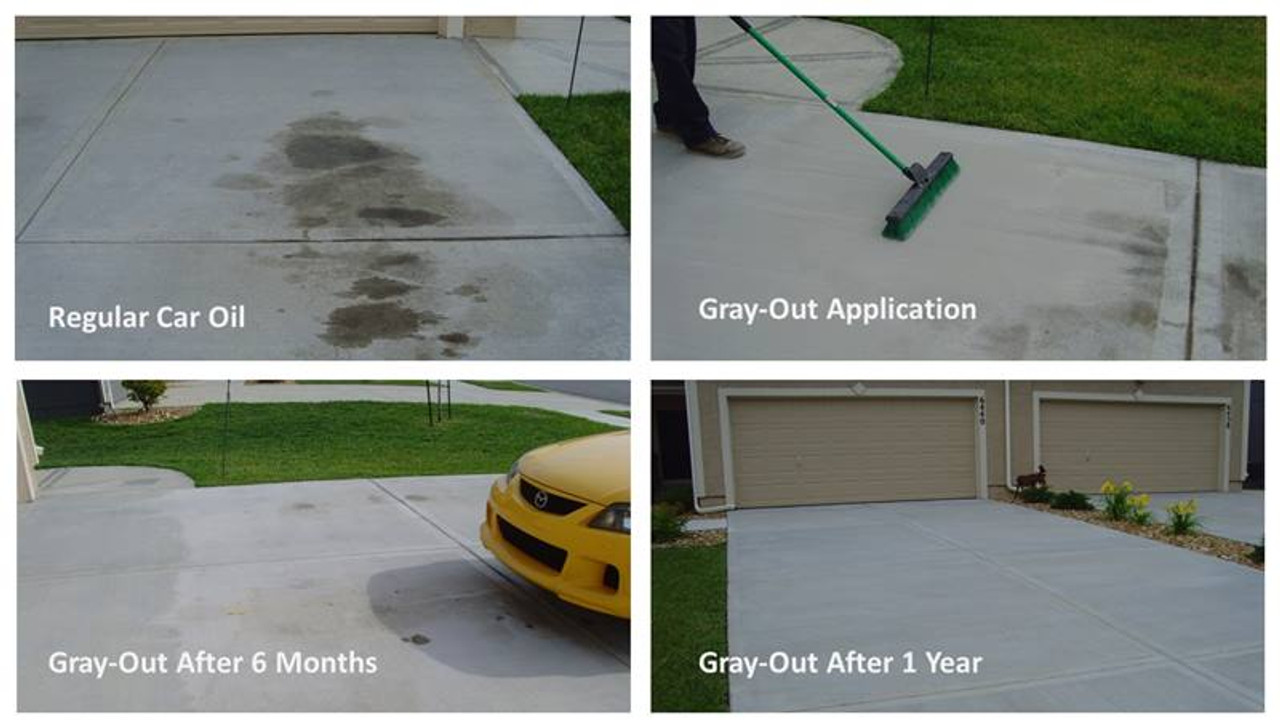
Oil soaks into porous concrete and asphalt. The pores trap oil and road grime. Heat and traffic make the stain set. Knowing how to remove oil stains from car driveway starts with understanding that early action is easier and less costly than long fixes.
Concrete vs asphalt matters. Concrete soaks faster and is harder to clean deep stains. Asphalt can darken and resist bleach. This difference shapes your strategy for cleanup, product choice, and how long you scrub.
Materials, safety, and what to buy
Gather simple items you likely have or can get at a hardware store. Use protective gloves and eye protection when handling cleaners. Work on a cool, dry day for best results.
Essential items I recommend:
- Absorbents like kitty litter, sawdust, or paper towels for fresh drips.
- A stiff brush or push broom for scrubbing.
- Dish soap, laundry detergent, or a commercial concrete degreaser.
- Baking soda, borax, or powdered cleaner for poultices.
- A garden hose or pressure washer for rinsing.
Step-by-step cleaning methods
Below are stepwise options for different stain ages and severities. Pick the method that matches your stain—fresh, set, or deep.
Method A — Fresh oil stains (within hours)
- Blot excess oil with paper towels. Do not wipe; blot to remove as much as possible.
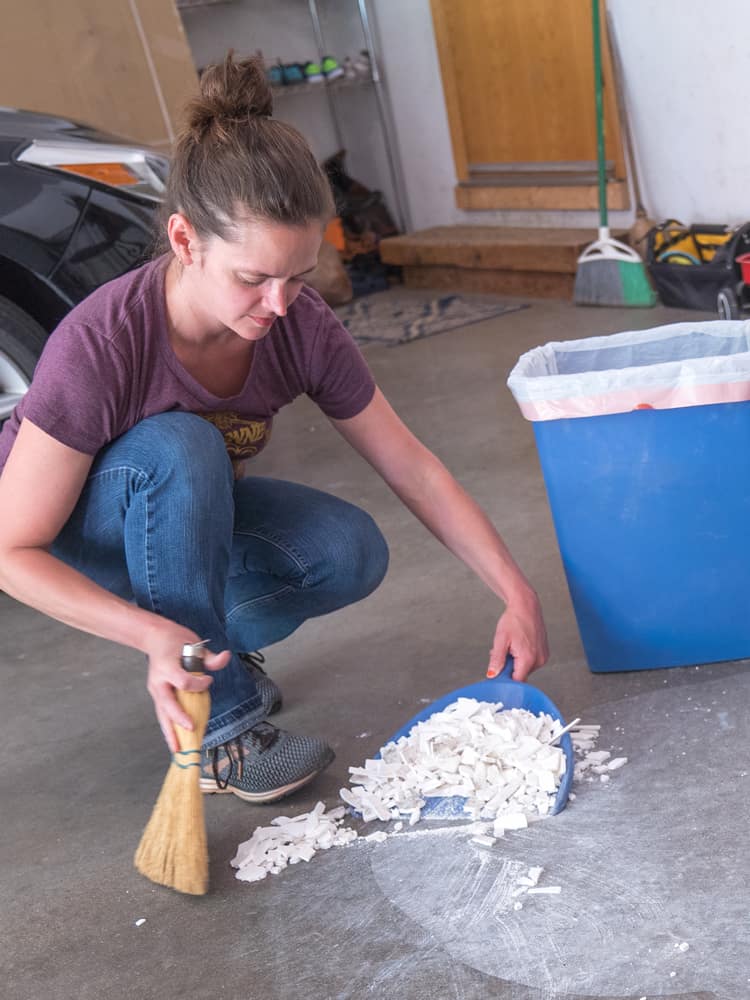
- Cover the spot with an absorbent like kitty litter. Let sit 30 minutes to a few hours.
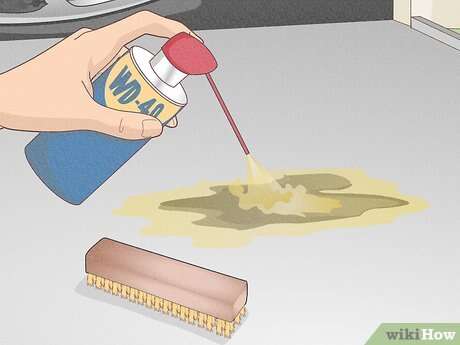
- Sweep up the absorbent. Apply dish soap and scrub with a brush. Rinse well.
This works fast. I use it after minor car leaks. It removes most fresh spots.
Method B — Dried or set oil stains
- Sprinkle baking soda or powdered laundry detergent over the stain.
- Add water to make a paste or use a commercial degreaser per label instructions.
- Scrub hard with a stiff brush for several minutes. Rinse and repeat as needed.
For set stains, repeat cycles help. Let the paste sit 15–30 minutes before scrubbing.
Method C — Poultice for deep stains
- Mix an absorbent (baking soda, powdered cleaner) with a small amount of solvent-safe degreaser or mineral spirits into a thick paste.
- Spread 1/2–1 inch thick over the stain and cover with plastic wrap.
- Tape the edges and leave 24–48 hours. Remove, scrub, and rinse.
A poultice draws oil out of pores. I used this on a decade-old garage spot with good success.
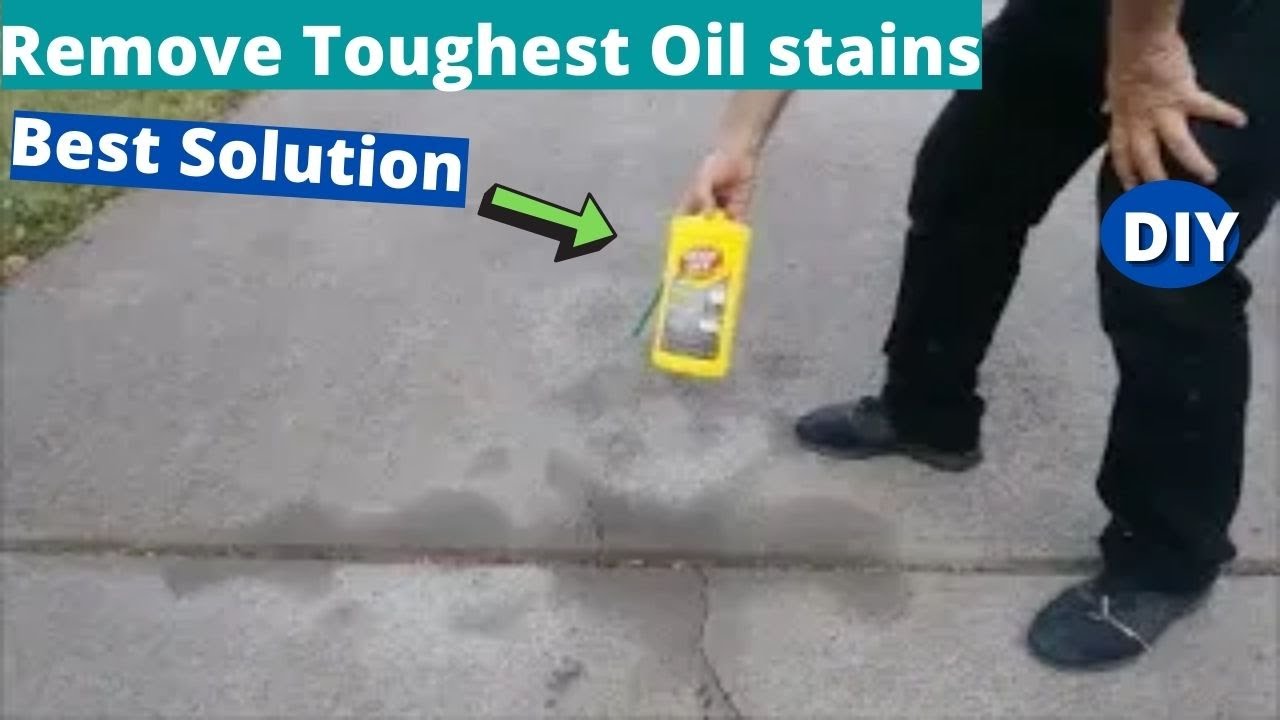
Method D — Pressure washing and commercial solutions
- Use a pressure washer at moderate pressure to avoid surface damage.
- Apply a concrete degreaser, let sit per instructions, then rinse with the washer.
- For asphalt, use products made for blacktop to avoid discoloration.
Pressure washing is fast, but may not remove deep stains alone. Combine with a cleaner for best results.
src="https://prosoco.com/app/uploads/2020/07/PROSOCO-Oil-and-Grease-Stain-Remover-pour-garage.jpg"
alt="Special cases and persistent stains”
style=”max-width: 100%; height: auto; border: 2px solid black; border-radius: 10px; display: block; margin: 0 auto;”
loading=”lazy”
/>
Special cases and persistent stains
Old, dark stains may need several treatments or pro-grade solvents. Paint, tar, or mixed fluid stains require matched cleaners. Harsh chemicals can lighten concrete or harm plants, so protect landscaping and follow label instructions.
If a stain doesn’t budge after multiple home attempts, consider a pro cleaning or surface treatment. Professionals use hot-water extraction and stronger emulsifiers that pull oil from deep pores. I have seen pros restore driveways that homeowners could not.

Preventing future stains and easy maintenance
Prevention saves work. Fix leaks on your car. Use drip pans during repairs. Seal concrete or asphalt with a breathable sealer to slow oil penetration.
Routine tips:
- Park on an oil-absorbent mat when you expect leaks.
- Clean spills quickly with absorbent and soap.
- Re-seal driveways every few years to reduce pore absorption.
These steps reduce how often you must deal with how to remove oil stains from car driveway.
When to call a pro
Call a professional if stains are old, large, or cover the driveway. Seek pros for historic or delicate surfaces. A pro can test the surface and use industrial cleaners safely.
Expect a higher cost for deep extraction or surface grinding. Weigh repair costs versus resurfacing if stains are widespread.

Frequently Asked Questions of How to remove oil stains from car driveway
How can I remove a fresh oil stain quickly?
Blot excess oil, apply kitty litter to absorb, sweep it up, then scrub with dish soap and rinse. Fresh stains respond best to fast action.
Will baking soda remove oil from concrete?
Baking soda helps lift oil and makes a scrubbing paste with soap. It works for light to moderate stains but may need repeat treatments.
Can I use bleach or vinegar to remove oil stains?
Bleach and vinegar do not remove oil effectively and can harm the surface or plants. Use degreasers and detergents instead.
Is pressure washing safe for all driveways?
Pressure washing helps but can damage older, fragile concrete at high pressure. Use moderate pressure and a degreaser for safer results.
How long before a stain is impossible to remove?
No stain is truly impossible, but deep, old stains may require resurfacing. Multiple pro treatments can significantly reduce appearance but may not fully restore original color.
How long should I let poultice sit on a stain?
Leave a poultice 24–48 hours under plastic for best oil draw. Longer times increase chance of pulling oil from deep pores.
Conclusion
You can make most oil spots vanish by acting fast, using the right products, and following proper steps. Start with absorbents for fresh drips, use soap or a poultice for set stains, and bring in pros for deep or old marks. Try one of these methods today and see a difference within hours.
Take action now: test a small area, pick the right method, and share your results or questions below to get tailored advice.