

Usually, 35 to 40 cars are officially classified as finishers in the Daytona 500.
The exact answer depends on the year and on what “finished” means. Some cars take the checkered flag, while others stop late but still receive an official finishing position. This guide explains how many cars finished the Daytona 500, how NASCAR counts finishers, and why the number can differ from the cars seen running at the end.

How many cars finished the Daytona 500?
Most Daytona 500 races begin with a maximum field of 40 cars. In a typical event, about 35 to 40 cars are classified as finishers, even when fewer cars are still racing at the finish.
The number changes each year because of:
• Multi-car crashes
• Mechanical failures
• Fuel problems
• Engine failures
• Damage from earlier contact
• Weather delays and overtime restarts
A car does not always need to cross the finish line under its own power to receive an official finishing position. NASCAR uses its scoring system to rank cars by completed laps, position, and race status.
That is why the answer to how many cars finished the Daytona 500 may look different in a television report, a race recap, and the official results.
Why the answer can be confusing
The word “finished” has more than one meaning in NASCAR. This is the main reason fans sometimes see different numbers for the same Daytona 500.
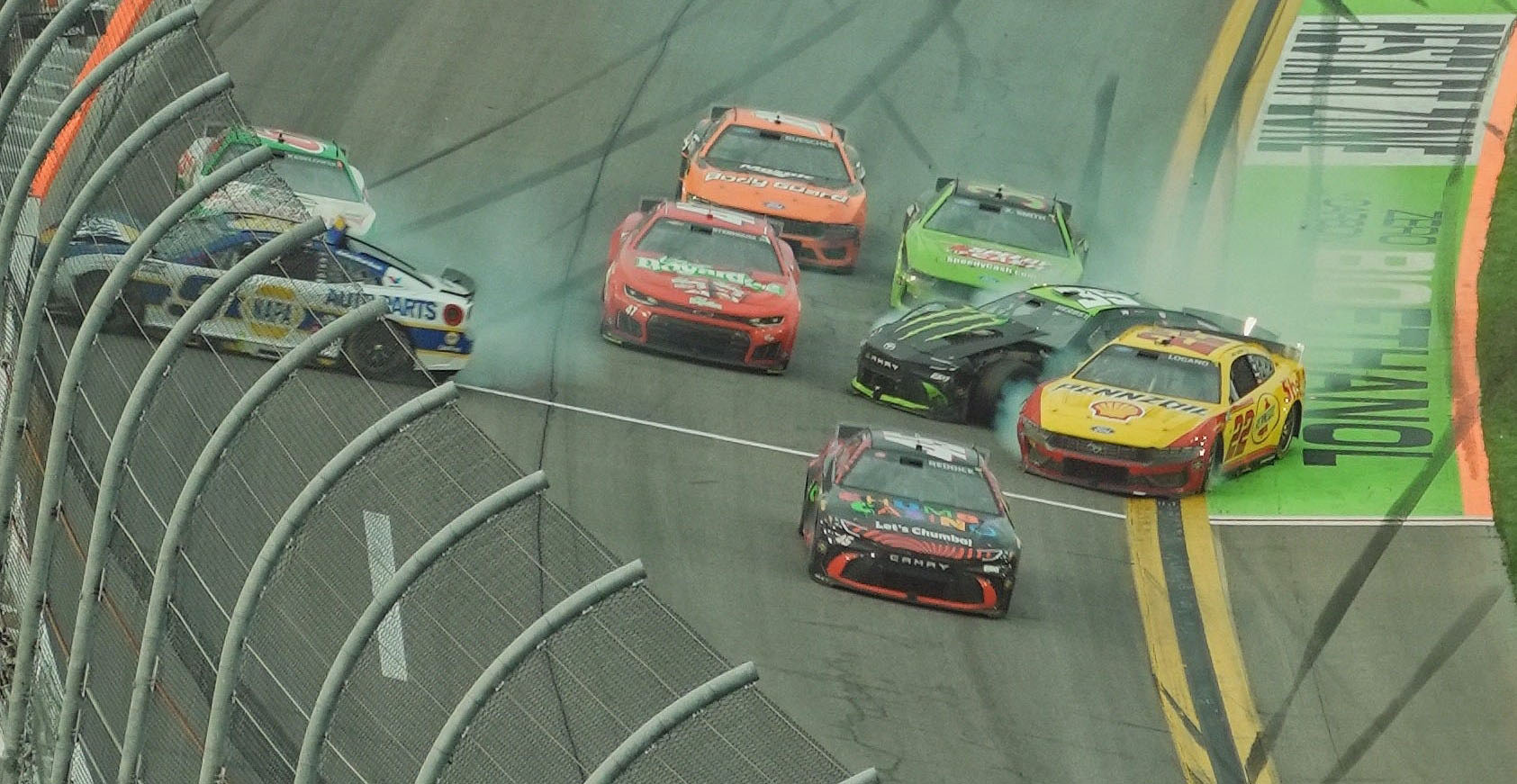
A viewer may count only the cars that were moving when the race ended. NASCAR, however, may classify damaged or stopped cars as finishers if they completed enough laps and were not listed as a definitive Did Not Finish, or DNF.
For example, imagine a 40-car race with five cars wrecked in the final 20 laps. Some of those cars may be listed as DNFs. Others may be scored as finishers because they completed most of the distance before the crash.
This creates three useful categories:
• Cars that crossed the finish line
• Cars still running when the race ended
• Cars officially classified as finishers
Those numbers are not always the same.

How NASCAR defines a finisher
NASCAR race results are based on official scoring, not only on what fans see during the final lap. Timing loops around the track track each car’s progress throughout the race.
A car may still receive a finishing position after:
• Stopping on the final lap
• Losing power near the end
• Crashing after completing most of the race
• Falling several laps behind
• Being unable to continue after a red flag
The official classification considers completed laps and the car’s status at the end of the event. A car that runs 199 of 200 laps may be ranked ahead of a car that runs 195 laps, even if both are damaged.
This system gives the sport a clear and repeatable way to score every entry. It also explains why the number of cars that finished the Daytona 500 is often higher than the number of cars that looked healthy at the checkered flag.
How many cars start the Daytona 500?
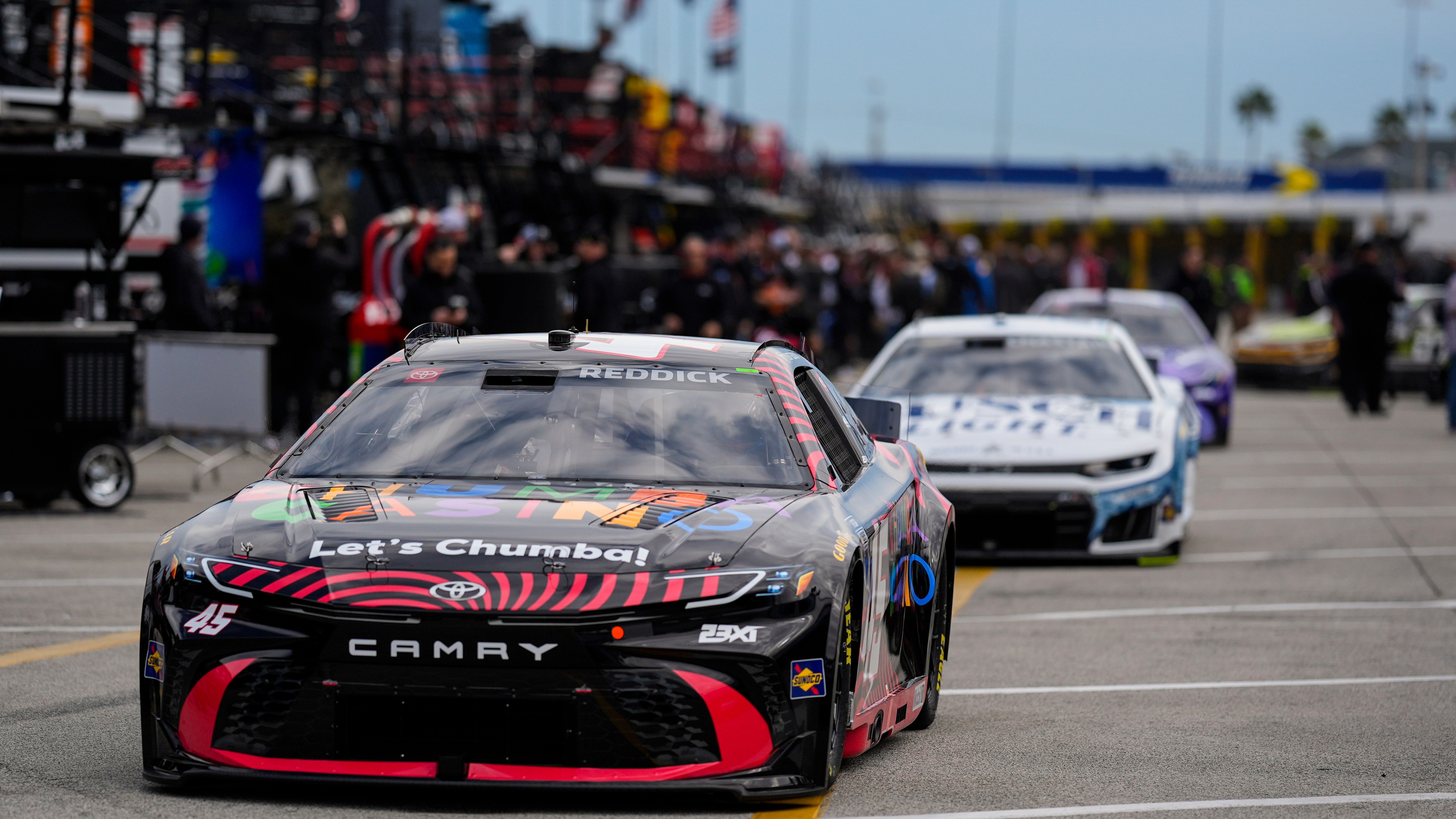
The Daytona 500 normally has a 40-car starting field. The field is set through qualifying races, single-car qualifying, chartered teams, and provisionals when needed.
The 40-car limit makes every starting position valuable. A driver can qualify well in a speed chart but still face pressure in the qualifying races, especially when more teams enter than spots are available.
Once the green flag falls, all 40 cars are considered starters. The number of official finishers then depends on what happens during the 200-lap race.
A race with a calm final stage may have nearly the full field classified. A race with several large crashes may have far fewer cars running, even though some damaged cars remain official finishers.
The difference between “finished” and “finished on the lead lap”
This distinction matters when discussing how many cars finished the Daytona 500.
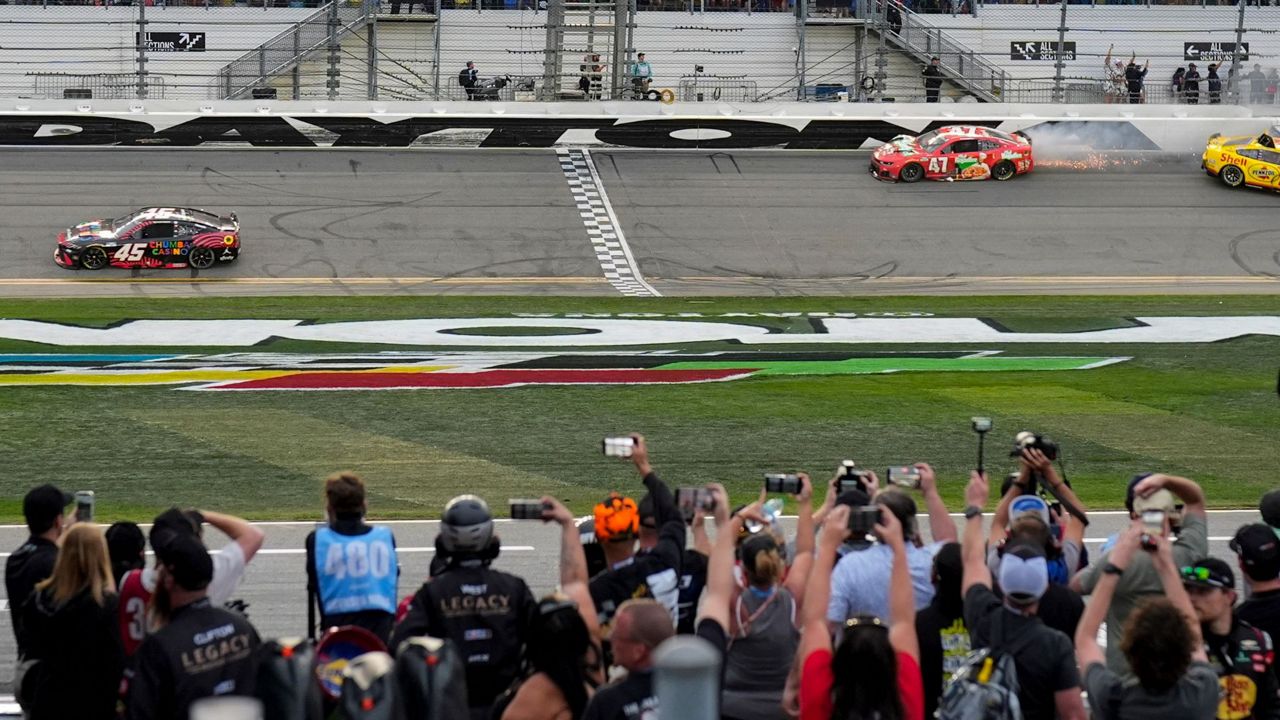
A car that finishes on the lead lap completes all scheduled laps with the winner. A car that finishes several laps down may still be an official finisher, but it does not share the lead lap.
For instance, if 37 cars are classified as finishers, perhaps only 20 are on the lead lap. The other 17 cars may have lost laps because of damage, pit problems, penalties, or repairs.
A race report may say that 25 cars finished. A results page may show 36 classified finishers. Both statements can be correct if one refers to cars still running and the other refers to official classification.
When checking how many cars finished the Daytona 500, always look for the phrase “official results” or “classified finishers.”

Why Daytona produces many finishers despite major crashes
Daytona International Speedway is a drafting track. Cars run close together at very high speed, often separated by only a few feet.
That close racing creates large accidents, but it also lets damaged cars stay in the event. A car may suffer front-end damage, lose speed, and still complete enough laps to earn an official finishing position.
The race also has long caution periods. During a caution, teams can repair cars, change tires, add fuel, and return to the track. A car that might have retired at another track can sometimes continue at Daytona.
This is one reason the answer to how many cars finished the Daytona 500 often falls near the top of the 40-car field.

What causes cars to retire from the Daytona 500?
Several problems can prevent a car from being classified as a finisher.
Crashes
The biggest cause is a crash. Daytona’s pack racing can produce a “Big One,” where many cars are damaged in a single incident.
Some cars can return after repairs. Others suffer damage to the engine, suspension, steering, or safety structure and cannot continue.
Mechanical failures
Engines, transmissions, brakes, and electrical systems can fail during the 500-mile race. A driver may run near the front for hours and still retire because of one broken part.
Handling damage
A car does not need to be heavily wrecked to become uncompetitive. Bent suspension parts or a damaged splitter can make the car unsafe or too slow to continue.
Fuel and tire problems
Fuel strategy is important at Daytona. A team that misjudges fuel mileage may need an extra stop. Tire damage can also force a car behind the wall, especially after contact.
Weather and overtime
Rain can delay the event and change team plans. Late cautions can also create overtime laps, adding stress to engines, tires, and fuel systems.
How to find the exact number for a specific Daytona 500
If you want the exact answer for a particular year, use this simple process:
- Find the official results for that Daytona 500.
- Confirm the number of starters.
- Count the entries listed with a finishing position.
- Separate “finished” from “finished on the lead lap.”
- Check the notes for DNFs, disqualifications, and cars that did not start.
The official NASCAR results are the best reference because they include lap totals, status, driver, car number, and finishing order.
You can also compare the results with trusted statistical databases and race reports. However, summaries may use “running at the finish” in a casual way, so they may not match the official classified total.
In my experience reviewing race results, the most common mistake is counting only cars shown on the final television restart. That misses cars scored several laps down and cars classified after late damage.
A simple example of Daytona 500 scoring
Suppose 40 cars start a Daytona 500. During the race:
• Three cars retire with engine failures
• Four cars are badly damaged in crashes
• Two cars stop with tire problems
• Thirty-one cars remain able to complete the final restart
The official result may not simply show 31 finishers. Some of the nine damaged or stopped cars may have completed enough laps to receive finishing positions.
The final classification could show 36 finishers and four DNFs. Only 31 may have been moving near the checkered flag, while 22 may have finished on the lead lap.
This example shows why how many cars finished the Daytona 500 requires a clear definition before anyone gives a number.
Why finishing position still matters
Finishing the Daytona 500 is valuable even when a car is several laps down. Drivers and teams earn championship points based on their official results.
A strong finish can also help with:
• Owner points
• Playoff positioning
• Team confidence
• Sponsor exposure
• Manufacturer standings
• Season momentum
At Daytona, survival is often part of the strategy. A driver may avoid risky moves early, protect the car, and aim to be available for the final restart.
The winner receives the greatest reward, but every classified position matters. A 15th-place result can be far more useful than a spectacular start followed by a DNF.
What fans should check in the official results
When researching how many cars finished the Daytona 500, focus on these details:
• Finishing position: Every classified car normally has one.
• Status: This may show running, accident, engine, or another reason.
• Laps completed: This explains how far each car went.
• Lead-lap status: This shows whether the car completed the full distance.
• DNF label: This identifies cars that did not officially finish.
• Disqualification note: A disqualified car may be moved to the bottom of the results.
Do not rely only on the number of cars shown during the final lap. The final official classification is the most accurate answer.
Frequently Asked Questions About How Many Cars Finished the Daytona 500
How many cars usually finish the Daytona 500?
Usually, about 35 to 40 cars are officially classified as finishers from a 40-car starting field. The exact number depends on crashes, mechanical failures, weather, and late-race incidents.
Do all cars that finish the Daytona 500 finish on the lead lap?
No. A car can be an official finisher while running one or more laps behind the winner. The results list both the official finishing position and the number of laps completed.
Can a crashed car be listed as a finisher?
Yes. If a car completes enough of the race before becoming damaged, NASCAR may classify it as a finisher. The car may receive a finishing position even if it cannot move at the end.
How long is the Daytona 500?
The Daytona 500 is scheduled for 200 laps around the 2.5-mile Daytona International Speedway. That equals 500 miles, although overtime can make the race longer.
How many cars start the Daytona 500?
The Daytona 500 normally starts with 40 cars. Qualifying procedures determine which drivers earn those positions.
What does DNF mean in Daytona 500 results?
DNF means “Did Not Finish.” It usually indicates that a car could not complete the event because of a crash, mechanical problem, or another official reason.
Conclusion
The best general answer to how many cars finished the Daytona 500 is 35 to 40 official finishers from a field of 40 starters. The total can change each year, and it may differ from the number of cars still running or the number of cars on the lead lap.
For the most accurate figure, check the official results for the specific Daytona 500 you mean. Look at the finishing positions, laps completed, and DNF notes rather than relying only on the final television image. Explore the race records for your favorite year, and share which Daytona 500 finish stands out most to you.