How To Stop Car Windows From Fogging Up: Quick Fixes
Use A/C, fresh air, and an anti‑fog treatment to prevent windows from fogging.
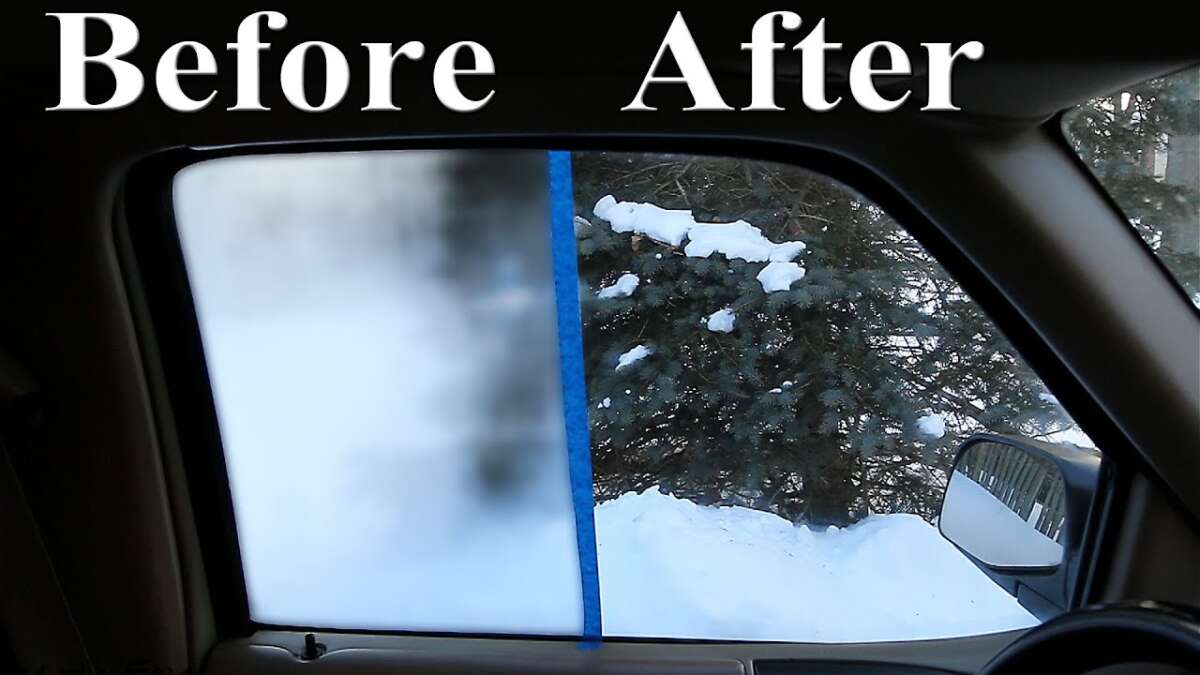
I’ve spent years fixing fogged windshields as a driver and mechanic. This guide explains why windows fog, quick fixes, long‑term prevention, safe habits, and easy DIY solutions. Read on for clear steps you can use today to stop car windows from fogging up and keep visibility sharp in any weather.
Why car windows fog up
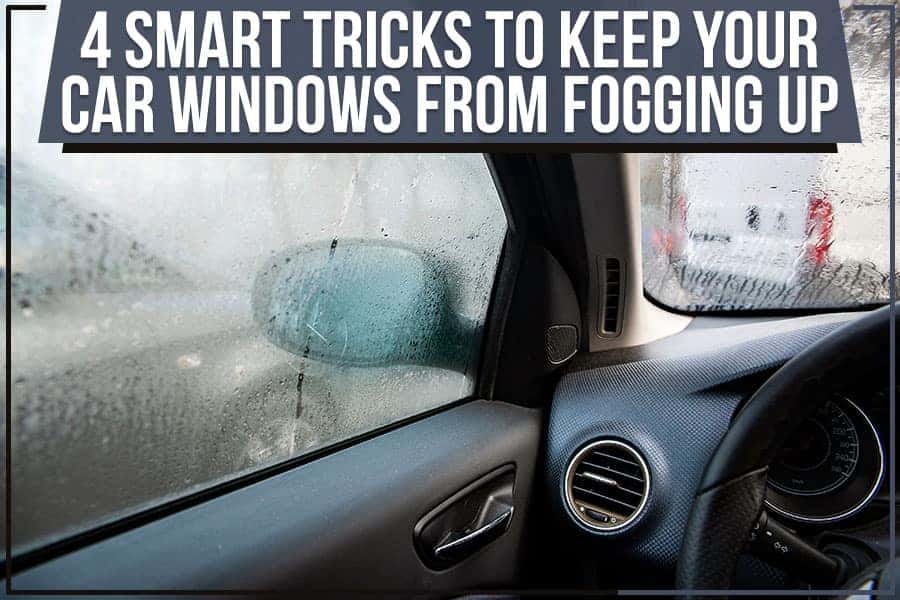
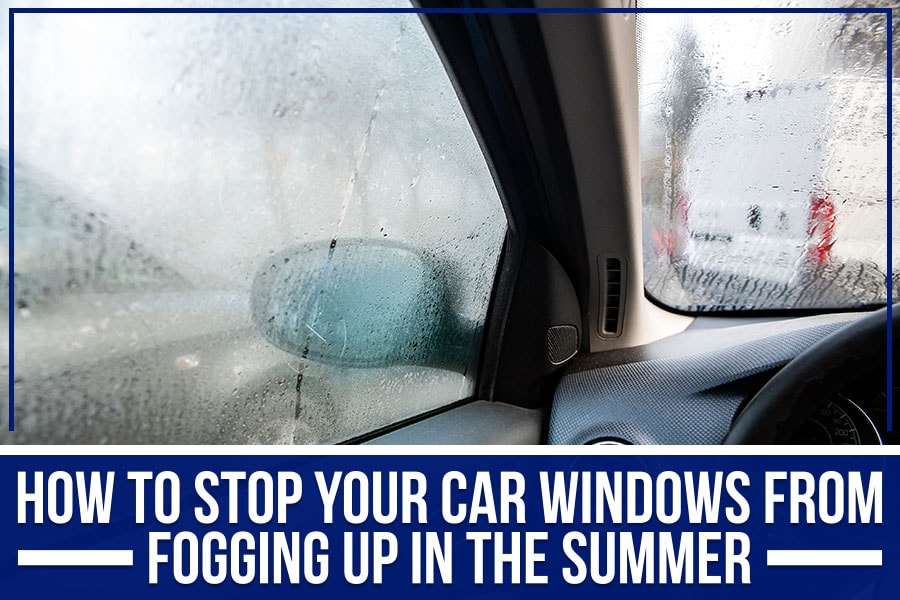
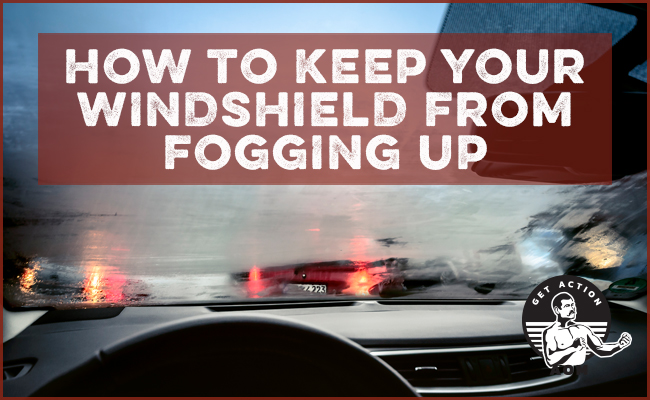
Fog on glass is simple physics. Warm, moist air inside the car hits cold glass and drops moisture as tiny droplets. That causes the cloudy film you see on windshields and side windows.
Common causes include:
- Wet clothing or boots bringing moisture into the cabin.
- Passengers breathing in a confined space, which raises humidity.
- Using recirculate mode in humid conditions, which traps moist air.
- A clogged cabin air filter or leaks that let damp air in.
Understanding these basics makes it easier to pick the right fix for how to stop car windows from fogging up.
Quick PAA-style questions
Why do only some windows fog up?
Different glass surfaces have different temperatures. Windshield faces outside cold air and fogs first when inside air is warm and moist.
Can A/C help in cold weather?
Yes. A/C removes humidity even when you use warm air. Use defrost with A/C on for fast results.
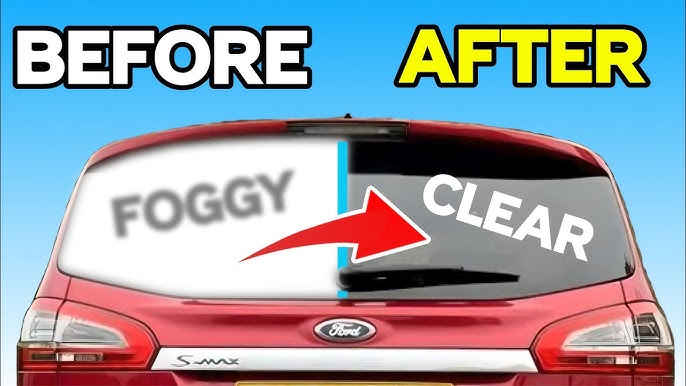
Immediate fixes to defog windows
When fog appears, act fast. Follow these steps in order:
- Turn on defrost: Direct airflow to the windshield to warm the glass and move air across it.
- Switch A/C on: A/C dries cabin air. It helps even in cold weather.
- Turn off recirculate: Bring in drier outside air when humidity inside is high.
- Crack a window slightly: Let fresh air reduce humidity quickly.
- Wipe with a clean microfiber cloth: Remove droplets for instant visibility.
- Use a portable demister or anti‑fog wipe: These act fast when visibility is poor.
These quick moves will stop fog fast and safely while you drive.
How to stop car windows from fogging up long-term
Preventing fog is better than chasing it. Do these things regularly:
- Keep the cabin dry: Remove wet mats and damp items after use.
- Replace the cabin air filter annually: A fresh filter keeps airflow steady and clean.
- Fix leaks: Check doors, sunroof seals, and trunk seals to stop moisture from entering.
- Use anti‑fog treatments on glass: They create a film that resists condensation.
- Store silica gel packs or a small moisture absorber: Place them under seats or in the glove box.
- Avoid long periods in recirculate when people are in the car: Let outside air refresh the cabin.
Take these steps to reduce humidity and make fog a rare problem.

DIY anti-fog methods that work
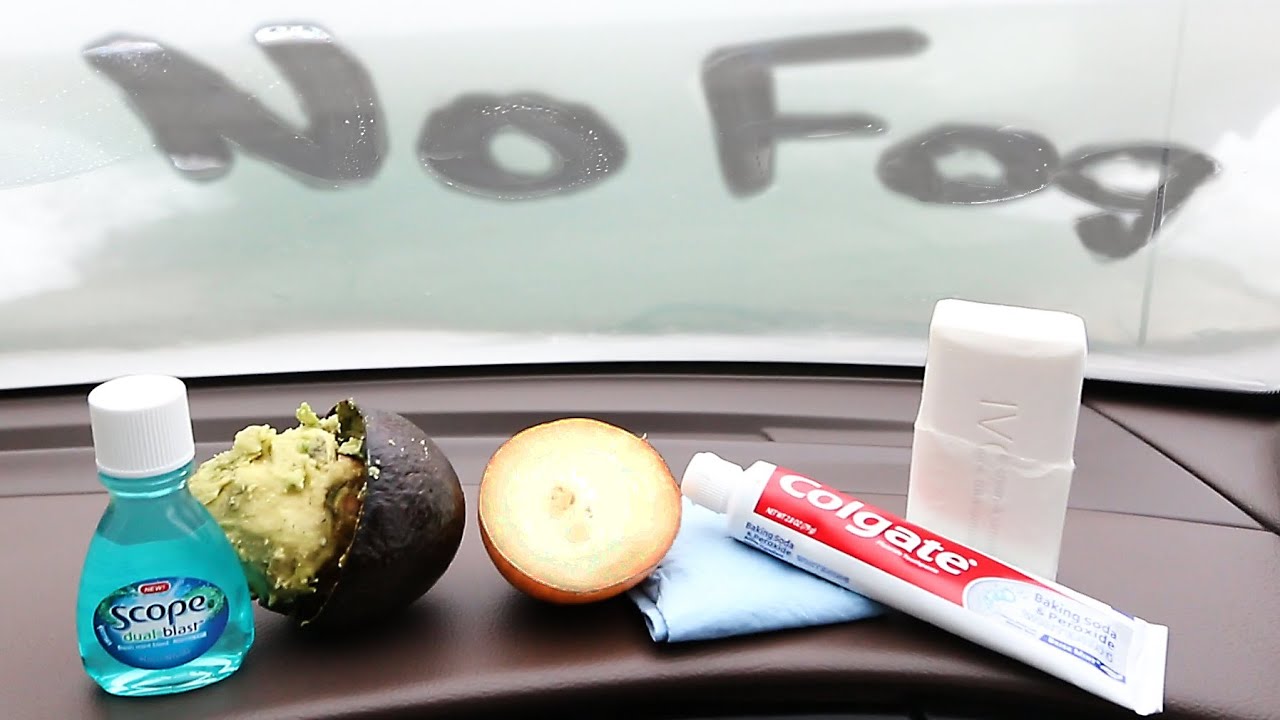
You can prepare cheap, effective anti‑fog solutions at home. Try these safe options:
- Shaving cream: Put a thin layer on glass, wipe off with a clean cloth until invisible. It leaves a light film that slows fogging.
- Rubbing alcohol solution: Mix one part rubbing alcohol with two parts water, spray lightly, and wipe. Alcohol dries fast and helps repel moisture.
- Vinegar solution: Mix equal parts white vinegar and water, apply and dry. Vinegar reduces grime that encourages fog.
- Dish soap film: A tiny drop of dish soap on a cloth, rubbed thin, can leave a clear, fog‑resistant layer.
Use small tests on a hidden glass area first. Reapply these DIY treatments every few weeks or after cleaning the windshield.
Best products and tools
Tools save time and give consistent results. Useful items include:
- Anti‑fog spray: Designed for auto glass and mirrors; follow the label.
- Microfiber cloths: Lint‑free and absorbent for quick wiping.
- Silica gel packs or automotive desiccant: Simple moisture control in the cabin.
- Portable 12V dehumidifier/demister: Useful for drivers in very damp climates.
- Hydrophobic glass treatment: Repels water and helps visibility in rain and fog.
Pick products that list automotive glass use and follow instructions for safe, lasting results.
Tips for winter and rainy conditions
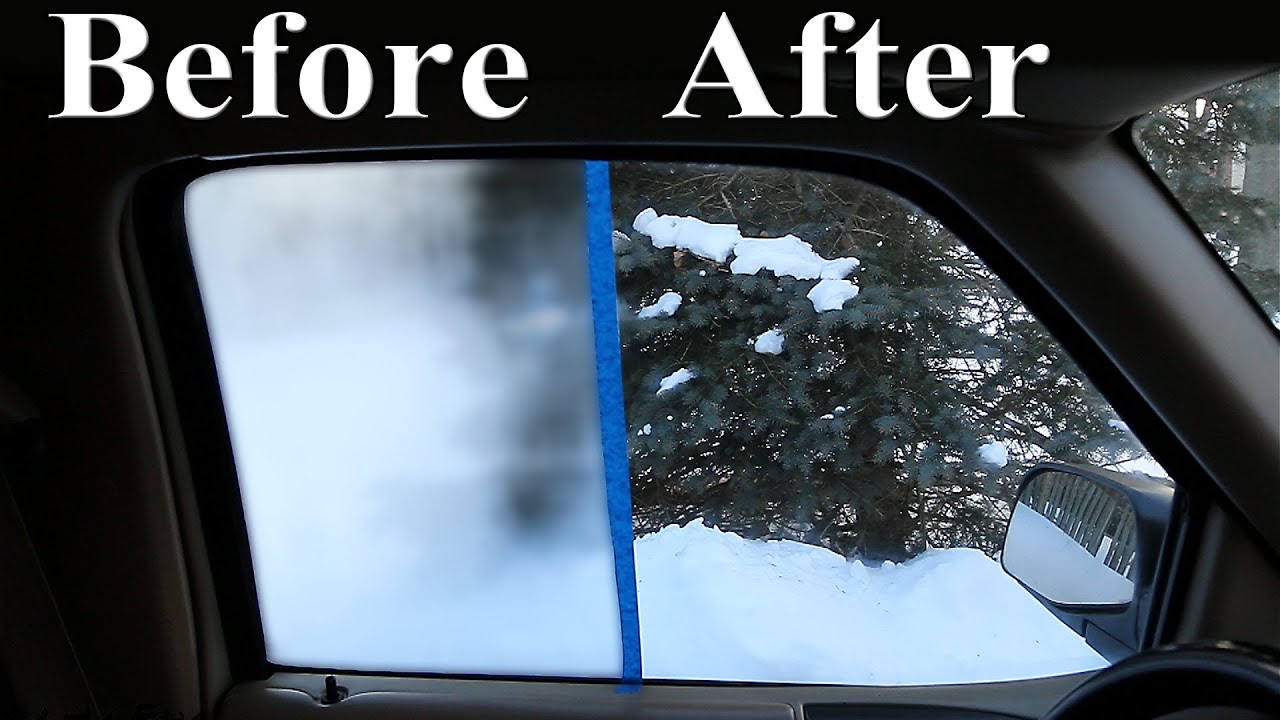
Cold weather needs special attention. Try these tips:
- Start the car and run defrost with A/C before driving to pre‑clear the windshield.
- Remove snow and ice outside first; a dry interior is easier to manage.
- Keep a spare microfiber cloth within reach for quick wiping.
- Use a windshield cover or park in a garage when possible.
- Monitor traction mats and boots; remove wet items that raise cabin humidity.
These small habits make a big difference when temperatures drop and moisture rises.
Safety and legal considerations
Visibility is a safety issue. Keep these rules in mind:
- Never drive with a severely fogged windshield. Pull over safely if you must.
- Avoid blocking vents with items or covers that reduce airflow to the glass.
- Do not apply anything that leaves large streaks or residue that could impair vision.
- If your defrost system fails, get it checked. A working heater core and blower are vital.
- Be careful with DIY chemicals near electronics or painted surfaces.
Prioritize clear sightlines. Good visibility prevents accidents and is the law in most places.
Personal experience and common mistakes
I once drove a family trip with a persistently foggy windshield. I tried cloths and recirculate on full heat. That made it worse. The fix was simple: switch on A/C, set defrost, and open a window slightly. I also found a torn cabin filter later and replaced it. Lesson learned: quick fixes help, but maintenance prevents repeat problems.
Common mistakes to avoid:
- Using only heat without A/C in humid conditions.
- Wiping with dirty cloths that smear residue.
- Letting wet items stay in the car overnight.
Apply both quick actions and regular upkeep to beat fog for good.

Frequently Asked Questions of How to stop car windows from fogging up
How quickly can I defog my windshield while driving?
Use defrost with A/C and open a window slightly. Most windshields clear within 30 to 90 seconds depending on temperature.
Is recirculate mode bad for preventing fog?
Recirculate traps cabin moisture. Turn it off when fogging starts to let drier outside air in and reduce humidity.
Will anti-fog sprays harm my windshield or electronics?
Properly formulated automotive anti‑fog sprays are safe for glass. Avoid aerosol contact with painted surfaces and follow product directions.
Can I use household products to prevent fog?
Yes. Rubbing alcohol, vinegar, and a thin layer of shaving cream can work. Test on a small area first and reapply as needed.
Why does my car fog more with multiple passengers?
More people create more moisture through breathing and wet clothes. Increase ventilation and use A/C to control humidity.
Should I run A/C in winter to stop fog?
Yes. A/C dehumidifies the air, even when you use warm settings. Pair it with defrost for best results.
Conclusion
Stopping car windows from fogging up is a mix of fast actions and steady care. Use A/C, defrost, fresh air, and anti‑fog treatments for immediate relief. Maintain cabin dryness, replace filters, and fix leaks to prevent fog from returning. Try the DIY methods and tools above, but put safety first: clear visibility saves lives. Take one small step today—clean your glass, check the cabin filter, or stash a silica pack—and you’ll drive clearer and safer. Leave a comment with your go‑to anti‑fog trick or subscribe for more car care tips.