

Remove car paint overspray with clay, solvent, polishing, or professional treatment, based on its age and thickness.
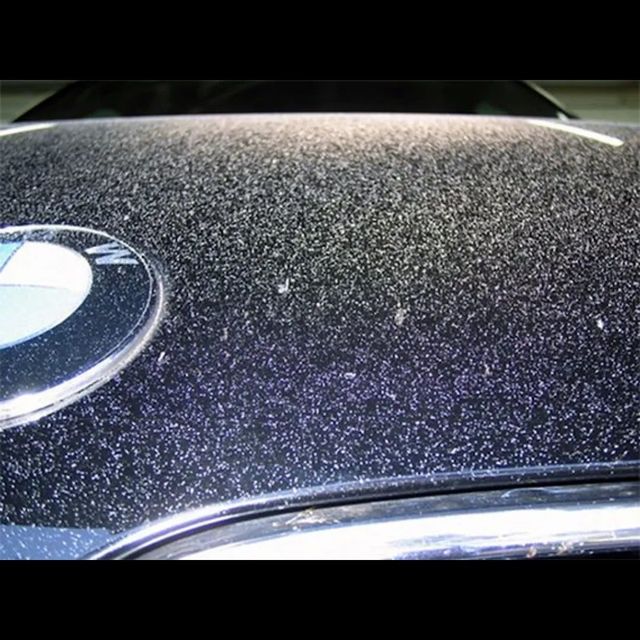
Overspray is a thin layer of paint, primer, stain, or clear coating that lands on your car from nearby spraying work. It may feel like rough sandpaper, look cloudy, or show tiny colored dots across the hood, roof, glass, and trim. Learning how to remove overspray from car paint surface safely matters because the wrong method can cause scratches, dull paint, or permanent damage.
The safest approach is to start with the least aggressive method and move up only when needed. This guide explains how to inspect the contamination, choose the right tools, remove overspray step by step, and know when a professional detailer is the better choice.
What Is Overspray on a Car?
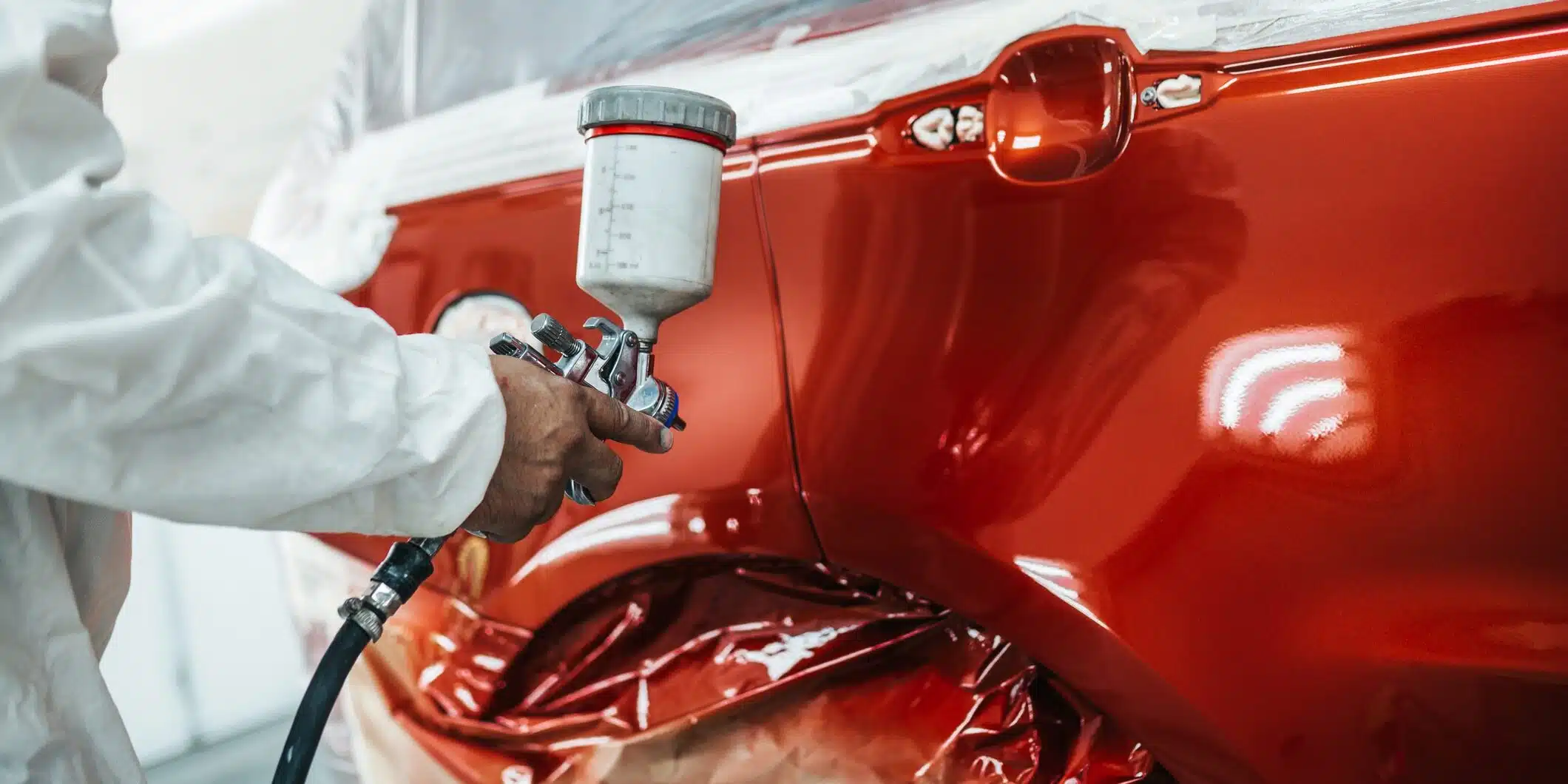
Overspray is unwanted paint or coating that settles on a nearby vehicle during spraying. It often comes from house painting, body shop repairs, road work, industrial coating, or a nearby car being refinished.
The particles can land on several surfaces, including:
• Clear coat and painted panels
• Glass and mirrors
• Plastic trim
• Chrome parts
• Rubber seals
• Wheels and tires
Fresh overspray may feel sticky or dusty. Older overspray can harden into rough dots that resist normal washing. The paint may still look fine from a distance, yet the surface can feel rough when you slide a clean plastic bag over it.
This rough texture is a useful inspection trick. Wash and dry the vehicle first. Then place your hand inside a thin plastic bag and lightly move it across the paint. The bag makes small bumps easier to feel without pressing hard on the finish.

What Causes Paint Overspray?
Understanding the source helps you choose the right removal method. Most overspray problems come from airborne paint particles that travel farther than the person spraying expects.
Common causes include:
• House or fence painting near a parked car
• Auto body repairs in a nearby garage
• Spray primer or clear coat from a repair project
• Road striping and construction coatings
• Industrial paint or powder coating
• Graffiti removal or commercial spraying
• Paint mist from a neighboring vehicle
The type of overspray also matters. Water based paint may soften with water or mild soap. Solvent based paint can bond more strongly and may need clay, a dedicated automotive solvent, or machine polishing.
Sunlight can make the problem worse. Heat may bake the particles into the clear coat, while time allows the coating to harden. This does not mean old overspray is impossible to remove. It simply means you should work more slowly and test each product first.

Inspect the Car Before Removing Overspray
Before learning how to remove overspray from car paint surface, inspect the affected areas in good light. Do not begin by rubbing hard. Rubbing can drag loose grit across the clear coat and create fine scratches.
Look for these signs:
• Tiny dots with a different color than the car
• A dull or hazy section
• Rough paint after washing
• Paint mist on windows or mirrors
• Sticky areas that collect dust
• Overspray on rubber, plastic, or chrome
Check whether the contamination is on top of the clear coat or has already damaged it. If the panel has peeling paint, deep scratches, cracking, or a color change beneath the overspray, removal may not solve the full problem.
You should also estimate how large the affected area is. A few spots on one door may be a simple weekend job. Overspray across the entire vehicle may need a detailer, especially if the paint is soft, dark, or recently repaired.
Always test in a hidden area first. A product that is safe on one finish may stain unpainted plastic, soften fresh paint, or leave a dull mark on a delicate coating.
Tools and Products You May Need
The best results come from using clean tools and plenty of lubrication. Most scratches happen because people use too little liquid or keep working with a dirty towel.
Gather these items:
• Automotive car wash soap
• Two clean wash buckets
• A soft wash mitt
• Several clean microfiber towels
• A plastic razor or plastic scraper
• Automotive detailing clay
• Clay lubricant or a water based detailing spray
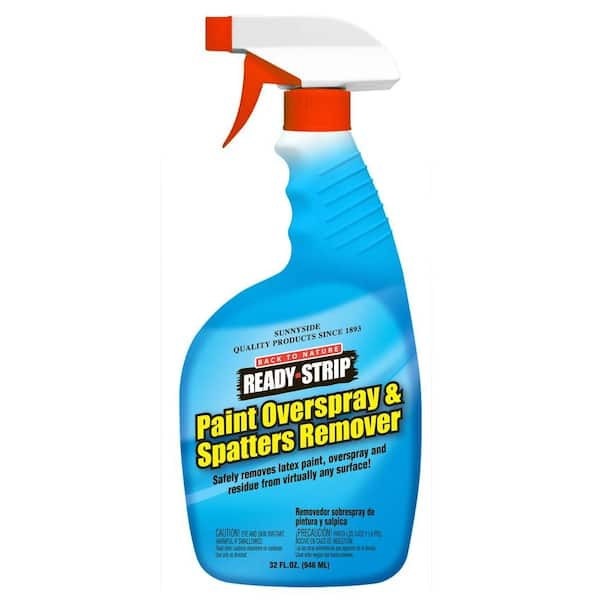
• Automotive adhesive or overspray remover
• A dual action polisher, if polishing becomes necessary
• A mild finishing polish
• Painter’s tape
• Nitrile gloves and eye protection
Avoid household abrasives and rough cleaning tools. Kitchen scrub pads, steel wool, dry paper towels, and powdered cleaners can damage clear coat quickly.
Do not use gasoline, brake cleaner, lacquer thinner, acetone, or paint stripper on automotive paint unless a qualified professional gives specific instructions. These products can attack clear coat, plastic, rubber, decals, and fresh refinished panels.

How to Remove Overspray From Car Paint Surface
Use the following process for most light to moderate overspray. Work in the shade, keep the surface cool, and treat one small section at a time.
1. Wash the Vehicle Thoroughly
Rinse the car well to remove loose dust and grit. Wash from the top down with automotive soap and a clean mitt. Rinse the mitt often so it does not hold abrasive particles.
Dry the vehicle with a clean microfiber towel. Do not let the soap dry on the surface. A clean panel gives you better control and lowers the chance of creating swirl marks.
2. Remove Loose Paint With a Plastic Scraper
If you can see thick drops or raised flakes, try a plastic razor or plastic scraper. Hold it almost flat against the panel and use very light pressure.
Do not scrape across dry paint. Add car wash soap or a safe lubricant first. Stop if the paint feels soft, if the scraper catches, or if the surface begins to change color.
This step works best on glass and thick deposits. It is less useful for fine paint mist spread across a large panel.
3. Use Automotive Detailing Clay
Clay is one of the most useful tools for learning how to remove overspray from car paint surface. It pulls bonded particles from the top of the clear coat without removing a large amount of paint.
Spray clay lubricant over a small area. Flatten a piece of detailing clay and glide it gently across the surface. Use straight passes rather than hard circles.
You should feel the clay become smoother as it lifts the contamination. Fold the clay often to expose a clean section. If the clay falls on the ground, throw it away. Dirt trapped in clay can scratch the paint.
Use light pressure. Clay should glide over the surface, not grind against it. If the clay sticks, add more lubricant.
4. Try a Dedicated Overspray Remover
If clay does not remove the residue, use a product made for automotive paint and overspray. Read the label carefully and check whether it is safe for clear coat, plastic, chrome, and decals.
Apply the product to a microfiber towel or the affected area, based on the directions. Work in a small section and wipe gently. Never allow the product to dry on the panel unless the label specifically permits it.
After treatment, wash the area again. Chemical removers can loosen paint particles that must be rinsed away. They can also remove wax or sealant, so plan to protect the paint afterward.
5. Polish Away the Remaining Haze
Some overspray leaves a light stain or dull film after the particles are gone. A mild finishing polish may restore clarity.
Apply polish by hand with a soft foam applicator or use a dual action polisher at a safe, low setting. Keep the pad moving. Do not stay on one spot or press hard on an edge.
Polishing removes a small amount of clear coat. That makes it a corrective step, not a routine cleaning step. If the surface needs heavy compounding, stop and consult a professional.
6. Clean and Protect the Paint
Wash away residue and dry the panel with a clean towel. Inspect it from several angles in natural light.
Apply a wax, paint sealant, or compatible ceramic coating after the surface is clean. Protection helps water and dirt release more easily in the future. It does not make the car immune to new overspray, but it can make later cleanup easier.

How to Remove Overspray From Glass, Trim, and Plastic
Overspray removal differs by surface. A method that works on glass may damage textured plastic or rubber trim.
Glass
Glass is usually more tolerant than clear coat. Soak the area with glass cleaner or soapy water, then use a new plastic razor at a low angle. Keep the glass wet while scraping.
A glass-safe razor can remove stubborn paint, but use extra care around window film, heated elements, seals, and sensors. Do not scrape tinted film unless the manufacturer confirms it is safe.
Plastic Trim
Start with soap, water, and a microfiber towel. Then test a trim-safe automotive cleaner in a hidden spot. Textured plastic can trap paint, so aggressive scrubbing may create a shiny patch.
Avoid strong solvents. They can whiten, soften, or stain plastic.
Rubber Seals
Use mild soap and a soft brush or towel. Do not flood rubber with harsh solvent. If the paint has soaked into the rubber, replacement may be safer than trying to dissolve it.
Chrome and Metal
Use a mild automotive polish designed for the specific finish. Test first, especially on plated plastic. Some parts that look like metal are actually plastic with a thin coating.

Mistakes to Avoid When Removing Overspray
Many paint damage cases come from rushing. Overspray is frustrating, but aggressive pressure often turns a small problem into a full paint correction job.
Avoid these common mistakes:
• Rubbing the panel while it is dry
• Using a dirty clay bar or dirty towel
• Applying household paint thinner without testing
• Using a kitchen sponge or abrasive pad
• Working in direct sun on hot paint
• Leaving solvent on the surface too long
• Polishing before removing loose grit
• Using a metal razor on painted panels
• Applying heavy pressure around edges
• Skipping a test spot
A useful rule is simple: if the product feels too strong, the tool feels too rough, or the panel becomes hot, stop. Clean the area and reassess.
One practical lesson detailers learn is that lubrication is not optional. Clay and plastic tools need a wet, slick surface. Dry contact creates friction, and friction creates marks.
When Should You Hire a Professional?
DIY removal is reasonable when the overspray is light, the paint is healthy, and the affected area is small. Professional help is safer when the contamination covers many panels or has been baked on by heat.
Contact an experienced detailer or body shop when:
• The paint is peeling or cracking
• The vehicle has fresh bodywork
• The overspray is thick and widespread
• The car has a delicate single stage finish
• The surface shows deep scratches or staining
• You are unsure which solvent is safe
• Clay and mild remover do not work
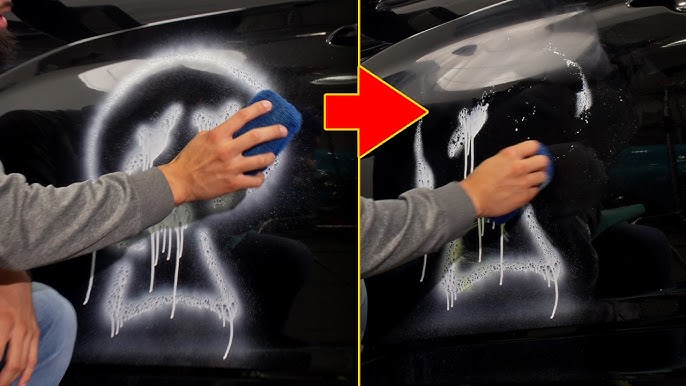
A professional may use a decontamination system, solvent treatment, machine polishing, or wet sanding. Wet sanding can remove severe defects, but it also removes clear coat and requires skill. It should not be the first choice for a home repair.
Ask the detailer what process they plan to use. A trustworthy professional should inspect the finish, perform a test spot, explain the risk, and provide a clear price before starting.
How to Prevent Future Overspray
Prevention is easier than paint correction. If nearby spraying is planned, move the car indoors or park well away from the work area.
Helpful steps include:
• Close all windows and doors
• Avoid parking downwind from spraying
• Use a proper breathable car cover when suitable
• Ask contractors to mask nearby vehicles
• Wash the car soon after accidental exposure
• Keep a clay bar and lubricant in your detailing kit
Do not use plastic sheeting directly on a hot car. It can trap heat, hold dust against the paint, and create more problems. If you must cover the vehicle, use a clean cover made for automotive use and secure it against wind.
A quality wax or paint sealant may reduce how strongly some particles bond. However, no protectant can stop airborne paint from landing on the vehicle.
How to Remove Overspray From Car Paint Surface Safely: A Simple Decision Guide
Use this guide to choose the least aggressive method:
Wash and dry the car.
Feel the surface with a bagged hand.
Remove raised deposits with lubricant and a plastic scraper.
Use detailing clay on small sections.
Test a paint-safe overspray remover.
Polish only if a haze remains.
Protect the finish after cleaning.
If the first method works, stop there. More aggressive cleaning does not mean better cleaning. The goal is to remove the contamination while preserving as much original clear coat as possible.
Frequently Asked Questions About How to Remove Overspray From Car Paint Surface
Can I remove overspray from car paint with rubbing alcohol?
A small amount of diluted isopropyl alcohol may remove some fresh residue, but it is not the best first choice. Test it in a hidden spot, keep contact brief, and wash the panel afterward because it can weaken wax or affect sensitive finishes.
Will WD 40 remove overspray from a car?
Some lubricating products may soften certain paint particles, but they are not designed as dedicated automotive overspray removers. If used, test first, avoid plastic and rubber, and wash the panel fully afterward to remove the oily residue.
Does clay bar remove paint overspray?
Yes, automotive detailing clay can remove many bonded overspray particles from clear coat. Use plenty of clay lubricant, light pressure, and a clean section of clay to prevent scratches.
Can I use a razor blade on car paint?
Do not use a metal razor blade on painted panels. It can cut the clear coat and leave permanent lines; use detailing clay or a plastic scraper instead.
Is paint overspray permanent?
Paint overspray is often removable when it sits on top of the clear coat. If it has stained, etched, or damaged the finish, removal may require polishing, wet sanding, repainting, or professional correction.
How long should I wait before removing overspray?
Remove it as soon as you safely can after the surface cools. Fresh overspray is usually easier to loosen, while sun and time can harden the particles and increase the need for polishing.
Can car washing remove overspray?
Normal washing may remove loose dust and fresh water based residue, but it usually will not remove bonded overspray. Clay or a paint-safe remover is often needed after washing.
Conclusion
The safest way to remove overspray from car paint surface is to start with a careful wash, use lubrication, and choose the least aggressive method that works. Detailing clay handles many bonded particles, while a paint-safe remover or light polish can treat more stubborn residue. Avoid harsh household solvents, dry scraping, and heavy pressure.
Work slowly, test every product, and protect the paint after cleaning. If the overspray is thick, widespread, or mixed with paint damage, a skilled detailer can save time and reduce risk. Share your experience, ask a detailing professional for advice, or explore more vehicle care guides before beginning the job.