
The Nissan Versa is generally a reliable, affordable car when maintained well and chosen with care.
If you want low ownership costs, good fuel economy, and simple daily transport, the Nissan Versa deserves a close look. It is not the fastest or most refined small car, but its low purchase price, practical cabin, and modest repair needs make it a sensible choice for many drivers. This guide explains how reliable the Nissan Versa is, which years are best, what problems to watch for, and how to buy one with confidence.
Is the Nissan Versa a reliable car?
Yes, the Nissan Versa can be a reliable car. Its simple engine, low running costs, and affordable parts help keep ownership easy. Many Versa models can reach 150,000 to 200,000 miles with regular care.
However, reliability depends heavily on the model year and transmission. Older Versa cars with the continuously variable transmission, or CVT, deserve extra caution. A well-maintained manual Versa may be a safer long-term choice than a neglected CVT model.
The Nissan Versa is built for basic transportation. Think of it as a dependable pair of walking shoes. It may not feel luxurious, but it can do its job for years when you care for it properly.
Several factors shape Nissan Versa reliability:
• Regular oil changes protect the engine.
• CVT fluid service can reduce transmission wear.
• A clean service history often matters more than mileage alone.
• Driving style affects clutch, brake, tire, and transmission life.
• Model year changes can bring major differences in safety and mechanical design.
The Nissan Versa is usually most appealing to students, first-time buyers, commuters, and people who want a low-cost new car. It may be less appealing to drivers who want strong acceleration, a quiet ride, or upscale materials.
Nissan Versa reliability by generation
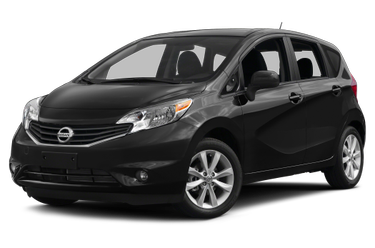
The Versa has changed a lot since it arrived in the United States. Some years are stronger than others, so knowing the generation is important.
First-generation Nissan Versa: 2007 to 2011
The first-generation Versa used a simple four-cylinder engine. It was roomy for its price and easy to repair. Many cars came with a traditional automatic transmission or a manual transmission.
The main concern is age. Even a reliable car can develop worn suspension parts, rust, electrical faults, and cooling system problems after many years. Some early automatic models also had transmission concerns.
A first-generation Versa can still be a good cheap car, but only if a mechanic checks it before purchase. Low price alone does not make an old car a good deal.
Second-generation Nissan Versa: 2012 to 2019
The second-generation model improved fuel economy and kept operating costs low. It also offered a roomy trunk and useful rear-seat space.
The biggest concern for many buyers is the CVT. Some owners have reported shuddering, slipping, delayed acceleration, or transmission failure. Not every CVT Versa has trouble, but repair costs can be high when problems appear.
Manual transmission versions are often simpler. They still need a clutch, but a clutch replacement is usually more predictable and less costly than a major CVT repair.
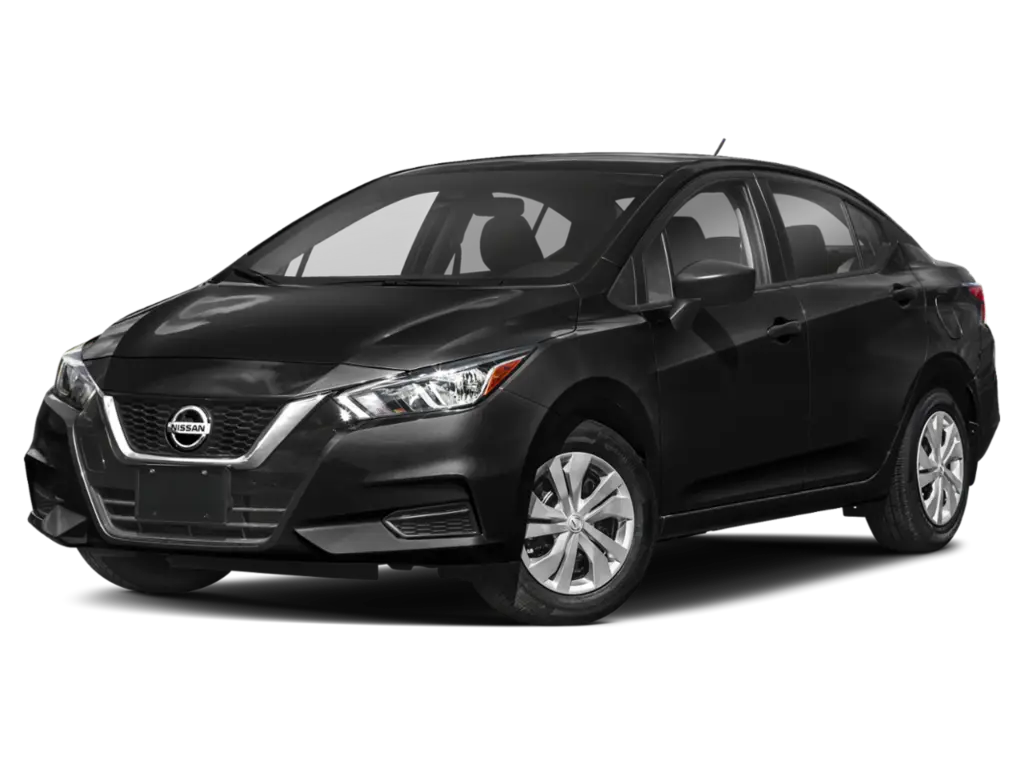
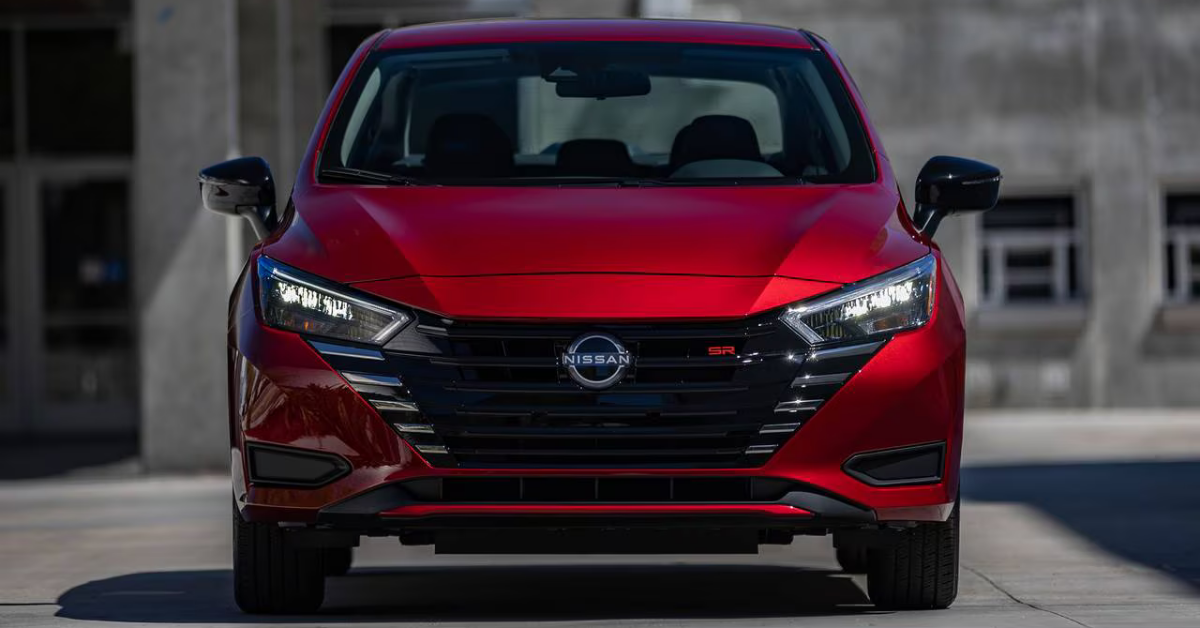
Third-generation Nissan Versa: 2020 to 2025
The newer Versa has a sharper design, better safety technology, and a more modern cabin. It also feels more stable and refined than older versions.
The 1.6-liter four-cylinder engine is not powerful, but it is simple and economical. Depending on trim and model year, the Versa came with a manual transmission or Nissan’s Xtronic CVT.
Newer cars may have fewer age-related problems, but they are not immune to faults. Owners should still follow the maintenance schedule and inspect the transmission during a test drive.
Common Nissan Versa problems
The Nissan Versa is not known as a perfect car. Understanding common problems helps you budget for repairs and avoid a poor purchase.
CVT transmission problems
CVT issues are the most discussed reliability concern. Symptoms can include:
• Shaking or shuddering during acceleration
• A whining sound that rises with engine speed
• Slow movement after pressing the gas pedal
• Sudden loss of power
• Overheating warnings
• The engine revving without normal acceleration
A CVT does not shift through fixed gears like a traditional automatic. It uses pulleys and a belt to change ratios. This design can improve fuel economy, but heat, poor fluid condition, and hard use can cause wear.
A test drive should include city traffic, highway speeds, hills, and stop-and-go driving. The transmission should respond smoothly. Any hesitation, vibration, or loud whine is a reason to stop and get a professional inspection.
Engine and oil-related concerns
The Versa’s four-cylinder engine is generally durable. Still, skipped oil changes can cause problems such as timing chain noise, oil leaks, or premature engine wear.
Check the oil level and condition before buying. Very low oil, thick sludge, or a strong burnt smell suggests poor care.
The engine should start quickly when cold. Listen for rattles, knocking, or uneven idle. A small amount of noise from an old engine may be normal, but loud or persistent sounds need attention.
Suspension and steering wear
Older Versa models may develop worn shocks, struts, control arm bushings, tie rod ends, or wheel bearings. These parts affect ride comfort and safety.
Watch for:
• Clunking over bumps
• Uneven tire wear
• Steering that pulls to one side
• Excessive body movement
• A humming sound that changes with vehicle speed
These repairs are usually less frightening than a transmission replacement. Still, several worn parts can quickly add up.
Air conditioning and electrical issues
Some Versa owners report air conditioning faults, power window problems, warning lights, or failed sensors. These issues are often manageable, but diagnosis can take time.
Test every feature before buying. Check the air conditioner, heater, lights, radio, backup camera, power locks, windows, and dashboard warning lamps.

Which Nissan Versa years are best?
The best Nissan Versa year depends on your budget and tolerance for risk. Newer models usually offer better safety and fewer age-related repairs, while older models can cost much less.
For many used-car buyers, the 2015 to 2019 models can offer good value if the transmission has been maintained. A manual version may reduce CVT risk, but manual cars are less common.
The 2020 to 2025 generation is attractive for buyers who want modern safety features and a newer interior. It is also easier to find with fewer miles. Before buying, check for open recalls and confirm that all software updates and repairs were completed.
There is no universal “best” year. A well-serviced 2016 Versa may be better than a neglected 2022 model. Vehicle history, maintenance, mileage, and condition should guide your choice.
Look for:
• One or two owners
• Service records with regular oil changes
• Proof of CVT fluid service when required
• No major accident history
• Few dashboard warning lights
• Clean title documentation
• A pre-purchase inspection
Nissan Versa reliability compared with other small cars
The Nissan Versa competes with cars such as the Honda Civic, Toyota Corolla, Hyundai Accent, Kia Rio, and Mitsubishi Mirage.
The Versa often wins on price and interior space. Its rear seat and trunk are useful for a small sedan. It also provides good fuel economy, especially in city and mixed driving.
The Toyota Corolla and Honda Civic generally have stronger reputations for long-term reliability and resale value. However, they often cost more to buy. A Versa can make financial sense when your budget is limited.
The Hyundai Accent and Kia Rio may offer similar value. Their reliability depends on the model year, engine, transmission, and service history. The Mitsubishi Mirage may be cheaper to run, but its slow acceleration and basic cabin may not suit every driver.
Here is a simple comparison:
• Nissan Versa: Low price, good space, moderate reliability, CVT concerns.
• Toyota Corolla: Strong reliability, better resale value, higher purchase price.
• Honda Civic: Durable and refined, but usually more expensive.
• Hyundai Accent: Affordable and efficient, with year-specific reliability differences.
• Kia Rio: Good value, but check warranty and maintenance history closely.
The Nissan Versa is reliable enough for many owners, but it is not always the safest choice when long-term dependability is the only goal. Your budget and the exact vehicle matter most.
Nissan Versa maintenance costs
One reason the Nissan Versa remains popular is its low routine maintenance cost. The engine uses common parts, and many independent repair shops know the car well.
Typical maintenance may include:
• Engine oil and filter changes
• Tire rotation and wheel alignment
• Brake pad and rotor replacement
• Air filter and cabin filter replacement
• Spark plug replacement
• Coolant service
• Battery replacement
• CVT fluid service, where required
Prices vary by location, parts quality, and shop labor rates. Routine maintenance is usually affordable, but a transmission repair can be expensive. That is why a small investment in inspection and fluid service can protect your budget.
Always follow the owner’s manual for service intervals. Do not assume that “lifetime fluid” means the transmission never needs inspection. Ask a qualified technician what service is suitable for the specific model year.
In my experience reviewing used-car decisions, the most common mistake is focusing only on the monthly payment. Buyers forget that tires, brakes, fluids, and unexpected repairs are part of ownership. A cheap Versa is only a good deal when the total cost stays manageable.
How to check a used Nissan Versa
A careful inspection can reveal problems before you buy. You do not need to be a car expert, but you should slow down and check the basics.
Before the test drive
Ask the seller for:
• The vehicle identification number
• Maintenance records
• The title
• Information about previous accidents
• Details about transmission service
• The reason for selling
Use the VIN to check recall information and vehicle history. A history report is useful, but it may not show every repair or accident.
During the test drive
Start the car when the engine is cold if possible. A seller who warms the car before you arrive may be hiding a difficult cold start.
Drive at different speeds. The car should accelerate smoothly without shaking or strange noises. Test reverse, parking maneuvers, hills, and highway entry.
Pay special attention to the CVT. It may not feel like a regular automatic, but it should not jerk, shudder, or hesitate. A mild change in engine sound can be normal, while vibration and delayed movement are warning signs.
Before signing
Arrange a pre-purchase inspection with an independent mechanic. This is one of the best ways to protect yourself.
Ask the mechanic to inspect:
• The transmission and fluid condition
• Engine leaks and oil level
• Suspension and steering parts
• Brakes and tires
• Cooling system
• Undercarriage rust
• Accident repairs
• Diagnostic trouble codes
A mechanic may find problems that do not appear during a short test drive. Spending money on an inspection can save thousands later.

How to improve Nissan Versa reliability
Good maintenance cannot prevent every problem, but it can reduce risk.
Follow these practical steps:
Change the engine oil on schedule. Use the correct oil grade listed in the owner’s manual.
Service the CVT correctly. Use the approved fluid and a qualified shop.
Avoid aggressive launches. Hard acceleration creates more heat and stress.
Let the engine warm up gently. You do not need to idle for a long time, but drive calmly for the first few minutes.
Check tire pressure each month. Proper pressure improves handling, economy, and tire life.
Fix warning lights quickly. Small issues can become larger problems.
Keep service records. Documentation helps with resale and future diagnosis.
Replace worn parts before they damage other components. For example, bad wheel bearings and worn suspension parts should not be ignored.
One lesson worth remembering is simple: maintenance is cheaper than neglect. A Versa does not need luxury-car treatment, but it does need consistent care.
Advantages and disadvantages of the Nissan Versa
The Nissan Versa has clear strengths, but it also has limits.
Advantages
• Affordable purchase price
• Good fuel economy
• Large trunk for a small sedan
• Useful rear-seat space
• Simple four-cylinder engine
• Low-cost routine maintenance
• Easy-to-use controls
• Available advanced driver assistance features on newer trims
Disadvantages
• Slow acceleration
• Basic interior materials
• Noticeable road and engine noise
• CVT reliability concerns in some years
• Lower resale value than the Toyota Corolla or Honda Civic
• Limited power for steep hills or heavy loads
• Older models may lack modern safety features
The Versa works best when you view it as practical transportation. It is not designed to be exciting. It is designed to get you to work, school, stores, and appointments without demanding a large budget.
Is the Nissan Versa reliable for long-distance driving?
A well-maintained Nissan Versa can handle long-distance driving. Its engine is capable of highway travel, and its fuel economy helps reduce road-trip costs.
Before a long trip, check the oil, coolant, tire pressure, spare tire, battery, brakes, and windshield wipers. If the Versa uses a CVT, pay close attention to unusual noise, hesitation, or overheating.
The small engine may feel strained when passing or climbing long grades. Plan ahead and leave enough space for safe merging. The Versa is dependable transportation, but it does not offer the power reserve of a larger sedan.
Is the Nissan Versa a good first car?
The Nissan Versa can be a good first car because it is affordable, easy to park, economical, and simple to operate. Newer versions also offer useful safety systems.
A used Versa is especially attractive when insurance, fuel, and repair costs need to stay low. However, young buyers should avoid choosing only by price. A cheap car with a failing transmission can become difficult to afford.
Choose a Versa with a clean history, a smooth test drive, and a professional inspection. Those three steps matter more than finding the lowest advertised price.
Frequently asked questions
Is the Nissan Versa a reliable car for daily commuting?
Yes, the Nissan Versa is generally reliable for daily commuting when it receives regular maintenance. Its simple engine and low fuel use make it practical for city and highway driving.
How long can a Nissan Versa last?
A well-maintained Nissan Versa can often reach 150,000 to 200,000 miles. Actual life depends on oil changes, transmission care, driving conditions, rust, and repair quality.
What is the biggest Nissan Versa reliability problem?
The CVT transmission is the main concern reported by many owners, especially in some older model years. Shuddering, hesitation, whining, or delayed acceleration should be checked by a qualified technician.
Is a manual Nissan Versa more reliable than a CVT model?
A manual Versa may have lower transmission risk because its design is simpler. However, it still needs clutch replacement over time, and the condition of the individual car remains very important.
What Nissan Versa year should I avoid?
Rather than avoiding one year automatically, inspect the exact car and its service history. Some older CVT-equipped models deserve extra caution, while a well-maintained example may still be useful.
Is a Nissan Versa expensive to repair?
Routine Nissan Versa repairs are usually affordable compared with many larger or luxury vehicles. A major CVT or engine repair can be costly, so a pre-purchase inspection is highly recommended.
Conclusion
So, is the Nissan Versa a reliable car? For many drivers, yes. It offers low fuel costs, useful space, simple mechanical design, and affordable routine service. The biggest caution is the CVT, especially in older used models with poor maintenance records.
Choose the exact car carefully, review its history, test the transmission, and pay for an independent inspection. If you find a clean, well-serviced Versa that fits your budget, it can provide years of practical transportation. Compare local listings, check recall records, and consult a trusted mechanic before making your final decision.