

Yes. Many cars, trucks, and SUVs are still built in the United States.
American factories produce vehicles for Ford, General Motors, Stellantis, Tesla, Rivian, Lucid, Toyota, Honda, Hyundai, Kia, Subaru, BMW, Mercedes-Benz, Volkswagen, and other brands. However, “made in America” can mean different things. A vehicle may be assembled in the U.S. while using parts from several countries.
The best way to check a specific vehicle is to look at its window sticker, model-year production details, and vehicle identification number (VIN). The plant can change by trim, engine, model year, or supply needs.
Research scope: This guide uses U.S. government and manufacturer information available through 2025. Vehicle production locations can change, so confirm the details for the exact vehicle you plan to buy.

What Does “Made in America” Mean for a Car?
For cars, “made in America” usually means the vehicle’s final assembly took place in the United States. It does not always mean that every part came from the United States.
A modern vehicle may have:
- Final assembly in Michigan, Kentucky, Texas, or another U.S. state
- An engine built in another country
- A transmission from Canada or Mexico
- Batteries made in the U.S., Japan, Korea, or China
- Electronic parts from many suppliers worldwide
The American Automobile Labeling Act requires automakers to disclose information about a new vehicle’s country of final assembly and the percentage of U.S. and Canadian parts content. This information is usually shown on the vehicle’s window sticker.
The phrase “American car” can also refer to the brand’s ownership. That creates a common source of confusion:
| Term | What it usually means |
|---|---|
| American brand | A company such as Ford, Chevrolet, Jeep, Tesla, or Rivian |
| U.S.-assembled vehicle | The final assembly occurred at a U.S. plant |
| U.S.-built vehicle | Often used to mean U.S. assembly, but the exact meaning varies |
| U.S.-content vehicle | A vehicle with a stated percentage of U.S. and Canadian parts |
| Made in USA | A broader claim that can have different legal standards depending on the product and label |
A Chevrolet can be assembled in Mexico, while a Toyota can be assembled in Indiana. Brand origin and assembly location are not the same thing.

Which Cars Are Made in the United States?
Several passenger cars, electric vehicles, trucks, and SUVs are built in U.S. factories. The list below gives well-known examples, but it is not a guarantee that every version of a model is U.S.-built.
Production locations can vary by model year and plant allocation.
Ford vehicles
Ford builds several popular vehicles in the United States, including:
- Ford Mustang — Flat Rock, Michigan
- Ford Bronco — Wayne, Michigan
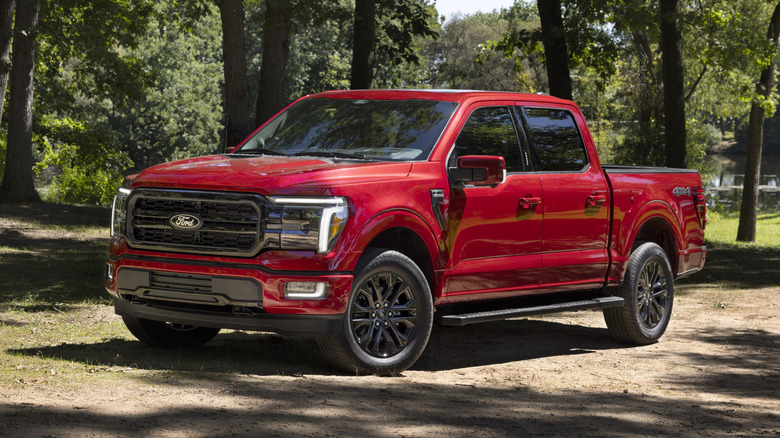
- Ford F-150 — Dearborn, Michigan, and Kansas City, Missouri
- Ford F-150 Lightning — Dearborn, Michigan
- Ford Ranger — Wayne, Michigan
- Ford Super Duty — Ohio and Kentucky plants, depending on configuration
Ford also builds vehicles outside the U.S. The Ford Maverick, for example, has been produced in Mexico. Buyers should check the exact vehicle rather than assume all Ford models are American-built.
General Motors vehicles
General Motors builds vehicles under the Chevrolet, GMC, cadillac, and Buick brands. Examples include:
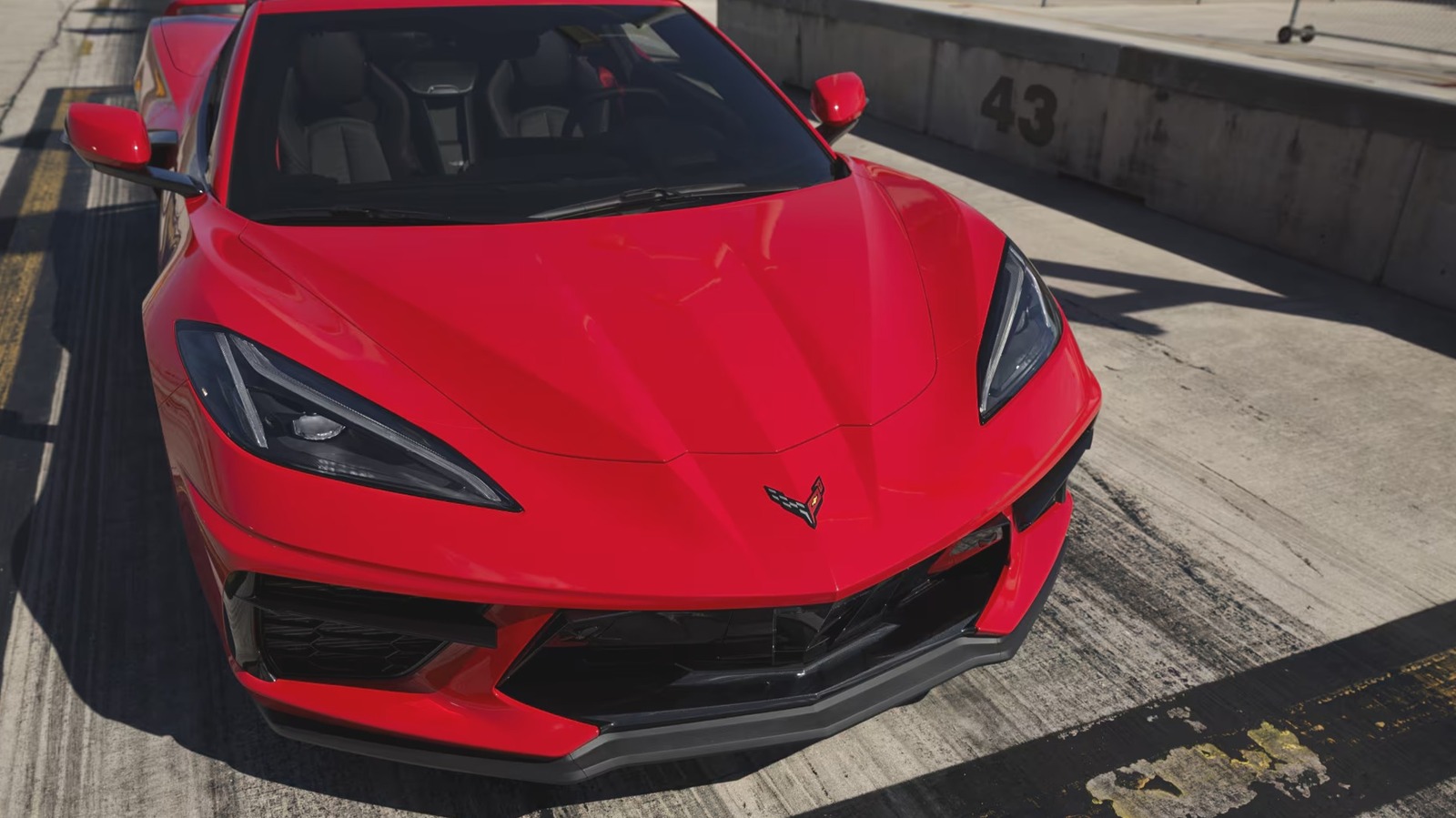
- Chevrolet Corvette — Bowling Green, Kentucky
- Chevrolet Tahoe — Arlington, Texas
- Chevrolet Suburban — Arlington, Texas
- GMC Yukon — Arlington, Texas
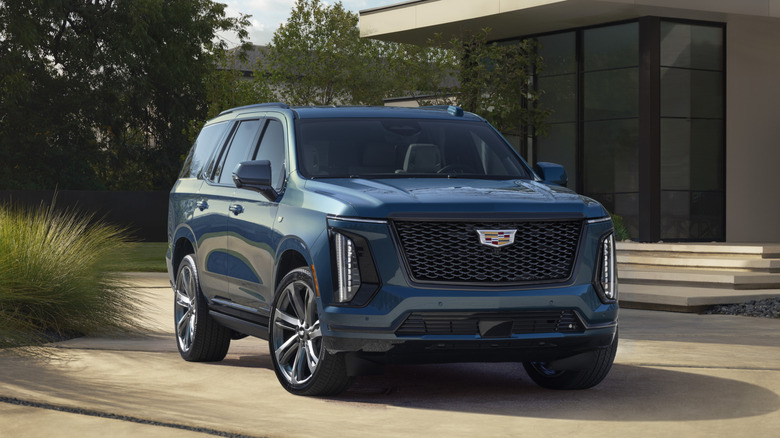
- Cadillac Escalade — Arlington, Texas
- Cadillac Lyriq — Spring Hill, Tennessee
- Cadillac Escalade IQ — Detroit-Hamtramck, Michigan
- Chevrolet Silverado EV — Detroit-Hamtramck, Michigan
- GMC Sierra EV — Detroit-Hamtramck, Michigan
- GMC Hummer EV — Detroit-Hamtramck, Michigan
Other Chevrolet and GMC models may be made in Canada, Mexico, South Korea, or other countries.
Stellantis vehicles
Stellantis owns brands such as Jeep, Ram, Dodge, Chrysler, and Fiat. U.S.-built examples include:
- Jeep Wrangler — Toledo, Ohio
- Jeep Gladiator — Toledo, Ohio
- Jeep Grand Cherokee — Detroit, Michigan
- Ram 1500 — Sterling Heights, Michigan
- Dodge Durango — Detroit, Michigan
- Chrysler Pacifica — Windsor, Ontario, Canada, rather than the U.S.
The Jeep brand is American in origin, but not every Jeep is built in the United States. The Jeep Compass, for example, has been produced in other countries.
Tesla vehicles
Tesla builds several models in the United States:
- Tesla Model S — Fremont, California
- Tesla Model X — Fremont, California
- Tesla Model 3 — Fremont, California, and other Tesla plants depending on version
- Tesla Model Y — Fremont, California, and Austin, Texas
- Tesla Cybertruck — Austin, Texas
Tesla production can be split between plants. Two vehicles with the same name may have different assembly locations, battery packs, or country-of-origin details.
Rivian vehicles
Rivian builds the following vehicles at its Normal, Illinois, factory:
- Rivian R1T
- Rivian R1S
- Rivian commercial delivery vans
Rivian has announced plans for additional manufacturing capacity in Georgia, but plant timing and production assignments can change. The Normal plant remains the key U.S. production site for Rivian vehicles sold in the current market.
Lucid vehicles
Lucid builds its vehicles at its Advanced Manufacturing Plant in Casa Grande, Arizona. Examples include:
- Lucid Air
- Lucid Gravity
Lucid is a U.S.-based electric vehicle company, but its supply chain includes international parts and materials. Final assembly in Arizona does not mean every component is American-made.
Toyota vehicles
Toyota operates major U.S. factories and builds several models here, including:
- Toyota Camry — Georgetown, Kentucky
- Toyota Avalon — production ended after the 2022 model year
- Toyota Highlander — Princeton, Indiana
- Toyota Grand Highlander — Princeton, Indiana
- Toyota Sienna — Princeton, Indiana
- Toyota Tundra — San Antonio, Texas
- Toyota Sequoia — San Antonio, Texas
Toyota also imports many vehicles sold in the United States. The RAV4, Corolla, Tacoma, and other models may come from different plants depending on the year and version.
Honda vehicles
Honda builds several vehicles in Alabama, Ohio, and Indiana. Examples include:
- Honda Accord — Marysville, Ohio
- Honda Odyssey — Lincoln, Alabama
- Honda Pilot — Lincoln, Alabama
- Honda Passport — Lincoln, Alabama
- Honda Ridgeline — Lincoln, Alabama
- Honda Civic — production location varies by body style and model year
Honda also imports vehicles from Canada, Japan, and other countries. The exact assembly location is especially important when comparing Civic, CR-V, and hybrid versions.
Hyundai and Kia vehicles
Hyundai builds several vehicles at its Montgomery, Alabama, factory, including:
- Hyundai Santa Fe
- Hyundai Tucson
- Hyundai Santa Cruz
- Certain Genesis vehicles and powertrain components
Kia builds vehicles at its West Point, Georgia, plant, including models such as:
- Kia Telluride
- Kia Sorento
- Kia Sportage, depending on production allocation and model year
Hyundai and Kia also import many vehicles. Their U.S. assembly plants do not mean that every Hyundai or Kia sold in America is built here.
Subaru vehicles
Subaru builds several models at its Lafayette, Indiana, plant, including:
- Subaru Ascent
- Subaru Outback
- Subaru Legacy
- Subaru Impreza
Subaru also produces vehicles in Japan. The Forester, Crosstrek, and BRZ, for example, may not come from the Indiana plant.
BMW vehicles
BMW builds many of its larger SUVs at its Spartanburg, South Carolina, plant. These include:
- BMW X3
- BMW X5
- BMW X6
- BMW X7
- BMW XM
The BMW 3 Series, 5 Series, and other cars are generally produced outside the United States. A German brand can therefore sell both U.S.-built SUVs and imported cars.
Mercedes-Benz vehicles
Mercedes-Benz builds several SUVs in Alabama, including:
- Mercedes-Benz GLE
- Mercedes-Benz GLS
- Mercedes-Benz GLE Coupe
- Certain electric SUV models
Many Mercedes-Benz sedans and smaller vehicles are imported. Check the window sticker for the exact vehicle.
Volkswagen vehicles
Volkswagen builds the following models in Chattanooga, Tennessee:
- Volkswagen Atlas
- Volkswagen Atlas Cross Sport
- Volkswagen electric vehicles produced under changing model and plant plans
Volkswagen’s Jetta, Golf, and other models may come from Mexico, Germany, or other facilities.
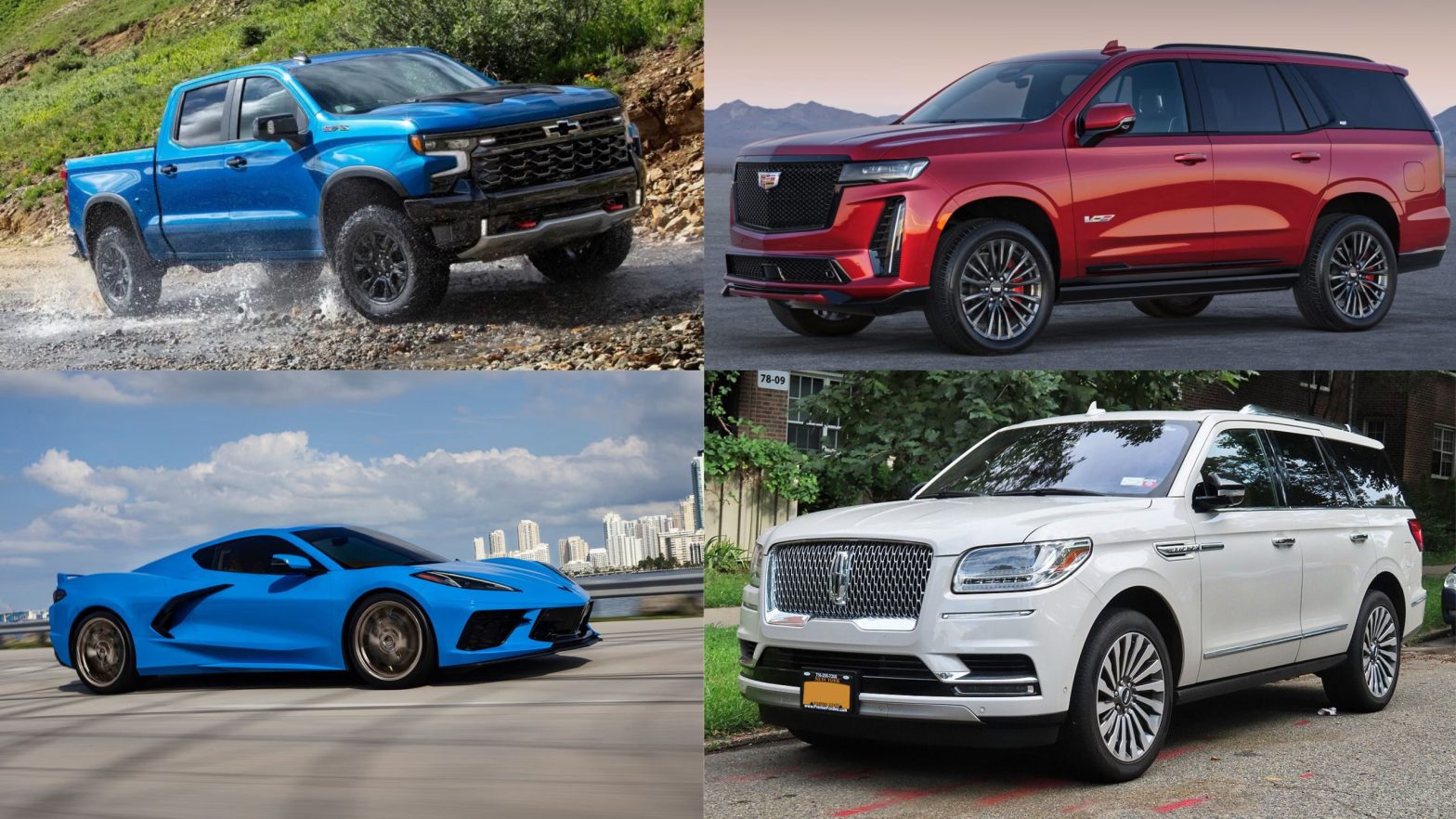
U.S.-Built Cars by Vehicle Type
If you want a car made in America, the easiest approach is to begin with the type of vehicle you need.
| Vehicle type | Examples of U.S.-built models |
|---|---|
| Sports car | Chevrolet Corvette, Ford Mustang |
| Electric car | Tesla Model 3, Tesla Model S, Lucid Air |
| Electric SUV | Tesla Model Y, Cadillac Lyriq, Rivian R1S |
| Pickup truck | Ford F-150, Ford Ranger, Toyota Tundra, Ram 1500 |
| Full-size SUV | Chevrolet Tahoe, Chevrolet Suburban, GMC Yukon, Cadillac Escalade |
| Midsize SUV | Toyota Highlander, Subaru Outback, Honda Passport |
| Three-row SUV | Toyota Grand Highlander, Subaru Ascent, Volkswagen Atlas |
| Minivan | Honda Odyssey |
| Off-road SUV | Jeep Wrangler, Ford Bronco |
| Luxury SUV | BMW X5, BMW X7, Mercedes-Benz GLE, Mercedes-Benz GLS |
This table is a starting point, not a substitute for checking the vehicle identification number. A model can move between plants, and some trims may be made in a different country from other trims.
Are electric cars made in America?
Yes. The United States produces several electric vehicles, including:
- Tesla Model 3, Model S, Model X, Model Y, and Cybertruck
- Ford F-150 Lightning
- Cadillac Lyriq
- Chevrolet Silverado EV
- GMC Hummer EV
- Rivian R1T and R1S
- Lucid Air and Gravity
- Some electric SUVs from Mercedes-Benz, BMW, Hyundai, and other brands
Electric vehicles have an added layer of complexity. The vehicle, battery cells, battery modules, and critical minerals may come from different locations.
A U.S.-assembled EV may qualify for some federal tax incentives, but eligibility depends on current law, income limits, purchase rules, battery sourcing, critical-mineral requirements, and final assembly. Do not assume that U.S. assembly alone guarantees a tax credit.
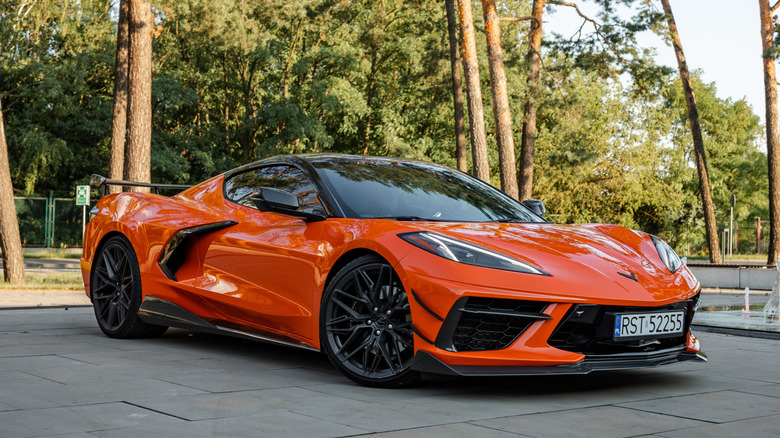
How to Check Whether a Specific Car Was Built in the USA
The most reliable answer comes from the exact vehicle, not just the brand or model name.
1. Check the window sticker
The window sticker should identify the vehicle’s country of final assembly. It may also list:
- U.S. and Canadian parts content
- Major source countries for the engine and transmission
- Suggested retail price
- Standard equipment
- Fuel economy information
- Government safety information
For a used car, ask the dealer for the original sticker or use a reputable window-sticker lookup service.
2. Decode the VIN
The VIN is a 17-character code assigned to the vehicle. It can help identify:
- Manufacturer
- Vehicle type
- Engine or restraint system
- Model year
- Assembly plant
- Production sequence
The National Highway Traffic Safety Administration offers a public VIN decoder through its vPIC system. A VIN decoder can confirm the plant code, but it may not show the full parts-content breakdown.
3. Ask for the exact production plant
Ask the dealer:
“Where was this exact VIN assembled?”
Do not ask only where the model is normally built. Manufacturers may use multiple plants for the same model.
4. Compare the model year
A production location can change between model years. A vehicle made in the United States in 2024 may be built elsewhere in 2025, or the reverse.
5. Check the vehicle before signing
Confirm the VIN on:
- The window sticker
- The dashboard
- The driver-side door label
- The sales contract
- The registration documents
If the assembly location matters to you, keep a copy of the sticker with your purchase records.
Does Buying an American-Built Car Support American Jobs?
Usually, U.S. assembly supports jobs at the plant and at some domestic suppliers. The total economic effect depends on more than the badge on the hood.
Relevant factors include:
- Where the vehicle is assembled
- Where its engine and transmission are built
- Where battery cells and modules are made
- The location of suppliers
- The company’s U.S. workforce
- The amount of U.S. and Canadian content
- Whether the vehicle is imported as a finished product
A Toyota assembled in Kentucky may support U.S. workers even though Toyota is headquartered in Japan. A Ford assembled in the U.S. may still contain parts made in Mexico, Canada, Asia, or Europe.
If your goal is to support domestic manufacturing, compare the vehicle’s final assembly location and parts-content figures rather than relying on brand nationality alone.
Are American-Made Cars Better?
U.S. assembly does not automatically make a car safer, more reliable, cheaper, or easier to repair.
Quality depends on many factors, such as:
- Vehicle design
- Factory process
- Supplier quality
- Powertrain design
- Recall history
- Maintenance
- Repair support
- Model-year changes
The country of assembly is one useful fact, but it should not be used as a stand-alone quality rating. Review government safety ratings, recall records, warranty terms, long-term reliability data, and repair costs before buying.
The same principle applies in reverse. An imported vehicle is not automatically worse. Many vehicles built outside the United States perform well and have strong safety and reliability records.
Common Mistakes When Looking for a Car Made in America
Mistake 1: Assuming an American brand means U.S. assembly
Ford, Chevrolet, Jeep, and Tesla have strong American identities, but each brand sells vehicles built in more than one country.
Mistake 2: Treating the badge as proof of origin
A Toyota emblem does not tell you whether the vehicle came from Kentucky, Indiana, Japan, Canada, or another plant.
Mistake 3: Ignoring trim and powertrain differences
Hybrid, plug-in hybrid, electric, and gasoline versions may use different factories. A higher trim may also have a different production source.
Mistake 4: Confusing U.S. assembly with U.S. content
A vehicle can be assembled in the United States with a relatively low percentage of U.S. and Canadian parts.
Mistake 5: Using an old list
Plant assignments change. Always check the model year and VIN before relying on a list found online.
Mistake 6: Assuming U.S. assembly guarantees an EV tax credit
Federal incentives have separate requirements. Confirm current rules through the Internal Revenue Service or Department of Energy before including a tax credit in your buying budget.
Frequently Asked Questions
Are any sedans still made in America?
Yes. Examples include the Ford Mustang, Chevrolet Corvette, Toyota Camry, Honda Accord, Subaru Legacy, Tesla Model 3, Tesla Model S, and Lucid Air. Availability and plant location can change by model year.
Is Toyota considered an American car?
Toyota is a Japanese automaker, but it builds many vehicles in the United States. Toyota vehicles assembled in Kentucky, Indiana, and Texas are U.S.-built even though the company is not American-owned.
Is Tesla made in the USA?
Many Tesla vehicles are made in the United States. Tesla operates major factories in Fremont, California, and Austin, Texas. The exact factory depends on the model, version, and production period.
Are American-made cars cheaper to insure?
Not necessarily. Insurance prices depend on repair costs, safety equipment, theft rates, driver history, location, vehicle value, and claim data. Assembly location is not a reliable way to predict an insurance premium.
How can I find the most American-made car?
Start with the vehicle’s window sticker. Compare final assembly, U.S. and Canadian parts content, and engine and transmission sources. Then verify the exact VIN because production details can differ within the same model.
Sources and Verification
The following sources are useful for checking current vehicle origins and related rules:
- National Highway Traffic Safety Administration: American Automobile Labeling Act
- NHTSA VIN Decoder
- U.S. Department of Energy Alternative Fuels Data Center: Vehicle Availability
- Internal Revenue Service: Clean Vehicle Credits
- Manufacturer factory and vehicle-information pages for Ford, General Motors, Stellantis, Toyota, Honda, Tesla, Rivian, Lucid, Subaru, BMW, Mercedes-Benz, Hyundai, Kia, and Volkswagen
These sources establish labeling rules, VIN information, vehicle availability, and incentive requirements. They do not guarantee that every vehicle carrying a particular model name came from one plant.
The Bottom Line
Cars are still made in America, and the United States remains a major vehicle-production center. U.S. factories build cars, trucks, SUVs, vans, and electric vehicles for both American and foreign-owned companies.
The most accurate answer comes from the exact vehicle. Check the window sticker, decode the VIN, confirm the model year, and review the parts-content information. That approach is more reliable than judging a vehicle by its badge or the country where its brand began.