
Introduction
In the United States, We Buy Any Car may buy some junk, damaged, or non-running vehicles, but acceptance is not automatic. The decision usually depends on the vehicle’s title, age, condition, location, and whether the company believes it can resell, repair, auction, or recycle the car.
A “junk car” can mean several things. It may be an old car that no longer runs, a wrecked vehicle, or a car worth more as scrap metal than as transportation. Because those cases differ, the best answer is to get a vehicle-specific quote and ask the local U.S. branch whether it accepts the car in its current condition.
What Does “Junk Car” Mean?
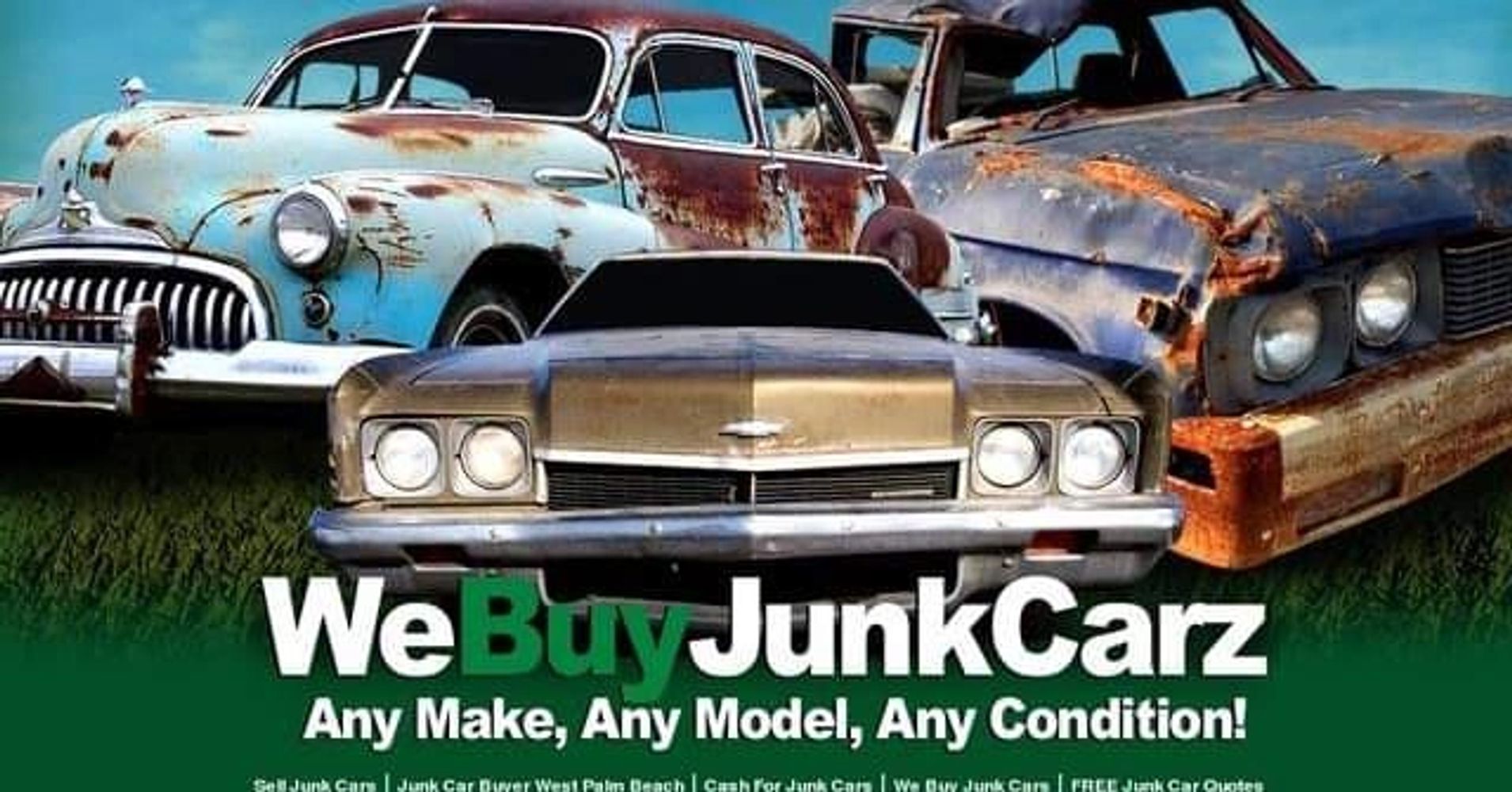
A junk car is usually a vehicle with little market value or major problems. It may still have useful parts, or it may be suitable only for recycling.
Common examples include:
- A car that does not start
- A vehicle with a failed engine or transmission
- A badly damaged or flooded car
- A high-mileage car with serious rust
- A vehicle with expired registration
- A car that needs more repairs than it is worth
- A vehicle with a salvage, rebuilt, or junk title
- An abandoned or incomplete project car
The term junk car does not always mean scrap car. A non-running vehicle may still have value because of its parts, make, model, catalytic converter, battery, wheels, or resale potential. A true scrap car may have very little value beyond its metal and reusable components.
This difference matters because a company that buys used cars may accept a broken vehicle but decline one that has no clear title or is too costly to transport.
Does We Buy Any Car Buy Non-Running Cars?
It may buy non-running cars, but you should not assume that every location accepts every inoperable vehicle.
A non-running car can still be evaluated if it has:
- A valid vehicle identification number, or VIN
- Proof of ownership
- A title that meets local requirements
- Enough identifying information for an appraisal
- A legal way to transfer ownership
- A location that can arrange or permit pickup
The company may ask whether the vehicle starts, rolls, steers, or can be loaded onto a tow truck. Those details affect both the offer and the cost of moving the vehicle.
A car that does not run but has a clean title may be easier to sell than a running car with no title. A wrecked vehicle may also receive an offer if it has valuable parts. However, a car with severe flood damage, missing components, or a complicated ownership history may be rejected.

Does We Buy Any Car Buy Cars With Salvage or Junk Titles?
Possibly, but title status is one of the main factors that can limit a sale. Rules for salvage, rebuilt, and junk titles vary by state, and companies may have their own acceptance rules.
Here is the basic difference:
| Title type | What it usually means | Effect on a sale |
|---|---|---|
| Clean title | The vehicle has not been branded as a major loss | Usually the simplest title to transfer |
| Salvage title | An insurer or state marked the vehicle as a major loss | May reduce value and require extra review |
| Rebuilt title | A previously salvaged vehicle was repaired and inspected | May be sellable, but rules vary |
| Junk title | The vehicle is generally limited to parts or scrap | May be difficult or impossible to register |
| No title | Ownership is not fully documented | Often the biggest obstacle |
Do not sign over a vehicle without confirming that your state allows the transfer. Some states require a title. Others may allow alternate documents for older vehicles, but the rules depend on the vehicle’s age and the type of sale.
If the title is lost, contact your state’s motor vehicle agency before arranging a sale. The company may be able to explain what documents it needs, but it cannot override state law.
What Documents Do You Need to Sell a Junk Car?
You will usually need proof that you own the vehicle. The exact list depends on the state and the company’s local process.
Prepare these items before requesting an offer:
- The vehicle title, if your state requires one.
- A government-issued photo ID.
- The VIN, which is often found on the dashboard or driver-side door frame.
- Lien release paperwork, if a lender is listed on the title.
- Registration or other ownership records, if requested.
- Keys, if you have them.
- Permission from all owners, when more than one person is named on the title.
- Estate or power-of-attorney documents, when the owner cannot complete the sale.
A registration card is not always proof of ownership. A bill of sale may also be insufficient when state law requires a title.
If a lender still holds a lien, you may need to pay the loan or obtain written permission before selling the car. Do not assume that an unpaid loan disappears because the vehicle is old or does not run.

How to Find Out if We Buy Any Car Will Take Your Junk Car
The fastest method is to request an appraisal and give accurate information about the vehicle. A quote based on incomplete details may change after an inspection.
Follow these steps:
1. Gather the vehicle details
Write down:
- Year, make, and model
- VIN
- Mileage, if known
- Title type
- Location
- Current condition
- Known mechanical problems
- Accident or flood history
- Whether the vehicle starts and moves
- Missing parts, keys, or documents
2. Describe the condition honestly
Say if the car is:
- Running
- Not running
- Wrecked
- Flood-damaged
- Fire-damaged
- Missing an engine or transmission
- Missing a catalytic converter
- Stored in a garage, driveway, or restricted area
Photos can help show damage and missing parts. Clear information can reduce surprises during the final inspection.
3. Check the local U.S. branch or service area
Availability may differ by location. Use the official We Buy Any Car U.S. website to check whether the company operates near you and whether it handles pickup in your area.
Do not rely only on the brand name. Ask the representative:
- Do you accept non-running cars?
- Do you accept salvage or junk titles?
- Is towing included?
- Is there a pickup fee?
- What documents are required?
- Can you buy a car with a lien?
- What happens if the vehicle condition differs from the description?
4. Compare the offer with other options
A We Buy Any Car offer is not automatically the highest or lowest possible price. Compare it with:
- A local junk car buyer
- A licensed salvage yard
- A private sale for parts
- A repair-and-sell option
- A trade-in offer
- A charitable vehicle donation, if eligible
The best option depends on your goal. A quick sale may be worth more than a higher offer that requires repairs, advertising, storage, and several weeks of waiting.
5. Confirm the final paperwork before handing over the vehicle
Read the purchase documents. Confirm the buyer’s legal name, sale price, vehicle description, and responsibility for pickup.
Remove your personal items, toll tags, license plates when required, and paperwork containing private information. Ask for a copy of the signed sale documents.

How Much Is a Junk Car Worth?
There is no single junk car price. The value depends on the vehicle and the local market.
Important factors include:
- Vehicle make, model, and year
- Current demand for the vehicle
- Condition of the engine and transmission
- Reusable parts
- Catalytic converter and other valuable components
- Weight and scrap metal prices
- Title status
- Location and towing distance
- Whether the car is complete
- Local demand for used vehicles
A complete, newer vehicle with a clean title may be worth much more than an older shell with missing parts. A non-running car can still have meaningful value if its major components are intact.
A simple value comparison
Consider this hypothetical example:
| Option | Possible benefit | Possible cost or drawback |
|---|---|---|
| Sell to a vehicle buyer | Fast process and less work | Offer may be below private-party value |
| Sell to a salvage yard | May suit a heavily damaged car | Offer depends on parts and scrap demand |
| Sell privately | Could produce a higher price | Requires ads, calls, paperwork, and buyer risk |
| Repair first | May raise the sale price | Repairs can exceed the added value |
| Donate | May help remove the vehicle | Tax treatment depends on eligibility and records |
This is not a price estimate. It shows why the highest advertised number is not always the best net result. Subtract towing, repairs, storage, title fees, and time before comparing offers.
Is Selling a Junk Car to We Buy Any Car Better Than a Junkyard?
It depends on the vehicle’s condition and your priority. A vehicle buyer may be more convenient when the car still has resale value. A junkyard or salvage buyer may be more suitable when the car is severely damaged or valuable mainly for parts.
| Your situation | Option worth checking first |
|---|---|
| The car runs and has a clean title | Used-car buyer or private sale |
| The car does not run but is complete | Vehicle buyer and junk car buyer |
| The car has major collision damage | Salvage buyer or vehicle buyer |
| The car has a junk title | Licensed salvage or recycling facility |
| You need pickup quickly | Buyer that clearly offers towing |
| The car has no title | State-approved replacement-title process first |
| The repair bill is high but the car is newer | Compare repair value with several sale offers |
Ask whether towing is included in the offer. A “free pickup” claim may have limits based on distance, access, or vehicle condition. Also confirm whether the buyer is licensed where required.
What Problems Can Stop the Sale?
Several issues can delay or prevent a junk car sale.
No proof of ownership
A company may refuse the transaction if you cannot show that you own the vehicle. This protects both parties and helps prevent the sale of stolen vehicles.
An active lien
The lender may still have legal rights to the vehicle. Contact the lender and obtain a lien release before trying to transfer ownership.
A title signed incorrectly
Do not cross out, erase, or guess on a title. Mistakes can make the document invalid. If you make an error, contact your state motor vehicle agency for instructions.
The vehicle is not accessible
A tow truck may not be able to reach a car behind a locked gate, in a narrow garage, on soft ground, or in a parking structure with height limits. Explain the location before scheduling pickup.
Missing or altered VIN
A missing, damaged, or altered VIN is a serious issue. Do not attempt to replace or modify it. Contact the state motor vehicle agency or law enforcement for proper guidance.
The vehicle contains hazardous materials
Fuel, leaking fluids, damaged batteries, airbags, and flood contamination can create safety risks. Tell the buyer about known hazards and avoid entering a severely damaged vehicle.
The seller is not the owner
If you are selling for someone else, you may need written authorization, a power of attorney, or estate documents. The required paperwork varies by state.
How to Sell a Junk Car Safely in the United States
Use these safety steps before accepting an offer:
- Verify the buyer’s business name and contact details.
- Check whether the buyer is licensed or registered where required.
- Ask for the offer and towing terms in writing.
- Do not pay a buyer to take the car unless the fee is clearly explained.
- Do not hand over the title before the payment and paperwork are ready.
- Never sign a blank title.
- Remove license plates when your state requires it.
- File a notice of sale or release of liability if your state provides one.
- Cancel insurance only after the sale and transfer are complete.
- Keep copies of the title, bill of sale, receipt, and pickup record.
- Report the sale to your state motor vehicle agency when required.
Be careful with buyers who demand unusual payment methods, refuse to provide paperwork, or pressure you to sign documents without reading them. A legitimate sale should leave you with a clear record of what happened.
What Should You Do After the Car Is Sold?
After pickup, complete the state-required steps. These may include reporting the sale, returning plates, canceling registration, or filing a release of liability.
Keep the following records:
- Signed bill of sale
- Purchase agreement
- Receipt for payment
- Buyer’s business information
- Towing or pickup confirmation
- Photos of the vehicle at the time of sale
- Copies of title-transfer paperwork
Contact your insurer after the sale. Ask when coverage ends and whether you need to cancel registration first. Requirements differ across the United States, so use your state motor vehicle agency as the final authority.
If you donated the vehicle instead of selling it, keep the donation receipt and review current IRS rules before claiming any tax deduction. A tax benefit is not automatic, and the documentation depends on the donation and its value.
Frequently Asked Questions
Does We Buy Any Car buy cars that do not run?
It may, depending on the location, title, vehicle condition, and pickup requirements. Tell the company that the car is inoperable before accepting an offer. Ask whether towing is included and whether the car must be accessible to a standard tow truck.
Does We Buy Any Car buy cars without a title?
A missing title can prevent the sale, especially when state law requires one. Contact your state motor vehicle agency to learn whether you can request a replacement title or use another approved ownership document.
Can I sell a junk car that still has a loan?
Usually, the lien must be paid or formally released before ownership can transfer. Contact the lender for the payoff amount and lien-release process.
Will We Buy Any Car pick up a junk car?
Pickup may be available in some service areas, but coverage and fees can vary. Confirm the pickup terms, vehicle access requirements, and whether the offer changes because of towing distance.
Should I repair my junk car before selling it?
Usually, get offers before making major repairs. If a repair costs $3,000 but increases the car’s sale value by only $1,500, the repair may reduce your final return. Compare the expected added value with the full repair cost.
What if the company rejects my junk car?
Ask why it was rejected. Then compare a licensed junk car buyer, salvage yard, recycler, private parts sale, or donation. If the problem is the title, solve the ownership issue before contacting more buyers.
Bottom Line
We Buy Any Car may buy some junk cars in the U.S., including certain non-running or damaged vehicles, but each car must meet the company’s local acceptance and title requirements. The safest approach is to provide accurate details, confirm the title rules, ask about towing, and compare the final offer with a licensed salvage yard and other local buyers.
Before pickup, verify the payment, sign the correct documents, protect your personal information, and report the sale to your state when required.