

Most babies should spend no more than about two hours at a time in a car seat, with frequent breaks.
Knowing how long can a baby be in a car seat helps you plan safer trips and spot signs of discomfort early. Infant car seats protect babies during travel, but they are not designed for long sleep or routine sitting outside the car. In this guide, you’ll learn the safest time limits, how often to stop, what to do on road trips, and when to seek medical advice.
How Long Can a Baby Be in a Car Seat?
For most babies, aim to limit one car-seat session to about two hours. Stop sooner if your baby slumps, has trouble breathing, feels hot, or needs a feed or diaper change.
The two-hour advice is a practical safety limit, not a magic number. Some babies may need a break after 30 to 60 minutes, especially newborns, premature babies, or babies with low muscle tone.
A car seat supports a baby at an angle. That angle is safe when the seat is installed correctly and used for travel. It can become risky when a baby stays in the seat for too long, especially while asleep or when the baby’s head falls forward.
Keep these points in mind:
• Use the car seat only for travel unless a health professional gives different advice.
• Take your baby out during regular stops.
• Never leave your baby alone in a parked car, even for a short time.
• Move your baby to a firm, flat sleep surface after arriving.
• Check the seat manual for limits on weight, height, position, and use.

Why Time in a Car Seat Matters
A baby’s neck and trunk muscles are still developing. Young babies may not have enough strength to lift their head if it drops forward.
This chin-to-chest position can narrow the airway. It may also make it harder for a baby to breathe well. The risk may be higher in premature babies and very young infants.
Long periods in a car seat can also cause:
• Poor head and neck positioning
• Heat buildup
• Pressure on the back of the head
• Fussiness and feeding problems
• Less freedom to move and stretch
• Reduced sleep safety after the trip ends
A car seat is like a protective travel shell. It is not a crib, bouncer, or replacement for a flat sleep space. Even if your baby looks peaceful, check the position often.

What Is the Two-Hour Car Seat Rule?
The two-hour car seat rule means you should avoid keeping a baby in a car seat for more than about two hours at one time. Many child-safety and health experts recommend stopping at least every two hours during long drives.
This advice applies to routine travel, such as:
• Road trips
• Airport transfers
• Long rides to visit family
• Taxi or rideshare trips
• Travel to medical appointments
The rule does not mean that a baby will be harmed at exactly two hours and one minute. It means that two hours is a useful upper limit for planning breaks. Stop earlier if your baby is small, unwell, sleepy, or poorly positioned.
During each break, remove your baby from the seat. Hold your baby, feed them, change the diaper, and let them move on a safe, flat surface when possible.

How Long Can a Newborn Be in a Car Seat?
Newborns need extra care because they have limited head and neck control. For a healthy newborn, keep car-seat trips as short as practical and plan frequent stops.
Some families choose breaks every 30 to 60 minutes during the first weeks. This may not be required for every baby, but it can make it easier to check breathing, temperature, and head position.
Ask your pediatrician for a travel plan if your baby:
• Was born prematurely
• Has breathing problems
• Has low muscle tone
• Has heart or lung disease
• Has poor weight gain
• Spent time in a neonatal intensive care unit
• Needs oxygen or other medical equipment
Some hospitals perform a car-seat test before discharge for babies born early or with certain medical concerns. This test checks whether the baby can sit safely in the seat while breathing and maintaining a stable heart rate.

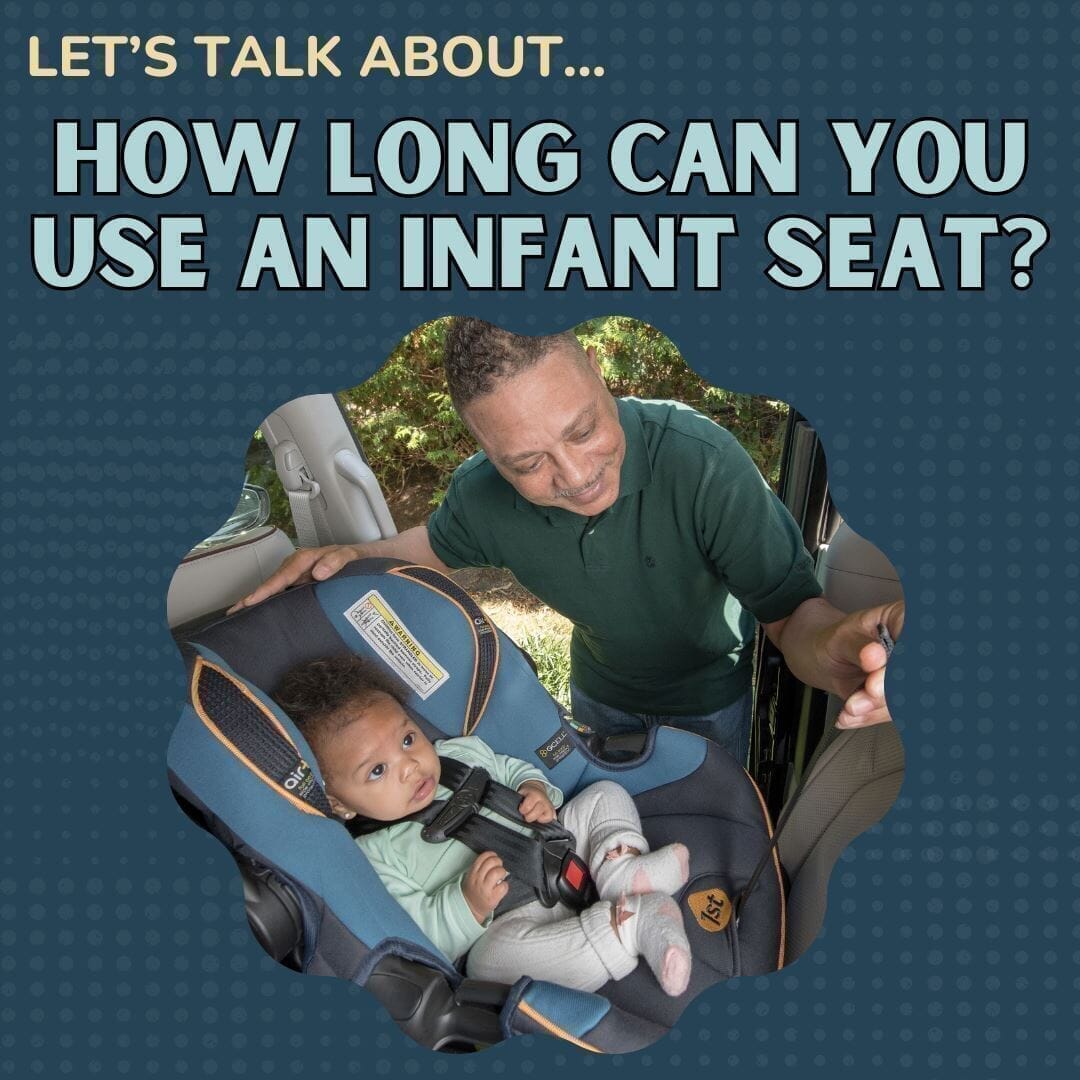
How Long Can a Baby Sleep in a Car Seat?
A baby may fall asleep in a car seat during a drive. That is common and usually not a reason to panic when the seat is correctly installed and the baby is properly buckled.
However, a car seat is not a safe routine sleep space outside the vehicle. Once you arrive, move your baby to a firm, flat crib, bassinet, or portable play yard approved for sleep.
Follow these steps:
Park in a safe place.
Unbuckle the baby.
Lift the baby out of the seat.
Place the baby on their back on a firm, flat surface.
Keep pillows, blankets, toys, and positioners out of the sleep area.
Do not leave a sleeping baby in the car seat while you bring groceries inside, take a shower, or finish a coffee. Do not place the car seat on a couch, bed, counter, or table. The seat can tip, and the baby’s position may change.
How Often Should You Stop on a Long Car Trip?
Plan a break at least every two hours, but use your baby’s needs as the real guide. A newborn may need to stop more often for feeding, burping, or a diaper change.
Before leaving, map out safe stopping points. Look for rest areas, family-friendly restaurants, or relatives’ homes where you can take the baby out of the seat.
A simple travel plan may look like this:
• Feed and change the baby before leaving.
• Check the harness and head position.
• Drive for 45 to 90 minutes.
• Stop and remove the baby from the seat.
• Feed, change, and comfort the baby.
• Let the baby stretch on a safe flat surface.
• Repeat the check before starting again.
Avoid rushing because you want to reach your destination. A short break may add time, but it gives you a chance to reset the baby’s position and check for overheating.

Signs Your Baby Needs a Break
Do not wait for the two-hour mark if your baby seems uncomfortable or unsafe. Stop as soon as it is safe to do so.
Watch for:
• The chin dropping toward the chest
• The head leaning far to one side
• Slower or noisy breathing
• Pale, blue, gray, or unusually red skin
• Heavy sweating or hot skin
• Persistent crying
• Weakness or unusual sleepiness
• Vomiting or choking
• A twisted harness or slumped body
If your baby has trouble breathing, looks blue or gray, becomes limp, or does not respond normally, call emergency services. Remove the baby from the seat only when it is safe, and follow emergency instructions.
How to Position a Baby Safely in a Car Seat
Correct position matters as much as travel time. A baby can be in a car seat for a short trip and still face danger if the seat is loose or the body is slumped.
Use these safety checks:
• Keep the seat rear-facing for as long as the seat allows.
• Install the seat according to the vehicle and seat manuals.
• Place the harness straps at or just below the baby’s shoulders for a rear-facing seat.
• Keep the chest clip at armpit level.
• Make the harness snug, with no slack at the shoulders.
• Keep the baby’s head centered and the chin off the chest.
• Remove bulky coats before buckling.
• Use only inserts and accessories approved by the car-seat maker.
• Do not add head supports, padding, toys, or strap covers unless approved.
A certified child passenger safety technician can check the installation. Many communities offer free or low-cost car-seat checks through hospitals, fire departments, police departments, or local safety programs.

What to Do When Your Baby Falls Asleep
You do not need to wake your baby during every short drive. The key is to monitor the position and move the baby after you arrive.
When the car is moving:
• Keep the baby buckled at all times.
• Check the mirror at stops, not while driving.
• Make sure the head is not falling forward.
• Keep the car at a comfortable temperature.
• Never loosen the harness to make the baby more comfortable.
After parking:
• Take the baby out of the seat.
• Place the baby in a safe sleep space if they remain asleep.
• Avoid letting the baby continue sleeping in the seat indoors.
This can feel inconvenient, especially after a difficult nap. Still, moving the baby to a flat sleep surface is safer than allowing a long nap in the car seat.
Is It Safe to Use a Car Seat Outside the Car?
A car seat is safe when used in the vehicle as directed. It is not a general-purpose seat for extended periods at home, in a restaurant, or while shopping.
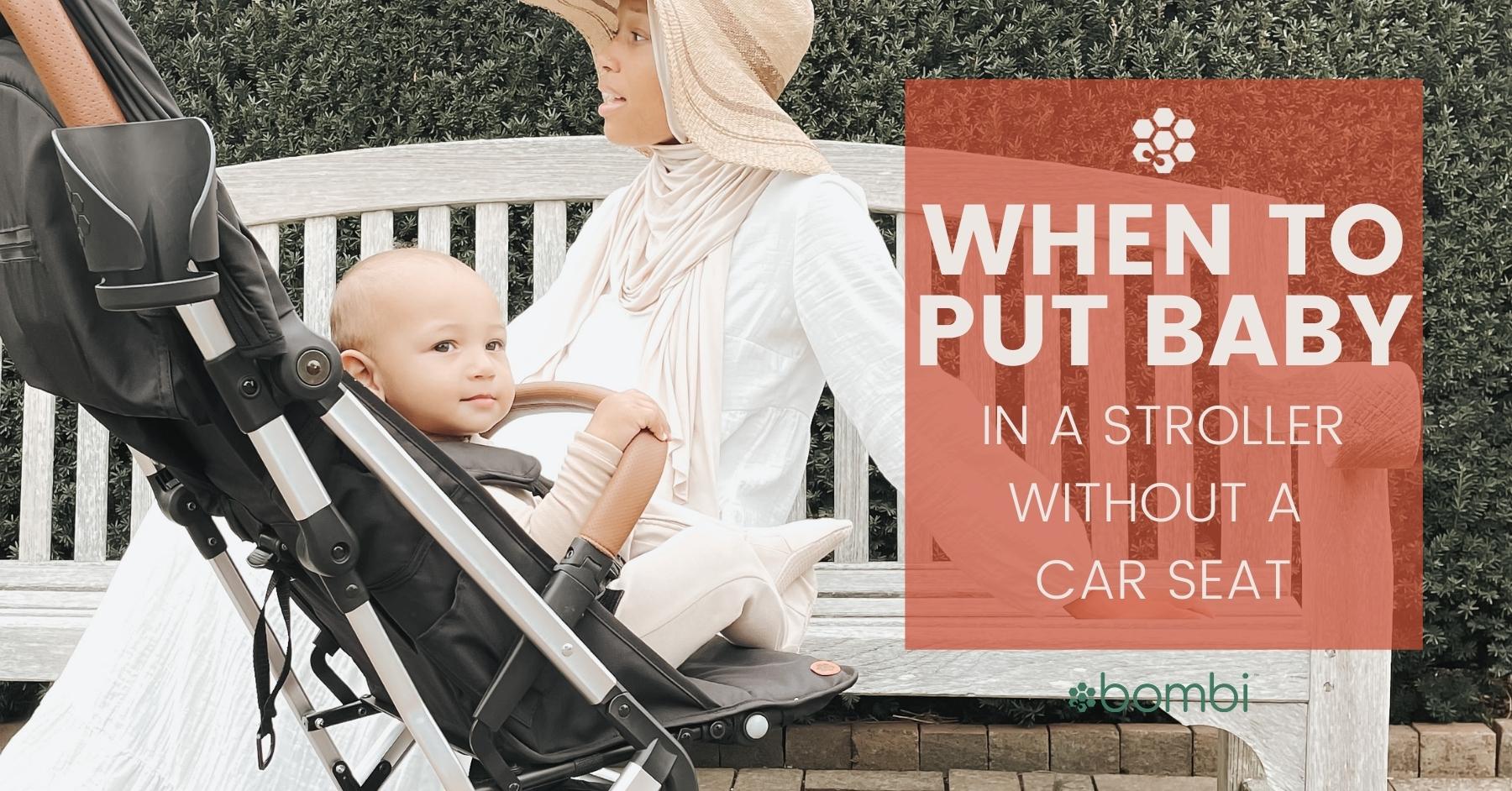
Some infant seats attach to strollers. This can be useful for short transfers, but it does not turn the car seat into a safe sleep space. Keep the time brief and move your baby to a flat sleep surface when possible.
Never place an infant car seat:
• On a bed or sofa
• On a kitchen counter
• On a shopping cart
• On a table
• On a chair
• On top of another seat
Falls and airway problems can happen quickly. If you need to carry your baby indoors, a bassinet-style stroller or baby carrier may be better, as long as it is used according to its instructions.
Tips for Safer Road Trips With a Baby
Long trips take more planning with an infant. Build breaks into the route instead of hoping your baby will sleep the whole way.
Try these practical tips:
Travel when your baby is fed and rested.
Pack extra diapers, clothes, burp cloths, and feeding supplies.
Keep a thermometer and basic baby-care items nearby.
Use a back-seat mirror only if it does not distract the driver.
Have another adult sit in the back when possible.
Schedule stops before your baby becomes very upset.
Avoid driving when you are exhausted.
Do not feed a bottle while the car is moving.
Never leave a baby alone in a vehicle.
Check the back seat before locking the car.
If you travel alone, plan more stops. You may need to pull over fully before checking or comforting your baby. Never reach into the back seat while driving.
Common Mistakes Parents Should Avoid
Many car-seat problems come from small habits rather than poor intentions. New parents are tired, busy, and often trying to keep a baby calm. A simple checklist can prevent common errors.
Avoid these mistakes:
• Letting the baby stay in the seat for an entire afternoon
• Assuming a sleeping baby should not be moved
• Using a thick winter coat under the harness
• Adding unapproved cushions or head supports
• Leaving the baby in the seat on a high surface
• Loosening the straps during a trip
• Putting the seat in the front passenger seat without following vehicle guidance
• Ignoring a recall or expired seat
• Using a seat after a serious crash
• Relying on a car-seat cover that blocks airflow
One lesson many parents learn the hard way is that convenience can hide risk. A baby may seem settled, but safe travel still requires checks, breaks, and correct use.
What Experts Say About Car-Seat Time Limits
Health and transportation experts agree on the main safety principles: use a properly installed rear-facing seat, avoid extended periods, monitor the baby’s airway, and use a firm, flat sleep surface for routine sleep.
There is no single research-backed minute limit that fits every baby. The two-hour recommendation is a cautious rule used by many child-safety professionals, while some babies need shorter trips.
Guidance may also vary by country and by the baby’s health. Your pediatrician’s advice should take priority, especially if your baby was premature or has a medical condition.
For accurate guidance, check:
• Your car-seat manual
• Your vehicle owner’s manual
• Your pediatrician
• A certified child passenger safety technician
• Current national child passenger safety guidance
Information online can become outdated. Check the publication date and avoid advice that promises one exact limit for every baby.
Frequently Asked Questions About How Long Can a Baby Be in a Car Seat
Can a baby be in a car seat for three hours?
It is best not to keep a baby in a car seat for three hours without a break. Stop at least every two hours, and sooner if your baby is newborn, premature, uncomfortable, or poorly positioned.
Can a baby sleep in a car seat during a road trip?
A baby may sleep in a correctly installed car seat while the vehicle is moving. After you arrive, move the baby to a firm, flat sleep surface rather than letting the baby continue sleeping in the seat.
How long can a newborn be in a car seat?
Keep newborn trips as short as practical and plan frequent checks and breaks. Ask your pediatrician for specific advice if your newborn was premature or has breathing, heart, muscle, or growth concerns.
Is the two-hour car seat rule based on law?
In most places, the two-hour limit is safety guidance, not a universal legal rule. Laws usually focus on using an approved child restraint, while health and safety experts advise regular breaks.
Can I carry my baby indoors in the infant car seat?
Short transfers may be practical, but an infant car seat should not be used as a routine seat or sleep space indoors. Move your baby to a safe, flat surface as soon as you can.
What should I do if my baby slumps in the car seat?
Pull over when it is safe, then check the harness, recline angle, and head position. If breathing looks difficult or your baby appears blue, gray, limp, or unresponsive, call emergency services.
Conclusion
Most babies should spend no more than about two hours in a car seat at one time, and many newborns need shorter trips. Take regular breaks, keep your baby rear-facing and properly buckled, watch the head and chin position, and move your baby to a firm, flat sleep surface after travel.
Safe car-seat use is not about perfection. It is about making careful choices again and again. Check your seat manual, plan stops, and arrange a professional installation check if you are unsure. Share this guide with another parent or explore trusted child passenger safety resources before your next trip.