
In the United States, tire shops often pay about 50% to 80% of the tire’s advertised retail price when they buy new tires through a distributor or manufacturer program. A shop may pay less for common, high-volume tires and more for rare sizes, premium brands, specialty tires, or low-volume orders.
For example, if a tire sells to a customer for $200, the shop’s purchase cost might be roughly $120 to $160 before taxes, shipping, rebates, labor, and other fees. This is a general estimate, not a fixed industry rate. Tire prices change by brand, size, supply, location, and purchase volume.
Most tire shops do not buy tires at one universal “wholesale price.” Their cost may include:
- The tire distributor’s price
- Freight or delivery charges
- Manufacturer rebates
- Volume discounts
- Account fees
- Seasonal price changes
- Special-order costs
- Credit card and inventory costs
The key point is simple: a shop’s tire cost is usually lower than the customer’s tire price, but the difference is not pure profit.

What “pay” means in the tire business
A tire shop may pay several different prices for the same tire. The most useful distinction is between the acquisition cost and the customer’s installed price.
Wholesale or dealer cost
This is the amount a shop pays a distributor, wholesaler, or tire manufacturer. The price may be based on the shop’s account, order size, brand agreement, and delivery terms.
A small independent shop may buy from a regional distributor. A large chain may purchase through a national contract. A dealer that buys many tires each month can often negotiate better terms than a small shop with limited storage.
Retail tire price
This is the price charged for the tire itself. It may appear on a quote as the “tire price” or “unit price.”
The retail tire price may include some markup to cover:
- Rent
- Payroll
- Inventory
- Warranty handling
- Returns
- Damaged tires
- Equipment
- Insurance
- Credit card fees
- Business taxes
- Unsold inventory
Installed price
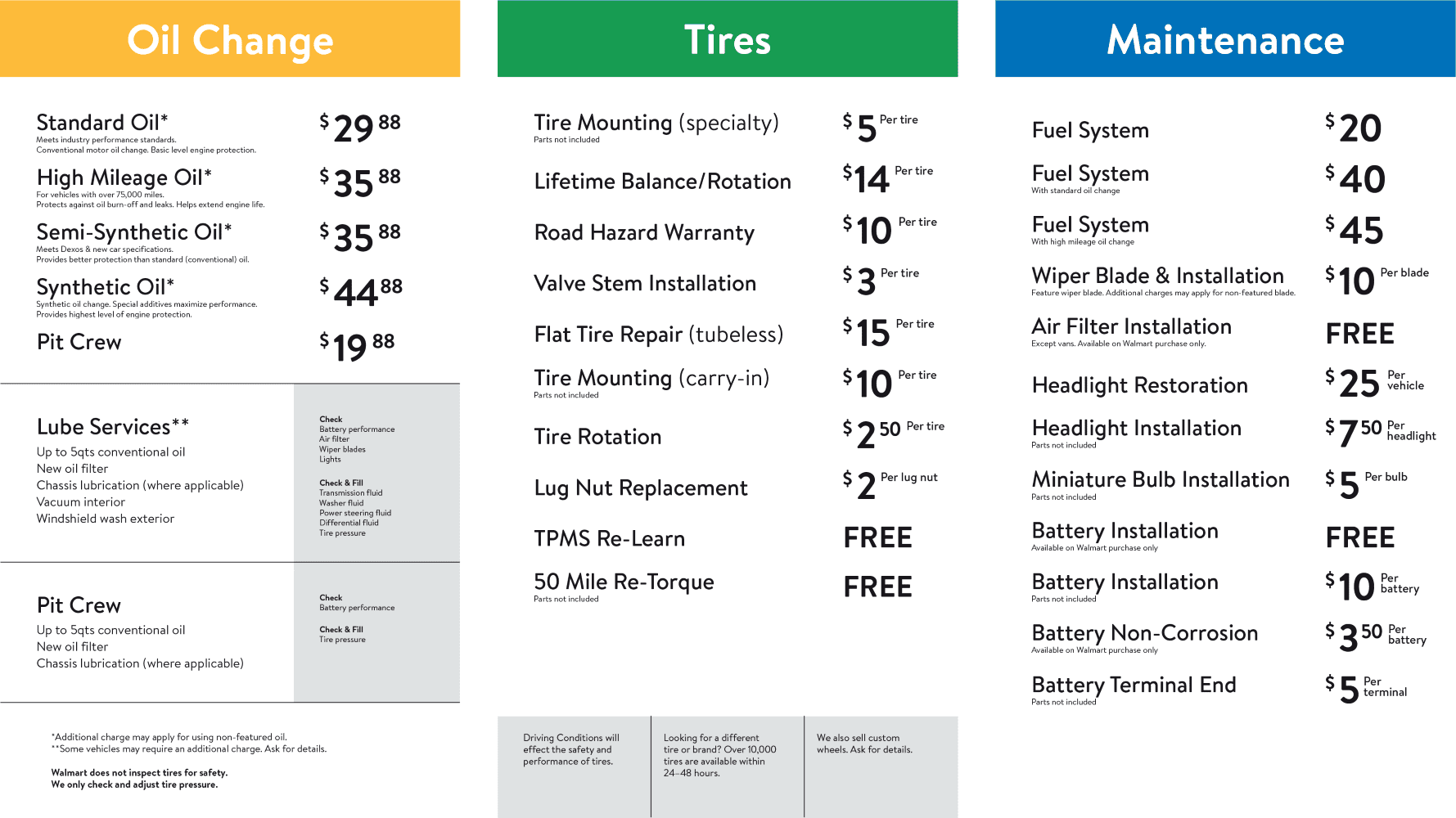
The installed price includes more than the rubber tire. It may include:
- Mounting
- Computer balancing
- New valve stems
- Tire pressure monitoring system service
- Tire disposal
- Shop supplies
- Sales tax
- Road hazard coverage
A shop may make only a modest margin on the tire but earn additional revenue from installation and related services.

Typical tire shop costs by tire type
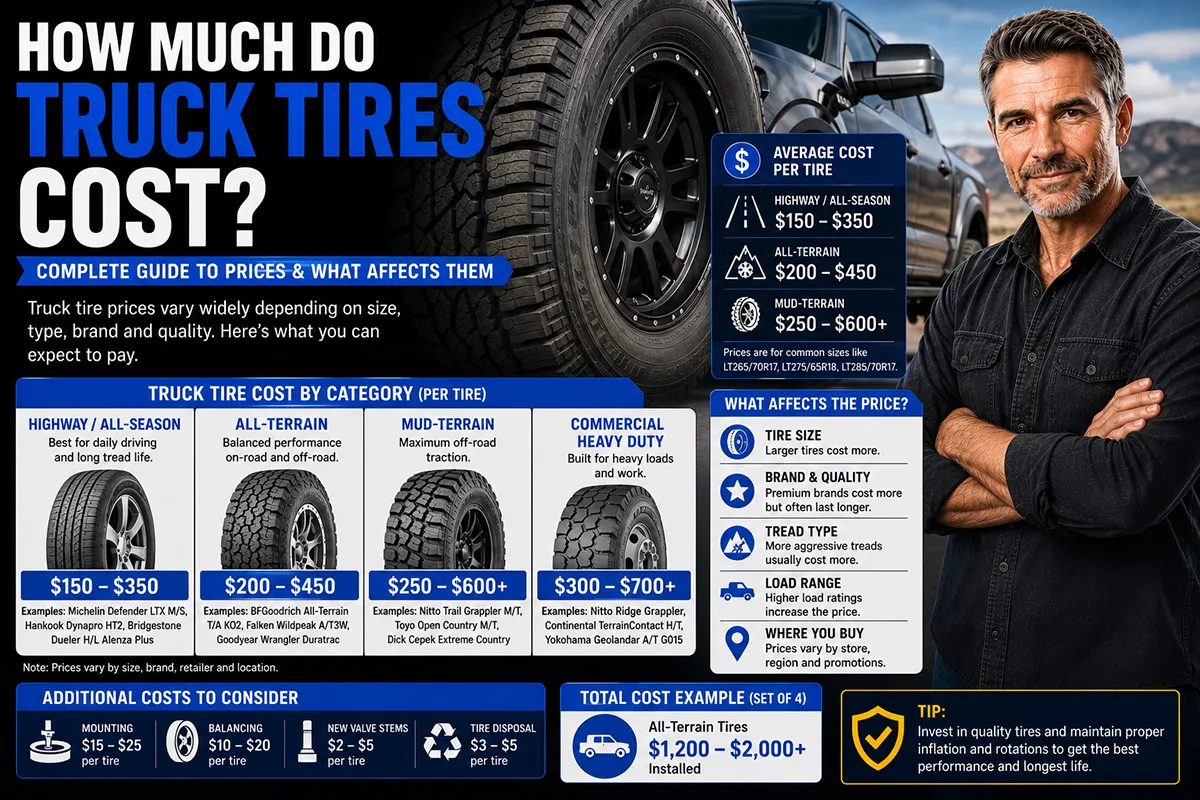
The table below gives broad planning ranges for the shop’s purchase cost. These are illustrative estimates, not a current wholesale price list.
| Customer retail price per tire | Possible shop purchase cost | Common tire category |
|---|---|---|
| $60–$100 | About $35–$80 | Small economy or basic passenger tire |
| $100–$180 | About $65–$145 | Common all-season tire |
| $180–$300 | About $120–$240 | Mid-range or premium passenger tire |
| $250–$500 or more | About $175–$425 or more | Large truck, SUV, performance, or specialty tire |
These ranges overlap because tire prices vary widely. A $150 tire may be cheap in one size and expensive in another. A 15-inch tire for a common sedan may cost far less than a 22-inch tire for a luxury SUV, even if both carry the same brand name.
The shop’s true cost may also fall outside these ranges. A closeout tire can cost much less than normal wholesale. A tire in short supply can cost much more.
A simple example
Suppose a shop buys four tires at $125 each:
- Tire cost: 4 × $125 = $500
- Delivery and account charges: $20
- Total tire acquisition cost: $520
The shop sells the four tires for $165 each:
- Tire sales: 4 × $165 = $660
- Difference before operating costs: $140
That $140 is not the shop’s final profit. The business still must pay for wages, rent, utilities, equipment, insurance, taxes, warranty work, and payment processing.
How much profit do tire shops make on tires?
A tire shop’s gross margin on the tire itself may often fall around 15% to 35%, although the actual figure can be lower or higher.
Gross margin is not the same as net profit.
If a shop buys a tire for $120 and sells it for $160:
- Gross dollar margin: $40
- Gross margin as a share of the selling price: 25%
- Markup on cost: 33.3%
Those are two different calculations.
Gross margin formula
Gross margin = (Selling price − Cost) ÷ Selling price
Using the example:
($160 − $120) ÷ $160 = 25%
Markup formula
Markup = (Selling price − Cost) ÷ Cost
Using the same figures:
($160 − $120) ÷ $120 = 33.3%
Many pricing errors come from treating margin and markup as the same thing.
A tire shop may also receive a rebate after reaching a monthly or seasonal purchase target. For example, a distributor may credit the shop for meeting a volume goal. That can lower the shop’s effective cost, but the amount and terms depend on the supplier agreement.

Why tire shops pay different prices
Several factors control how much a tire shop pays for inventory.
Brand and product tier
Premium brands usually cost more than value brands. However, brand alone does not determine the shop’s margin. A distributor may offer a stronger discount on one brand because it has excess inventory or wants to increase sales.
Common product tiers include:
- Economy
- Mid-range
- Premium
- Performance
- Off-road
- Commercial
- Run-flat
- Specialty and trailer tires
Tire size and fitment
Large wheels, wide tires, low-profile tires, and unusual fitments often cost more. A shop may also charge more for tires that require special equipment or extra care during mounting.
A rare size can have a higher cost because distributors stock fewer units. A common size may be cheaper because it moves quickly and is available from several suppliers.
Purchase volume
Large shops and national chains can often negotiate lower prices because they buy more tires. They may also receive:
- Tiered discounts
- Freight allowances
- Early-payment discounts
- Seasonal promotions
- Marketing support
- Warranty incentives
A small shop may not receive the same price, even when buying the same tire.
Location and delivery
The listed tire price is not always the delivered cost. Freight can matter when a tire comes from a distant warehouse or requires special delivery.
A shop in a rural area may pay more to bring in a tire. A shop near a major distribution center may receive faster delivery and lower transport costs.
Supply and demand
Tire prices can rise when a size is hard to find. Prices may also change during:
- Winter tire demand
- Hurricane or storm seasons
- New vehicle launches
- Import delays
- Factory shutdowns
- Tariff changes
- Shipping disruptions
A shop that bought inventory earlier may have a lower cost than a shop ordering the same tire today.
Do tire shops pay less for tires bought in bulk?
Usually, yes. Bulk buying can reduce the unit cost, but it does not always create a better deal for the shop.
A shop must balance the discount against the risk of holding inventory. Tires age in storage, take up space, and may become harder to sell when vehicle trends change.
For example, a shop might receive a lower price by ordering 100 tires instead of 10. That discount may be useful if the tires are common sizes. It may be risky if the shop cannot sell them before newer models arrive or customer demand shifts.
Large chains may also use centralized warehouses. An individual store may not own all the inventory it sells. The parent company may buy the tires in bulk, then send them to stores as needed.
Why common tires may have small margins
A popular tire size is easy for customers to compare online. Shops may keep the tire price competitive and earn more from:
- Installation
- Alignment
- Repairs
- Rotation plans
- Road hazard plans
- Brake work
- Suspension work
This is why the tire price alone does not show how a shop earns money.

How to estimate what a local tire shop paid
You usually cannot know the exact wholesale cost without seeing the shop’s invoice or distributor account. You can, however, make a reasonable estimate.
Step 1: Find the exact tire
Record:
- Brand
- Model
- Tire size
- Load rating
- Speed rating
- Original equipment marking
- Run-flat status
A tire with the same brand and model can have different prices in different sizes.
Step 2: Compare several retail prices
Check the tire’s price at multiple U.S. retailers. Compare the tire-only price, not the installed total.
Look for:
- Shipping
- Sales tax
- Installation
- Disposal fees
- Rebates
- Road hazard coverage
Step 3: Estimate the purchase-cost range
For a common tire, start with a broad estimate of 60% to 80% of the advertised tire price. Use a wider range when the tire is rare, highly discounted, or specialty equipment.
For a $180 tire:
$180 × 0.60 = $108
$180 × 0.80 = $144
A rough estimated shop cost would be $108 to $144 before other expenses.
Step 4: Account for rebates and freight
A manufacturer rebate may reduce the effective cost. Freight may increase it. The shop may also have a special contract that makes its real price different from public estimates.
Step 5: Separate tire margin from service income
Compare the tire price and the installed price. A quote that seems high may include balancing, valve stems, disposal, taxes, and warranty coverage.
Ask for an itemized estimate before judging the tire markup.

Do tire shops buy used tires from customers?
Most tire shops do not pay customers cash for ordinary used tires. In many cases, the shop charges a disposal fee when it removes an old tire.
Some shops may buy or accept used tires if they meet strict conditions, such as:
- Adequate tread depth
- No sidewall damage
- No plugs in unsafe locations
- No bulges or exposed cords
- Acceptable age
- Even wear
- A size the shop can resell
Even then, the offer may be small. The shop must inspect, store, warranty, and resell the tire. Many businesses avoid used-tire purchases because the safety and liability risks can outweigh the potential revenue.
A tire with visible damage, severe wear, dry rot, or an unknown repair history should not be resold. Tire safety depends on more than tread depth.

How to tell whether a tire quote is fair
A fair quote is not always the one with the lowest tire price. Compare the full service package.
Ask the shop to show:
- The exact tire brand and model
- Tire size and load rating
- Tire price per unit
- Mounting and balancing fees
- Valve stem or TPMS charges
- Disposal fees
- Sales tax
- Road hazard coverage
- Warranty terms
- The final out-the-door total
Check that the quote is for the same tire. Comparing a premium tire with an economy tire will not give a useful result.
Also ask whether the tire is:
- New
- Closeout stock
- Previously mounted
- A takeoff
- A customer return
- Older inventory
The DOT tire identification number can help identify when a tire was made. Tire age matters because rubber changes over time, even when the tire has not been driven.
If the shop cannot explain the tire model, date code, fees, or warranty, get another quote.

Common mistakes when estimating tire shop costs
Mistaking markup for profit
A shop that marks up a tire by 25% still has many costs to pay. The markup is not the owner’s take-home income.
Comparing installed and tire-only prices
A $150 tire-only price may look cheaper than a $180 installed price until you add mounting, balancing, disposal, and tax.
Assuming every shop gets the same wholesale price
A national chain, a high-volume dealer, and a small independent shop may have different supplier contracts.
Ignoring rebates
A rebate can lower the shop’s effective cost, but it may not appear as an instant discount on the customer’s invoice.
Focusing only on the tire
A shop may lose money on a difficult installation or earn money from an alignment. The final business result depends on the entire service visit.
Buying based only on low price
A very low quote may involve an old tire, a different load rating, limited warranty coverage, or missing installation services. Confirm the details before approving the work.

Frequently asked questions
Do tire shops get tires at half price?
Sometimes, but not as a standard rule. A closeout tire or high-volume purchase may cost close to half of a public retail price. A premium, rare, or hard-to-find tire may cost much more.
What is the average markup on tires?
There is no single national average for every shop. A rough retail markup may range from about 20% to 50% over the shop’s tire cost, but the result varies by brand, size, volume, and local competition.
Do tire shops make more money on labor or tires?
It depends on the shop. Tire sales can provide gross margin, while installation and other services add labor revenue. Many shops rely on a mix of tire sales, service work, repairs, alignments, and maintenance.
Can I buy tires at wholesale price?
Usually, consumers cannot receive the same account pricing as a tire dealer. However, online retailers, warehouse clubs, rebates, and seasonal promotions may offer prices close to wholesale for certain tires.
How much do tire shops pay for scrap tires?
Often, they do not receive money for scrap tires. They may pay a tire recycler or waste contractor to remove them. The fee varies by state, local rules, tire size, and recycling provider.
Bottom line
Most U.S. tire shops may pay roughly 50% to 80% of the tire’s retail price, with 60% to 80% being a practical estimate for many common new tires. The exact cost depends on the supplier, tire size, brand, order volume, rebates, freight, and market conditions.
If you are comparing a quote, focus on the complete installed price and confirm the exact tire model. Ask for an itemized breakdown rather than trying to guess the shop’s invoice cost. That approach gives you a clearer view of whether the total price is reasonable.