

A current NASCAR Cup Series car makes about 670 horsepower, or roughly 510 horsepower on superspeedway tracks.
The answer sounds simple, but NASCAR horsepower depends on the track, engine package, and technical rules. The modern Cup car uses a powerful naturally aspirated V8, yet its speed comes from much more than engine output alone. This guide explains how much horsepower a NASCAR car has, how teams control it, and why two races may use different power levels.
How much horsepower does a NASCAR car have?
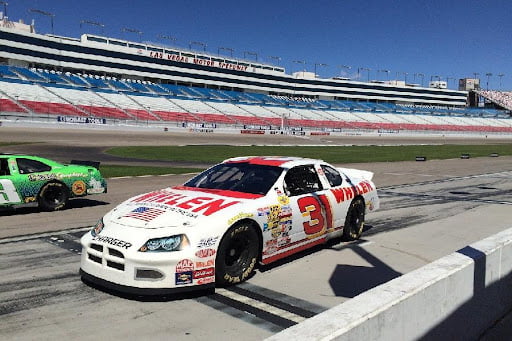
A modern NASCAR Cup Series car usually produces about 670 horsepower at most tracks. On large superspeedways such as Daytona International Speedway and Talladega Superspeedway, NASCAR uses a lower output package that produces about 510 horsepower.
So, the clearest answer to how much horsepower does a NASCAR car have is:
• Road courses and many short tracks: About 670 horsepower
• Superspeedways: About 510 horsepower
• Engine type: 5.86 liter, or 358 cubic inch, naturally aspirated V8
• Engine speed: Often close to 9,000 rpm, depending on the track and setup
These figures describe the NASCAR Cup Series, the sport’s top division. Horsepower can differ in the Xfinity Series, Craftsman Truck Series, and other NASCAR classes.
The exact number can also vary slightly. Engine builders measure power on dynos, and the result may change based on the test method, engine condition, calibration, and NASCAR’s current rules package.
Why does NASCAR use different horsepower levels?
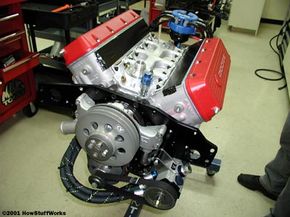
NASCAR changes horsepower to control speed and improve racing. A track’s shape, banking, length, and aerodynamic demands all affect the best engine package.
At a short track, drivers need strong acceleration out of slow corners. The 670 horsepower package helps the car launch off the turn and rewards throttle control. It also makes the rear tires easier to spin, which can create passing chances and tire wear.
At a superspeedway, the main concern is not corner exit speed. Daytona and Talladega feature long, high-banked turns where cars run close together at very high speeds. Lower engine power helps limit top speed and keeps the racing pack closer.
NASCAR also uses aerodynamic parts to manage speed. A larger spoiler creates more drag and downforce. A tapered spacer can limit the amount of air entering the engine. Together, these changes help NASCAR shape the balance between power, grip, and safety.
A useful way to think about it is this:
• Horsepower is the engine’s push
• Downforce is the force pressing the car into the track
• Drag is the air resistance slowing the car
• Grip is the tire’s ability to use engine power
That is why how much horsepower does a NASCAR car have is only one part of the performance story.
What engine is in a NASCAR Cup car?
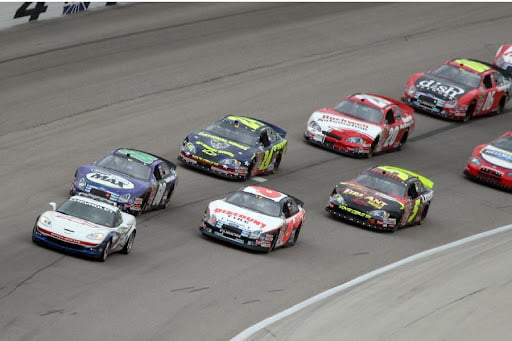
The NASCAR Cup car uses a 358 cubic inch V8 engine. That equals about 5.86 liters. It is a pushrod engine with two valves per cylinder and a traditional American stock car design.
The engine is naturally aspirated. That means it does not use a turbocharger or supercharger. Instead, it draws air into the cylinders through atmospheric pressure and engine speed.
Key features include:
• Eight cylinders arranged in a V shape
• Pushrod valve operation
• Electronic fuel injection
• A dry-sump oiling system
• High-strength racing parts
• Rear-wheel drive
• A four-speed sequential transmission in the Next Gen car
The engine design may look old compared with modern road-car engines, but it is highly developed. A Cup engine must survive long races at extreme rpm while producing steady power lap after lap.
The power delivery is also very different from a street car. A normal family sedan may make 200 to 300 horsepower and use a turbocharger for low-rpm torque. A NASCAR engine makes its power higher in the rev range. The driver must keep the engine in its useful power band to get the best acceleration.
How does a NASCAR engine make 670 horsepower?
Horsepower comes from torque and engine speed. The basic formula is:
Horsepower = Torque × RPM ÷ 5,252
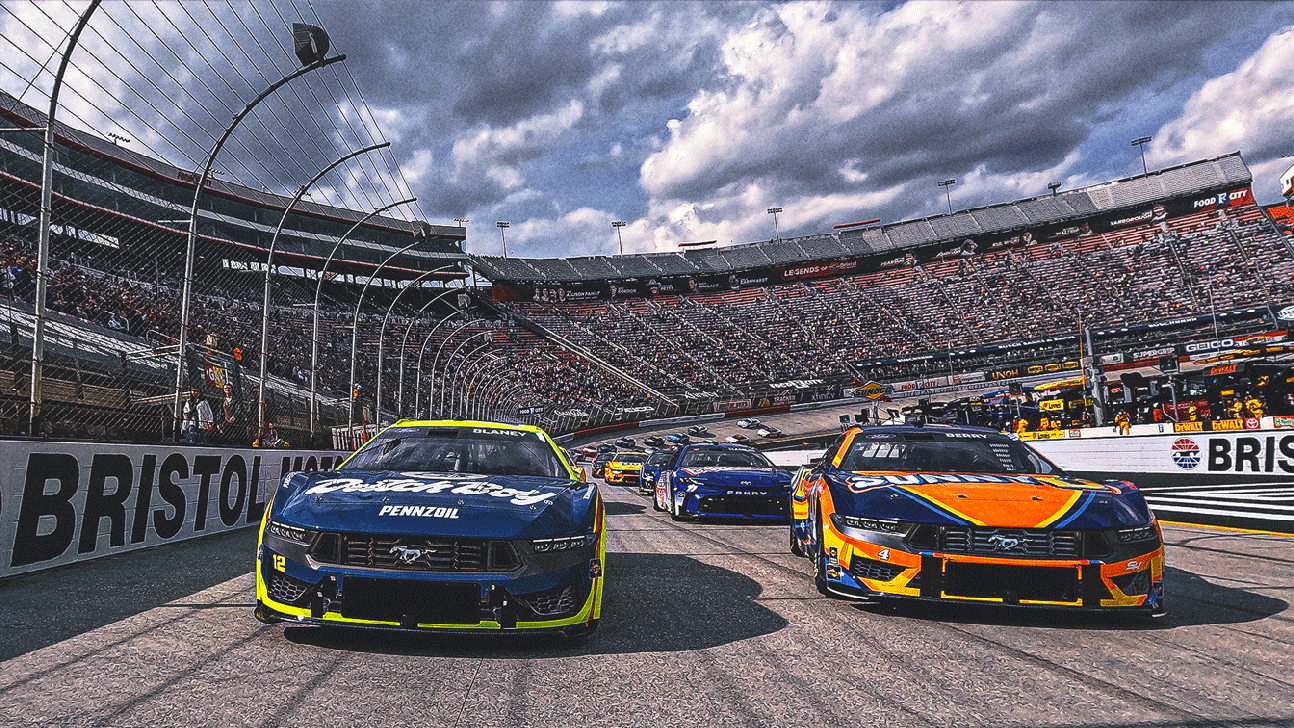
A NASCAR engine reaches its high horsepower figure through a combination of large displacement, high rpm, efficient airflow, race fuel, and careful tuning.
The engine has a large 4.185 inch bore and a 3.25 inch stroke. This design favors high engine speed and strong airflow. The cylinder heads, intake, exhaust, camshaft, and fuel system are all built for racing rather than comfort or fuel economy.
NASCAR teams also tune the engine for the track. They may adjust parts such as:
• Ignition timing
• Fuel delivery
• Camshaft behavior
• Intake and exhaust settings
• Engine braking
• Throttle response
The goal is not always the highest dyno number. A driver may prefer smoother power that is easier to control. On a slick track, too much sudden power can spin the rear tires and slow the car.
This is one of the most important lessons when studying how much horsepower does a NASCAR car have: usable horsepower matters more than peak horsepower.

How fast is a 670 horsepower NASCAR car?
A NASCAR Cup car can reach more than 190 mph at some tracks. At Daytona and Talladega, the cars can approach or exceed 200 mph in qualifying trim, depending on the rules package and conditions.
Top speed is not a direct measure of horsepower. Aerodynamics play a major role. A car with less drag may reach a higher speed than a more powerful car with a large rear spoiler.
Acceleration also depends on:
• Gear ratios
• Tire grip
• Car weight
• Track banking
• Downforce
• Air temperature
• Drafting
In traffic, drafting can reduce air resistance. The following car uses the lead car’s slipstream and may gain speed. This is why superspeedway racing can produce high speeds even when NASCAR reduces engine output to about 510 horsepower.
On a short track, the car may not reach the same top speed. However, its higher horsepower package can make acceleration from the corner far more aggressive.

How much horsepower does a NASCAR car have compared with other vehicles?
A NASCAR Cup car has far more power than most road cars, but the comparison needs context.
• Typical compact car: About 150 to 200 horsepower
• Ford Mustang GT: More than 480 horsepower in recent versions
• Chevrolet Corvette Stingray: About 490 to 495 horsepower, depending on configuration
• NASCAR Cup car: About 510 to 670 horsepower
• Formula 1 car: Commonly estimated at more than 1,000 horsepower from the hybrid power unit
A NASCAR car also weighs around 3,200 pounds before the driver and fuel, depending on the rules and race setup. Its power-to-weight ratio is strong, but not as extreme as that of some lightweight sports cars.
The NASCAR car’s advantage comes from its complete package. It has racing tires, a stiff chassis, strong brakes, specialized suspension, and bodywork designed for speed. A 670 horsepower street car with ordinary tires would not behave like a Cup car.
That comparison helps explain why horsepower numbers should not be viewed in isolation.
Does every NASCAR team have the same horsepower?
No. NASCAR teams do not all produce the exact same horsepower number, but they operate under strict technical rules.
Several engine suppliers build powerplants for Cup teams. These include Toyota Racing Development, Hendrick Motorsports engines, and other approved organizations that support Chevrolet, Ford, and Toyota teams.
NASCAR controls key areas of engine design. Rules cover items such as:
• Engine displacement
• Bore and stroke limits
• Intake design
• Fuel system rules
• Electronic controls
• RPM limits
• Approved engine components
Teams can still find small gains through precision assembly, friction reduction, cooling, calibration, and reliability work. However, the rulebook prevents unlimited development.
A top team may not have a massive horsepower advantage over the rest of the field. Its edge may come from consistency, throttle response, fuel mileage, engine cooling, and the ability to keep power stable during a long race.
How does horsepower affect NASCAR racing?
Horsepower affects nearly every part of a race. It changes acceleration, tire wear, fuel use, passing, and driver technique.
More horsepower can help a driver:
• Accelerate faster off a corner
• Pass another car on a straight
• Recover after losing momentum
• Use a lower racing line with a strong corner exit
• Create a gap after a restart
However, extra power also creates challenges. If the driver applies the throttle too quickly, the rear tires can lose grip. That can cause wheel spin, overheating, and faster tire wear.
The driver must manage the throttle like a dimmer switch, not an on and off button. Smooth inputs help the tires stay connected to the track.
In my experience studying race-car specifications, the most common mistake is to treat horsepower as a simple “more is better” number. A well-balanced car with predictable power can beat a more powerful car that wastes its tires or struggles to put power down.
What limits NASCAR horsepower?
NASCAR uses several methods to control engine power and speed. These methods keep the field competitive and help match the cars to each track.
Tapered spacers
A tapered spacer limits airflow into the engine. Less air usually means less fuel can be burned, which reduces horsepower.
Aerodynamic packages
Spoilers, splitters, and other body parts affect drag and downforce. More downforce can make a car easier to drive but may reduce straight-line speed.
Engine rules
NASCAR limits displacement, engine parts, fuel systems, and other areas. These limits prevent teams from building unlimited-power engines.
RPM control
Engine speed affects horsepower. NASCAR can use technical rules and electronic systems to control maximum rpm.
Inspection and testing
Race engines and cars undergo technical inspection. NASCAR also uses testing and measurement tools to check compliance with the rules.
These controls explain why the answer to how much horsepower does a NASCAR car have changes by track. The engine is powerful, but the complete race package is carefully managed.
How much horsepower does a NASCAR car have in the Xfinity and Truck Series?
The NASCAR Xfinity Series and Craftsman Truck Series use different vehicles and engine packages. Their horsepower figures are not the same as the Cup Series.
Xfinity Series cars generally use naturally aspirated V8 engines with power in the same broad range, though the exact output depends on the rules package and engine supplier. Truck Series vehicles also use V8 engines, but their bodies, aerodynamics, weight, and suspension create a different driving experience.
Horsepower estimates for these series can change as NASCAR updates the rules. For accurate figures, readers should check the current technical regulations for the specific season.
The key point is simple: when people ask how much horsepower does a NASCAR car have, they usually mean a Cup Series car. Always identify the series before comparing numbers.
What does 670 horsepower feel like on a race track?
A 670 horsepower NASCAR car feels very different from a high-power street car. The engine responds quickly, the sound is intense, and acceleration continues as the rpm rises.
The driver must handle several forces at once:
• Heavy braking at the end of a straight
• Fast steering changes
• G forces in high-speed corners
• Throttle changes while the tires are near their limit
• Traffic and air turbulence
The car does not feel easy simply because it has four tires. It is closer to balancing a powerful machine on the edge of a knife. A small mistake with the throttle can affect the car for several corners.
For fans, the best real-world comparison is a manual sports car driven hard on a road course, multiplied by the stress of racing inches from other cars for several hours.
Common mistakes when comparing NASCAR horsepower
Horsepower figures can be misleading when the details are missing. Avoid these common errors:
• Comparing crank horsepower with wheel horsepower
• Treating a 670 horsepower package as the number used at every track
• Mixing Cup, Xfinity, and Truck Series figures
• Assuming top speed proves engine power
• Ignoring aerodynamic drag and downforce
• Using old horsepower figures for current Next Gen cars
Crank horsepower is measured at the engine. Wheel horsepower is measured after power passes through the transmission, driveshaft, and rear axle. Wheel horsepower is lower because of drivetrain loss.
NASCAR teams and officials may also use different test conditions. That is why published figures should be treated as close technical estimates rather than a single number that never changes.
Frequently asked questions about how much horsepower does a NASCAR car have
How much horsepower does a NASCAR Cup car have?
A current NASCAR Cup Series car makes about 670 horsepower at many tracks. NASCAR uses a lower package of about 510 horsepower at major superspeedways such as Daytona and Talladega.
Is a NASCAR car more powerful than a Corvette?
A NASCAR Cup car can make more power than many Corvette models, especially with the 670 horsepower package. However, weight, aerodynamics, tires, gearing, and track conditions determine which car is faster in a specific situation.
How much horsepower does a NASCAR car have at Daytona?
A Cup car at Daytona commonly uses a package rated near 510 horsepower. The lower power level helps control speed while the draft and banking still allow extremely fast racing.
What engine does a NASCAR car use?
A NASCAR Cup car uses a 358 cubic inch, or about 5.86 liter, naturally aspirated V8 engine. It uses pushrod technology and electronic fuel injection.
Can a NASCAR car make more than 700 horsepower?
The exact output depends on the rules package and test method, but current race configurations are generally described near 670 horsepower for many tracks. NASCAR limits engine development, so teams cannot freely increase power beyond the approved package.
Why does NASCAR reduce horsepower at superspeedways?
NASCAR reduces horsepower at superspeedways to help manage speed and create close racing. Aerodynamic rules and drafting still allow the cars to run at nearly 200 mph in some conditions.
Conclusion
A modern NASCAR Cup Series car makes about 670 horsepower at most tracks and about 510 horsepower at superspeedways. Its 358 cubic inch V8, high rpm, racing tires, aero package, and purpose-built chassis work together to create its speed.
The real answer to how much horsepower does a NASCAR car have depends on the series, track, and current rules package. When comparing race cars, look beyond the peak number and consider grip, drag, gearing, downforce, and driver control.
Use these details the next time you watch a race, and pay attention to how drivers manage power off the corner. Explore current NASCAR technical updates, compare the series, and share your favorite horsepower fact with fellow racing fans.