How To Clean Seat Belts In A Dirty Car: Quick Easy Steps
Clean seat belts with mild detergent, a soft brush, and careful rinsing for best results.
I’ve cleaned hundreds of interiors and I know how to clean seat belts in a dirty car safely and effectively. This guide walks you through the why, the tools, a step-by-step method, stain fixes, safety notes, and when to replace a belt. Read on for clear, tested advice that keeps belts clean without hurting safety features.
Why clean seat belts in a dirty car?
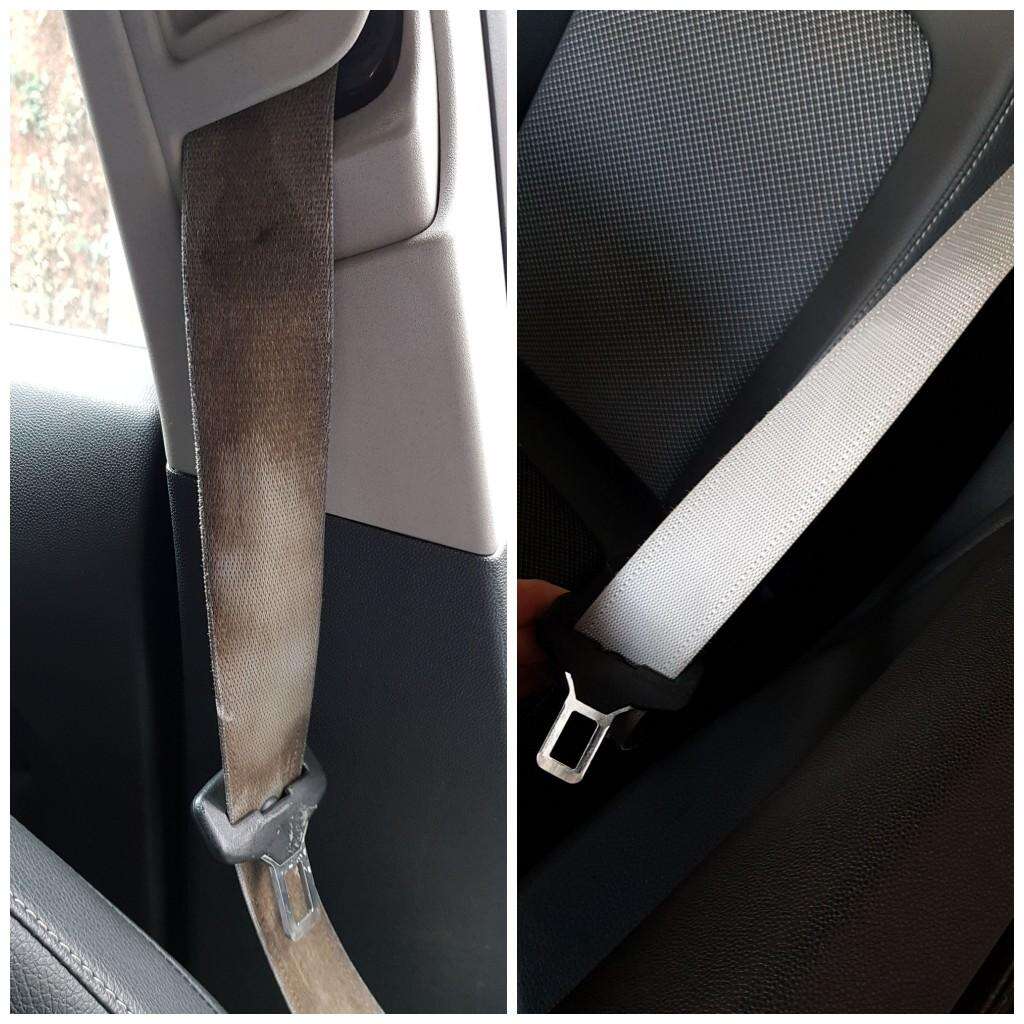
Seat belts collect oils, food, dirt, and stains. Cleaning them keeps the webbing hygienic and makes the interior look better. Proper cleaning also helps the retractor and locking parts work well. Knowing how to clean seat belts in a dirty car reduces odor and stops grime from weakening the fabric over time.
I’ve seen belts darken and stiffen when owners skip cleaning. Regular care keeps straps flexible and strong. Safety and comfort both improve when you clean seat belts in a dirty car regularly.

What you'll need to clean seat belts in a dirty car
Use simple, gentle products. Harsh chemicals can weaken webbing or fade color. Gather these items before you start cleaning seat belts in a dirty car.
- Soft-bristled brush or microfiber cloth for gentle scrubbing
- Mild liquid detergent or upholstery cleaner designed for fabric
- Warm water in a spray bottle or bucket
- A clean towel for blotting and drying
- Small bowl or cup for mixing solution
- Vacuum with brush nozzle (optional for loose dirt)
- A plastic bag or clamp to protect the retractor while drying
Step-by-step guide to clean seat belts in a dirty car
Follow these steps for safe, consistent results. Work on one belt at a time.
- Inspect the belt
- Look for frays, cuts, or chemical damage before cleaning. If you find structural damage, replace the belt rather than clean it.
- Vacuum or shake out loose dirt
- Pull the belt out fully and vacuum the webbing. This removes crumbs and dust that could abrade the fabric.
- Prepare a gentle cleaning solution
- Mix a teaspoon of mild liquid detergent with a cup of warm water. Avoid bleach, strong solvents, and bleach-based stain removers when cleaning seat belts in a dirty car.
- Test in an inconspicuous spot
- Dab a small wet cloth with the solution on the belt near the anchor. Check for color change or shrinkage.
- Clean the belt
- Spray or dampen the cloth, not the belt, and gently rub along the webbing with the grain. Work from the buckle toward the anchor to avoid pushing dirt into the retractor.
- Rinse and blot
- Wipe the belt with a clean, damp cloth to remove soap. Blot with a towel to absorb moisture.
- Dry fully before retracting
- Let the belt air dry fully. Use a plastic bag or clamp to keep the belt out while it dries to prevent mold and ensure the retractor won’t trap damp webbing.
These steps show how to clean seat belts in a dirty car without risking the webbing or locking parts. Take your time on testing and drying.

Stain removal tips when you clean seat belts in a dirty car
Stains need targeted care. Use the right method for grease, coffee, or dye.
- Grease or oil stains
- Sprinkle a little baking soda to absorb oil, then brush gently and use the mild detergent method.
- Coffee, tea, or soda stains
- Use a mix of water and mild detergent. Blot from the outside in and repeat until lightened.
- Ink or dye stains
- These are stubborn. Try a small amount of isopropyl alcohol on a cloth and dab; test first and stop if color fades.
- Biological stains (vomit, blood)
- Use cold water and an enzyme-based cleaner. Rinse thoroughly and dry.
Avoid oversaturating the belt. Repeated gentle treatments work better than a single harsh attempt. This approach preserves strength while tackling stains when you clean seat belts in a dirty car.

Drying, care, and safety after you clean seat belts in a dirty car
Correct drying and retraction matter for safety. A damp belt can mildew or jam.
- Air dry fully before use
- Do not force the belt into the retractor until it is dry. This prevents mold and mechanical issues.
- Check retractor function
- After drying, pull the belt all the way out and let it retract smoothly. If it sticks, consult a mechanic.
- Avoid heat and direct sunlight
- High heat can shrink or weaken the webbing. Dry in shade or a well-ventilated garage.
- Frequency of cleaning
- Clean belts every few months or after spills. Regular light cleaning reduces heavy buildup when you clean seat belts in a dirty car.
From my detailing work, letting belts dry fully and testing retraction has prevented many problems and saved owners repair bills.

When to replace rather than clean
Cleaning helps surface grime but can’t fix structural damage. Replace the belt if you see any of these:
- Frayed or cut webbing
- Stiff, brittle fabric after cleaning
- Burns or chemical damage
- Retractor does not lock or retract properly
Safety standards insist that compromised belts be replaced. If in doubt, have a trained technician inspect the mechanism. Knowing when not to clean is part of understanding how to clean seat belts in a dirty car safely.

Common mistakes to avoid
A few simple errors cause the most damage. Avoid these when you clean seat belts in a dirty car.
- Using bleach or strong solvents that weaken fibers
- Oversaturating the webbing and trapping moisture
- Scrubbing against the grain, which frays the fabric
- Ignoring the retractor and using the belt while wet
- Not testing cleaners on a hidden spot first
These mistakes are easy to prevent and matter for long-term belt health.

Quick questions (PAA-style)
What is the safest cleaner to use on seat belts?
- A mild liquid detergent mixed with warm water is safest. It removes dirt without damaging fibers.
Can cleaning seat belts damage the retractor?
- Only if the belt is forced back damp or dirty debris gets into the mechanism. Let belts dry fully and avoid soaking the retractor.
How often should I clean seat belts in a dirty car?
- Light cleaning every few months is fine. Clean immediately after spills to prevent stains and odors.
Frequently Asked Questions of How to clean seat belts in a dirty car
How do I remove grease from my seat belt?
Use baking soda to lift fresh grease, then gently scrub with mild detergent and warm water. Rinse and blot until dry to avoid trapping oil.
Can I use bleach to whiten seat belts?
No. Bleach weakens fibers and can make the belt unsafe. Use mild detergent or an upholstery cleaner instead.
Will cleaning affect the seat belt warranty?
Check your vehicle manual; most manufacturers allow mild cleaning. Avoid harsh chemicals to stay within warranty limits.
How long should seat belts dry before use?
Wait until they are completely dry to the touch, usually several hours. Do not retract a damp belt into the mechanism.
Is professional cleaning ever necessary?
Yes. If the retractor is sticky, the belt has structural damage, or stains won’t budge, a professional cleaner or technician can help.
Conclusion
Cleaning seat belts in a dirty car is simple when you use gentle cleaners, test first, and dry fully. Regular care keeps belts safe, smelling fresh, and comfortable. Start with one belt, follow the steps here, and replace any belt that shows damage. Try these tips on your next clean, share your results, or ask a question below to get help from others who’ve been there.