

Use gentle heat, a safe solvent, and patience to lift adhesive residue without harming your car’s paint.
Stickers, badges, tape, and parking permits can leave a sticky film that looks worse than the original mark. Learning how to remove adhesive residue from car paint starts with using the least aggressive method first. This guide explains the tools, steps, safety checks, and professional techniques that help clean the surface while protecting the clear coat.
Why Adhesive Residue Sticks to Car Paint
Adhesive residue is the thin, sticky layer left behind after you remove a sticker, vinyl decal, trim piece, tape, or badge. The glue may bond with dust, heat, and road grime. Over time, it can become hard and may look like a dull stain.
Sunlight makes the problem worse. Heat softens the adhesive and helps it spread across the clear coat. Ultraviolet light can also age the residue, making it dry, brittle, and harder to dissolve.
The type of adhesive matters too. Some products use rubber based glue. Others use acrylic adhesive, foam tape, or pressure sensitive adhesive. Each type reacts differently to heat and cleaning products.
Common sources include:
• Dealer badges and window stickers
• Automotive double sided tape
• Vinyl graphics and racing stripes
• Protective film and shipping labels
• Duct tape or masking tape
• Parking permits and toll tags
• Tree sap mixed with old glue
Adhesive residue usually sits on top of the clear coat. That is good news. In most cases, you can remove it without polishing or repainting the panel. The key is to avoid scratching the surface or dissolving the paint protection.

What You Need Before You Start
Gather your supplies before touching the residue. Using the right tools reduces the need for force. It also helps you work in a clean, controlled way.
You will need:
• Two or three clean microfiber towels
• A bucket of clean water
• Mild car wash soap
• A plastic scraper or old plastic card
• A hair dryer or heat gun with a low setting
• Automotive adhesive remover
• Isopropyl alcohol diluted with water
• Clay bar lubricant and a clay bar, if needed
• Car wax or paint sealant
Choose an adhesive remover labeled safe for automotive paint. Products made for car surfaces are usually safer than strong household solvents. Always read the label and follow its contact time.
Avoid rough towels, kitchen sponges, razor blades, and metal scrapers. They can leave fine scratches in the clear coat. A plastic scraper is much safer when held nearly flat against the panel.
Work in the shade on cool paint. A hot panel can make solvents evaporate too fast. It can also increase the chance of streaks, stains, or damage to soft trim.

How to Remove Adhesive Residue From Car Paint
The safest approach is to move from mild methods to stronger ones. Do not begin with a harsh solvent. Start by cleaning the area and softening the glue.
Step 1: Wash the Area
Wash the panel with car shampoo and clean water. This removes grit that could scratch the paint during the next steps.
Dry the surface with a soft microfiber towel. Do not rub hard over the residue. At this stage, your goal is to remove dirt, not the adhesive.
Step 2: Warm the Adhesive
Use a hair dryer on low or medium heat. Hold it about 6 to 12 inches from the panel. Move it constantly for 20 to 40 seconds.
The glue should become softer and more flexible. It should not feel hot to the touch. A heat gun can work, but it requires more care because it can damage clear coat, plastic trim, and nearby emblems.
Step 3: Lift the Softened Glue
Try rolling the residue with your fingertip through a microfiber towel. If that does not work, use a plastic scraper.
Keep the scraper almost flat. Push gently rather than digging into the paint. Work from the outside edge toward the center. This keeps the residue together and lowers the chance of spreading it.
Step 4: Apply Automotive Adhesive Remover
Spray or apply a small amount of product to a microfiber towel. Avoid flooding the panel. Press the damp towel against the glue for 30 to 60 seconds.
Wipe in one direction. Turn to a clean part of the towel as the adhesive transfers. Repeat the process instead of using more force.
This is usually the most effective step in learning how to remove adhesive residue from car paint. A safe solvent breaks the glue’s bond while the towel lifts it from the clear coat.
Step 5: Wash Away the Solvent
After the residue is gone, wash the panel again with car shampoo. Solvent left on the surface may affect wax or sealant.
Dry the panel and inspect it in bright but indirect light. Look for remaining glue, dull spots, or scratches.
Step 6: Restore Protection
Apply a small amount of wax, paint sealant, or ceramic spray to the cleaned area. Adhesive remover can strip surface protection.
This final step helps restore gloss and gives the paint a layer of protection against dirt, water, and future contamination.
Gentle Methods That Work
Several mild methods can help with light adhesive residue. The best choice depends on how old and thick the glue is.
Warm Water and Car Soap
Fresh residue may soften with warm water and car shampoo. Soak a microfiber towel and place it over the spot for a few minutes.
This method is gentle, but it may not work on old, baked on glue. Never use boiling water. Sudden heat can stress some surfaces and may affect plastic trim.
Hair Dryer and Plastic Card
A hair dryer is useful for stickers and tape. Warm the adhesive, then lift it with a plastic card.
Keep the card flat and use short strokes. This method is safer than using a fingernail, which can scratch soft paint or break under pressure.
Isopropyl Alcohol
Isopropyl alcohol can remove light adhesive residue and oily film. Use a diluted mixture, such as 50 percent alcohol and 50 percent water, on a towel.
Test it first in a hidden area. Alcohol may remove wax and can affect some fresh paint, matte finishes, or delicate aftermarket coatings. Do not let it sit on the panel for a long time.
Automotive Adhesive Remover
An automotive adhesive remover is often the best choice for stubborn glue. Apply it to the towel rather than directly onto seams, badges, sensors, or trim.
Allow the product to work for the time listed on the label. Wipe gently and repeat as needed. One light application is safer than one heavy application.

How to Remove Stubborn or Old Adhesive
Old residue may feel hard, rubbery, or baked into the surface. It may also leave a shadow after the glue is gone. That shadow can be oxidation, paint fading, or a difference between protected and unprotected paint.
Start with heat and a plastic scraper. Then use a paint safe adhesive remover. Work in small sections so you can watch how the surface reacts.
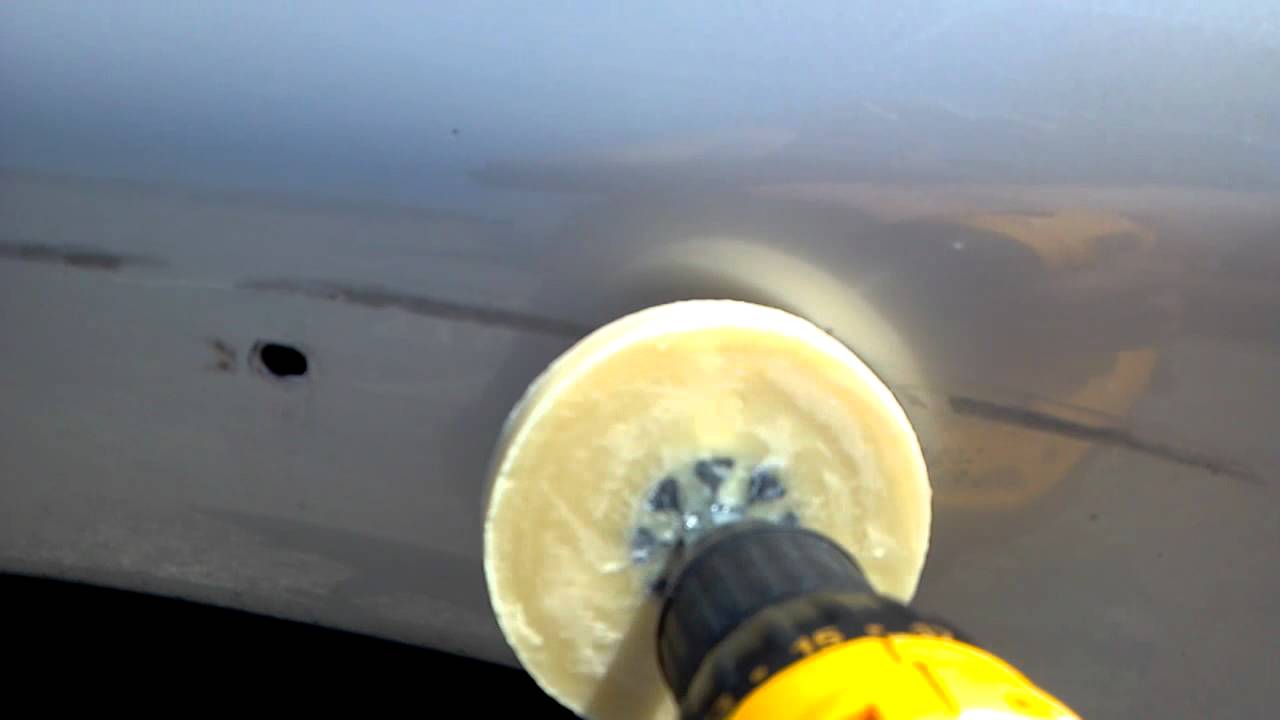
For thick foam tape, roll the residue with your thumb or a clean rubber adhesive removal wheel. Use a low speed with a drill and keep the wheel moving. Do not press hard or stay in one place.
A clay bar can remove the final film after the main glue is gone. Use plenty of clay lubricant and very light pressure. Clay is not a substitute for solvent when the residue is thick.
If a dull mark remains, the problem may no longer be adhesive. A light polish may improve the finish, but polishing removes a tiny amount of clear coat. Use it only when necessary.
Consider professional detailing when:
• The paint feels rough after cleaning
• The residue covers a large panel
• The paint is peeling, cracked, or faded
• The adhesive is near a fresh repair
• The vehicle has matte or satin paint
• You see color transfer on the towel
• The mark remains after safe cleaning
Products and Solvents to Avoid
Some household products seem useful but can damage automotive finishes. The risk is not always visible right away. A product may remove the glue while also dulling the clear coat or staining trim.
Avoid these products unless the vehicle manufacturer specifically approves them:
• Acetone or nail polish remover
• Lacquer thinner
• Paint thinner
• Gasoline or diesel fuel
• Brake cleaner
• Carburetor cleaner
• Abrasive powder cleaners
• Steel wool or scouring pads
• Razor blades used flat against the paint
• Melamine foam cleaning pads
Strong solvents can soften plastic, discolor rubber, and affect paint edges. They can also strip wax and sealants very quickly.
WD 40 and similar water displacing products may loosen some glue. However, they leave an oily film and are not designed as a dedicated automotive adhesive remover. If you use one, wash the panel well afterward and apply fresh protection.
Household cooking oils may loosen light glue, but they attract dust and make cleanup harder. They are not the best long term solution.

How to Test a Product Safely
A small test can prevent a large repair. Before you learn how to remove adhesive residue from car paint on a visible area, test the product in a hidden spot.
Good test areas include:
• The lower edge of a door
• The inside edge of a trunk opening
• A small area beneath a trim piece
• The underside of a painted mirror cap
Apply a small amount to a microfiber towel. Rub the test area lightly, then wipe it clean with water.
Check for:
• Color on the towel
• Cloudiness or loss of gloss
• Sticky or soft paint
• Swelling of nearby plastic
• Streaks or discoloration
If the finish changes, stop using the product. A clear test result does not guarantee safety on every vehicle. Paint age, repair history, coating type, and surface temperature can all affect the result.
Freshly painted panels need extra care. Many body shops recommend avoiding harsh cleaners and wax for a set curing period. Follow the paint shop’s instructions before removing adhesive from a recent repair.

Mistakes That Can Damage Car Paint
The most common mistake is rushing. Adhesive rarely requires brute force. More pressure can turn a simple cleaning job into a scratch repair.
Do not scrape dry residue with a fingernail or metal blade. Dry glue can hold grit, and that grit acts like sandpaper.
Do not heat one spot for too long. Clear coat can soften, blister, or lose gloss under excessive heat. Keep the heat source moving and stop if the panel becomes too hot.
Do not use a dirty towel. A towel used on wheels or door jambs may contain sharp grit. Use a fresh, plush microfiber towel for paint.
Do not let solvent dry on the panel. Work in small areas and wipe the product away before it evaporates.
Do not polish before removing the glue. Polishing over sticky residue can spread it across the panel and load the polishing pad with adhesive.
A mistake I often see in detailing advice is treating every mark as glue. Some stains are actually sap, tar, paint transfer, or clear coat damage. Identifying the contamination first saves time and prevents the wrong chemical from being used.

Aftercare and Paint Protection
Removing adhesive residue can also remove wax or a paint sealant. The cleaned area may look slightly brighter than the surrounding paint because the old protection and contamination are gone.
Wash the panel after using any solvent. Then inspect it under natural light. If the surface feels smooth and looks even, apply wax or sealant according to the product directions.
For long term protection:
• Park in shade when possible
• Remove new stickers before they bake in the sun
• Wash bird droppings and tree sap quickly
• Use a paint safe cleaner for future residue
• Avoid placing low quality tape on painted surfaces
• Keep microfiber towels clean and stored in a sealed container
Ceramic coatings need special attention. Some coating makers advise using a specific cleaner to preserve the coating. A general solvent may reduce performance, even if the paint still looks fine.
Matte paint is another special case. Polishing can create shiny patches, and some cleaners can change the texture. Always follow the vehicle or coating manufacturer’s care guide.
A Practical Detailer’s Workflow
A careful workflow makes the job simple. I recommend treating adhesive removal like peeling a label from glass: soften the bond, lift slowly, and clean the film left behind.
Use this order:
Park in shade and let the panel cool.
Wash away dust and road grit.
Test your cleaner in a hidden area.
Warm the adhesive with a hair dryer.
Lift thick residue with a plastic scraper.
Apply a small amount of automotive adhesive remover.
Wipe with a clean microfiber towel.
Repeat instead of scrubbing harder.
Wash the panel again.
Apply wax or paint sealant.
A useful lesson from real detailing jobs is that the first towel becomes dirty very quickly. Turning it often prevents you from moving dissolved glue back across the paint.
Another lesson is to stop when the result stops improving. If the glue is gone but a stain remains, more solvent may not help. At that point, the surface may need light polishing or an inspection by a professional.
Frequently Asked Questions About How to Remove Adhesive Residue From Car Paint
What is the safest way to remove adhesive residue from car paint?
Wash the area, warm the glue with a hair dryer, and lift it with a plastic scraper. Then use a small amount of automotive adhesive remover on a microfiber towel and wash the panel again.
Can rubbing alcohol remove adhesive residue from car paint?
Diluted isopropyl alcohol can remove light residue, but test it first. It may strip wax and can be unsuitable for fresh paint, matte finishes, or certain coatings.
Will WD 40 damage car paint?
WD 40 is generally less aggressive than strong solvents, but it can leave an oily film and remove surface protection. If used, apply a small amount, wipe it away, wash the panel, and protect the paint afterward.
Can I use a razor blade to remove sticker glue from my car?
A razor blade can scratch clear coat, especially when dirt or hard glue is trapped beneath it. Use heat and a plastic scraper instead.
How do I remove old dealership adhesive from a car?
Warm the badge or adhesive, remove thick material with plastic tools, and use an automotive adhesive remover for the remaining film. If the paint has faded around the badge, cleaning alone may not restore a uniform color.
Does adhesive remover remove car wax?
Many adhesive removers can weaken or remove wax and some sealants. Wash the area after cleaning and apply fresh protection.
What should I do if the adhesive leaves a dull spot?
First confirm that all glue is gone. If the spot remains, it may be oxidation, fading, or clear coat damage and may require careful polishing or professional paint correction.
Conclusion
The best way to remove adhesive residue from car paint is to work slowly and use the least aggressive method that solves the problem. Clean the surface, soften the glue, lift it with plastic, use a paint safe adhesive remover, and restore protection afterward.
Avoid metal tools, harsh solvents, excess heat, and rough scrubbing. Test every product first, especially on older, repainted, matte, or ceramic coated vehicles.
With patience, most sticker glue and tape residue can be removed without harming the finish. Try these steps on a small area, then share your results or explore more car care guides for safer detailing methods.