

Introduction
The safest way to recycle a car seat in the United States is to find a local program that accepts child restraints, a manufacturer take-back program, or a verified mail-in service. If none is available, make the seat unusable before placing it in the trash, and follow your local waste rules.
Do not donate or give away a car seat that is expired, damaged, recalled, missing parts, or has been in a moderate or severe crash. recycling is better than passing an unsafe seat to another family.
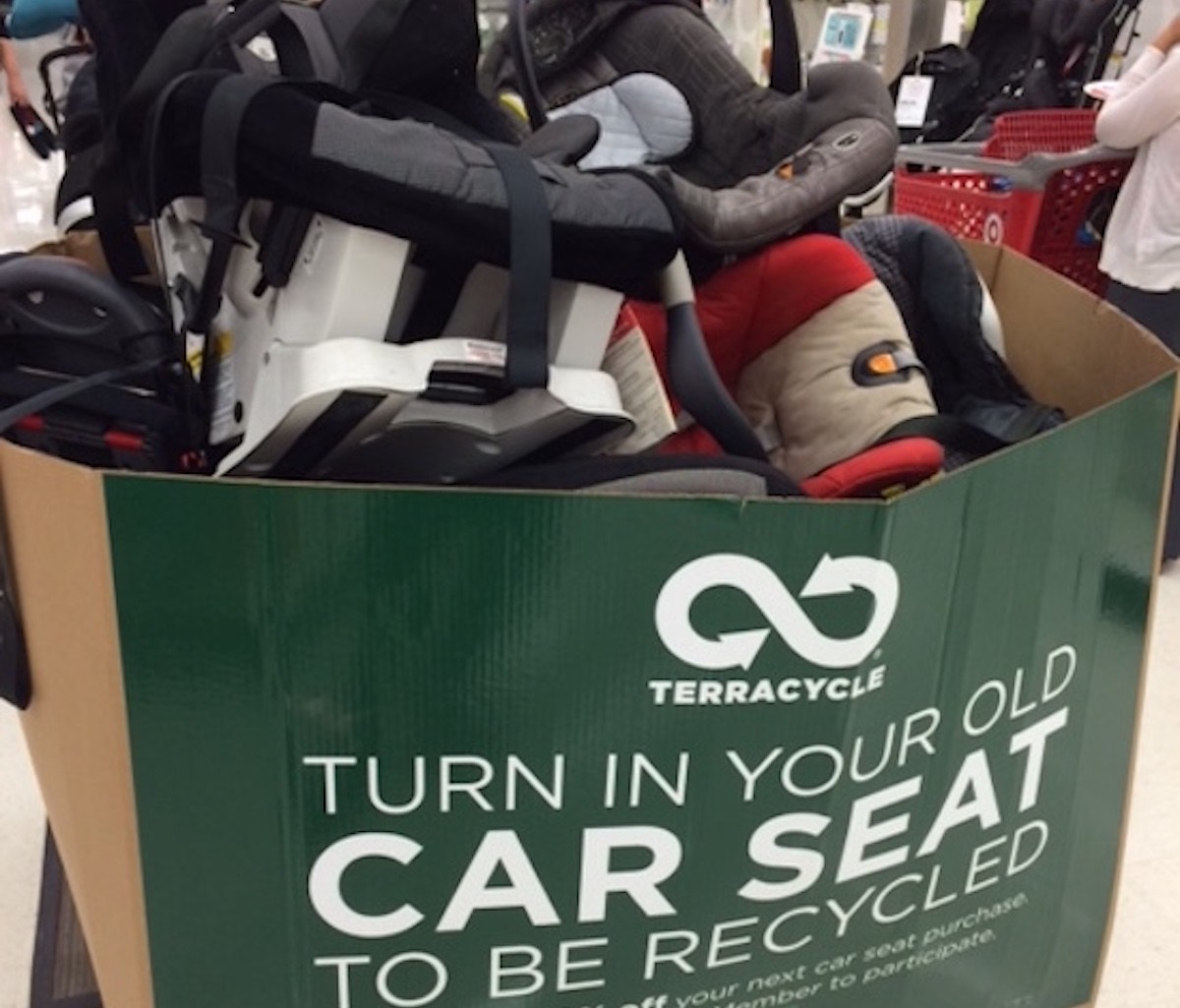
Why Car Seats Are Difficult to Recycle
Car seats are made from several materials joined together. A typical seat may contain:
- Molded plastic
- Expanded polystyrene, often called EPS foam
- Fabric covers
- Padding
- Metal parts
- Buckles
- Harness straps
- Labels and adhesives
These materials do not always belong in the same recycling stream. A curbside recycling truck may reject the seat, and a recycling plant may not have a safe way to separate it.
For this reason, do not place a complete car seat in your blue recycling bin unless your local program clearly accepts it. Most curbside programs are designed for common household packaging, not large child-safety equipment.
The U.S. Environmental Protection Agency recommends checking local recycling and disposal rules because accepted materials vary by community. Use the EPA recycling information page and your local solid waste department as starting points.
A recycling program may:
- Remove the fabric and foam.
- Separate plastic, metal, and other parts.
- Process the materials for another use.
- Dispose of parts that cannot be recycled.
A program that says it “accepts car seats” may recycle some components and dispose of others. That is still different from putting the whole seat in a curbside bin.

First, Decide Whether the Car Seat Should Be Recycled
Before looking for a recycling site, decide whether the seat is still safe and legal to use.
Recycle or dispose of the seat if any of these conditions apply:
- The seat has passed the expiration date on its label or in its manual.
- The seat was involved in a moderate or severe crash.
- The seat has visible cracks, deep cuts, broken hardware, or missing parts.
- The harness is frayed or damaged.
- The buckle does not work correctly.
- The seat has been recalled and cannot be repaired.
- You do not know its history.
- The manufacturer no longer supports the model or replacement parts.
The National Highway Traffic Safety Administration (NHTSA) advises replacing a car seat after a moderate or severe crash. NHTSA also says parents should follow the manufacturer’s instructions because crash replacement guidance can differ for minor crashes.
Check these areas before recycling:
- Expiration label: Look on the bottom, back, or side of the seat. Some manufacturers print a “do not use after” date instead of a simple expiration date.
- Model number: This may be near the manufacture date or on a white or black label.
- Recall status: Search the model at NHTSA’s recall page.
- Owner’s manual: The manual may explain the seat’s useful life and disposal instructions.
- Crash history: If the seat belonged to someone else, ask whether it has been in a crash. If the answer is unknown, do not give it to another child.
A seat that is still safe and within its service life may not need recycling. You may be able to use it for another child, return it under a manufacturer program, or give it to a qualified organization that accepts safe child restraints. Confirm the organization’s rules first.

Find a Car Seat Recycling Program Near You
The fastest route is usually a local search followed by a phone call. Recycling availability changes by city, county, and state.
Search for terms such as:
- “car seat recycling near me”
- “child safety seat recycling”
- “expired car seat disposal”
- “[your county] solid waste car seat”
- “[your city] car seat recycling event”
- “[your state] recycling car seats”
Then check these sources in order.
1. Your city or county waste department
Search the official government website for your city, county, or regional solid waste agency. Look under:
- Household hazardous waste
- Special waste
- Bulky waste
- Reuse and recycling
- Community cleanup events
- Child passenger safety events
Some agencies list car seats under “hard-to-recycle items.” Others accept them only during special collection events.
2. Local fire departments and hospitals
Fire stations and hospitals sometimes host child passenger safety checks. Some also know of local disposal events. However, do not assume that a fire department or hospital accepts old seats year-round. Call before bringing one.
3. Certified child passenger safety technicians
A certified Child Passenger Safety Technician, or CPST, may know about local events and programs. The National Highway Traffic Safety Administration provides information about child passenger safety, including help finding inspection resources.
A technician may inspect a usable seat. They are not automatically a recycling service, so ask what they can accept.
4. Manufacturers and retailers
Some brands and retailers run take-back or trade-in events. Programs can be limited by:
- Brand
- Product type
- Store location
- Event dates
- Number of seats accepted
- Whether the seat must be purchased from that retailer
Check the manufacturer’s official website rather than relying on an old social media post or a search result. Program terms can change.
5. Mail-in recycling services
Some specialized services accept car seats by mail. Before paying, confirm:
- The exact car seat types accepted
- Whether shipping is included
- Whether the service recycles the seat or only disposes of it
- Whether the program accepts seats with crash damage
- What happens to parts that cannot be recycled
- Whether the company serves your state
Do not ship a seat until the program confirms acceptance. A large car seat can be expensive to mail.
When calling a program, ask this simple question:
“Do you accept expired or crashed child car seats for recycling, and what should I remove before I bring or ship one?”

Prepare the Car Seat for Recycling
Follow the recycling program’s instructions first. Programs may want the seat intact, partly dismantled, or fully separated.
If the program has no special instructions, use this basic preparation process:
1. Remove personal items
Take out:
- Toys
- Seat liners
- Cup contents
- Instruction manuals
- Registration cards
- Personal labels
- Loose blankets
- Aftermarket accessories
Keep the original manual if you are checking the model or recall status.
2. Wash removable fabric
Wash the cover only if the recycling program asks for it or if the cover will be reused. Use the care instructions in the manual. Avoid harsh chemicals that could damage the fabric or create a disposal problem.
3. Do not cut the harness until you know the program’s rules
Many disposal instructions recommend cutting the harness so another person cannot reuse an unsafe seat. But a recycling program may want the harness attached for its processing method.
Ask first. If the seat is going directly to trash and no program requires the harness to remain intact, cut the harness and mark the seat as unsafe.
4. Remove parts only when directed
Some programs ask you to separate:
- Plastic shell
- Metal frame
- EPS foam
- Fabric
- Harness
- Buckle
Other programs accept the complete seat. Do not dismantle a seat with power tools unless the program gives clear instructions. Broken plastic and sharp metal edges can cause injuries.
5. Label an unsafe seat
If the seat will be discarded rather than recycled, write:
DO NOT USE — EXPIRED, DAMAGED, RECALLED, OR CRASHED
Use permanent marker on the shell. Place the seat in a bag only if your waste provider allows bagged bulky items. Do not hide the warning under the bag.
6. Keep proof of a take-back appointment
If a store or nonprofit accepts the seat, save the event details or receipt. This can help if the program has limits or if you need to confirm that the seat was accepted.
A prepared seat is ready when the receiving program has confirmed its rules, unsafe seats are clearly marked, and removable parts are handled as directed.

What to Do If You Cannot Find a Recycling Program
If no local or mail-in option exists, contact your waste provider before throwing the seat away. Ask whether it belongs in:
- Regular household trash
- Bulky-item collection
- A transfer station
- A special waste drop-off
- A scheduled community cleanup
Do not put the car seat in a curbside recycling bin unless the local recycling guide specifically lists it.
For a seat going into the trash:
- Remove the cover and padding if your waste provider requests it.
- Cut the harness straps so the seat cannot be reused.
- Break or remove the buckle if this can be done safely.
- Write “DO NOT USE” on the shell.
- Follow local rules for large plastic items.
Some waste companies want the seat placed beside the cart. Others require it inside the cart or at a transfer station. A large seat may not fit safely in a regular trash cart, so check first.
If the seat contains a detachable battery, electronic part, or light, ask whether that part needs separate disposal. Do not place lithium batteries in household trash or curbside recycling. Use your local household battery program.
The goal is twofold: recover materials when a real program is available and prevent an unsafe seat from reaching another family when recycling is not available.

Can You Donate or Reuse an Old Car Seat?
Donate a car seat only when you can confirm its safety history, expiration date, recall status, and complete parts.
A seat may be suitable for reuse when it:
- Has not been in a crash
- Is within its usable life
- Has no recall that prevents use
- Includes all required parts
- Has readable labels
- Has clean, undamaged straps and buckles
- Comes with its manual or verified instructions
Ask the receiving group whether it accepts car seats. Many charities do not accept them because they cannot verify the seat’s history.
Do not donate a seat simply because it looks clean. A crash can damage the structure without leaving an obvious mark. Missing labels can also make it impossible to verify the model, manufacture date, or recall status.
Avoid using an old car seat for:
- A pet carrier
- A chair
- A step stool
- Outdoor storage
- A play structure
- Any activity that could lead someone to use it for child transportation
Repurposing can create confusion later. An unsafe child seat may be mistaken for a usable one, especially if the harness remains attached.

Recycling Options Compared
The best option depends on the seat’s condition, the program’s rules, and your local waste system.
| Option | Best for | Main limitation |
|---|---|---|
| Local recycling event | Expired or damaged seats accepted at a scheduled event | Events may be infrequent |
| Manufacturer take-back | A brand with an active recycling program | May accept only certain models |
| Retailer collection | Convenient drop-off during a trade-in event | Dates and store limits can change |
| Mail-in service | Areas without local collection | Shipping may cost more than expected |
| Solid waste facility | Seats with no recycling route | Materials may be disposed of rather than recycled |
| Donation or reuse | Safe, complete seats with known history | Many groups do not accept used seats |
| Regular trash | Final option when no program exists | Usually offers little or no material recovery |
A free program is not always the best program if it is not verified. Ask what happens after drop-off. “Collected” does not necessarily mean every part is recycled.
For an environmentally responsible choice, use this order:
- Reuse the seat only if it is safe and fully documented.
- Use a verified car seat recycling or take-back program.
- Use a local special-waste or bulky-item service.
- Dispose of the seat in regular trash only when your local provider directs you to do so.

Common Mistakes to Avoid
Putting the entire seat in curbside recycling
A car seat is not standard packaging. Its mixed materials and size can contaminate a recycling load or damage sorting equipment.
Giving away a seat with an unknown history
A stranger may not know that the seat was in a crash or has expired. If you cannot verify its history, recycle or discard it.
Cutting the harness before calling a recycling program
Some programs need the seat intact. Confirm the preparation rules first.
Trusting an old trade-in announcement
Retail collection events may be temporary. Check the current official page or call the location.
Removing the expiration label
The manufacture date and model label help verify safety and recall information. Keep them attached until the seat is accepted for recycling or disposal.
Assuming a minor crash always makes a seat unsafe
NHTSA’s guidance focuses on moderate and severe crashes and directs caregivers to manufacturer instructions for minor crashes. Read the seat manual and contact the manufacturer when the crash circumstances are unclear.
Selling a recalled or expired seat
A listing does not make an unsafe seat safe. Do not sell or give away a seat that should no longer be used.

Frequently Asked Questions
Can car seats go in the recycling bin?
Usually, no. Place a car seat in a curbside recycling bin only if your local recycling provider specifically accepts it. Most programs do not accept complete car seats in standard curbside collection.
Does Target still recycle car seats?
Retailer programs can change by year, store, and region. Check Target’s current official announcements and contact the store before transporting a seat. Do not rely on an old trade-in page.
Does Walmart recycle old car seats?
Acceptance depends on the store and any active local program. Contact the specific Walmart location or your local waste agency. A store that sells car seats is not necessarily a recycling drop-off site.
Can I recycle an expired car seat?
Yes, if a local program, manufacturer, retailer, or mail-in service accepts it. If no program is available, make the seat unusable and follow your local trash or bulky-waste instructions.
Should I remove the foam from a car seat?
Only when the recycling program or waste provider tells you to do so. EPS foam is not accepted in every recycling stream, and separating materials incorrectly can make the seat harder to process.
Can I donate a car seat after a minor accident?
Use the manufacturer’s crash guidance and NHTSA’s recommendations. If you cannot confirm that the seat remains safe, do not donate it. Contact the manufacturer or a certified child passenger safety technician for help.

Conclusion
To recycle a car seat in the United States, start with your city or county waste department, then check the manufacturer, local child passenger safety events, retailers, and verified mail-in services. Confirm the program’s rules before removing parts or paying for shipping.
If the seat is expired, damaged, recalled, or has an unknown history, do not donate it. When recycling is unavailable, cut the harness, label the seat as unsafe, and follow your local disposal instructions.
Your next step is simple: find the model number and expiration date, then call your local solid waste provider and ask whether it accepts child car seats.