

Remove hard water stains from car paint by washing, claying, polishing, and protecting the surface with care.
Hard water stains are mineral deposits left behind when water evaporates on your vehicle. If you catch them early, a safe wash and mild water-spot remover may work. Older stains can etch the clear coat and need clay, polishing, or professional paint correction. This guide explains how to remove hard water stains from car paint without causing more damage.
What Causes Hard Water Stains on Car Paint?
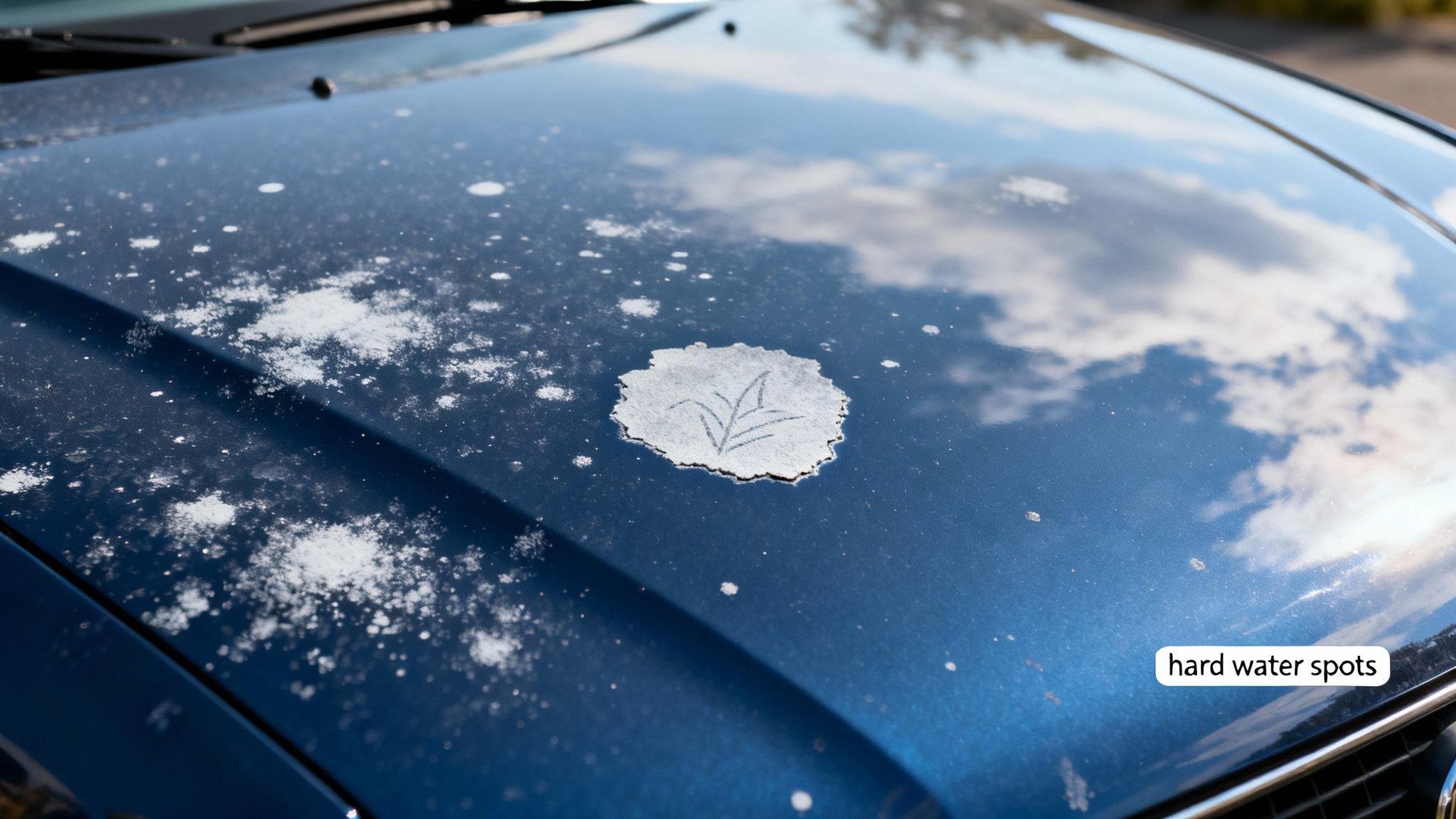
Hard water contains dissolved minerals such as calcium, magnesium, silica, and iron. When water dries on your car, those minerals remain behind as white spots, rings, or cloudy marks.
Common sources include:
• Sprinklers that spray treated or well water
• Automatic car washes with poor spot-free rinsing
• Rainwater mixed with dust and air pollution
• Washing the car in direct sunlight
• Water left on the paint after a wash
• Bird droppings or dirt that trap moisture against the clear coat
Fresh mineral spots usually sit on top of the paint. Older spots may bond tightly to the clear coat or slowly etch its surface. This difference matters because cleaning can remove surface deposits, but polishing may be needed for etched marks.
Think of hard water stains like salt left on a table after soup dries. You can wipe away the salt, but if it has damaged the table finish, wiping alone will not restore the surface.
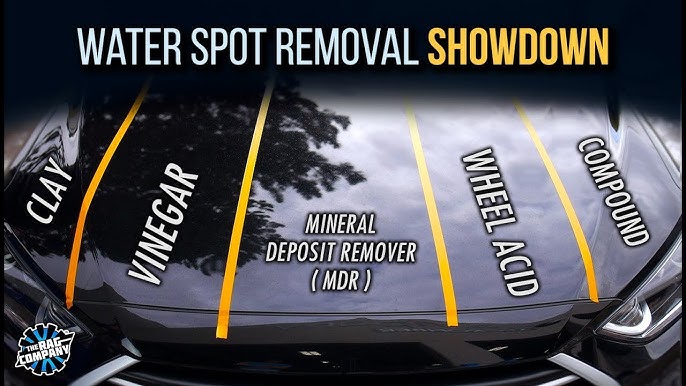
How to Tell if Water Spots Are on Top or Etched
Before learning how to remove hard water stains from car paint, inspect the marks closely. Park the car in shade and wash the area first. Dirt can hide the real condition of the paint and may cause scratches during testing.
Run a clean fingertip over the dry surface. If the paint feels rough, mineral deposits may still sit on top. If it feels smooth but the spots remain visible, the clear coat may have etching.
You can also place a small amount of car wash soap on a microfiber towel and gently wipe one test spot. If the mark fades, it may be a surface deposit. If it stays the same, you may need a chemical remover or light polish.
Look for these signs:
• White, chalky circles often mean surface minerals.
• Smooth, dull rings may point to clear coat etching.
• Deep marks that remain after polishing may require professional repair.
• A rough feel suggests bonded contamination.
Do not begin with aggressive rubbing. Clear coat is thin, and every abrasive step removes a small amount of it. The safest method is always the least aggressive method that works.

What You Need to Remove Hard Water Stains
The right tools make how to remove hard water stains from car paint much safer. You do not need a large detailing setup, but quality products help prevent scratches.
Gather these supplies:
• Two buckets with grit guards
• A pH-balanced car shampoo
• A hose with a clean water source
• Several soft microfiber towels
• A microfiber wash mitt
• A clay bar or synthetic clay towel
• Automotive water-spot remover
• A dual-action polisher, if needed
• A finishing polish
• Foam or microfiber polishing pads
• Paint sealant or wax
• Nitrile gloves and eye protection
Use products made for automotive paint. Household vinegar, bathroom descaler, powdered cleaners, and kitchen scrub pads can be too harsh or abrasive. Some may stain trim, weaken wax, or damage sensitive finishes.
A pH-neutral soap is best for routine washing. An acidic water-spot remover can dissolve mineral deposits, but it must be used as directed. Never mix detailing chemicals, especially acidic and alkaline products.

Step-by-Step: How to Remove Hard Water Stains From Car Paint
1. Work in the Shade
Park the car in a cool, shaded area. The paint should be cool to the touch. Hot panels cause soap and chemical cleaners to dry too quickly, which can create new marks.
Good airflow helps, but avoid working in strong wind. Dust can land on wet paint and cause fine scratches.
2. Rinse Away Loose Dirt
Rinse the vehicle from top to bottom. Use plenty of water to loosen sand, dust, and grit before touching the paint.
Pay special attention to lower doors, wheel arches, and the rear bumper. These areas often hold more dirt than the hood or roof.
3. Wash With the Two-Bucket Method
Fill one bucket with car shampoo and water. Fill the other with clean rinse water.
Dip the wash mitt into the soap bucket, clean one small section, and rinse the mitt in the second bucket. Repeat from the top of the vehicle downward. Use a separate mitt for wheels because brake dust can scratch paint.
Rinse each panel before the soap dries. Do not press hard. Let the mitt and soap lift the dirt away.
4. Dry the Paint at Once
Use a clean, plush microfiber drying towel. Blot or glide the towel lightly across the surface. Do not let water sit and evaporate on the car.
A filtered or deionized rinse can help reduce new water spots. Still, drying the car remains important because even filtered water can collect dust or minerals from the surface.
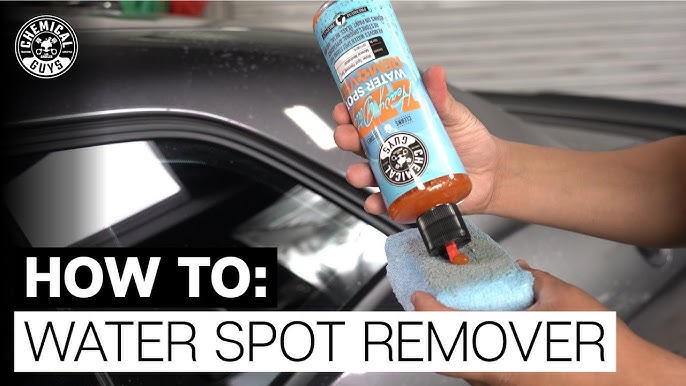
5. Apply a Water-Spot Remover
If washing does not remove the marks, use an automotive water-spot remover. Test it first on a small hidden area.
Apply the product to the towel or paint as directed. Work on a small section at a time. Allow the product to dwell only for the stated time, then wipe it away and rinse the area.
Do not let the cleaner dry on the paint. Avoid unpainted plastic, rubber, glass, and polished metal unless the label says the product is safe for those materials.
This step often removes fresh deposits. It cannot always repair etching because etching is a change in the clear coat itself.
6. Use a Clay Bar for Rough Deposits
If the paint still feels rough, clay can remove bonded mineral residue. Lubricate the panel well with clay lubricant or a product approved for claying.
Flatten the clay and move it gently in straight lines. Do not use force. When the surface feels smooth, wipe it with a clean microfiber towel.
If you drop the clay on the ground, throw it away. Tiny grains of sand can create scratches. Fold the clay often so a clean surface touches the paint.
Claying removes contamination, but it does not fix deep etching. It is a preparation step before polishing.
7. Polish Light Etching
When stains remain after chemical cleaning and claying, use a light finishing polish. A dual-action polisher is safer for most beginners than a rotary machine because it is less likely to create severe heat or burn marks.
Start with a mild polish and a soft foam pad. Work a small test area first. Use low to moderate speed, light pressure, and several slow passes. Wipe the residue away and inspect the result under strong light.
If the spot improves, repeat the process carefully. If it does not improve, stop and reassess. A stronger compound may help, but it also removes more clear coat.
Avoid polishing edges and body lines with heavy pressure. These areas have less paint and can be damaged more easily.
8. Protect the Paint
After removing hard water stains from car paint, apply protection. Use a wax, paint sealant, or professionally installed ceramic coating.
Protection helps water move off the surface and gives you more time to dry the car after washing. It does not make the paint stain-proof. Minerals can still remain if water dries on the vehicle.
For most drivers, a paint sealant offers a practical balance of cost, durability, and easy use. Follow the product instructions and keep the paint clean before application.
Can Vinegar Remove Hard Water Stains From a Car?
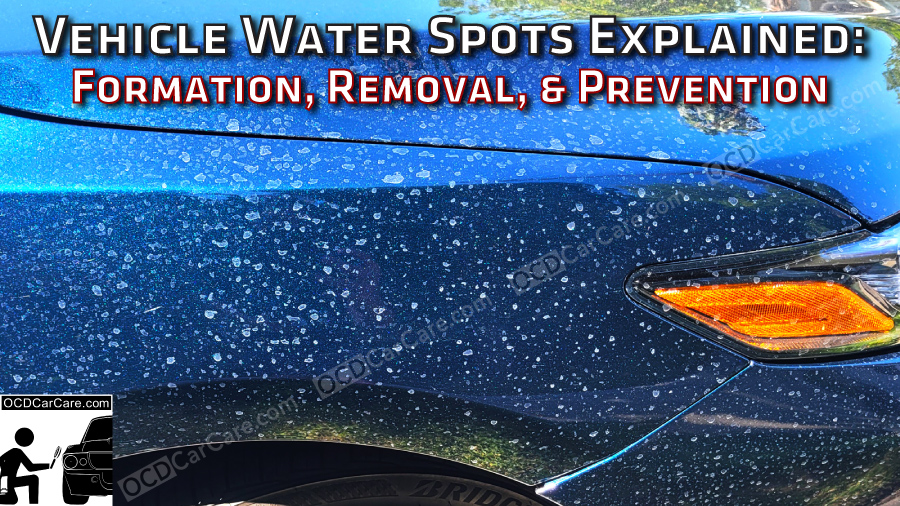
Diluted white vinegar can dissolve some mineral deposits because it contains acetic acid. However, it is not my first choice for car paint because its strength varies, it can dry quickly, and it may affect wax or sensitive trim.
If you use vinegar, dilute it with water, test it in a hidden area, and remove it quickly. Never use it in direct sun or allow it to dry on the surface.
Automotive water-spot removers are usually a better option. They are designed for vehicle surfaces and provide clearer directions for safe use. Strong mineral acids should be left to trained professionals.
The key lesson is simple: acidic products can remove mineral scale, but more strength is not always better. The goal is to dissolve the deposit without harming the clear coat.
Common Mistakes That Cause More Paint Damage
Many people make hard water stains worse while trying to remove them. The most common mistake is rubbing a dry spot with a dry towel. Minerals act like fine grit and can leave swirl marks.
Avoid these errors:
• Scrubbing with a kitchen sponge or brush
• Using powdered bathroom cleaner
• Applying undiluted vinegar or strong acid
• Working on hot paint
• Letting chemicals dry on the panel
• Using one dirty towel on the whole car
• Skipping the rinse before washing
• Polishing heavily without testing first
• Using a rotary buffer without training
• Applying wax over visible contamination
One detailing lesson that repeatedly saves paint is to test a small area first. A five-minute test can prevent an expensive repair. If the test does not improve the finish, do not simply increase pressure or use a harsher product.
How to Remove Hard Water Stains From Glass, Trim, and Coatings
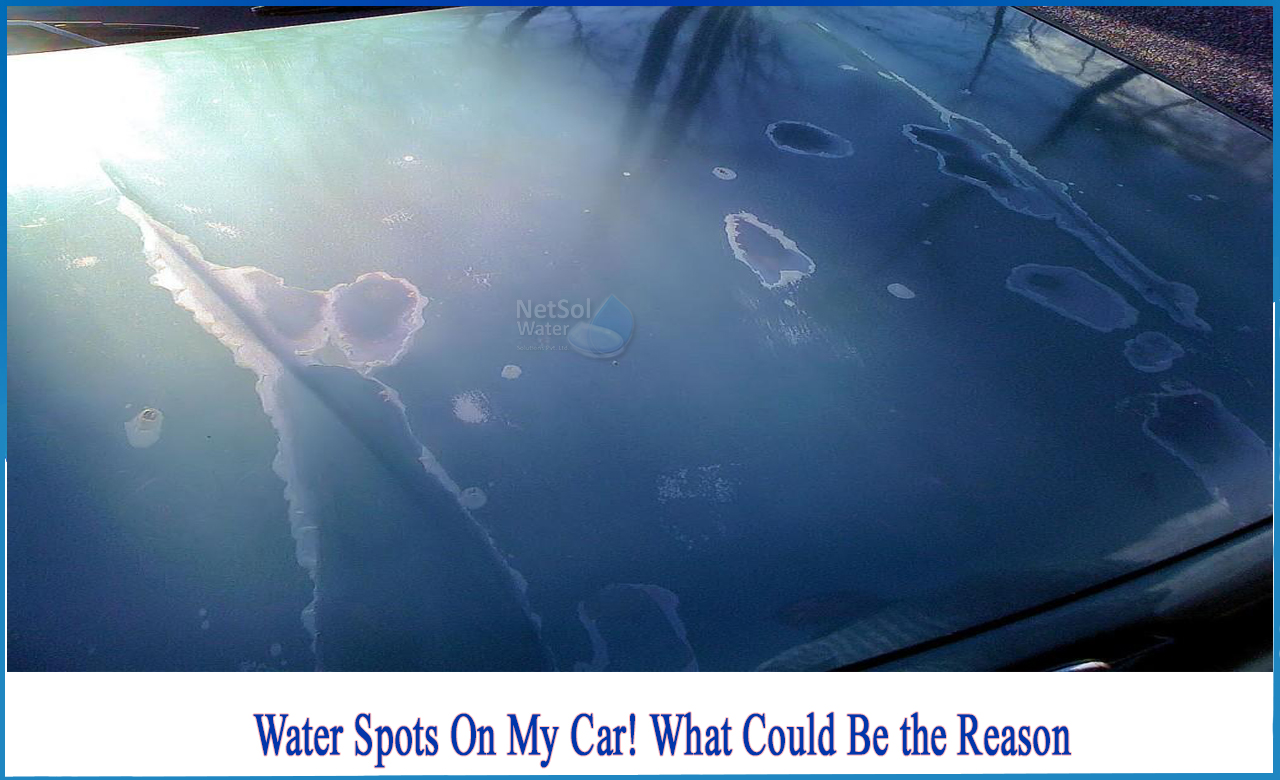
Car paint is not the only surface affected by hard water. Glass can develop stubborn mineral rings, while black plastic trim may turn cloudy or chalky.
Use a glass-safe mineral remover on windows. Keep it away from paint unless the label permits use on both surfaces. Glass polishing may be needed for older stains.
Plastic trim needs extra care. Many acidic products can discolor unpainted plastic. Clean the trim with an automotive plastic cleaner, then apply a trim protectant.
Ceramic coatings also need a careful approach. A coating may resist light contamination, but it can still develop mineral spots. Start with a coating-safe cleaner and follow the coating maker’s care instructions. Avoid assuming that a ceramic coating can be polished like normal clear coat.
When to Seek Professional Paint Correction
You can usually handle fresh hard water stains at home. Professional help makes sense when the marks are deep, widespread, or located on a valuable vehicle.
Contact a skilled detailer if:
• Spots remain after a mild polish
• The clear coat looks cloudy or cracked
• The vehicle has a ceramic coating or paint protection film
• You see paint discoloration around the spots
• You are not comfortable using a machine polisher
• The car has delicate single-stage paint
A professional detailer can measure paint thickness, inspect the finish under proper lighting, and select a safe correction method. They may use compound, polish, wet sanding, or coating removal, depending on the damage.
Wet sanding should not be a first step for home users. It can permanently reduce clear coat thickness if done incorrectly.
How to Prevent Hard Water Stains
Prevention is easier than learning how to remove hard water stains from car paint after the damage has set in.
Use these habits:
• Wash the car in shade and during cooler hours.
• Dry every panel before water can evaporate.
• Use a clean microfiber drying towel.
• Keep sprinklers away from the vehicle.
• Apply a sealant or wax on a regular schedule.
• Remove bird droppings and water spots quickly.
• Use a water filter if your home supply is very hard.
• Clean towels after each wash.
• Do not park beneath leaking gutters or trees with heavy sap.
If you use a self-service wash, choose the final spot-free rinse when available. Even then, dry the car if water remains on the paint.
A protected, clean surface is like a rain jacket. It does not stop every drop, but it gives contamination less chance to bond.
How Often Should You Wash a Car With Hard Water?
Wash frequency depends on weather, parking conditions, and how quickly water spots appear. Many vehicles benefit from a wash every one to two weeks, with extra washes after heavy rain, road salt, or sprinkler exposure.
Do not wait for the car to look heavily dirty. Thick dirt increases the risk of scratches during washing. A gentle routine wash is safer than a rare, aggressive cleaning session.
If your water is very hard, dry the car immediately after every wash. You can also use a final rinse with deionized water or install a suitable filtration system.
Frequently Asked Questions About How to Remove Hard Water Stains From Car Paint
Can hard water permanently damage car paint?
Yes. Fresh mineral deposits are often removable, but older deposits can etch the clear coat. Deep etching may need machine polishing or professional paint correction.
What is the safest way to remove hard water stains from car paint?
Start with a cool, shaded wash using pH-balanced car soap. If stains remain, use an automotive water-spot remover, then clay and polish only when needed.
Is vinegar safe for removing water spots from a car?
Diluted vinegar may remove light mineral deposits, but it can affect wax and sensitive trim if used carelessly. An automotive water-spot remover is usually a safer and more controlled choice.
Will wax remove hard water stains?
Wax does not dissolve mineral deposits or repair etching. Apply wax after cleaning and polishing to protect the restored surface.
Can I use a magic eraser on car paint?
No. A magic eraser is abrasive and can dull or scratch automotive clear coat. Use a microfiber towel and products made for vehicle paint instead.
Do ceramic coatings prevent hard water spots?
Ceramic coatings can make cleaning easier, but they do not prevent all water spots. Minerals can still dry on the coating and may require a coating-safe cleaner.
How do I know if I need to polish the paint?
If the surface is smooth but cloudy rings remain after washing and chemical cleaning, light etching may be present. Test a mild polish on a small area before treating the whole vehicle.
Conclusion
Learning how to remove hard water stains from car paint starts with patience and the least aggressive method. Wash and dry the vehicle, use a proper water-spot remover, clay rough deposits, and polish only when etching remains. Always test products first and protect the paint after the stains are gone.
Small habits make the biggest difference. Dry your car after washing, keep sprinklers away, and maintain a wax or sealant layer. Try these steps on one panel today, then share your results or explore more vehicle-care guides for a cleaner, safer finish.