

Clean car carpets without a machine by vacuuming, spot-treating, scrubbing gently, and drying them fully.
Learning how to clean car carpets without a machine can save money and protect your vehicle’s interior from harsh moisture. With basic supplies, the right cleaning order, and a little patience, you can remove dirt, stains, spills, and odors by hand. This guide explains the safest method for fabric floors, floor mats, and carpeted cargo areas, including mistakes that can leave carpets damp or discolored.
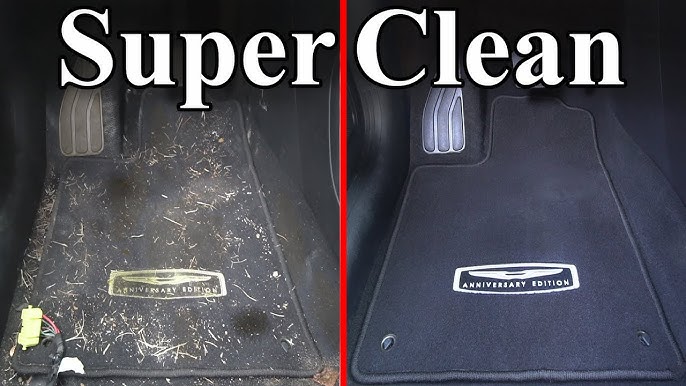
What You Need to Clean Car Carpets by Hand
You do not need an extractor or steam cleaner for most routine car carpet cleaning. The key is to use a small amount of cleaner and lift dirt instead of soaking the carpet.
Gather these supplies before you begin:
• A vacuum cleaner with a crevice tool
• A soft brush or old toothbrush
• Two or three clean microfiber towels
• A bucket of warm water
• Mild dish soap or a pH-neutral carpet cleaner
• White vinegar for some odors and light stains
• Baking soda for dry odor control
• A spray bottle
• Rubber gloves
• A plastic scraper or old gift card
• A fan, if available
A wet-dry vacuum is helpful, but it is not required. This guide focuses on how to clean car carpets without a machine by using towels, brushes, and controlled moisture.
Avoid using laundry detergent, bleach, ammonia, or strong household cleaners. These products can leave residue, fade carpet fibers, or create strong fumes inside a small vehicle cabin.
Prepare the Car Before Cleaning
Good preparation makes the cleaning process faster and helps prevent new stains. Park the car in a shaded, well-ventilated area. Direct sunlight can dry some areas too quickly and may cause uneven fading.
Remove everything from the cabin, including child seats, floor mats, papers, and loose trash. Open the doors and lower the windows when weather allows.
Before using water or cleaner, check the carpet material. Most car carpets are synthetic nylon or polyester, but some vehicles have delicate trim, glued sections, or natural-fiber mats. Look for warning labels on removable mats and test every cleaner on a hidden spot.
Follow these preparation steps:
Remove the floor mats and clean them separately.
Pick up coins, stones, and other hard debris by hand.
Scrape off dried gum, mud, or food with a plastic scraper.
Move the front seats forward and backward to reach hidden areas.
Inspect for wet padding, mold, rust, or signs of a water leak.
Carpet padding can hold water long after the surface feels dry. If the carpet is wet because of a leaking door seal, sunroof, heater core, or air-conditioning drain, cleaning alone will not solve the problem. Find and repair the leak first.

Step-by-Step: How to Clean Car Carpets Without a Machine
The best method uses several light passes. Think of the carpet like a sponge with a thin skin. If you flood it, water travels into the padding. If you clean it in controlled layers, you remove dirt while keeping drying time short.
1. Vacuum the Carpet Thoroughly
Vacuuming is the most important first step. It removes sand, dust, hair, and grit that could turn into mud when mixed with water.
Use the vacuum’s crevice tool around seat rails, door edges, and under the pedals. Make slow passes in more than one direction. For pet hair, wear a rubber glove and rub the carpet lightly before vacuuming again.
If you skip this step, wet dirt can spread across the carpet. In my experience detailing vehicles, dry removal often takes away most of the visible mess before any cleaner is used.
2. Blot Fresh Spills
Fresh spills should be blotted at once. Press a clean towel over the area and lift it straight up. Do not rub back and forth, because rubbing pushes liquid deeper into the fibers and spreads the stain.
Keep changing to a dry part of the towel as it absorbs the spill. For thick substances such as syrup or soft food, scrape away the excess first.
This simple response is especially useful for coffee, soda, milk, and juice. The sooner you remove the liquid, the less chance it has to create an odor in the padding.
3. Mix a Gentle Cleaning Solution
For general dirt, mix:
• Two cups of warm water
• One teaspoon of mild dish soap
• One tablespoon of white vinegar, if odor is also a concern
Stir the mixture well, then place it in a spray bottle. Do not make the carpet wet. Spray the solution onto a towel or soft brush when possible. This gives you better control.
For a store-bought cleaner, choose one labeled for automotive carpet or upholstery. Follow its dilution instructions. More cleaner does not mean a cleaner carpet. Extra soap can leave a sticky film that attracts new dirt.
4. Work in Small Sections
Divide the carpet into sections of about one square foot. Lightly mist one section, then wait about one minute. This gives the solution time to loosen dirt without allowing it to soak into the padding.
Gently brush the area with short strokes. Use a soft or medium brush, not a hard bristle brush. Aggressive scrubbing can rough up carpet fibers and create a lighter-looking patch.
After brushing, press a clean microfiber towel onto the section. Apply firm pressure with your palm to lift moisture and loosened dirt. Repeat the process until the towel picks up little or no soil.
5. Rinse Away Soap Residue
Soap residue can make carpet feel stiff or sticky. To rinse, dampen a fresh microfiber towel with clean water and wring it out well. Wipe the cleaned area once or twice.
Do not pour water onto the carpet. The goal is to remove residue with a barely damp towel, not to flush the carpet like a household rug.
Finish by pressing a dry towel over the section. This step is central to learning how to clean car carpets without a machine because towels take the place of an extractor’s water removal function.
6. Dry the Carpet Completely
Drying is as important as cleaning. Leave the doors or windows open and run a fan toward the carpet. If the weather is warm and dry, park in a bright but shaded area with good airflow.
Press dry towels over damp spots every 15 to 20 minutes during the first hour. Feel the carpet near the edges and under the front seats. Those areas often stay wet longer.
Never close the car while the carpet is still damp. Trapped moisture can cause musty odors, mildew, and fogged windows. If the carpet remains wet after several hours, there may be too much moisture in the padding or an active leak underneath.

How to Remove Common Car Carpet Stains
Different stains need different treatment. Always blot first, test the cleaner, and use the mildest method that works.
Coffee and Tea
Blot fresh coffee with a dry towel. Then use a lightly damp cloth with the mild soap solution. Work from the outside of the stain toward the center to prevent a dark ring.
If milk or cream was present, cleaning is especially important because dairy residue can create an odor. Use a clean water-dampened towel after cleaning to remove soap and organic residue.
Soda and Juice
Sugary drinks leave a sticky film. Blot as much liquid as possible, then use warm water with a very small amount of mild soap.
Rinse the area with a clean, damp towel. Repeat the rinse step if the carpet still feels tacky after drying.
Grease and Oil
Do not begin with water alone. Carefully blot fresh oil with a paper towel. Apply a small amount of baking soda or cornstarch to the spot and let it sit for 15 to 30 minutes.
Vacuum the powder, then use a tiny amount of dish soap on a damp cloth. Dish soap can break down grease, but too much may leave a residue. Repeat in small steps rather than soaking the area.
Mud and Dirt
Let wet mud dry before cleaning. Once dry, loosen it with a soft brush and vacuum slowly.
For remaining marks, use the mild soap solution and a microfiber towel. Cleaning wet mud too soon often spreads it into a larger stain.
Gum and Wax
Place a sealed bag of ice over the gum or wax for several minutes. Once it becomes hard, lift it gently with a plastic scraper.
Avoid knives or metal tools. They can cut carpet fibers or damage the floor beneath the carpet.
Pet Vomit or Organic Stains
Remove solids with paper towels and wear gloves. Blot liquid without rubbing. Use an enzyme cleaner labeled for automotive upholstery if the product directions allow it.
Enzyme cleaners can help break down organic residue, but they still must be used sparingly. Follow the label and test the product first. If a strong odor continues, the padding may be contaminated beneath the surface.
Ink
Blot ink with a dry towel. Do not spread it with water. Some ink stains respond to a small amount of isopropyl alcohol on a cotton swab, but alcohol can affect dyes, adhesives, and nearby plastic.
Test in a hidden place first. Use tiny amounts and blot immediately. If the stain is large, professional detailing may be safer.
How to Remove Odors From Car Carpets
Odors often come from residue, moisture, food, pet accidents, or a hidden leak. Spraying fragrance over the problem only covers it for a short time.
Start by cleaning the source of the odor. Check under the seats, inside floor mat grooves, beneath the spare tire, and around the trunk carpet. Food wrappers and damp items can create surprisingly strong smells.
For light odors, sprinkle a thin layer of baking soda over dry carpet. Leave it for several hours or overnight, then vacuum slowly. Keep baking soda away from electrical connectors and avoid using large amounts.
For musty smells, improve ventilation and inspect for damp padding. White vinegar may reduce some odors, but it is not a cure for mold. If you see widespread mold, have the interior assessed by a professional, because disturbing mold can spread spores.
Ozone generators are sometimes used by professionals, but they can irritate the lungs and damage rubber, leather, and some plastics if misused. They should not be treated as a simple home deodorizer.

Cleaning Removable Car Floor Mats by Hand
Removable floor mats are easier to clean because you can take them outside. First, shake them gently and vacuum both sides.
For fabric mats, apply a small amount of cleaning solution and brush in several directions. Blot with towels, then rinse with a clean, damp cloth. Hang the mats or lay them flat in a ventilated place until fully dry.
For rubber or all-weather mats, use warm water and mild soap. Scrub the grooves with a brush and rinse them outdoors. Dry the mats before putting them back into the car.
Check the underside before reinstalling each mat. A wet underside can trap moisture against the vehicle’s carpet. Also make sure the driver’s mat is secured correctly and cannot slide under the pedals.
Mistakes to Avoid When Cleaning Car Carpet
Knowing what not to do is just as useful as knowing how to clean car carpets without a machine. Most interior damage comes from excess water, harsh chemicals, or aggressive scrubbing.
Avoid these common mistakes:
• Soaking the carpet with a bucket of water
• Scrubbing hard enough to pull or flatten fibers
• Using bleach to remove stains
• Mixing different cleaning chemicals
• Applying fragrance before removing the odor source
• Closing the doors while the carpet is damp
• Using a colored towel that can transfer dye
• Ignoring water leaks beneath the carpet
• Using a steam iron or household steamer near plastic trim
• Forgetting to rinse away soap residue
One mistake I have seen often is using too much detergent because the carpet looks very dirty. The owner then spends more time removing sticky soap than removing the original stain. A light solution and several towel passes usually work better.
There are also limits to hand cleaning. Old dye stains, deeply embedded oil, mold, and waterlogged padding may require professional extraction or carpet replacement. Machine-free cleaning is excellent for maintenance and small to medium messes, but it cannot repair damaged materials.

How Often Should You Clean Car Carpets?
Clean your car carpets when they look dirty, feel sticky, or develop an odor. For most vehicles, a light vacuum once a week helps prevent grit from working into the fibers.
Use this simple schedule:
• Vacuum weekly if the car receives regular use
• Spot-clean spills as soon as they happen
• Deep-clean fabric carpets every three to six months
• Clean mats more often during rain, snow, or muddy seasons
• Inspect for moisture after heavy rain or car washing
Drivers with pets, children, or allergies may need to clean more often. Floor mats and high-traffic areas usually need attention before the rest of the carpet.
Regular care is easier than restoring neglected carpet. It is similar to brushing your teeth: small, frequent work prevents a larger problem later.
Safety Tips for Interior Carpet Cleaning
Safety matters because car interiors contain wiring, airbags, seat sensors, and electrical connectors. Keep liquid away from seat controls, airbag panels, fuse areas, and exposed wiring.
Never spray cleaner directly onto dashboard vents, seat belt mechanisms, or electrical switches. Spray the towel instead. If a seat has ventilation or heating controls, use very little moisture around the seat base.
Wear gloves when cleaning bodily fluids, pet accidents, or unknown substances. Wash your hands after the job, even if you wore gloves.
If you notice a sweet smell, greasy film, unexplained dampness, or liquid under the carpet, stop and investigate. A sweet odor can indicate coolant, while clear water may come from a blocked air-conditioning drain or damaged seal. These issues need repair, not just deodorizing.
Frequently Asked Questions About How to Clean Car Carpets Without a Machine
Can I clean car carpet with dish soap?
Yes, but use only a small amount. Mix about one teaspoon with two cups of warm water, apply it lightly, and wipe the area with a clean damp towel to remove residue.
How do I dry car carpet quickly without a machine?
Open the doors and windows, use a fan, and press dry microfiber towels over the carpet. Avoid closing the car until the carpet and padding feel completely dry.
Can I use vinegar to clean car carpets?
A diluted vinegar solution may help with light odors and some stains. Test it first, avoid over-wetting, and never mix vinegar with bleach or other chemical cleaners.
How do I clean car carpet that smells musty?
Find and remove the moisture source before deodorizing. Clean the carpet lightly, dry it with strong airflow, and inspect the padding for mold or water damage.
Is baking soda safe for car carpet?
Baking soda is generally safe on dry synthetic carpet when used in a thin layer. Vacuum it fully afterward and keep it away from electrical parts, seat tracks, and damp areas.
How often should I deep-clean my car carpet?
Many cars benefit from hand cleaning every three to six months. Clean sooner if you carry pets, children, food, or muddy items in the vehicle.
Conclusion
Learning how to clean car carpets without a machine is mostly about control. Vacuum first, treat stains gently, use limited moisture, rinse away residue, and dry the carpet completely. These steps can handle daily dirt, spills, odors, and many common stains without expensive equipment.
Take your time and clean one small section at a time. If the carpet stays wet, smells strongly, shows mold, or has damage beneath the surface, address the underlying problem or contact a professional detailer. Try this method during your next interior cleanup, then share your results or explore more practical car-care guides.