

Use clean tools, plenty of water, gentle soap, and a top-to-bottom wash method to prevent paint scratches.
Learning how to wash a car without scratching the paint is less about scrubbing hard and more about controlling dirt. Fine dust, sand, and road grit can act like tiny pieces of sandpaper when trapped in a wash mitt or towel. With the right order, tools, and touch, you can keep your car clean while protecting its clear coat and gloss.
Why Car Washing Can Scratch Paint
Most modern vehicles have a clear coat over the colored paint. This clear layer adds shine and protects the color beneath it, but it can still develop fine swirl marks from poor washing habits.
Scratches often happen when loose dirt gets dragged across the surface. The risk is higher when you use a dirty sponge, an old bath towel, or one bucket for the whole car.
Common causes include:
• Washing in direct sun, which dries soap and dirt on the paint
• Using a rough brush or automatic car wash brush
• Scrubbing dry dirt before rinsing
• Dropping a wash mitt and using it again without cleaning it
• Reusing a dirty drying towel
• Pressing too hard while washing
• Using household cleaners that strip protection or leave residue
Think of the dirt on your car as grit on a table. You would not rub that grit across a glass screen. The same idea applies to automotive paint.
Supplies You Need for a Safe Car Wash
The right supplies make learning how to wash a car without scratching the paint much easier. You do not need an expensive detailing setup, but you do need tools that hold dirt away from the surface.
Gather these items before you start:
• Two large buckets, preferably with grit guards
• A pH-balanced car wash soap
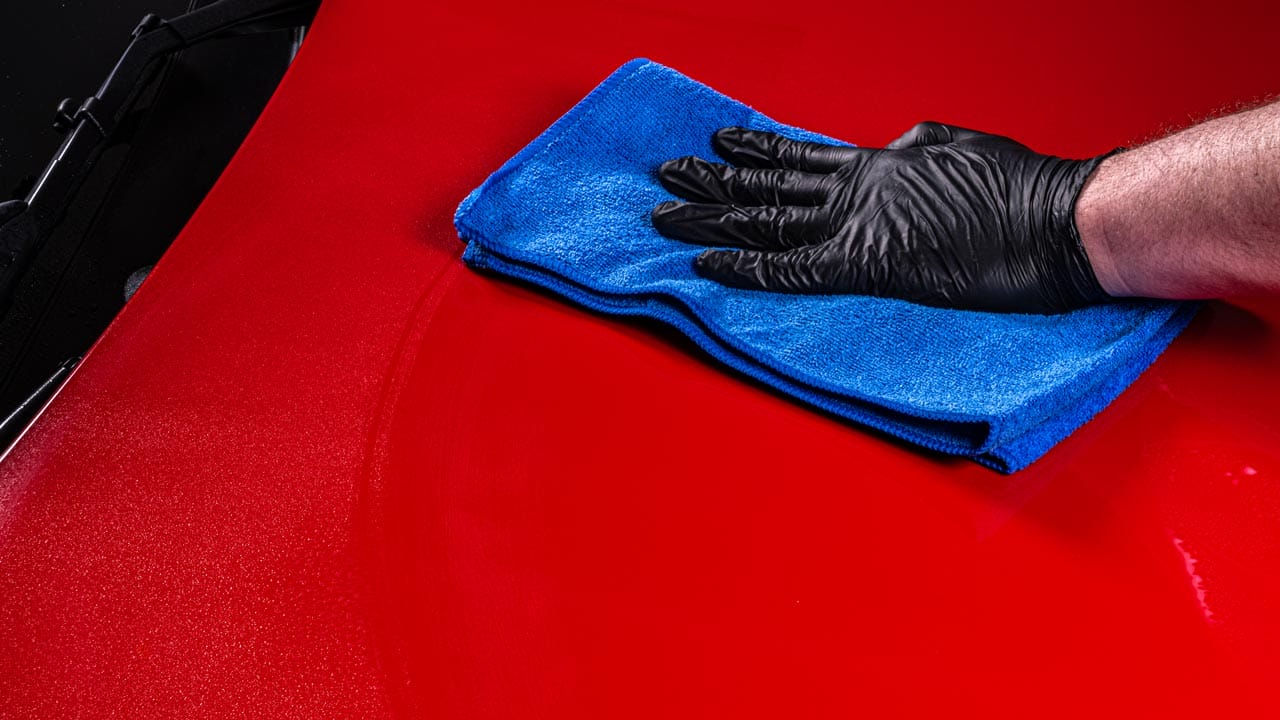
• A clean microfiber wash mitt
• A separate mitt or brush for the wheels
• A soft wheel brush for tight areas
• A garden hose with a gentle spray nozzle
• Several clean, plush microfiber drying towels
• A spray wax, drying aid, or quick detailer if desired
• Nitrile gloves, if you have sensitive skin
A microfiber wash mitt is safer than a standard sponge because its fibers help lift and hold grit. A grit guard gives dirt a place to settle at the bottom of the bucket instead of letting it return to your mitt.
Use separate tools for the wheels. Brake dust can contain sharp metal particles, and those particles should never touch painted panels.
Choose a soap made for cars. Car wash soap is designed to clean road film while being safer for clear coats, waxes, and sealants. Dish soap may remove protective products and can leave the surface feeling dry, although using it once in an emergency is unlikely to ruin a healthy finish.
Prepare the Car and Washing Area
Preparation is one of the most important parts of how to wash a car without scratching the paint. Park in shade if possible, and make sure the body panels are cool to the touch.
Avoid washing under a hot midday sun. Heat causes water and soap to evaporate quickly, which can leave mineral spots and dried soap on the finish.
Before touching the paint:
Close the windows, doors, trunk, and sunroof.
Remove watches, rings, and bracelets that could contact the body.
Place the buckets in a stable spot where they will not tip over.
Mix car soap according to the label.
Keep your clean and dirty tools separate.
Check the forecast if you are washing outdoors.
If the car has heavy mud, let it soften first. Never attack thick mud with a dry towel or wash mitt. Dry mud can contain small rocks that scratch the clear coat.
A shaded driveway is ideal. If shade is not available, wash one small section at a time and rinse it before the water dries.
Rinse Away Loose Dirt First
A strong rinse removes loose dust, sand, and road grit before your wash mitt touches the car. This first rinse greatly lowers the chance of dragging abrasive particles across the paint.
Start at the roof and work downward. Water flowing from the top helps move dirt toward the ground instead of spreading it over clean areas.
Pay extra attention to:
• The lower doors
• Wheel arches
• Rocker panels
• The rear bumper
• The front grille
• Areas behind the wheels
These places collect the heaviest road film. Use a hose with a broad, gentle stream. A pressure washer can also work, but keep the nozzle at a safe distance and avoid damaged paint, loose trim, sensors, and rubber seals.
A pressure washer does not replace careful washing. It removes loose dirt, but it may not remove oily traffic film or stuck-on grime. It can also damage fragile trim if used too close.
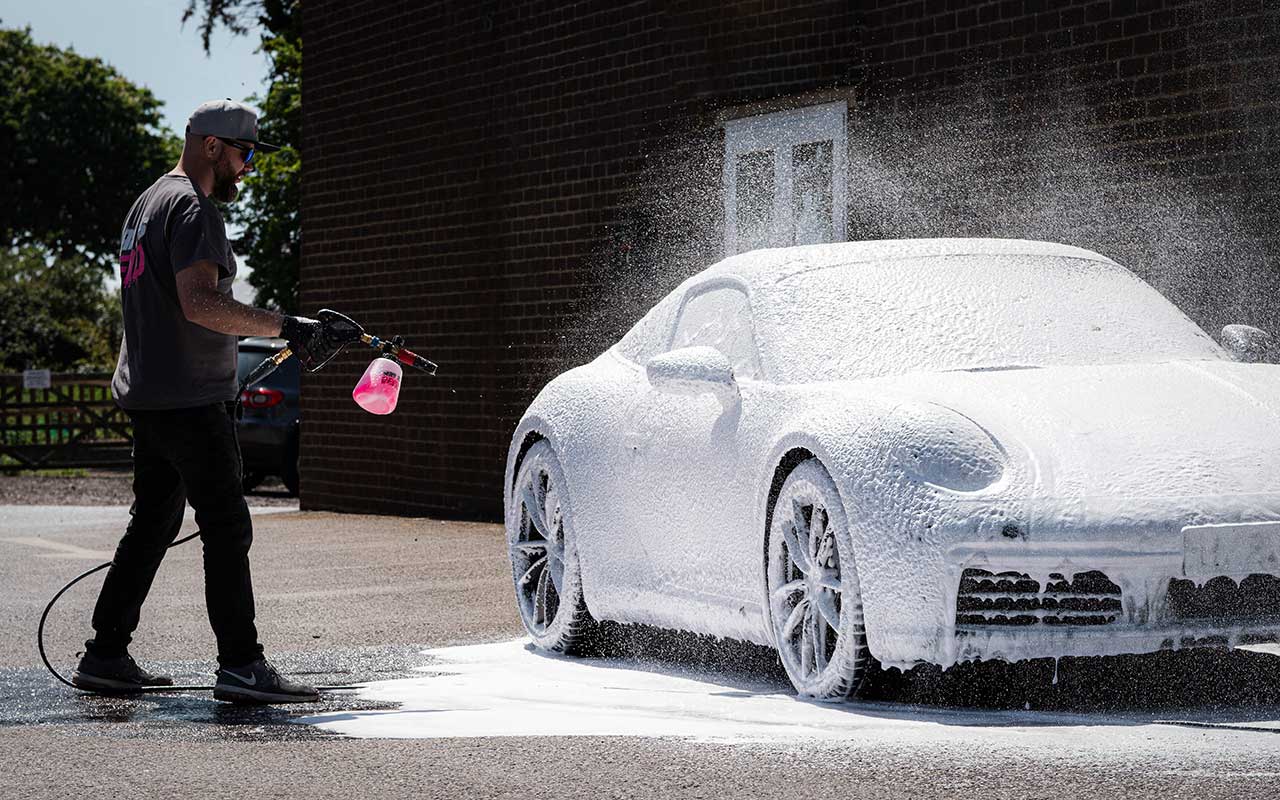
For very dirty vehicles, consider a prewash foam or dedicated prewash cleaner. Let the product dwell as directed, then rinse it away. Never let cleaning chemicals dry on the paint.

Use the Two-Bucket Wash Method
The two-bucket method is a simple way to reduce scratches. One bucket holds clean water for rinsing the mitt. The other holds your car wash solution.
Follow these steps:
Dip the mitt into the soap bucket.
Wash a small area using light pressure.
Rinse the mitt in the clean-water bucket.
Rub the mitt against the grit guard if you have one.
Return the clean mitt to the soap bucket.
Move to the next section.
The rinse bucket is important because it removes trapped dirt before the mitt returns to the car. If you use one bucket, the water can become dirty quickly and spread grit across every panel.
Wash the car in small sections. A good order is:
• Roof
• Glass
• Hood and trunk
• Upper side panels
• Lower side panels
• Front and rear bumpers
• Wheels and tires
Use straight, gentle passes rather than tight circles. Straight passes make any accidental marks easier to spot and correct. Do not scrub a spot repeatedly. If grime remains, rinse it, apply more soap, and try again with less pressure.

Wash From Top to Bottom
The top of the car is usually cleaner than the bottom. Washing from top to bottom keeps the dirtiest water and tools away from areas you have already cleaned.
Begin with the roof, then move to the windows, hood, trunk, and upper doors. Leave the lower panels and bumpers for last.
Use a separate mitt for the lowest sections if the car is heavily soiled. This small habit is one of the best ways to wash a car without scratching the paint.
Keep the mitt flat against the surface. Let the soap and microfiber fibers do the work. Your hand should guide the mitt, not force it into the paint.
Avoid leaning against the car. Clothing can carry dust, metal fibers, or grit. Also, do not place bottles, towels, or tools on the hood or roof unless the surface is protected from dirt.
Rinse each panel after washing if the weather is warm. This prevents soap from drying and gives you a chance to check for missed areas.
Clean Wheels and Tires Safely
Wheels should usually be washed after the main paintwork. They hold brake dust, road salt, tar, and oily grime, so wheel tools should never be used on the body.
First, rinse the wheels and tires. Then apply a wheel cleaner that matches the wheel finish. Some products are safe for clear-coated wheels but too strong for polished aluminum, anodized surfaces, or damaged finishes.
Use:
• A dedicated wheel mitt
• A soft wheel brush
• A firm tire brush for rubber sidewalls
• A separate bucket or wheel-cleaning solution
Clean one wheel at a time, then rinse it well. Do not allow wheel cleaner to dry. If the wheels are hot, wait until they cool before applying chemicals.
Brake dust can be stubborn. More pressure is not always the answer. A longer dwell time, better agitation, and repeated rinsing are usually safer than aggressive scrubbing.

Rinse the Car Thoroughly
After washing, rinse the entire vehicle from top to bottom. Make sure no soap remains around mirrors, badges, door handles, trim, and panel gaps.
A gentle final rinse can help water sheet off the paint. You can remove the spray nozzle and allow a smooth stream of water to flow over the panels. This leaves fewer water droplets behind.
Do not let rinse water dry on the car. Water spots form when minerals remain after evaporation. Hard water creates this problem more often than soft water.
If you cannot dry the vehicle right away, keep the surface wet and work quickly. A second person can rinse while you dry, which makes the process easier on a hot day.
Dry the Paint Without Leaving Swirl Marks
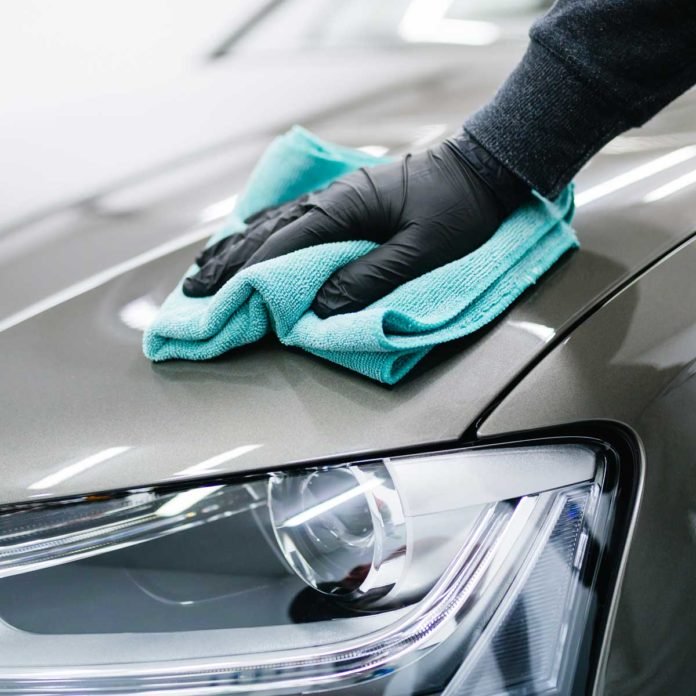
Drying is a key part of how to wash a car without scratching the paint. A clean car can still develop marks if you drag a dirty or rough towel across the surface.
Use large, soft microfiber drying towels. Look for towels made for automotive drying, with a plush or twisted-loop texture. Wash them separately from household laundry, and avoid fabric softener because it can reduce absorbency.
Safe drying methods include:
• Lay the towel flat and gently pull it across the panel
• Pat the surface dry without rubbing
• Use a clean air blower to remove water from mirrors and trim
• Apply a drying aid to add lubrication while drying
Start with the glass and upper panels. Use a fresh towel when the first towel becomes damp or picks up dirt.
Pay attention to water trapped in:
• Side mirrors
• Door handles
• Badges
• Grilles
• Windshield wipers
• Body seams
Water dripping from these areas can create new spots after you finish drying.
Never use a bath towel, paper towel, old T-shirt, or kitchen cloth. These materials may be too rough, too thin, or likely to hold particles that can mark the clear coat.
Remove Stuck-On Contamination Carefully
Some contamination does not come off during a normal wash. Tree sap, bird droppings, bug remains, tar, and road paint need special care.
Do not scrape these materials with a razor, fingernail, credit card, or dry towel. Soak the area with car wash solution or use a product made for that type of contamination.
For bird droppings, place a wet microfiber towel over the spot for several minutes. This softens the material and reduces the need for rubbing. Bird waste can be acidic, so remove it as soon as practical.
Use a tar remover only as directed. Test it on a small, hidden area first. Afterward, wash the area again because some removers can affect wax or sealant.
A clay bar or synthetic clay mitt can remove bonded particles after washing, but it is not part of every routine wash. It may create light marring if used without plenty of lubrication or if the surface is dirty. If you use clay, work gently and follow with a polish or paint protection product when needed.
Protect the Paint After Washing
Paint protection is not required for a safe wash, but it makes future cleaning easier. Wax, paint sealants, and ceramic coatings can help water bead and reduce the amount of dirt that sticks to the surface.
Common choices include:
• Spray wax for quick application
• Paste or liquid wax for traditional protection
• Paint sealants for longer durability
• Ceramic coatings for strong chemical and water resistance
Protection does not make paint scratch-proof. A ceramic coating is not a shield against careless washing, gravel, or deep scratches. You still need clean tools and gentle technique.
Apply products to a cool, clean surface. Follow the product directions, especially for cure time and removal. Using too much product can create streaks and make buffing harder.
A simple spray sealant used every few washes may be enough for many daily drivers. The best protection is the one you can apply correctly and maintain consistently.
Mistakes That Cause Paint Swirls
Many paint problems come from small habits repeated over time. Avoiding these mistakes makes how to wash a car without scratching the paint much easier.
Do not:
• Use a single dirty sponge on the entire car
• Wash in circles with heavy pressure
• Wipe dry dust from the paint
• Use the same towel for wheels and paint
• Drop a mitt and keep using it
• Leave soap or water to dry in the sun
• Use a stiff brush on clear-coated paint
• Wipe bird droppings while they are dry
• Dry the car with a towel that touched the ground
• Assume a touchless wash removes every type of dirt
Automatic brush washes are especially risky because the brushes may carry grit from many vehicles. Touchless washes are safer from a physical contact standpoint, but strong chemicals and high pressure can affect wax, trim, or older paint. They may also leave a film that requires careful hand cleaning later.
How Often Should You Wash Your Car?
Wash frequency depends on where and how you drive. A car used near the coast, on salted winter roads, or under trees may need more frequent care than a garage-kept weekend vehicle.
As a general guide:
• Wash every one to two weeks for normal daily driving
• Rinse sooner after driving on salted roads
• Remove bird droppings and bugs as soon as possible
• Wash after heavy mud or construction dust
• Clean wheels more often if brake dust builds up quickly
Waiting too long allows contamination to bond to the surface. Washing too often with poor technique can also create marks. The method matters more than the exact schedule.
If the car is only lightly dusty, a normal wash is safer than wiping it with a dry towel. For light dust on a protected car, a rinseless wash may work, but it requires strict towel control and plenty of solution.
Rinseless and Waterless Car Washing
A rinseless wash uses a special solution that suspends dirt in the liquid. It needs less water than a traditional wash and can be useful in apartments, garages, or areas with water restrictions.
To use one safely:
Mix the solution at the stated dilution.
Use many clean microfiber towels.
Soak each towel fully.
Clean a very small section at a time.
Fold the towel to expose a clean side.
Never reuse a dirty side on another panel.
A waterless wash uses even less water, but it is best for a lightly dusty, well-protected vehicle. It is not a good choice for thick mud, heavy sand, or greasy road film.
When in doubt, use a traditional rinse and wash. More water is often the safer option when the car has visible grit.
A Practical Scratch-Free Wash Routine
Here is a simple routine you can follow at home:
Park in shade and let the paint cool.
Prepare two buckets with car soap and clean rinse water.
Clean the wheels with separate tools.
Rinse the entire car from top to bottom.
Wash the roof and upper panels first.
Rinse the mitt after every small section.
Wash lower panels and bumpers last.
Rinse the car thoroughly.
Dry with clean microfiber towels or forced air.
Check the paint in good light for missed soap or water spots.
Apply a spray sealant or drying aid if desired.
Wash and store your tools after the job.
This process may take 30 to 60 minutes, depending on the vehicle and its condition. Rushing often creates more work later because missed soap, streaks, and water spots are harder to correct.
Frequently Asked Questions About How to Wash a Car Without Scratching the Paint
What is the safest way to wash a car at home?
The safest method is a thorough pre-rinse, a pH-balanced car soap, a clean microfiber mitt, and the two-bucket method. Wash from top to bottom with light pressure, then dry with clean microfiber towels.
Can I wash my car with dish soap?
Dish soap can remove wax and other paint protection, so it is not the best choice for regular washing. Use a soap designed for automotive paint to clean the surface while preserving its protection.
Is a sponge bad for car paint?
A soft automotive sponge may be safe when it is clean and used correctly, but many household sponges trap grit against the paint. A microfiber wash mitt is usually a safer and more forgiving option.
Should I wash my car in direct sunlight?
It is better to wash in shade because sunlight heats the panels and dries soap or water before you can rinse and dry them. If shade is not available, work in small sections and keep the surface wet.
How do I dry my car without scratching it?
Use a clean, soft microfiber drying towel and pat or gently pull it across the surface. Do not use rough household towels, and replace the towel when it becomes dirty or saturated.
Does a pressure washer scratch car paint?
A pressure washer usually does not scratch healthy paint when used correctly, but a close, powerful spray can damage weak paint, trim, decals, or clear coat defects. Keep a safe distance and use it mainly to remove loose dirt.
Can I use one bucket to wash my car?
You can, but one bucket becomes dirty faster and may return grit to the paint. Two buckets, with one reserved for rinsing the mitt, offer better control and reduce the risk of wash-induced marks.
Conclusion
The best way to wash a car without scratching the paint is to remove loose dirt before contact, use clean microfiber tools, separate wheel equipment, and wash from top to bottom. Light pressure, frequent mitt rinsing, shade, and careful drying protect the clear coat far better than aggressive scrubbing.
Start with the tools you have, improve your process one step at a time, and inspect your towels before every wash. Put this routine into practice on your next wash, then explore paint sealants and safe detailing methods to keep your vehicle glossy for years.