

All-terrain tires are best for U.S. drivers who split their time between paved roads and light off-road travel. They work well on highways, gravel roads, dirt trails, construction sites, farms, campsites, and mild snow. Their tread gives more grip than a standard highway tire, while their road manners are better than those of a mud-terrain tire.
The trade-off is simple: all-terrain tires offer versatility, not peak performance in one setting. They may be noisier than highway tires, use more fuel, and wear faster on pavement. They also cannot replace dedicated winter tires for severe ice and deep snow.

What Are All-Terrain Tires Best For?
All-terrain tires are best for mixed driving where the vehicle regularly moves between pavement and uneven surfaces. They suit pickup trucks, SUVs, and some crossovers used for daily travel, towing, camping, hunting, work, and mild trail use.
They are a strong fit for:
- Paved roads with occasional gravel or dirt
- Graded forest and desert roads
- Farm and ranch roads
- Construction and utility sites
- Rocky or rutted access roads
- Camping and overlanding routes
- Light to moderate snow
- Drivers who want one tire for several types of travel
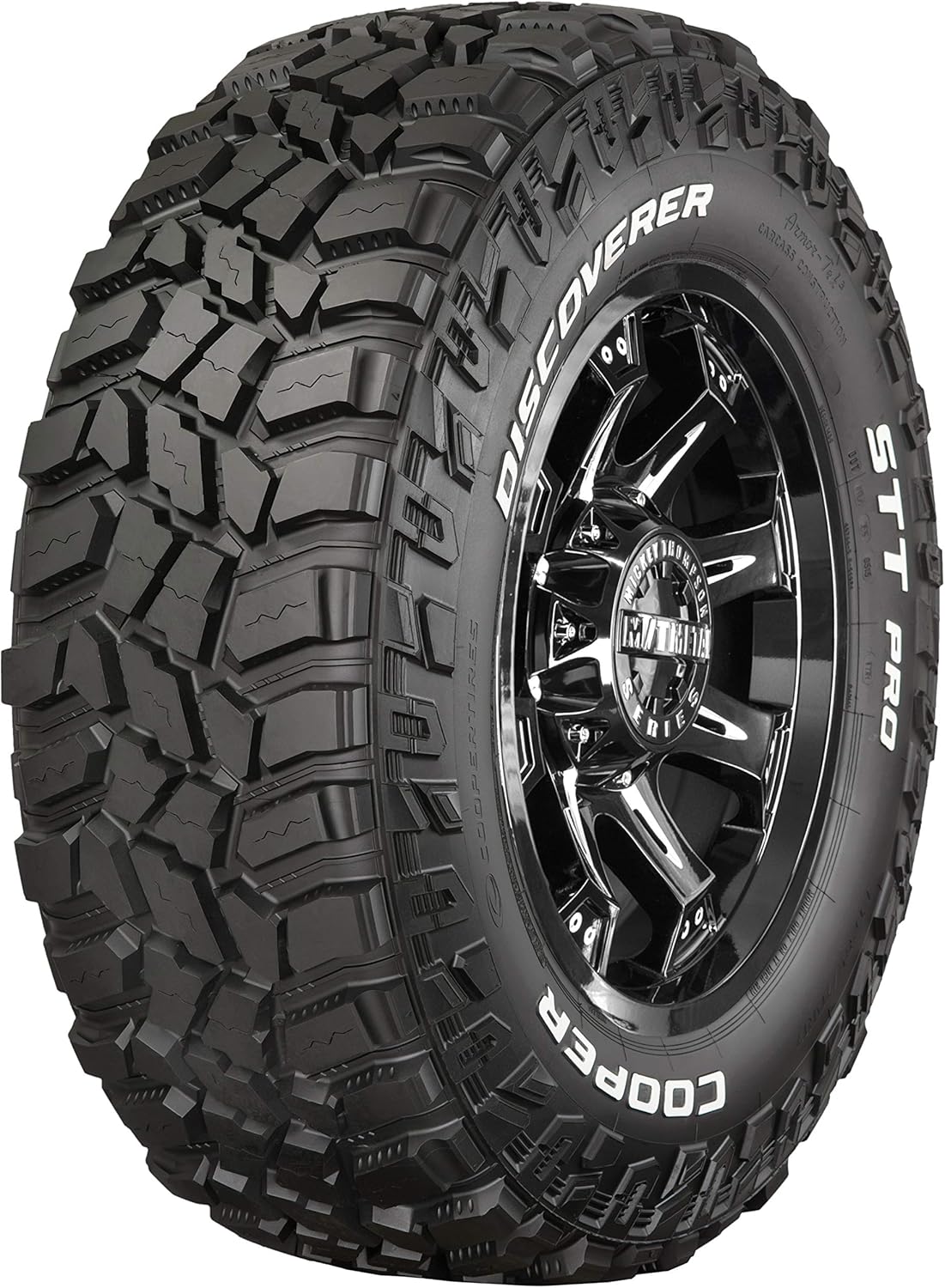
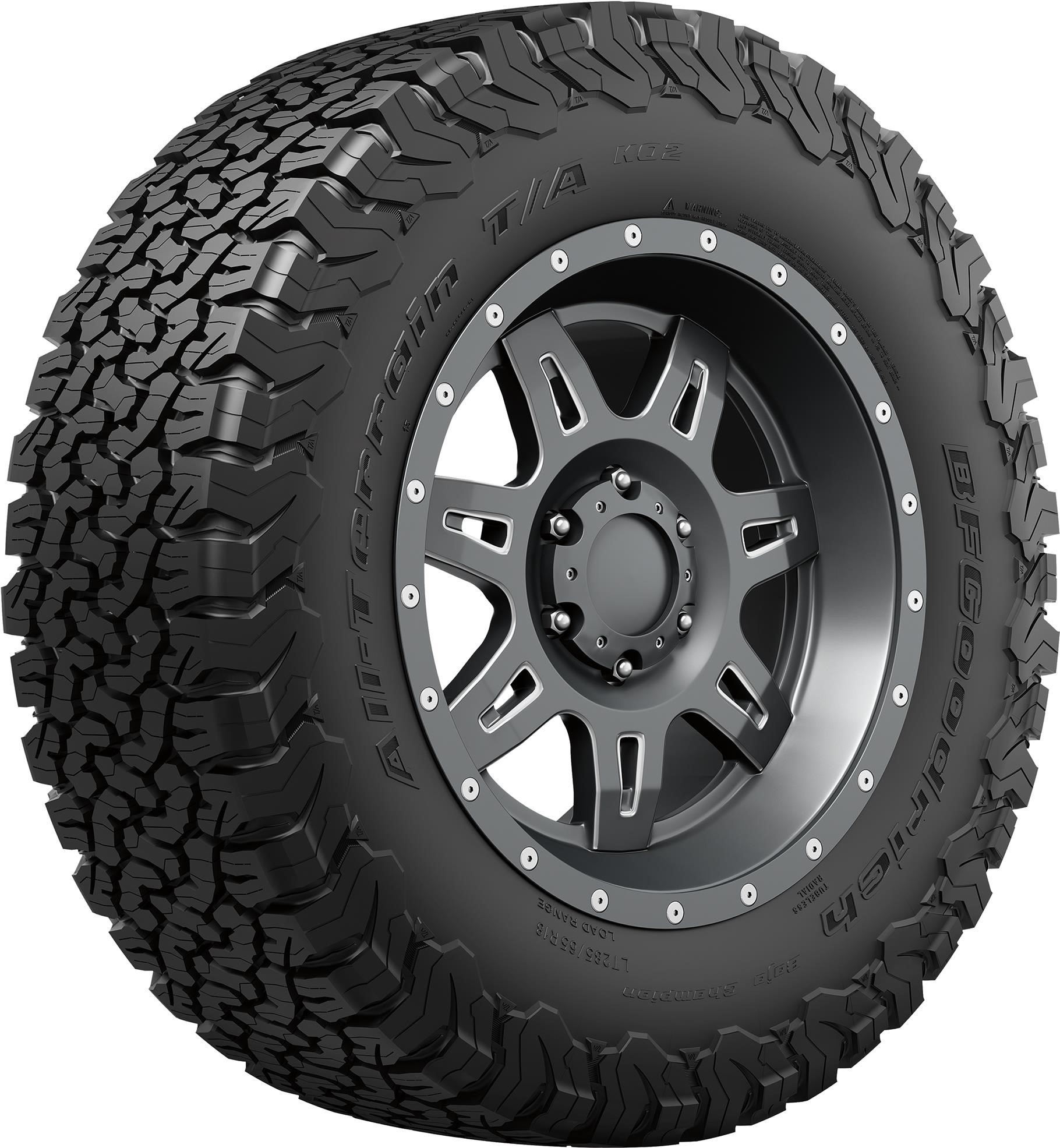
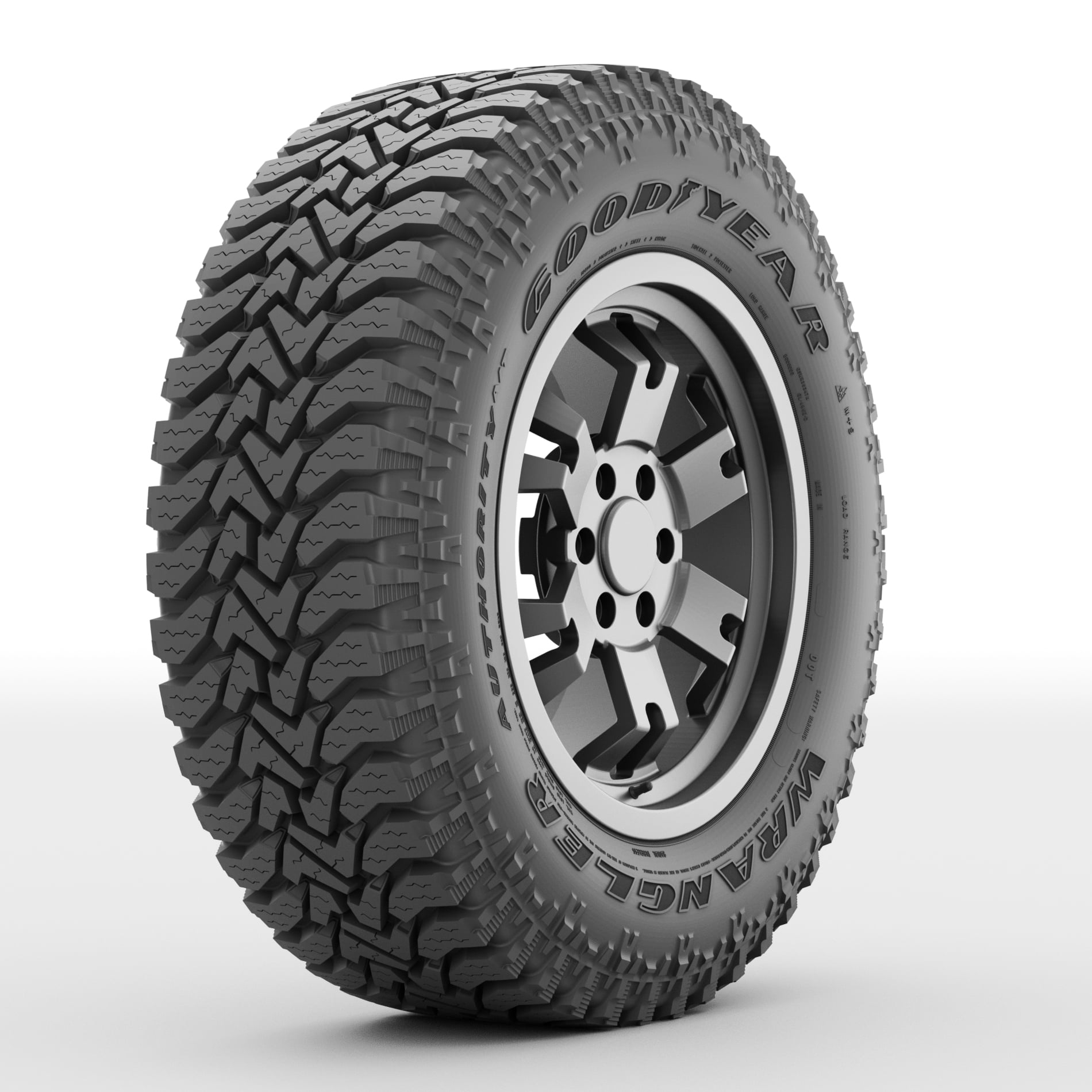
An all-terrain tire uses a more open tread than a highway tire. This design helps the tire clear loose dirt, gravel, and some mud from the contact area. Stronger sidewalls may also help resist damage from rocks and sharp trail debris.
Still, an all-terrain tire is not a universal off-road tire. Deep mud, soft sand, large rocks, and icy roads may call for a different tire type or driving setup.

How Do All-Terrain Tires Differ From Other Tire Types?
The main difference is the balance between road comfort and off-road traction. No tire performs equally well on every surface, so the best choice depends on where and how you drive.
| Tire type | Best use | Main strengths | Main limits |
|---|---|---|---|
| Highway terrain | Mostly paved roads | Quiet ride, good fuel economy, long tread life | Limited loose-surface grip |
| All-terrain | Pavement and light to moderate off-road use | Balanced traction and road handling | More noise and rolling resistance |
| Mud-terrain | Deep mud and rough trails | Open tread and strong loose-surface grip | Loud, less comfortable, weaker wet-road manners |
| Winter tire | Snow, ice, and very cold weather | Better cold-weather grip and braking | Seasonal use and faster wear in warm weather |
| All-weather tire | Road use with winter capability | Better snow performance than many all-season tires | Not built for serious off-road use |
Highway tires usually have closely spaced tread blocks and firm road-focused designs. They are often the better choice when off-road driving is rare.
Mud-terrain tires have large gaps between tread blocks. Those gaps help release mud, but they can create more noise and less stable handling on dry pavement.
All-terrain tires sit between these designs. They add off-road ability without giving up as much highway comfort.

Are All-Terrain Tires Good for Highway Driving?
All-terrain tires can be good for highway driving, especially when the tire has a road-focused tread pattern. They are common on full-size pickups and SUVs that travel long distances but also need access to job sites, trails, or unpaved roads.
Compared with highway tires, all-terrain tires may produce:
- More tread noise
- A firmer ride
- Slightly slower steering response
- Lower fuel economy
- Different wet-road behavior
The difference depends on the tire’s design, size, load range, and inflation pressure. A mild all-terrain tire may feel close to a highway tire. An aggressive all-terrain tire can sound and feel much more rugged.
Check the tire’s service description before buying. A tire with a higher load range may support more weight, but it can also ride more firmly. Do not choose a heavier tire solely because it looks stronger. Match the tire to the vehicle, payload, trailer, and wheel specifications.
The vehicle owner’s manual remains the main source for the correct tire size, load rating, speed rating, and cold inflation pressure. The pressure printed on the tire sidewall is usually the maximum allowed pressure, not the vehicle’s recommended setting. The National Highway Traffic Safety Administration provides general tire safety guidance for U.S. drivers.
Are All-Terrain Tires Good in Snow and Ice?
All-terrain tires can perform well in light or moderate snow, but their snow ability varies greatly. Tread depth and open grooves help move snow, yet those features do not make every all-terrain tire a winter tire.
Look for the Three-Peak Mountain Snowflake symbol, also called the 3PMSF symbol, if winter traction matters. This symbol indicates that the tire meets a defined snow-traction performance requirement under an industry test. It does not mean the tire is best on ice, nor does it guarantee equal performance in every storm.
The mountain-and-snowflake symbol looks like this:
- A three-peaked mountain
- A snowflake inside the mountain
The M+S marking, which means mud and snow, has a lower meaning. It does not provide the same severe-snow performance indication as the 3PMSF marking.
For frequent winter driving in places such as Colorado, Montana, Michigan, Minnesota, or upstate New York, dedicated winter tires may still provide better cold-weather traction. Winter tires use rubber compounds designed to stay flexible at low temperatures. All-terrain tires may become less effective as temperatures fall, even when their tread looks aggressive.
No tire removes the need for slower speeds and longer following distances on snow or ice. Four-wheel drive can help a vehicle move forward, but it does not provide the same benefit when braking.

Can All-Terrain Tires Handle Mud, Sand, and Rocks?
All-terrain tires can handle mild mud, firm sand, gravel, and rocky roads. Their performance depends on tread design, sidewall construction, vehicle weight, tire pressure, and driver technique.
Mud
All-terrain tires work best in shallow or moderately loose mud. Their grooves can shed some mud as the tire turns. However, narrow grooves may pack with thick clay, reducing grip.
For frequent deep mud, a mud-terrain tire may work better. Even then, mud tires are not a guarantee of recovery. A winch, recovery points, traction boards, and safe recovery practices may matter more than tread style.
Sand
All-terrain tires can work on firm sand and short sandy sections. Soft beach sand and dunes are more demanding. Many drivers reduce tire pressure off-road to increase the tire’s contact patch, but this must be done carefully.
Lower pressure can improve flotation. It can also increase the risk of:
- Bead separation
- Sidewall damage
- Tire unseating
- Wheel damage
- Excess heat if speed remains high
Use the tire maker’s guidance for off-road pressure. Drive slowly, avoid sharp turns, and restore normal road pressure before returning to public roads. Never use reduced off-road pressure for normal highway speed.
Rocks
All-terrain tires can manage mild rock trails when driven with care. Strong sidewalls and deeper tread can offer added protection from sharp edges.
They remain vulnerable to cuts and punctures. Pick a line that avoids sharp rock faces when possible. A full-size spare, tire plug kit, air compressor, and pressure gauge are useful equipment for remote travel.

What Are the Main Benefits of All-Terrain Tires?
The main benefit is balance. All-terrain tires give a vehicle more surface versatility without forcing the owner to accept the harsh road behavior of an extreme off-road tire.
Key advantages include:
- Better loose-surface grip than most highway tires
- More stable travel on gravel and dirt
- Added sidewall protection on some designs
- Useful traction for light snow
- One-tire convenience for mixed driving
- Greater confidence on rough access roads
- A rugged design suited to trucks and SUVs
They can also reduce the need to change between highway and off-road tires. That convenience may matter to a driver who uses a truck for work during the week and camping on weekends.
The gain is not free. Open tread blocks can flex more on pavement. That can increase noise and reduce steering precision. Larger wheels and heavier tire construction can add to the effect.
A good all-terrain tire should match the actual use. A driver who spends 95% of the time on pavement may gain little from the most aggressive tread available.
What Are the Drawbacks of All-Terrain Tires?
The main drawbacks are noise, fuel use, ride quality, and possible loss of pavement performance. These effects vary by tire, but they should be part of the decision.
More road noise
The open tread can create a humming sound. The noise may increase as the tire wears or develops uneven tread wear.
Lower fuel economy
A larger, heavier, or more aggressive tire can increase rolling resistance. The engine may need more energy to move the vehicle. The change is not the same for every vehicle or tire, so treat fuel loss as a possibility rather than a fixed percentage.
Less precise handling
Tall tread blocks may move slightly during cornering. The steering can feel less sharp than it does with a highway tire.
Possible wet-road trade-offs
Some all-terrain designs perform well in rain. Others may not brake or corner as well as a road-focused tire on wet pavement. Read independent test results for the exact tire model when wet-road safety is a priority.
Faster or uneven wear
Incorrect pressure, poor alignment, worn suspension parts, and infrequent tire rotation can cause uneven wear. The U.S. Tire Manufacturers Association recommends regular inspection and proper maintenance.

How Should You Choose All-Terrain Tires?
Choose all-terrain tires by matching the tire to your road use, vehicle, load, and climate. Start with the vehicle, not the most aggressive tread pattern.
1. Estimate your surface mix
Ask how often you drive on:
- Dry pavement
- Wet pavement
- Gravel
- Dirt
- Mud
- Sand
- Rocks
- Snow and ice
A simple example:
If you drive 12,000 miles per year and only 1,000 miles are off-road, a mild all-terrain tire may make more sense than an aggressive design.
This is a planning example, not a universal rule. The severity of the off-road trips matters as much as the mileage.
2. Confirm the required size
Use the size listed on the vehicle placard or in the owner’s manual. A different size can affect clearance, speedometer accuracy, gearing, handling, and load capacity.
Larger tires may also contact the suspension or body. If a size change is under consideration, have a qualified tire professional check fitment.
3. Match load and speed ratings
The tire must meet or exceed the vehicle maker’s required load and speed ratings. This matters even when the truck or SUV is not carrying a heavy load every day.
Do not assume that a higher load range is always safer. A stiffer tire may change ride comfort and handling. The correct choice depends on the vehicle and its use.
4. Check winter markings
If regular snow travel is expected, compare tires with the 3PMSF marking. If ice and deep snow are common, consider whether a dedicated winter tire is more suitable.
5. Compare the full maintenance cost
Consider:
- Purchase price
- Expected tread life
- Fuel use
- Rotation needs
- Alignment checks
- Spare-tire compatibility
- Seasonal tire changes
- Replacement availability
The cheapest set may not cost the least over its useful life.
How Do You Maintain All-Terrain Tires?
Maintain all-terrain tires with the same care as any other road tire. Their rugged appearance does not make them immune to damage or neglect.
Follow these basic steps:
- Check cold tire pressure at least once a month and before long trips.
- Use the pressure listed on the driver-door placard or in the owner’s manual.
- Rotate the tires according to the vehicle and tire maker’s schedule.
- Inspect for cuts, bulges, exposed cords, stones, and uneven wear.
- Check tread depth before severe weather or remote travel.
- Confirm that the spare tire is inflated and usable.
- Have the alignment checked after a hard impact or when the vehicle pulls to one side.
- Replace tires that show serious damage, even if tread remains.
The U.S. legal minimum tread depth is commonly discussed as 2/32 of an inch, but waiting until that point may reduce wet-weather safety. Replace a tire sooner when it has damage, severe cracking, irregular wear, or poor performance.
Use a tread-depth gauge instead of relying only on visual inspection. Tire wear indicators can show when the tread has reached the legal limit, but they do not measure the tire’s full condition.

Common Mistakes to Avoid
Several mistakes can reduce the benefits of all-terrain tires or create safety risks.
Assuming four-wheel drive solves every traction problem
Four-wheel drive helps transmit power. It does not shorten braking distance on ice or automatically prevent a slide.
Choosing the most aggressive tire
A large tread pattern may look capable, but it can add noise, weight, rolling resistance, and wet-road compromises. Choose based on use, not appearance.
Using sidewall pressure as the normal pressure
The sidewall number is generally a maximum rating for the tire. Use the vehicle placard for normal cold pressure unless a qualified professional provides a specific, safe adjustment.
Keeping low off-road pressure on pavement
Reduced pressure can make a tire unstable, increase heat, and damage the tire at road speed. Reinflate before highway travel.
Ignoring tire age
Tread depth is only one part of tire condition. Rubber can age through heat, sunlight, storage, and time. Check the tire identification information and follow the tire maker’s replacement guidance.
Mixing unsuitable tire types
Mixing different sizes, constructions, or tread designs can affect handling and traction. Follow the vehicle maker’s instructions, especially on vehicles with all-wheel drive.

Are All-Terrain Tires Right for You?
All-terrain tires are likely right for you if you drive a truck, SUV, or crossover on pavement most of the time but regularly use gravel roads, dirt roads, work sites, campsites, or mild trails.
They may not be the best choice if:
- Nearly all driving is on smooth pavement
- Low road noise and fuel economy are top priorities
- You face frequent glare ice or deep snow
- You drive through deep mud every week
- You need maximum performance on dunes or rock trails
- The vehicle cannot legally or safely accept the desired tire size
The best choice is the least aggressive tire that safely handles your real conditions. For many U.S. drivers, that means a road-friendly all-terrain tire rather than a mud-terrain tire.

Frequently Asked Questions
Do all-terrain tires replace winter tires?
No. Some all-terrain tires carry the 3PMSF symbol and can perform well in snow, but dedicated winter tires generally remain the better choice for frequent ice, deep snow, and very cold weather.
Do all-terrain tires wear faster than highway tires?
They can. Open tread, heavier construction, improper pressure, hard cornering, poor alignment, and heavy loads may increase wear. The exact result depends on the tire and driving conditions.
Are all-terrain tires louder?
Usually, yes, compared with a highway tire of similar size. A mild all-terrain tire may be fairly quiet, while an aggressive tread can produce a strong hum.
Can I use all-terrain tires on a two-wheel-drive truck?
Yes. Two-wheel drive does not prevent the use of all-terrain tires. However, tire grip alone cannot overcome poor technique, excessive speed, or difficult surface conditions.
Do all-terrain tires improve towing?
They do not automatically increase a vehicle’s towing capacity. Towing ability depends on the vehicle, hitch, trailer, payload, brakes, axle ratings, and tire load capacity. Use tires that meet the vehicle maker’s requirements.
Conclusion
All-terrain tires are best for mixed use: mostly paved roads with regular travel on gravel, dirt, work sites, campsites, and mild trails. They offer a practical middle ground between highway tires and mud-terrain tires.
Before buying, confirm the correct size, load rating, speed rating, winter marking, and fitment. Then compare road noise, fuel use, tread life, and off-road needs. If you drive mostly on pavement, choose a road-focused all-terrain design. If deep mud, severe snow, sand, or rock trails are common, consider a tire made specifically for those conditions.