

Water stains on car seats usually come from minerals left behind as water dries. The safest fix is to clean the whole seat area lightly, not just the dark ring. In most U.S. cars, you can remove a fresh water mark with a vacuum, distilled water, mild soap, soft cloths, and steady drying. First check your owner’s manual, especially if the seat has heated cushions, ventilation, airbags, or weight sensors.

Why water leaves stains on car seats
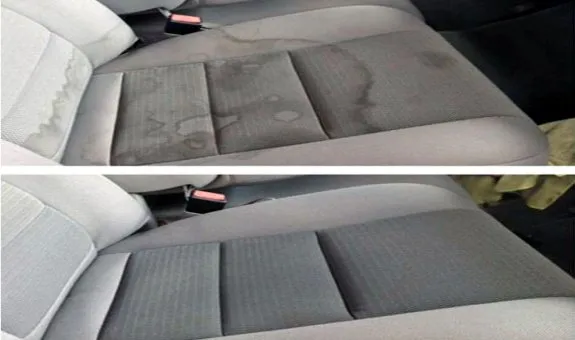
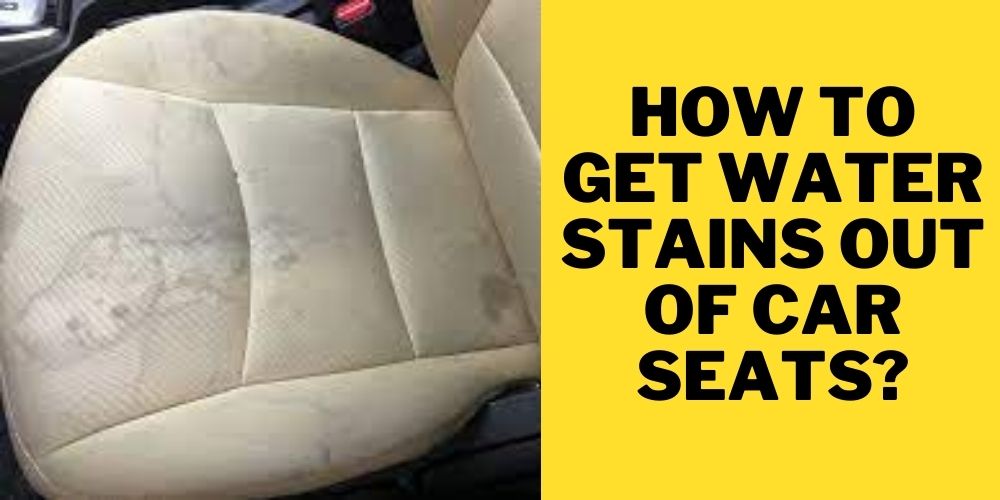
Water itself often dries clear. The mark appears because water can carry dust, body oils, soap, or minerals into the seat fabric. As the moisture dries, these materials collect at the edge and create a ring.
Hard water is a common cause. It contains minerals such as calcium and magnesium. Tap water in parts of the United States has more mineral content than water in other areas, so a clean-looking spill can leave a visible line after drying.
Water can also expose an old stain. Moisture may move dirt from deep inside the foam to the surface. This is why wiping only the center of a mark may leave a larger ring.
The seat material changes the cleaning method:
- Cloth seats: Water marks often respond well to even, light cleaning.
- Leather seats: The mark may sit on the protective finish or come from dried dirt.
- Vinyl seats: Mild soap usually works, but harsh cleaners can dull the surface.
- Synthetic suede or Alcantara-style material: Excess water and strong scrubbing can damage the nap.
- Heated or ventilated seats: Use very little liquid and avoid pushing moisture into seams or controls.
What you need before cleaning
Gather the right tools before you start. A small amount of water is safer than flooding the seat.
You may need:
- A vacuum with a soft brush attachment
- Distilled water
- Two or three clean white microfiber cloths
- A small bowl
- Mild, pH-neutral soap or a cleaner approved for your seat material
- A soft upholstery brush for cloth seats
- A dry towel
- A fan or open-air space for drying
- Leather conditioner made for automotive leather, if needed
Distilled water helps prevent a second mineral ring. White cloths also make it easier to see whether dirt or dye is coming off. Avoid paper towels if they break apart or leave lint.
Before using any cleaner, read the car manufacturer’s care instructions. Some vehicle manuals allow mild soap and water. Others limit the use of water on leather, suede-like trim, or seats with electrical parts.
Do not use these items as a first choice:
- Bleach
- Ammonia
- Strong household degreasers
- Glass cleaner
- Abrasive powder
- Melamine foam
- Very hot water
- A steam cleaner on an unknown seat material
Test any cleaner on a hidden area first. Wait until the spot dries. A product that looks safe while wet may still change the color or sheen.

How to remove water stains from cloth car seats
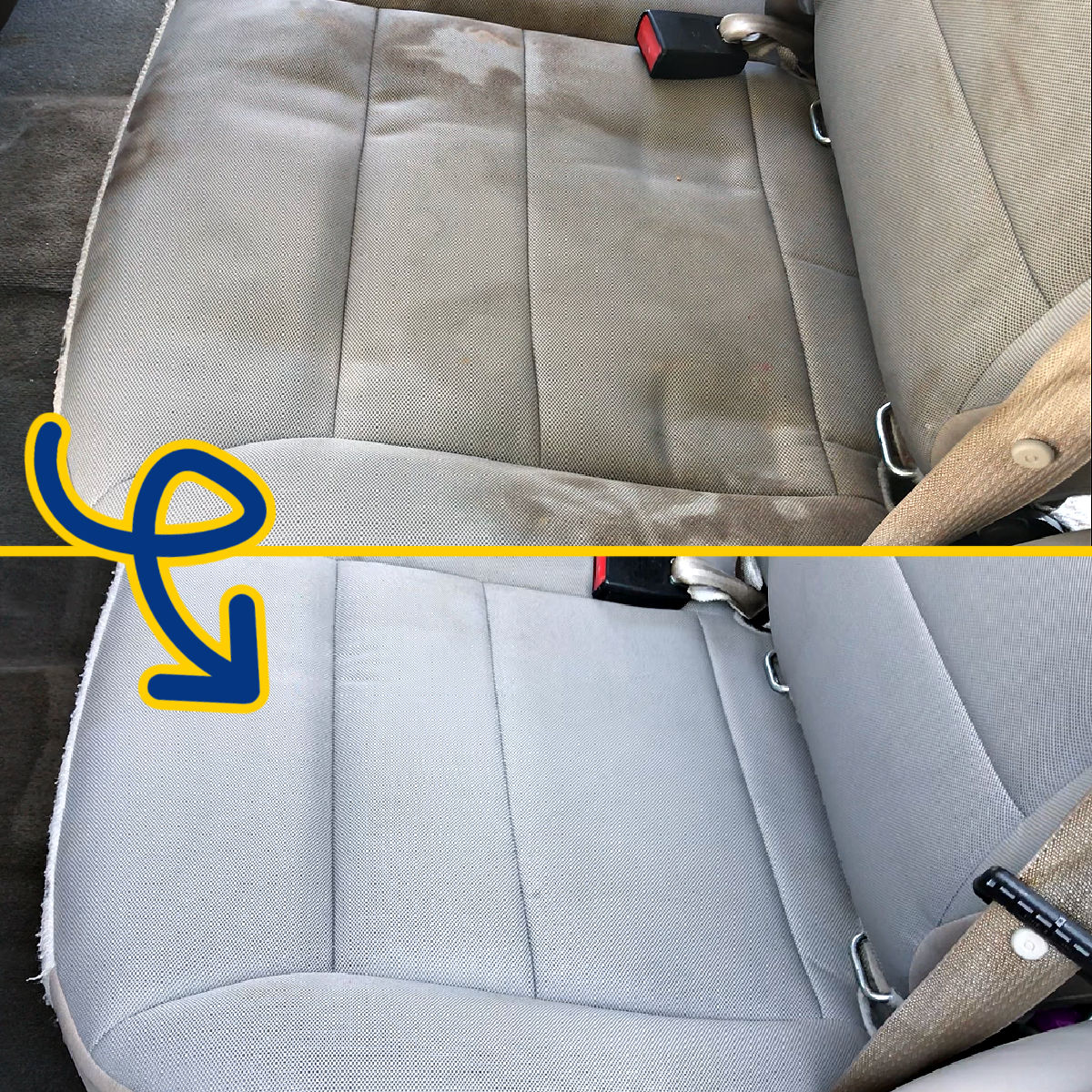
For cloth seats, clean the full affected panel from seam to seam. This reduces the chance of creating another clean-looking ring.
1. Remove loose dirt
Vacuum the seat first. Use a soft brush attachment and work around seams, piping, and the gap between the seat cushion and backrest.
Skipping this step can rub grit into the fabric. It can also turn dust into mud when you add water.
2. Blot any active moisture
If the spill is still wet, press a clean towel onto it. Lift the towel straight up instead of rubbing. Keep changing to a dry part of the towel until the seat feels only slightly damp.
3. Mix a mild cleaning solution
Start with distilled water and a very small amount of mild soap. The solution should feel lightly soapy, not thick or foamy.
For a commercial upholstery cleaner, follow its label. More cleaner is not better. Soap left in the fabric can attract dirt and leave a new mark.
4. Dampen the whole seat panel
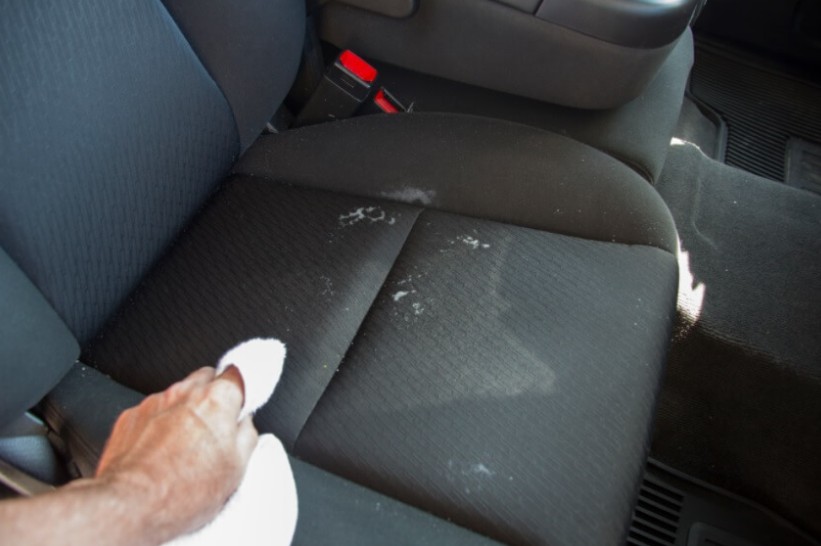
Lightly dampen a microfiber cloth with the solution. Wring it out well. Wipe the entire fabric panel, not only the visible stain.
Work in straight passes or small overlapping sections. Avoid soaking the foam beneath the fabric.
If the stain is broad, use a soft upholstery brush with light pressure. Brush in one direction, then stop. Hard scrubbing can roughen fibers and spread the mark.
5. Rinse with a clean, damp cloth
Use a second cloth dampened with distilled water. Wipe the panel to remove soap. Rinse and wring the cloth often.
Do not pour water directly onto the seat. Water can collect under the upholstery and take a long time to dry.
6. Extract or blot moisture
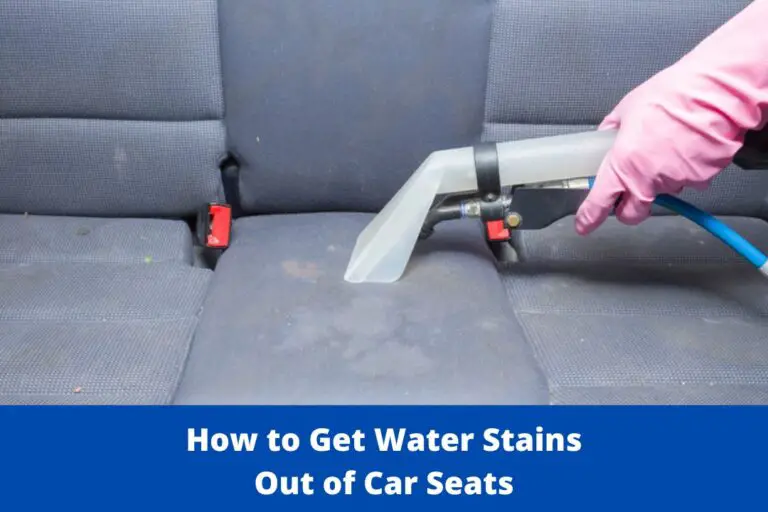
Press a dry towel over the cleaned area. If you own a wet-dry vacuum with an upholstery tool, use it gently. Keep the tool moving and do not press hard enough to pull at the fabric.
7. Dry the seat fully
Leave the doors or windows open in a safe, dry place. Use a fan aimed across the seat, not directly into a seam or electrical control.
The seat should feel dry, not cool and damp. Check the seams and the area near the seat belt buckle. Lingering moisture can cause odor and may support mold growth. The U.S. Environmental Protection Agency advises drying wet materials within 24 to 48 hours when possible.
How to clean water stains from leather or vinyl seats
Leather and vinyl need less water than cloth. Begin with a dry wipe and use the mildest method that works.
Leather seats
- Vacuum or wipe away loose dust with a soft cloth.
- Put a small amount of leather cleaner on a cloth, not directly on the seat.
- Test it in a hidden spot.
- Wipe the stained section and the nearby panel evenly.
- Remove cleaner residue with a clean, slightly damp cloth.
- Dry the surface with a towel.
- Apply a compatible leather conditioner only if the vehicle manual or product instructions allow it.
Do not use saddle soap, cooking oil, petroleum jelly, or household disinfectant unless the seat maker specifically approves it. These products may leave a greasy film, soften the finish, or change the color.
A pale ring on leather may be mineral residue. A dark patch may be dye transfer, body oil, or damage to the finish. If the color has changed after cleaning, stop. More rubbing may remove the topcoat.
Vinyl seats
Mix distilled water with a small amount of mild soap. Wipe the area with a damp cloth, then remove residue with a second cloth.
Vinyl is water-resistant, but seams and perforations are not waterproof. Keep liquid away from switches, stitching, and holes used for seat ventilation.
Avoid products that contain alcohol, solvents, or strong bleach. They can dry or discolor the vinyl surface.
Synthetic suede and Alcantara-style seats
Use the care instructions for the exact material. Many synthetic suede materials need a barely damp cloth and gentle brushing after drying. Do not saturate the material or press hard on the nap.
If the mark remains, a professional detailer familiar with synthetic suede is safer than repeated home cleaning.
How to remove a stubborn water ring
If one light cleaning does not work, identify the likely cause before trying stronger products.
| What you see | Likely cause | Next step |
|---|---|---|
| White or gray edge | Minerals from tap water | Clean the full panel with distilled water |
| Brown or gray patch | Dirt moved by moisture | Use a mild upholstery cleaner |
| Oily or dark area | Body oil or food residue | Use a cleaner approved for the material |
| Musty smell | Moisture trapped in foam | Dry fully and consider professional extraction |
| Faded or shiny spot | Finish or fiber damage | Stop scrubbing and seek material-specific help |
| Stain returns after drying | Moisture or dirt below the surface | Use careful extraction or professional service |
For a mineral ring on cloth, do not apply vinegar as a default solution. Mild acids may help with some mineral deposits, but they can affect dyes, coatings, stitching, or nearby materials. A manufacturer-approved upholstery cleaner is the safer choice.
If you decide to use vinegar after checking the seat instructions, dilute it well, test it in a hidden area, and rinse the area afterward. Never mix vinegar with bleach or other cleaners.
Repeated cleaning can make the problem worse. If the mark covers a large part of the seat, the seat remains wet for more than a day, or the odor returns, professional upholstery extraction may be the better option.

What not to do when cleaning car seats
Avoid the common mistakes below:
- Do not soak the seat. Moisture can reach foam, wiring, sensors, and seat heaters.
- Do not clean only the center of the stain. This can leave a new border.
- Do not scrub hard. Scrubbing may damage fibers or leather finish.
- Do not use colored towels. Dye can transfer to light upholstery.
- Do not use a household carpet machine without checking the manual. Too much water is difficult to remove from a car seat.
- Do not use heat from a hair dryer on high. Heat may shrink fabric, dry leather, or harm adhesives.
- Do not spray around seat controls or airbag seams.
- Do not ignore a musty odor. It may signal moisture below the surface.
- Do not clean a child safety seat the same way as a vehicle seat. Follow the child-restraint manufacturer’s instructions. Harsh cleaners can weaken straps or affect buckle parts.
Air out the vehicle only in a safe place. Keep keys, valuables, and children away from an unattended open vehicle.
How to prevent water stains on car seats
Prevention is easier than removing a dried ring.
- Use a clean, absorbent towel under wet clothing, bags, or umbrellas.
- Wipe spills quickly instead of letting them dry.
- Keep a small microfiber towel in the vehicle.
- Use distilled water in a spray bottle for light interior cleaning.
- Do not leave wet floor mats or towels inside the car.
- Check door seals, sunroof drains, windshield seals, and convertible-top areas if water keeps appearing.
- Dry the cabin after rain or a leak.
- Follow the owner’s manual for leather conditioning and fabric care.
If water reaches the seat after a storm, find the leak as well as the stain. A clean seat will not stay clean if water continues to enter through a door seal, sunroof drain, window seal, or windshield area.
When to call a professional
A professional detailer can help when the stain covers much of the seat, the foam is wet, or the odor remains after thorough drying. Choose a service that handles automotive upholstery and understands leather, synthetic suede, seat electronics, and airbag areas.
Contact the vehicle dealer or a qualified technician if:
- A seat warning light appears after the spill.
- The seat heater, ventilation, or power adjustment stops working.
- Water reached a seat control, connector, or airbag seam.
- The seat stays damp for more than 24 to 48 hours.
- You see mold-like growth or a strong musty odor.
- The stain is caused by floodwater, sewage, chemicals, or another unsafe liquid.
Floodwater is not the same as a clean water spill. It may contain bacteria, fuel, oil, or chemicals. Avoid handling heavily contaminated upholstery without suitable protection and professional advice.

Frequently asked questions
Will baking soda remove water stains from car seats?
Baking soda may help absorb an odor from dry fabric, but it does not reliably remove mineral rings. Vacuum it up fully and avoid using it on damp leather or perforated seats, where powder can collect.
Can I use tap water to clean a car seat?
You can use a small amount for some materials, but distilled water is a better choice for the final wipe. It reduces the chance of leaving another mineral mark, especially in areas with hard water.
Can I use a steam cleaner on car upholstery?
Only if the vehicle and upholstery manufacturer allow it. Steam adds heat and moisture. It may affect adhesives, leather finishes, seat electronics, or foam. A lightly damp cloth is safer for an unknown material.
How long does a car seat take to dry?
A lightly dampened surface may dry in a few hours with airflow. A soaked cushion can take much longer. Do not judge by the surface alone; press a dry towel into seams and cushion edges to check for hidden moisture.
Why does the water stain keep coming back?
The cause may be trapped moisture, dirt in the foam, an active leak, or residue left by soap. Clean the full panel, dry the seat completely, and inspect the vehicle for leaks. If the mark returns, stop adding cleaner and use professional extraction.
Final recommendation
Start with the least aggressive method: vacuum, use a barely damp cloth with distilled water and mild soap, clean the full seat panel, and dry it quickly. Use material-specific care for leather, vinyl, or synthetic suede. If the seat stays wet, smells musty, shows damage, or contains electrical parts affected by water, stop cleaning and get professional help.