

Most car seats expire six to ten years after manufacture, but the exact date depends on the brand and model.
Knowing when do car seats expire is a key part of child passenger safety. The expiration date is not a guess or a marketing trick. It reflects the expected life of the seat’s plastic, harness, padding, labels, and other parts. This guide explains how to find the date, why seats expire, and what to do with an old or used car seat.
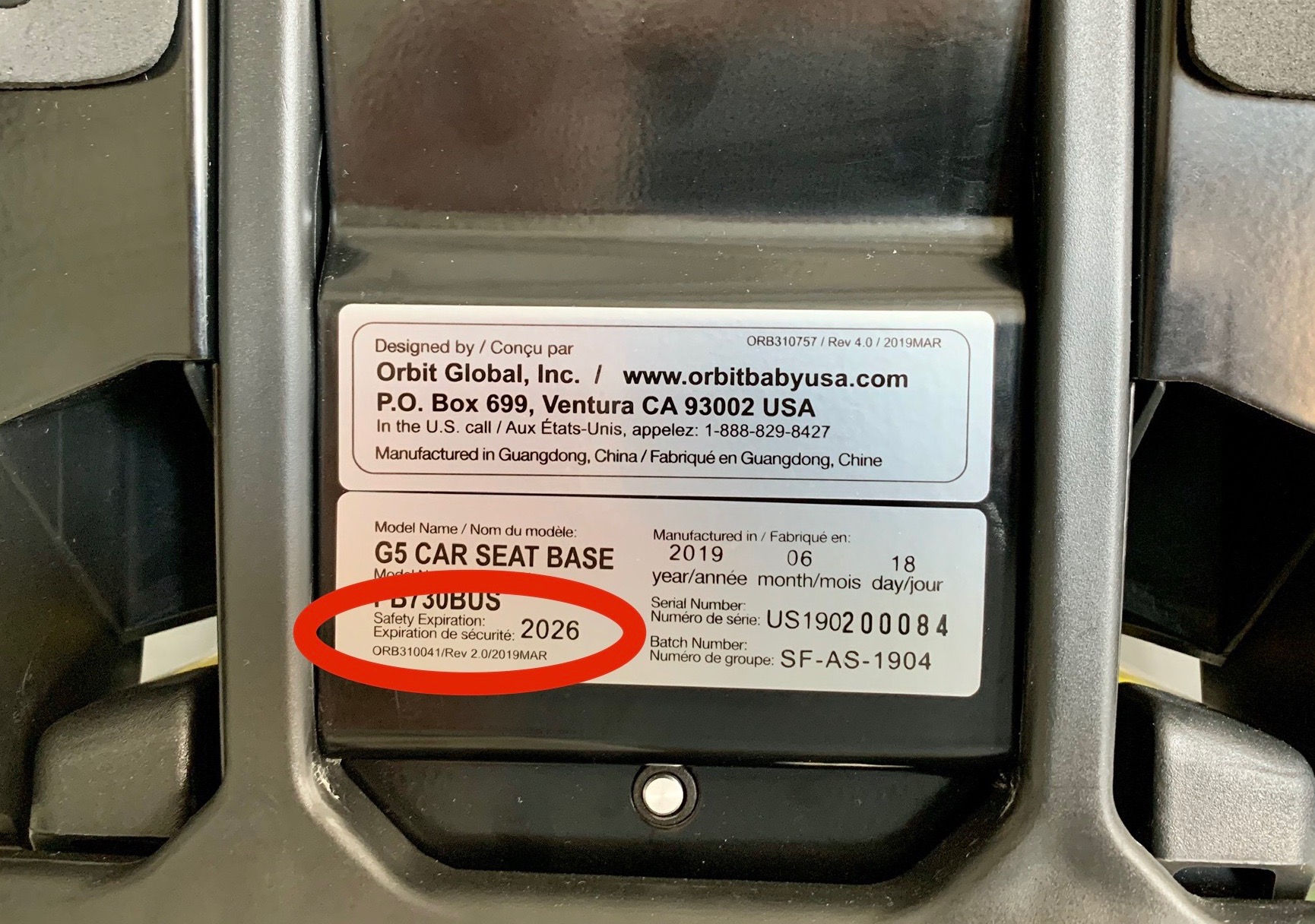
When Do Car Seats Expire?
Most car seats expire between six and ten years after their manufacture date. However, there is no single expiration rule for every seat in the United States. Each manufacturer sets its own service life.
When asking when do car seats expire, check the seat itself before checking general advice online. The label, manual, or manufacturer website should provide the final answer for that specific model.
A car seat may show one of these details:
• An expiration date, such as “Expires December 2030”
• A manufacture date, such as “Made on March 15, 2024”
• A statement such as “Do not use after six years”
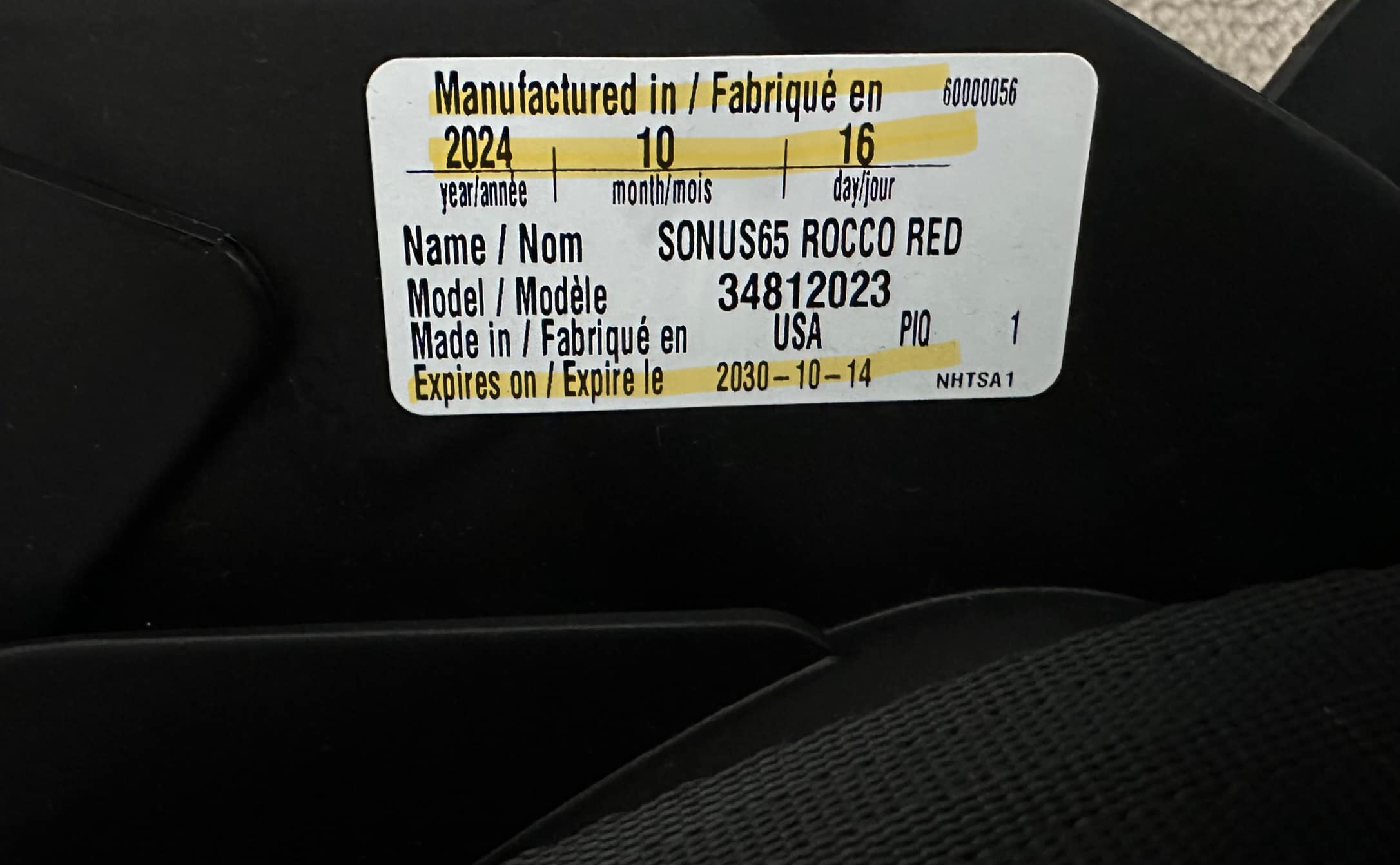
If the seat lists only a manufacture date, count the service life from that date. Some brands count from the date of manufacture. Others may count from the date of purchase, but this is less common. Always follow the instructions for your exact model.
The expiration date applies to infant car seats, convertible car seats, all-in-one seats, harnessed boosters, high-back boosters, and backless boosters. A base used with an infant seat may also have its own service life.
Why Do Car Seats Expire?
Car seats expire because safety equipment does not last forever. The seat may look fine, but hidden aging can affect how it works during a crash.
The main reasons include:
Plastic can weaken over time
Most car seats use strong molded plastic. Years of heat, cold, sunlight, and daily use can slowly change that plastic. A seat in a hot vehicle may face repeated temperature swings that are hard on its shell.
This does not mean an expired seat will suddenly crack in your hands. The concern is how it may perform under the extreme force of a collision. A seat is like a bicycle helmet: it may look normal after years of use, but age still matters.
Safety standards can change
Child passenger safety rules and testing methods can improve over time. Newer seats may include better side-impact designs, improved harness systems, clearer labels, or easier installation features.
An older seat may still meet the rules that existed when it was made. Yet it may not include newer design improvements. Expiration gives families a clear point at which to replace aging equipment.
Parts wear out
Harness webbing, buckles, chest clips, padding, foam, and adjustment parts can wear with repeated use. Food, sunscreen, cleaning products, and spilled drinks may also affect materials.
A buckle that sticks or a harness that does not tighten smoothly is a safety concern, even if the seat has not reached its expiration date. Replace or repair the seat only as the manufacturer allows.
Instructions and labels can fade
Labels explain height and weight limits, installation steps, harness routes, and expiration details. If labels become unreadable, caregivers may install or use the seat incorrectly.
Clear instructions are not a minor convenience. Correct installation can make the difference between a secure fit and a dangerous one.
How to Find a Car Seat’s Expiration Date
Finding the date is usually simple, but the label may be in an easy-to-miss spot. Search the seat before searching the internet.
Look in these common areas:
• The back or bottom of the seat
• The side near the child’s shoulders
• The underside of the base
• The back of the infant carrier
• Near the harness adjustment strap
• Inside the cover or near the instruction label
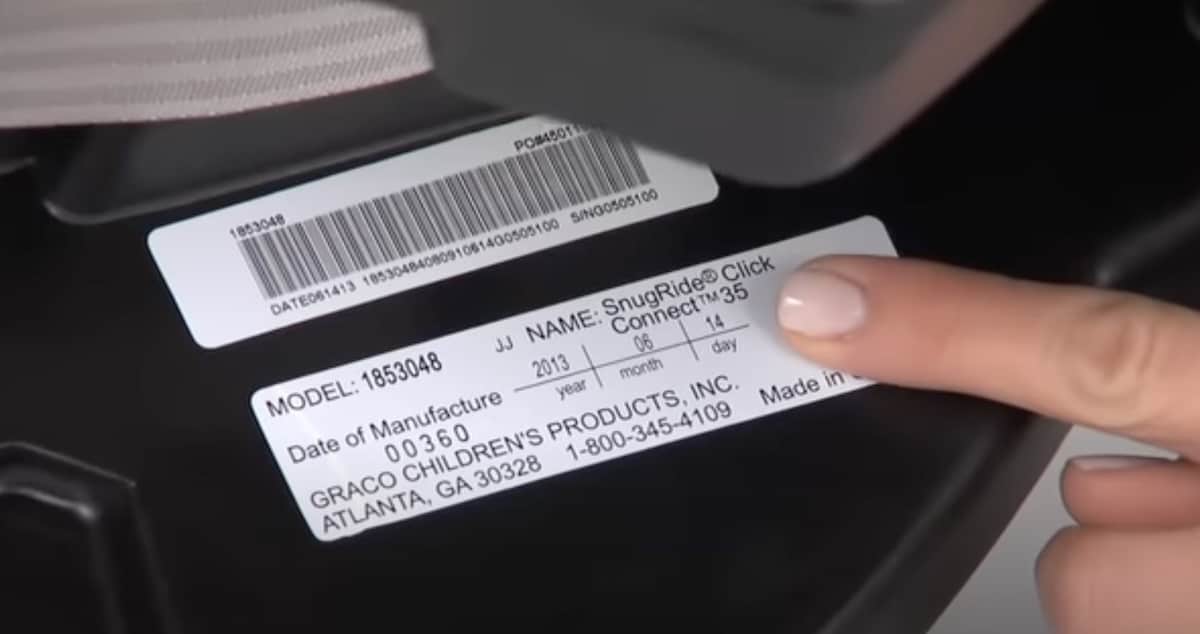
You may see a white, gray, or black sticker with the model name, model number, serial number, and manufacture date. Some seats have the date molded into the plastic instead of printed on a sticker.
Use these steps:
Find the brand and model name.
Locate the manufacture date or expiration date.
Read the manual for the service-life rule.
Search the manufacturer’s official website if the manual is missing.
Contact the manufacturer if the date is unclear.
Do not estimate the date from the year you bought the seat. A store may sell a seat months or even years after it was made. When asking when do car seats expire, the manufacture date is often more useful than the purchase receipt.
If you cannot identify the seat or verify its date, replacing it is the safer choice. A mystery seat has an unknown history, unknown limits, and unknown recall status.
How Long Do Different Types of Car Seats Last?
The answer to when do car seats expire depends on the type of seat and the manufacturer. Most seats last for several years, but the exact period can vary.
Infant car seats
Infant carriers often expire about six to ten years after manufacture. The detachable base may have a different expiration date from the carrier.
Check both parts. If you use two bases, check the date on each base. Never assume that a newer base makes an older carrier safe beyond its expiration date.
Convertible car seats
Convertible seats often have a service life of six to ten years. They may face heavy use because families use them in both rear-facing and forward-facing modes.
A convertible seat can also pass through more than one child. Before reusing it, check the expiration date, crash history, recalls, missing parts, and overall condition.
All-in-one car seats
All-in-one seats may serve as rear-facing seats, forward-facing harnessed seats, and boosters. Their longer period of use does not mean they last forever.
A seat used for ten years may experience more wear than a seat used for only two years. Follow the expiration date and inspect the seat often.
Booster seats
High-back and backless booster seats also expire. Many parents ask when do car seats expire and forget that a booster is included.
A booster does not have a five-point harness, but it still depends on plastic, belt guides, labels, and structural parts. Use it only within its stated service life and height and weight limits.

Does an Unused Car Seat Still Expire?
Yes. An unused car seat can still expire because its service life is usually based on the manufacture date, not the number of times it carried a child.
Plastic and other materials age in storage. A seat kept in a garage, attic, or hot car may face especially harsh conditions. Even a sealed box does not always stop heat and time from affecting materials.
This is why buying a very old “new” seat at a deep discount can be risky. Check the manufacture date before buying. A cheap seat with only one year left may not be a good value.
When asking when do car seats expire, think of the date as a safety limit, not a usage counter. A seat does not gain extra years because it stayed in a closet.

Can You Use an Expired Car Seat?
You should not use an expired car seat for routine travel. The manufacturer no longer supports it as current safety equipment after the stated date.
In many places, using an expired seat may not be a specific traffic offense. However, drivers must still follow state child-restraint laws and the manufacturer’s instructions. Legal permission does not prove that an expired seat is safe.
An expired seat may also create problems during a crash investigation or insurance claim. More importantly, it may not provide the protection your child needs.
Do not give an expired seat to another family. Mark it clearly as expired and make it unusable by cutting the harness straps or removing the cover, if local recycling instructions allow it. Contact your community for a car seat recycling or disposal program.

Is It Safe to Use a Used Car Seat?
A used car seat can be safe, but only when you can verify its history. The safest used seat is one from someone you trust who can answer every important question.
Before using a secondhand seat, confirm the following:
• It has not been in a moderate or severe crash.
• It has not expired.
• It has no recalls that remain unresolved.
• It has all required parts.
• The labels and instructions are readable.
• The harness, buckle, shell, and padding are in good condition.
• It has not been stored in extreme heat or damp conditions.
Avoid a seat with an unknown history. You cannot see crash damage inside the shell, and you cannot know whether the seat was cleaned with a product that harmed the materials.
One practical lesson is simple: a familiar hand-me-down is not automatically a safe hand-me-down. Ask questions, inspect every part, and check the model against the manufacturer’s recall list before installation.

What Happens After a Car Seat Crash?
A car seat involved in a moderate or severe crash should usually be replaced. The National Highway Traffic Safety Administration advises replacement after such a crash, even when visible damage is not present.
Some manufacturers allow continued use after a minor crash if strict conditions are met. Those conditions may include no injuries, no airbag deployment, no visible damage, no door damage near the seat, and no need for emergency medical care.
Because policies differ, contact the manufacturer after any crash. When in doubt, replace the seat. The cost of a new seat is small compared with the risk of relying on equipment that may have hidden damage.
A seat involved in a crash should not be passed to another family. Treat crash history as seriously as the expiration date.
Car Seat Expiration and Recalls
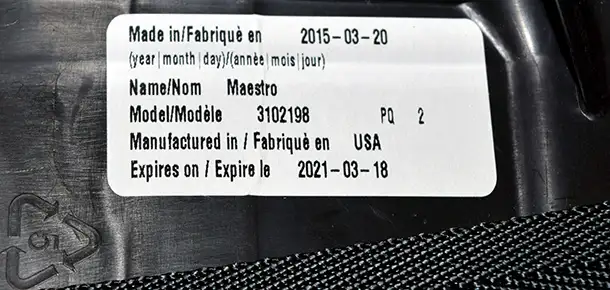
Expiration and recalls are separate issues. A seat can be unexpired and recalled. It can also be expired without being recalled.
Check for recalls using:
The model name and model number
The manufacture date
The serial number
The manufacturer’s official website
The federal recall database or consumer safety agency resources
A recall may involve a buckle, harness, padding, label, base, or installation problem. Follow the recall instructions exactly. The manufacturer may provide a repair kit, replacement part, or replacement seat.
Do not ignore a recall because the seat looks normal. Recalls often address a problem that is not visible during a quick inspection.
Common Mistakes to Avoid
Many families search when do car seats expire only after a problem appears. A quick yearly check can prevent that stress.
Avoid these mistakes:
• Counting from the purchase date without reading the manual
• Checking only the infant carrier but not the base
• Using a seat after a crash because it looks undamaged
• Buying a secondhand seat with an unknown history
• Removing labels during cleaning
• Using aftermarket parts that the manufacturer does not approve
• Assuming a booster seat does not expire
• Keeping an expired seat for emergencies
• Ignoring a recall because the seat is expensive
• Moving a seat between cars without checking the installation each time
Keep a photo of the seat’s date label and model number. Store the manual in a phone folder or cloud drive. These small steps make future checks much easier.
How to Choose a Replacement Car Seat
When a seat expires, choose a replacement based on your child’s current needs. Do not buy only by age. A child’s height, weight, maturity, and ability to sit correctly all matter.
Look for:
• A rear-facing limit that suits your child
• Harness height and weight limits that leave room to grow
• A booster fit that places the vehicle belt correctly
• Clear instructions and readable labels
• A seat that fits your vehicle
• A model that you can install tightly
• A price that allows you to buy the right seat without delay
The best car seat is not always the most expensive one. It is the one that fits your child, fits your vehicle, and can be installed and used correctly every trip.
After installation, check that the seat does not move more than one inch from side to side or front to back at the belt path. For extra help, visit a certified child passenger safety technician.
Frequently Asked Questions About When Do Car Seats Expire
How can I tell when my car seat expires?
Look for an expiration date or manufacture date on the seat or base. If you find only the manufacture date, read the manual or contact the manufacturer to learn the service life.
Do car seats expire after six years?
Some car seats expire after six years, but not all do. Many last six to ten years, so check the exact brand and model instead of relying on a general rule.
Does a car seat base expire too?
Yes, an infant seat base can expire separately from the carrier. Check the date on every base and use only a base approved for that carrier.
Can I use a car seat after its expiration date?
Using an expired car seat is not recommended. The manufacturer no longer confirms its expected performance, and materials may have aged even if the seat looks fine.
Does a car seat expire if it has never been used?
Yes, most seats age from the manufacture date rather than the first-use date. An unused seat can still become too old for safe use.
Should I replace a car seat after a minor crash?
Follow the manufacturer’s crash policy. Some brands allow use after a minor crash under strict conditions, but replace the seat if there is damage, uncertainty, or a moderate or severe crash.
Are booster seats included in car seat expiration rules?
Yes, booster seats also have expiration dates. Check the label and manual for the booster’s service life, belt-guide limits, and other restrictions.
Conclusion
Most car seats expire six to ten years after manufacture, but the correct answer depends on the seat’s brand and model. Check the label, review the manual, inspect the base, and verify recalls before every hand-me-down or replacement decision.
Replace any seat that is expired, damaged, recalled without a repair, or involved in a serious crash. Take a minute today to photograph your seat’s date label and save its manual. For more child passenger safety guidance, consult a certified technician or your seat’s manufacturer, and share this guide with another caregiver.