

Yes, infant car seats expire because materials age and safety standards can change over time.
If you are asking, “do infant car seats expire,” the answer is yes, but the exact limit varies by brand and model. Most seats last about six to eight years from the manufacture date. This guide explains how to check the date, understand the safety reasons, and decide when replacement is the safest choice.
Why do infant car seats expire?
Infant car seats expire because their parts do not last forever. Plastic can weaken after years of heat, cold, sunlight, and daily use. Harness straps, padding, buckles, and adjustment parts can also wear down.
Think of a car seat like a bike helmet. It may look fine after years of use, but its materials can age inside. A seat that appears clean and strong may not perform as designed in a serious crash.
Manufacturers set an expiration date after testing the seat’s materials and design. The date also helps them support a manageable number of products, instructions, spare parts, and safety updates.
When people ask, “do infant car seats expire,” they often assume the date is linked to how often the seat is used. Usually, it is not. A seat can expire even if it spent most of its life in a closet.
Common reasons for expiration include:
• Aging plastic that may become brittle
• Worn harness webbing or stitching
• Old buckles and adjustment systems
• Missing or outdated instructions
• Changes in child passenger safety guidance
• Difficulty getting replacement parts
• Newer designs with improved safety features
There is no single federal expiration period for every car seat in the United States. The manufacturer sets the usable life for its product, so the label and manual matter most.
How long do infant car seats last?
Most infant car seats expire six to eight years after the date of manufacture. Some brands use a shorter or longer period, so you should never rely only on a general rule.
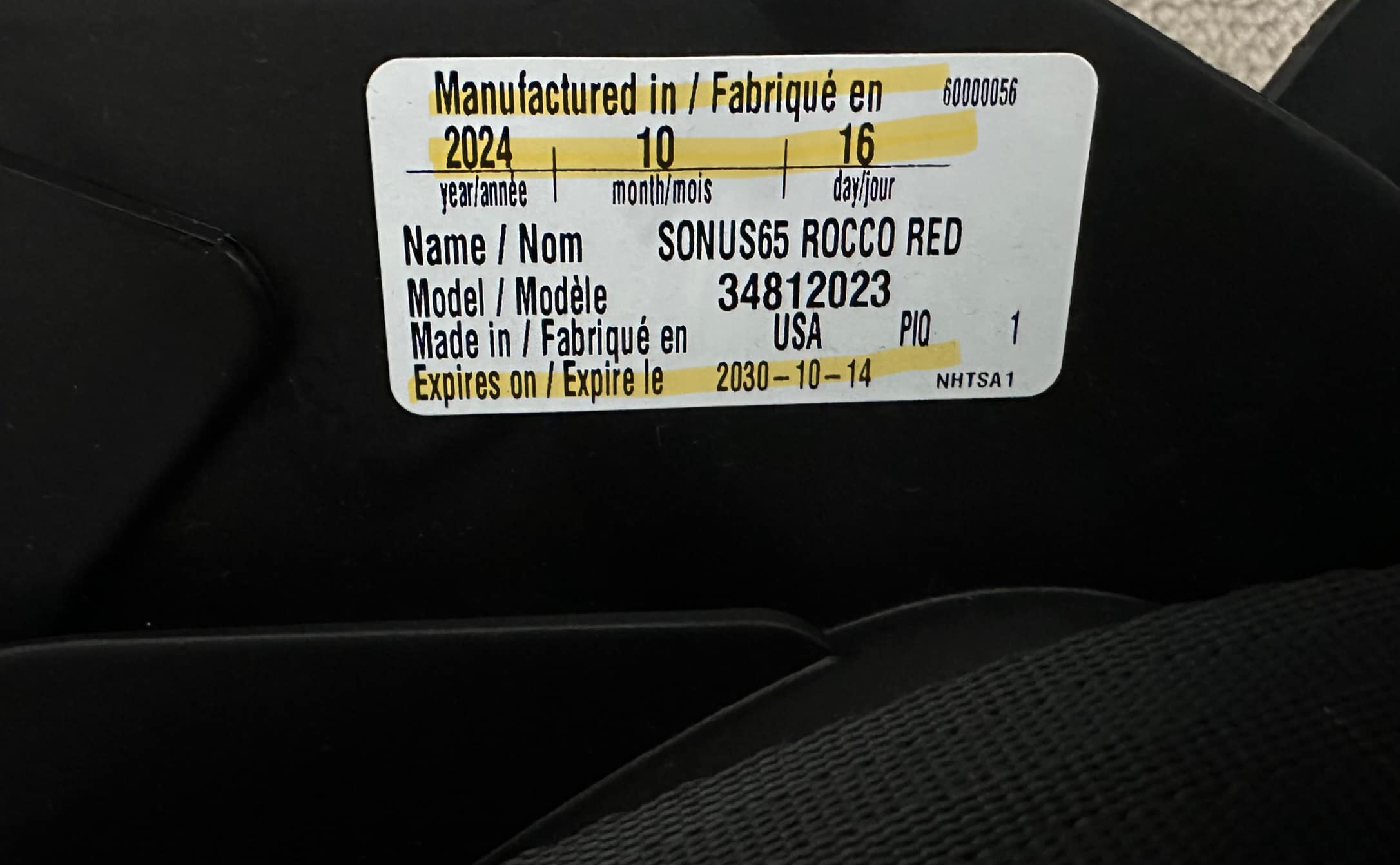
The expiration clock usually starts on the manufacture date, not the date you bought the seat. For example, a seat made in March 2021 may expire in March 2027, even if you purchased it new in late 2022.
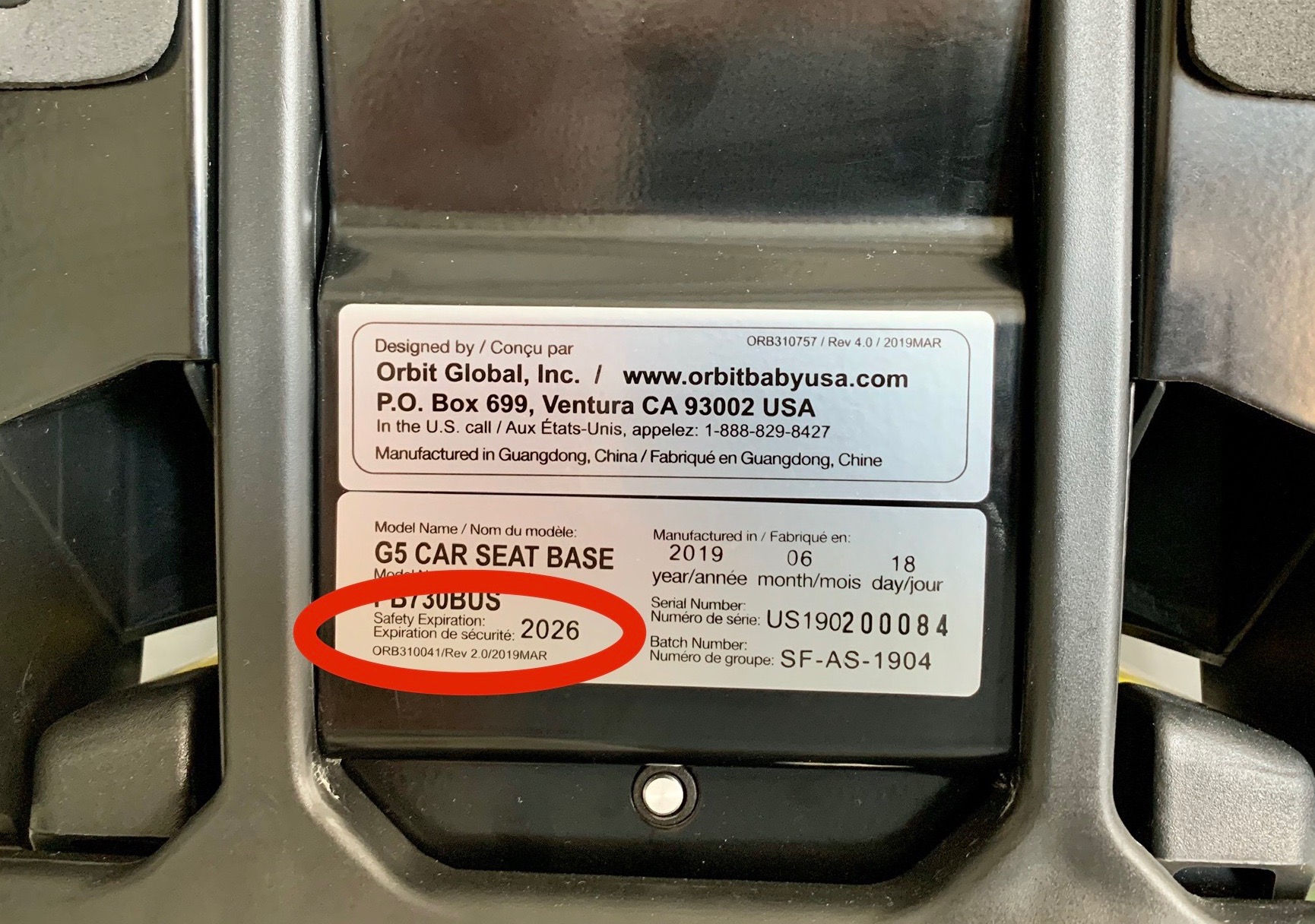
Check the seat, manual, or manufacturer’s website for the exact wording. Some labels say “Do not use after,” while others list a month and year.
When considering “do infant car seats expire,” remember these points:
• The purchase date may not be the start date
• The expiration period varies by model
• The date may be printed on a label or molded into the plastic
• A used seat may already be close to its expiration date
• An expired seat should not be passed to another family
A new seat can also be expired if it sat in a warehouse for many years. This is uncommon, but checking the date before installation is a smart habit.
Where can you find the infant car seat expiration date?
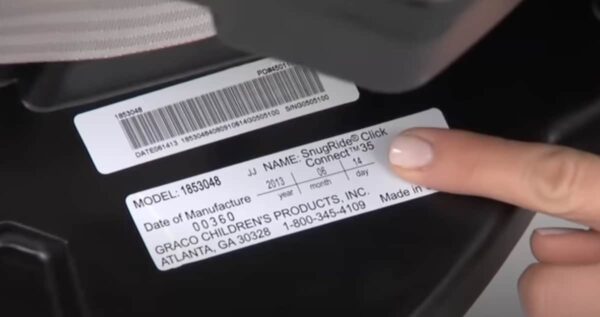
Look on the sides, back, bottom, or underside of the infant car seat. You may find a sticker, stamped date, printed label, or molded information in the plastic shell.
The label may show the manufacture date rather than the expiration date. If so, read the manual to learn how many years the manufacturer allows.
Follow these steps:
Remove the seat from the vehicle if the label is hidden.
Check the back, bottom, and sides of the shell.
Look near the model number and serial number.
Write down the manufacture date.
Read the manual for the useful life.
Contact the manufacturer if the date is unclear.
Take a photo of the label when you buy the seat. This simple step can help you track the date later, especially if you use the seat for more than one child.
If the label is missing, damaged, or unreadable, contact the manufacturer before using the seat. If the company cannot confirm the seat’s age and history, replacing it is the safer choice.

What happens if you use an expired infant car seat?
An expired infant car seat may still look normal, but you cannot know whether it will perform properly in a crash. The concern is not that the seat will suddenly fail on a normal drive. The concern is reduced confidence in its protective performance during a serious impact.
Older seats may also have parts that are no longer supported. A replacement buckle, harness, insert, or base may be unavailable. Using an unapproved substitute can create a new safety problem.
The seat may also come with instructions that no longer match current guidance. Child passenger safety advice changes as experts learn more about installation, harness fit, and vehicle compatibility.
If you discover that your seat is expired:
• Stop using it for routine travel
• Do not give it to another family
• Contact the manufacturer if you need confirmation
• Check for a recall using the model and serial number
• Dispose of it in a way that prevents reuse
Some stores and community events offer car seat recycling or trade-in programs. If no program exists, cut the harness straps and mark the shell as expired before disposal.
Do infant car seats expire after a crash?
Yes. A car seat may need replacement after a moderate or serious crash, even when there is no visible damage. The force of a collision can affect the shell, harness, base, or connection points.
Some manufacturers allow continued use after a minor crash if specific conditions are met. Those conditions may include no injuries, no airbag deployment, no visible damage, no occupants in the vehicle, and the vehicle being able to drive away.
Always check the manual and contact the manufacturer after a crash. If you are unsure how severe the crash was, replacing the seat is the cautious option.
Insurance may cover a replacement after a crash, but policies differ. Ask the insurer what information it needs, and keep photos and the police or incident report if available.
Do not buy a crash-involved seat from a resale site. A seller may not know its full history, and hidden damage is difficult to detect.

How do infant car seats expire when they look fine?
A car seat does not need to show cracks or stains to be expired. Expiration is based on age and the manufacturer’s tested service life, not just visible condition.
Plastic can experience repeated temperature changes inside a vehicle. A car parked outdoors may become very hot in summer and very cold in winter. Over many years, that cycle can affect materials.
Other parts may also age:
• Harness fibers can wear from repeated tightening
• Buckles can collect dirt and become harder to release
• Labels can fade or peel away
• Foam can break down or become compressed
• The base can suffer wear from repeated installation
This is why a careful visual check cannot replace the expiration date. A clean, lightly used seat may still be too old for safe use.

Can you use an expired infant car seat for a second child?
You may use a seat for a second child if it has not expired, has no crash history, has no recall problem, and has been stored and maintained correctly. The number of children who use it does not decide whether it is safe.
Before reusing it, confirm the following:
• The seat is within its usable life
• The model and serial number are readable
• The seat has not been in a crash
• The harness is complete and undamaged
• The buckle opens and closes properly
• The base has no cracks
• All required parts are present
• The seat has not been recalled
• You know its complete history
Do not use a seat if you cannot verify where it came from. This is one reason free or secondhand seats require care. A low price is not helpful if the seat has an unknown crash or storage history.
A practical lesson many parents learn is to keep the manual, date photos, and purchase record together. Those records make future checks much easier.

How should you store and clean an infant car seat?
Good care can help preserve a seat, but it cannot extend the manufacturer’s expiration date. Store the seat indoors in a dry place away from direct sunlight, moisture, pets, and extreme temperatures.
Follow the manual when cleaning. Many harness straps should only be wiped with mild soap and water. Strong cleaners, bleach, solvents, and soaking may weaken the webbing or affect the buckle.
Avoid these common mistakes:
• Do not add aftermarket padding unless the manufacturer approves it
• Do not sew or repair a damaged harness
• Do not use a seat with missing parts
• Do not leave the seat in a damp garage for years
• Do not place heavy items on the shell
• Do not wash parts in a way the manual forbids
If food or milk spills into the buckle, follow the cleaning instructions closely. A buckle that sticks or does not click securely needs attention before the next trip.
Do infant car seats expire because safety standards change?
A seat’s expiration date is not always caused by a new law. It mainly reflects the manufacturer’s tested service life and its ability to support the product.
However, safety standards and best practices can change. Newer seats may include improved side-impact designs, clearer installation systems, updated labeling, or better compatibility with modern vehicles.
Federal regulations set minimum requirements for child restraints sold in the United States. A newer standard does not automatically make every older, unexpired seat unsafe. Still, an expired seat is outside the manufacturer’s stated service period.
Read the current manual for your exact model. If guidance from a social media post conflicts with the manual or a certified child passenger safety technician, seek professional help.
How to choose a replacement infant car seat
Start with fit and correct use, not just price. The best seat is one that fits your child, your vehicle, and your daily routine. It must also be installed correctly every time.
Consider these features:
• A clear expiration date
• A label with the model and serial number
• A complete manual
• A harness that fits your child well
• A base that works with your vehicle
• Easy-to-read installation indicators
• A design you can use without aftermarket products
• A current recall check
Try the seat in your vehicle before the return period ends. Test the base, buckle, harness, and stroller connection if you plan to use a travel system.
A certified child passenger safety technician can check the installation. Many local fire stations, hospitals, and community programs offer inspections, but services vary. A technician can help you avoid small errors that are easy to miss at home.
Common mistakes parents make with expired car seats
Many families keep an old infant seat because it belonged to a relative or because it “still looks new.” That choice is understandable, but appearance does not confirm safe service life.
Other common mistakes include:
• Checking the expiration date only after installation
• Assuming the date starts when the seat is purchased
• Forgetting to check the detachable base
• Buying a used seat without asking about crashes
• Replacing a missing part with an unapproved item
• Ignoring a recall because the seat seems to work
• Using thick coats under the harness
• Adding extra padding near the baby
The safest approach is simple: verify the date, inspect the seat, check recalls, and follow the manual. When in doubt, replace the seat or ask a qualified technician.
Frequently Asked Questions
Do infant car seats expire after six years?
Many infant car seats expire after six years, but not all models use the same period. Check the manufacture date and the instructions for your specific seat.
Does an infant car seat expire on the purchase date?
Usually, no. The expiration period normally begins on the manufacture date, which may be earlier than the purchase date.
Can you donate an expired infant car seat?
You should not donate an expired car seat for a child to use. Mark it as expired and disable it by cutting the harness straps before disposal, unless a local recycling program gives different instructions.
Is an expired infant car seat illegal to use?
Expiration rules are set by the manufacturer, and laws can vary by state. Even when use is not specifically banned, using an expired seat means using it outside its tested service life.
Can an infant car seat expire if it was never used?
Yes. Materials age over time, even when a seat stays in storage. The manufacture date still controls the usable life in most cases.
Should you replace an infant car seat after a minor crash?
Follow the manufacturer’s minor-crash rules. If the crash does not meet every listed condition, or if you are uncertain, replace the seat and ask your insurer about coverage.
Conclusion
Do infant car seats expire? Yes. Most expire six to eight years after manufacture, but the exact limit depends on the brand and model. A seat may also need replacement after a crash, recall, missing parts, or damage.
Check the label today, read the manual, confirm the recall status, and inspect the seat before your baby’s next ride. If the history or expiration date is unclear, choose a new seat or speak with a certified child passenger safety technician. Share this guide with another parent who may need help checking an infant car seat.