How To Detail A Car Engine For Car Show: Show-Ready Tips
Clean, degrease, protect, and dress every visible surface for a show-ready engine bay.
I’ve prepped dozens of cars for shows and judged many engine bays. This guide on how to detail a car engine for car show walks you through my proven, step-by-step process. You’ll learn tools, products, safety tips, common mistakes, and presentation tricks that win ribbons. Read on to get a spotless, judge-ready engine bay with confidence.
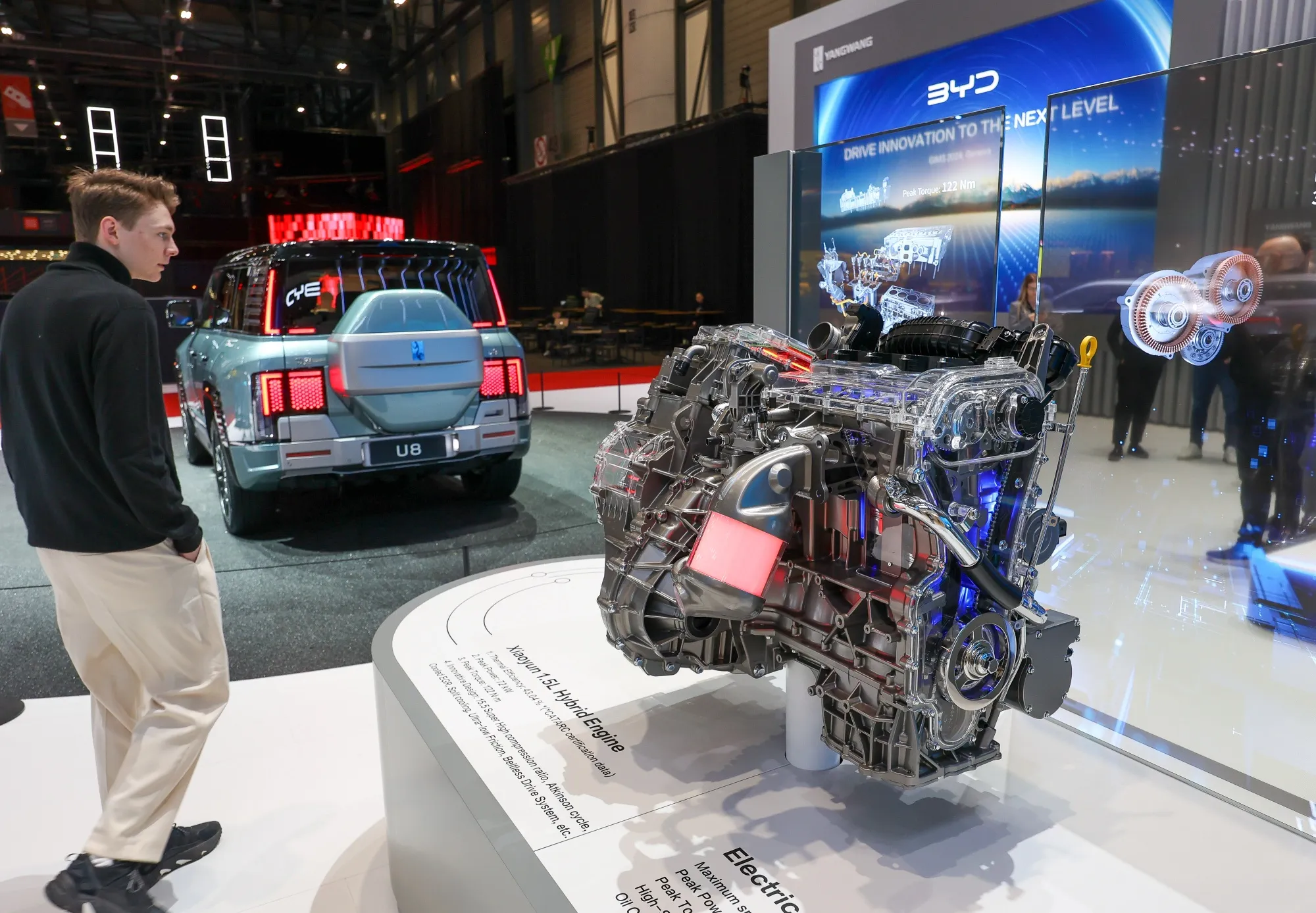
Why engine detailing matters for shows
A spotless engine bay shows care and pride. Judges look for cleanliness, original components, neat wiring, and tasteful presentation. Engine detailing also protects components from corrosion and makes future maintenance easier.
Showing you how to detail a car engine for car show covers both aesthetics and preservation. A clean engine bay can raise perceived value and highlight restoration quality. I’ll explain what judges notice and how to meet those expectations.
Preparation and safety before you start
Preparation keeps you safe and prevents damage. Work on a cool engine. Remove the battery negative terminal or cover the battery if you won’t disconnect it. Wear gloves, eye protection, and use drop cloths to protect paint and the ground.
Gather tools and products ahead of time. Label or photograph wiring and vacuum lines before disconnecting anything. Safety first when learning how to detail a car engine for car show — a small mistake can harm electrical systems or finish.

Tools and products you’ll need
Use the right gear to save time and get better results.
- Microfiber towels for wiping and buffing.
- Brushes: soft-bristle, nylon, and brass for different parts.
- Plastic bags and painter’s tape to mask electricals and air intakes.
- Plastic trim tools for delicate prying.
- Pressure washer or garden hose with a spray nozzle for rinsing.
- Shop vacuum with narrow attachments for dust removal.
- Degreaser (water-based or solvent-based depending on need).
- Engine enamel, metal polish, and rubber/plastic dressing.
- Compressed air or leaf blower for drying tight spots.
Using proper tools makes detailing easier and helps maintain the engine bay’s integrity. When you learn how to detail a car engine for car show, choosing quality products matters for longevity and appearance.

Step-by-step: How to detail a car engine for car show
Follow this order to avoid cross-contamination and wasted effort.
-
Pre-clean inspection
- Check for leaks, loose hoses, cracked wires, or missing hardware.
- Note items that need repair before detailing.
-
Dry dust and debris removal
- Use compressed air and a soft brush to remove loose dirt.
- Vacuum leaves and grit from crevices.
-
Mask sensitive components
- Cover the distributor, exposed sensors, alternator, and open filters with plastic bags and tape.
- Tape off electrical connectors and fuse boxes.
-
Apply degreaser
- Spray on degreaser and let it dwell per product instructions.
- Agitate with brushes on greasy spots and around valve covers.
-
Rinse carefully
- Use low-pressure water to rinse, avoiding direct high-pressure spray to electrical areas.
- Work from top to bottom to carry grime away.
-
Spot-clean and repeat if needed
- Reapply degreaser only where necessary. Heavy build-up may need a second pass.
-
Dry thoroughly
- Use compressed air or a leaf blower to push water from pockets.
- Wipe down with microfiber towels and allow time to air dry.
-
Dress plastics, rubber, and hoses
- Apply a matte or satin dressing. Avoid high-gloss unless the show favors it.
- Use sparingly to prevent sling onto painted surfaces.
-
Polish metal and chrome
- Use metal polish for small brightwork. Protect surrounding areas from polish residue.
-
Reassemble and final touch-ups
- Remove masking, reconnect the battery if disconnected, and check for proper routing of hoses and wires.
- Use a detailing brush to set components and remove any lint or fibers.
I teach students to repeat these steps on a test panel first. Practice improves speed and consistency when preparing to show. When you try how to detail a car engine for car show, patience in each step pays off.

Product choices and concentrations
Not all degreasers are equal. Choose by soil level and material.
- Light soils: pH-neutral cleaners for painted surfaces and plastics.
- Heavy grease: alkaline degreasers or solvent-based products for metal parts.
- Rubber and hoses: use cleaners formulated for rubber to avoid drying or cracking.
- Dressings: water-based for less sling; solvent-based for longer-lasting shine.
Always follow label instructions and do a spot test. Using the wrong product can damage finishes or sensors — a key lesson I learned early while showing cars.

Presentation tips that impress judges
Small details make a big difference. Keep lines clean and components consistent.
- Tidy wiring with braided loom or split tubing. Use matching clamps.
- Replace cracked hoses and faded caps. New caps look sharper than overly slick dressings.
- Paint valve covers or brackets when appropriate for a uniform look.
- Use tasteful hardware like stainless bolts or polished fasteners.
- Display a laminated maintenance sheet or build spec next to the car to explain restorations.
Presentation is part of how to detail a car engine for car show. Judges value authenticity and clean execution, not overdone gloss.
Common mistakes and how to avoid them
Avoid these pitfalls that cost points at shows.
- Overuse of dressing
- Too much dressing causes sling onto paint. Apply sparingly and wipe excess.
- Using high-pressure water
- This can force water into electrical connectors and sensors. Use low pressure and mask vulnerable areas.
- Skipping inspection
- A spotless, leaking engine bay still loses points. Fix leaks first.
- Over-polishing original parts
- Polished patina can reduce authenticity for classics. Know the class rules.
These mistakes are common. My early shows taught me to slow down and check each area twice when learning how to detail a car engine for car show.
Maintenance and care after the show
Keep the bay fresh between shows with simple habits.
- Light cleaning after each drive to remove dust and pollen.
- Reapply dressing every few weeks for stored cars.
- Address any new leaks immediately.
- Keep a small kit with touch-up polish, towels, and a detail brush for last-minute fixes.
Ongoing maintenance preserves your work and reduces prep time for the next show. Planning regular care is part of mastering how to detail a car engine for car show.
Frequently Asked Questions of How to detail a car engine for car show
What is the safest degreaser to use on engine bays?
Use a pH-neutral, water-soluble degreaser for painted and plastic areas. For heavy grease, use a targeted alkaline degreaser and rinse thoroughly.
Can I pressure wash my engine for a car show?
Avoid high-pressure washing near sensors, electrical connectors, and intake openings. Use low pressure and mask vulnerable components for safety.
How long does engine detailing take for a show-ready result?
A thorough job typically takes 2 to 4 hours depending on soil level and repairs needed. Plan extra time for drying and final presentation touches.
Should I remove the battery when detailing the engine?
Disconnecting the negative terminal is safest to prevent shorts. If you do not disconnect, fully mask the battery and sensitive electronics.
What dressing finish is preferred for shows?
Matte or satin finishes are generally preferred for authenticity and less sling. High-gloss can look flashy but may not suit all classes.
How often should I re-dress plastic and rubber parts?
Reapply dressing every 2 to 6 weeks depending on storage and climate. Monitor for sling and fade to adjust frequency.
Conclusion
You now have a clear, practical roadmap for how to detail a car engine for car show. Start with safety, inspect first, use the right products, and follow the step-by-step process to get consistent results. Small choices — tidy wiring, tasteful dressing, and careful masking — separate good from great. Try these tips on your next prep, and share your results or questions to get better each time.