

Use warm air, fresh outside air, and air conditioning to clear foggy car windows fast.
Knowing how to stop car windows from fogging up makes winter drives safer and less stressful. Fog forms when warm, moist air touches cold glass, but the right climate settings can remove it in seconds. This guide explains the science, the best controls to use, common mistakes, and simple ways to prevent window fog from returning.
Why car windows fog up
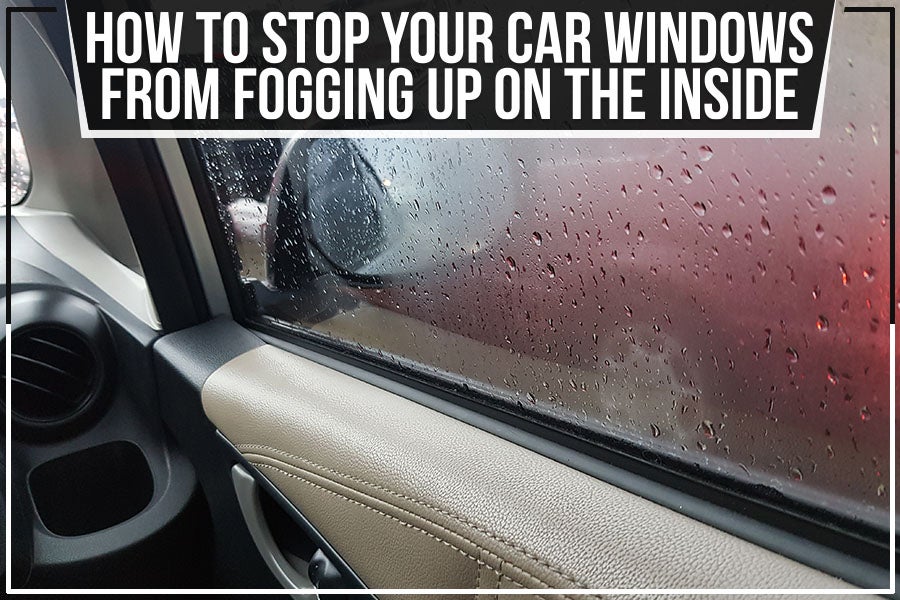
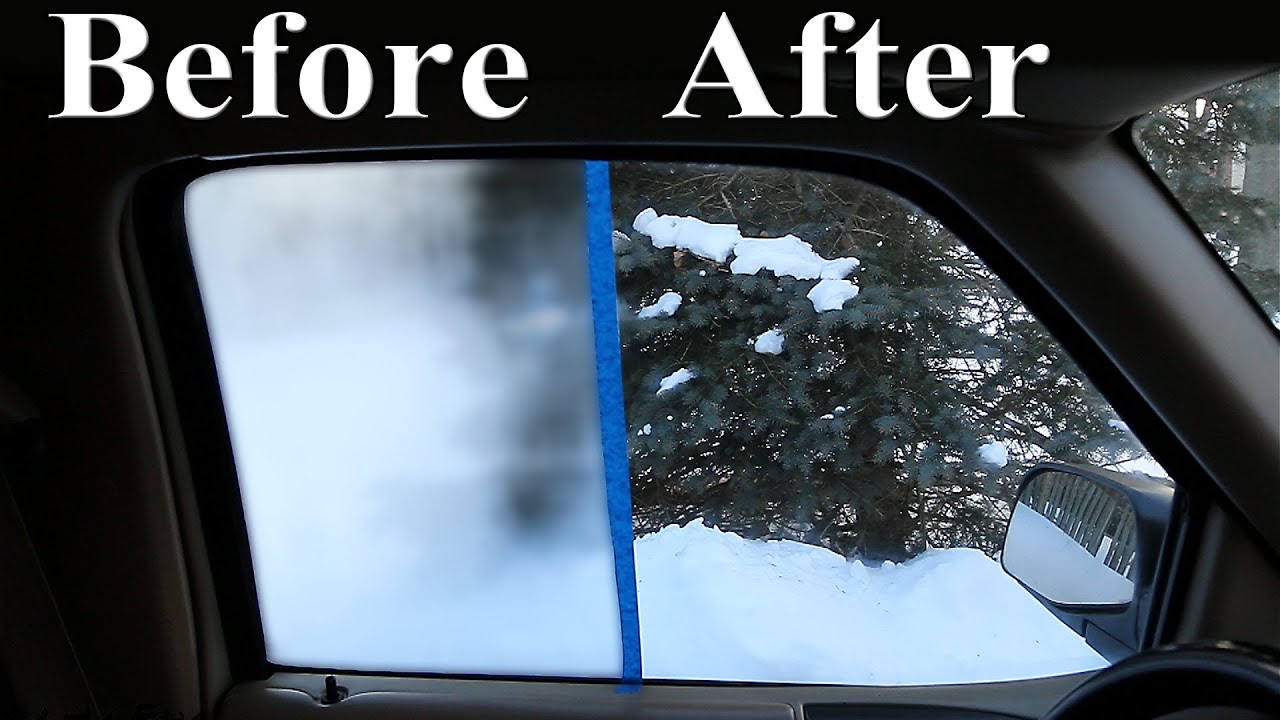
Car windows fog when water vapor in the cabin turns into tiny droplets on the glass. This happens when the inside of the window is cooler than the damp air around it.
Your breath is a major source of moisture. Wet shoes, snow-covered coats, spilled drinks, damp floor mats, and even a small leak can add more water to the cabin.
Fog often appears when:
• The outside temperature is low.
• Several passengers are breathing inside the car.
• The air recirculation setting is on.
• Wet clothing or floor mats are in the vehicle.
• The cabin filter is dirty.
• The windshield is dirty or coated with residue.
Think of the glass as a cold mirror. When moist air meets it, the vapor settles on the surface and creates a cloudy film. The bigger the temperature and moisture difference, the faster the fog forms.
The same process can happen in warm weather. For example, a cool air-conditioned cabin may fog when humid outside air enters through an open door.
How to stop car windows from fogging up quickly
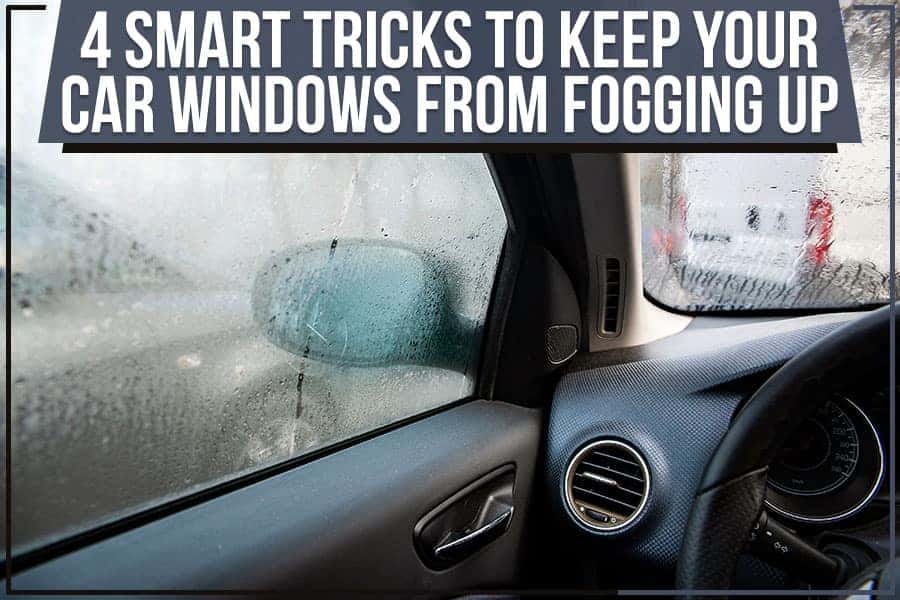
The fastest way to stop car windows from fogging up is to use the defroster correctly. You do not need to wipe the glass while driving, and you should never rely on a hand or sleeve to keep the windshield clear.
Follow these steps:
Turn on the front defroster.
Set the fan to a medium or high speed.
Choose warm air if the glass is cold.
Turn on the air conditioner, even in winter.
Switch off cabin air recirculation.
Open a window slightly if the air inside is very damp.
The air conditioner removes moisture from the air. This is why it helps even when you want warm air. The heater then warms the glass, while the fresh-air setting replaces humid cabin air with drier outside air.
Most cars have a dedicated defrost or defog button. It often sends air to the windshield and front side windows while turning on the air conditioner automatically. Use this setting first, then adjust the temperature and fan once visibility improves.
Do not drive until you can see clearly through the windshield and side windows. A few extra seconds can prevent a serious crash.
The best climate control settings
Many drivers use the wrong combination of controls. They turn on heat but leave recirculation active, which keeps moist air trapped inside the car.
Use these settings when the windows fog:
• Air direction: Windshield and front side windows
• Temperature: Warm or comfortably hot
• Fan: Medium or high
• Air conditioning: On
• Recirculation: Off
• Rear window: Rear defogger on
Fresh-air mode is especially important. Recirculation is useful for cooling the car quickly or keeping out smoke and odors, but it can make window fog worse during damp weather.
If your car has automatic climate control, press the defrost button. The system may select the fan, temperature, and air conditioning for you. Still, check that the air intake is not blocked by leaves or snow.
For side windows, point the adjustable vents toward the glass. Side-window fog can hide pedestrians, cyclists, and vehicles in your blind spots. Clear all windows before moving.

How to stop car windows from fogging up in winter
Winter fog is common because the glass becomes cold very quickly. Snow on shoes and coats also adds moisture to the cabin.
To stop car windows from fogging up in cold weather, warm the glass with the defroster and dry the cabin air with the air conditioner. Avoid blasting cold air at a cold windshield, since this may take longer to clear the moisture.
Try this winter routine:
Start the engine and select the front defroster.
Set the temperature to warm.
Turn on the air conditioner.
Keep recirculation off.
Brush snow from coats and shoes before entering.
Remove wet floor mats when possible.
Never pour hot water on a frozen windshield. The sudden temperature change can crack the glass. Use the car’s defroster, an approved ice scraper, or a proper deicer instead.
Remote starting may warm the cabin, but it does not always remove moisture. The windows can remain foggy if the climate system is not set to fresh air and defrost mode.
How to prevent windows from fogging while driving
Clearing fog once is helpful, but prevention is better. Small changes can keep the glass clear during the whole trip.
Before driving, check these areas:
• Clean the inside of the windshield with a glass cleaner and a clean microfiber cloth.
• Dry wet floor mats and carpets.
• Remove damp jackets, umbrellas, and towels.
• Check that the cabin air filter is clean.
• Keep the fresh-air setting available.
• Make sure the air vents are not blocked.
A dirty windshield fogs more easily because dust and oily residue give moisture more places to cling. Clean the inside glass at least once a month, or more often if you smoke, eat in the car, or use dashboard cleaning products.
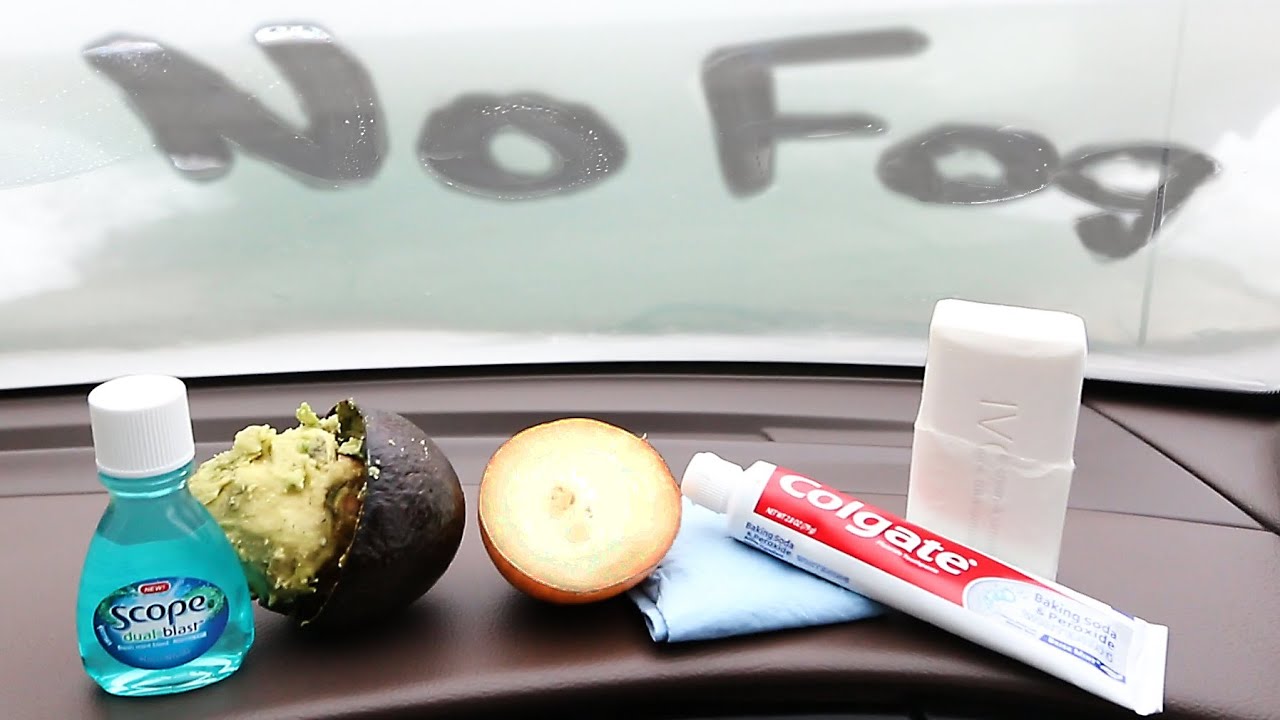
Do not apply household dish soap, shaving cream, or greasy products to the glass. Some internet tips may work briefly, but they can leave streaks and create glare at night. A quality automotive glass cleaner is safer and more reliable.
If your vehicle repeatedly fogs even in dry weather, inspect the cabin. A wet carpet may signal a blocked drain, damaged door seal, leaking windshield seal, or heater core problem.

Does air conditioning help in winter?
Yes. Air conditioning helps stop car windows from fogging up in winter because it removes moisture from the cabin air.
When humid air passes over the cold evaporator inside the air conditioning system, water condenses and drains outside the vehicle. The heater can then warm this drier air before it reaches the windshield.
This process does not mean the air conditioner must blow cold air. In most vehicles, the climate system can run the compressor while the heater warms the cabin. Many cars activate the compressor automatically when you select defrost.
If the air conditioner does not work, the windows may still clear with warm fresh air, but the process can take longer. Have the system checked if the compressor never engages or the air stays damp.
Common mistakes that make fog worse
Some actions seem helpful but can reduce visibility or trap more moisture.
Avoid these mistakes:
• Leaving recirculation on for a long time.
• Wiping the windshield with a hand, sleeve, or dirty cloth.
• Using only cold air on a cold windshield.
• Turning off the fan too soon.
• Driving with wet mats inside the car.
• Ignoring a musty smell or damp carpet.
• Using a greasy anti-fog product that creates glare.
Wiping the glass may create a temporary clear spot, but it spreads oil and dirt across the surface. It also takes your attention away from the road. Use the defroster while parked or let the system clear the glass before driving.
One mistake I often see is turning the heat off as soon as a small section becomes clear. The moisture then returns within minutes. Keep the defroster running until the cabin air is dry and the glass stays clear.

What to do if windows keep fogging
If your car windows fog repeatedly, climate settings may not be the only cause. A mechanical or water leak issue could be adding moisture to the cabin.
Check for these warning signs:
• Damp carpet, especially near the front passenger area
• A sweet smell inside the vehicle
• Oily moisture on the windshield
• A cooling system that loses fluid
• A wet headliner or door panel
• Water in the spare-tire well
• A musty odor after rain
A sweet smell and oily film may point to a heater core leak. This issue needs prompt inspection because coolant vapor can reduce visibility and may signal a cooling system problem.
Also check the cabin air filter. A clogged filter reduces airflow and makes the defroster less effective. Most manufacturers recommend replacing this filter at a scheduled interval, but dusty roads, wildfire smoke, and heavy city traffic may require more frequent changes.
If the issue started after windshield replacement, ask a qualified glass technician to inspect the seal. Improper sealing can let water into the cabin.
How to stop car windows from fogging up at night
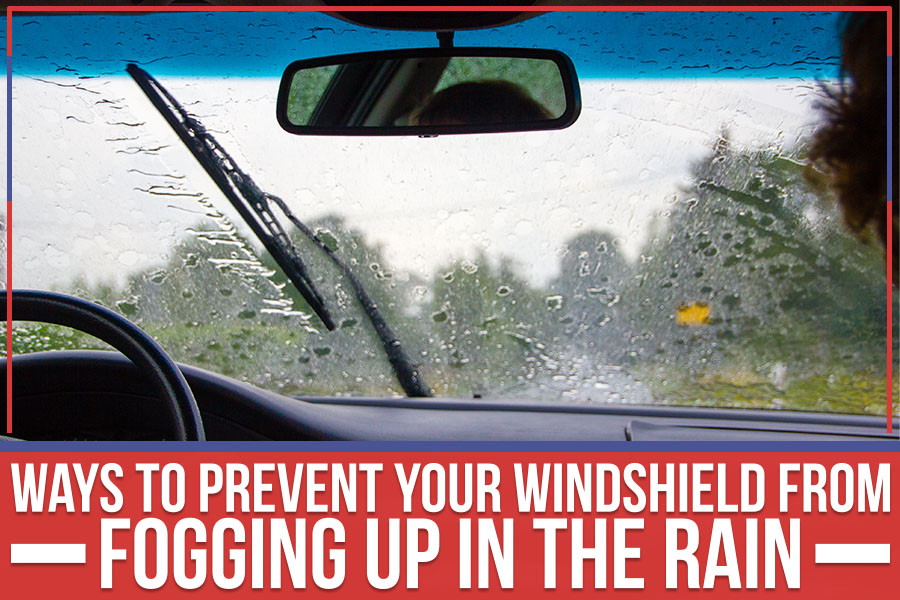
Night driving makes fog more dangerous because headlights reflect off moisture and streaks on the glass. Even a thin layer can create bright halos and reduce contrast.
To stop car windows from fogging up at night:
• Clean the inside and outside of the glass.
• Use the front defroster before entering traffic.
• Keep the air conditioner on.
• Use fresh-air mode.
• Reduce cabin moisture.
• Make sure the dashboard vents aim at the glass.
Never use high beams as a solution for poor visibility caused by fogged windows. Clear the glass first. If the windshield fogs suddenly while driving, slow down, turn on the hazard lights if needed, and pull over safely when possible.
Anti-fog treatments can help in some cases, but results vary. Follow the product directions and test it on a small area first. A poorly applied coating may cause streaks, glare, or wiper smearing.
Simple products that can help
The most effective tools are already built into your vehicle. The defroster, heater, air conditioner, fresh-air intake, and rear-window grid usually work better than homemade remedies.
Useful items include:
• A clean microfiber glass cloth
• Automotive glass cleaner
• An approved windshield deicer
• A moisture-absorbing bag designed for vehicles
• Replacement cabin air filters
Moisture absorbers may help with parked vehicles, but they cannot replace proper ventilation. Keep them secured so they do not slide under the pedals or distract the driver.
Never place loose towels, bags, or containers on the dashboard. They can obstruct airbags or move during sudden braking. Avoid products that claim to remove all fog without explaining how they work.
Vehicle safety guidance consistently treats clear windows and proper visibility as essential driving conditions. If you cannot see clearly, do not continue driving until the problem is fixed.
A practical routine for clear windows
Use this short routine whenever the weather is cold, wet, or humid:
Remove snow and water from your clothing before getting in.
Start the car and select front defrost.
Turn the fan up and choose warm air.
Turn on air conditioning.
Switch off recirculation.
Open a window slightly if the cabin is very humid.
Clean the glass once visibility improves.
Check the side and rear windows before moving.
In my experience, the biggest improvement comes from combining heat with air conditioning. Many drivers use one or the other, but the two systems solve different parts of the problem. Heat warms the glass, while air conditioning dries the air.
Another lesson is to clean the glass before winter begins. A clean windshield clears faster and produces less glare. This small task takes a few minutes but can make a major difference during a dark, rainy commute.
Frequently asked questions about how to stop car windows from fogging up
Why do my car windows fog up inside?
Inside fog forms when warm, moist cabin air touches cold glass. Breathing, wet clothes, wet mats, and poor ventilation can raise the moisture level.
Should I use hot or cold air to clear a foggy windshield?
Use warm air to heat the glass, and turn on the air conditioner to remove moisture. Keep the fan aimed at the windshield and use fresh-air mode.
Should recirculation be on or off when windows fog?
Turn recirculation off. Fresh outside air helps replace the damp air trapped inside the cabin.
Does turning on the AC clear fog in winter?
Yes. The air conditioner removes moisture even when the heater is running. Use warm temperature settings with the AC on for faster results.
Why do my windows fog up even when the heater is on?
The heater may warm the air without removing enough moisture. A wet cabin, blocked cabin filter, faulty AC system, or water leak may also be responsible.
Can I use shaving cream to stop car windows from fogging?
It may leave a temporary coating, but it can cause streaks and glare. Automotive glass cleaner and correct climate settings are safer choices.
How do I stop the rear window from fogging?
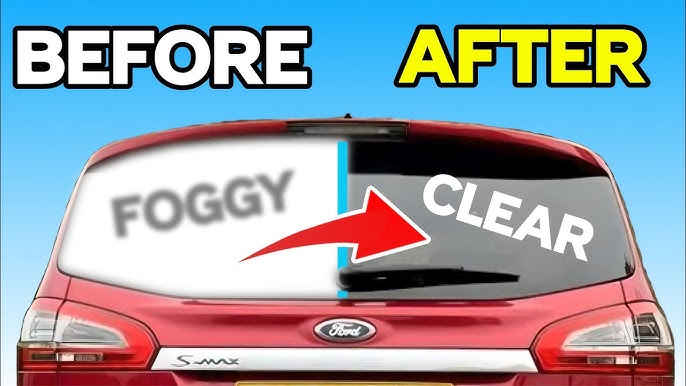
Turn on the rear defogger. It uses electrical heating lines in the glass to warm the surface and remove moisture.
Is it safe to drive with partly fogged windows?
No. Even small areas of fog can hide hazards, especially at night or near intersections. Clear the windshield and side windows before driving.
Conclusion
The most reliable way to stop car windows from fogging up is to combine warm air, air conditioning, and fresh outside air. Turn on the defroster, switch off recirculation, keep the fan running, and remove moisture from wet clothing, mats, and carpets.
Clean glass also matters. If fog keeps returning, inspect the cabin air filter and look for leaks or coolant problems. Use these steps before every cold or wet drive, and your windows should clear faster and stay clearer. Share your own fog prevention tips or explore more vehicle safety guides for smarter, safer driving.