

Most interior scratches fade with gentle cleaning, heat, light polishing, or a matched plastic repair coating.
Interior car panels can scratch easily from keys, shoes, pets, child seats, and loose cargo. The right repair depends on the panel material, scratch depth, color, and texture. In this guide, you will learn how to remove interior scratches from car panels without causing more damage. You will also see when a home repair is safe and when professional refinishing is the better choice.
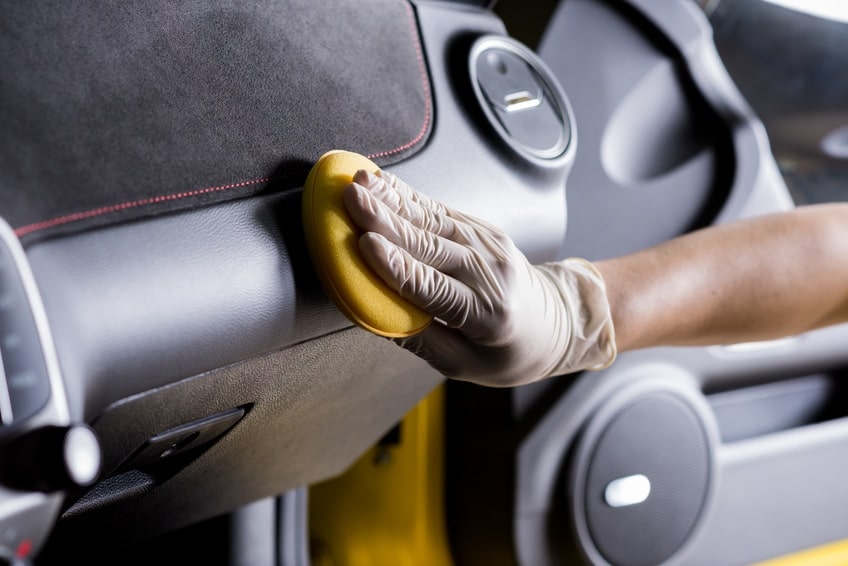
Identify the Interior Panel Material
Before learning how to remove interior scratches from car panels, identify what you are repairing. Most vehicle interiors use several materials, and each one needs a different method.
Common materials include:
• Hard textured plastic on doors, dashboards, and lower trim
• Soft touch plastic on dashboards and armrests
• Painted or glossy plastic around screens and controls
• Vinyl on door inserts and seats
• Leather or synthetic leather on seats and trim
• Clear plastic on instrument panels
A scratch on hard black plastic may respond well to heat. A scratch on glossy trim may need light polishing. A cut in vinyl or leather needs filler, dye, or professional repair. Treating every surface in the same way is one of the fastest ways to make the damage worse.
Run a clean fingernail across the mark. If your nail does not catch, the mark may be a scuff or surface transfer. If your nail catches slightly, the scratch has entered the top layer. A deep groove that exposes a lighter color usually needs texture repair or color restoration.

Clean the Area Before Repairing It
Dirt can hide the real size of a scratch. It can also act like sandpaper during repair. Always clean the panel first.
Use this simple process:
Vacuum loose dust from the panel and nearby gaps.
Spray a mild interior cleaner onto a microfiber towel, not directly onto the electronics.
Wipe the area with light pressure.
Use a soft detailing brush around seams and textured grain.
Wipe again with a damp microfiber towel.
Let the panel dry fully.
Avoid strong household cleaners. Products that contain bleach, ammonia, alcohol, or harsh solvents may fade plastic or damage a soft touch coating. Vehicle interior cleaners are usually safer because they are made for plastics, vinyl, and coated surfaces.
Test every product in a hidden spot. Check the area after several minutes and again after it dries. A product that looks safe while wet can leave a shiny patch when dry.

Gather the Right Tools and Materials
You do not need a large professional kit for light damage. A few simple tools can help you remove interior scratches from car panels with less risk.
Useful supplies include:
• Clean microfiber towels
• Mild interior cleaner
• Soft detailing brush
• Masking tape
• Plastic trim cleaner
• Plastic polish for smooth surfaces
• Fine foam applicator pads
• Heat gun or hair dryer
• Plastic repair compound
• Matching interior dye or trim coating
• Fine grit sanding pads for repair work
• Nitrile gloves and eye protection
Choose products made for automotive interiors. Household furniture polish can leave a greasy film and may create glare on the windshield. Silicone based dressings can also make a dashboard slippery and attract dust.
For glossy black trim, use a polish labeled safe for piano black plastic. For textured plastic, use a trim restoration product that does not fill the grain with a bright, uneven shine.

How to Remove Light Scuffs and Surface Marks
Light scuffs are often easier to fix than they first appear. The mark may be material from another object rather than damage to the car panel.
Start with the least aggressive method:
Clean the panel with a mild interior cleaner.
Wipe the mark with a damp microfiber towel.
Try a clean rubber eraser on a small hidden area.
Use a plastic safe cleaner if the mark remains.
Apply a small amount of interior trim dressing if the finish looks dry.
Do not rub hard with a magic eraser. Melamine foam can remove marks, but it also acts like a very fine abrasive. On soft touch coatings, it may create a dull or sticky patch.
For smooth plastic, apply a small amount of plastic polish to a foam pad. Work in a small area with gentle pressure. Remove the residue with a clean towel and inspect the panel under natural light.
This method can reduce the look of shallow marks. It cannot rebuild plastic that has been cut away.

How to Remove Interior Scratches From Textured Plastic
Textured plastic is common on door panels, glove boxes, and lower dashboards. Its grain hides minor marks, but aggressive polishing can flatten that texture.
For a shallow scratch, clean the area first. Then apply a small amount of plastic trim restorer with a foam applicator. Work across the grain and along the grain. This helps the color look even without leaving a shiny line.
For a deeper scratch, a plastic repair compound may work better. Apply a small amount with a plastic spreader. Press it into the groove, but do not cover a large area. Once it cures, use a fine pad to level only the raised repair material.
Matching texture is the difficult part. Professional technicians may use grain stamps or heated texture tools. At home, a perfect match is not always possible. A carefully blended repair often looks better than a deep, bright scratch, but it may still be visible at certain angles.
I once saw a door panel made worse by sanding the whole area around a small scratch. The repaired spot became smooth while the rest of the panel kept its original grain. The lesson is simple: keep the repair small.

Using Gentle Heat on Black Plastic
Gentle heat can help restore the appearance of shallow scratches in some black plastic panels. Heat slightly softens the surface and allows the surrounding texture to blend.
A hair dryer is safer than a heat gun for beginners. Set it to a low or medium setting and keep it moving. Hold it several inches from the panel. Warm a small area for a few seconds, then stop and inspect it.
If you use a heat gun, follow these rules:
• Use the lowest useful temperature.
• Keep the tool moving at all times.
• Work in short passes.
• Protect nearby switches, screens, glass, and painted trim.
• Stop if the plastic becomes glossy, wet looking, or warped.
Heat does not work on every plastic. It can create shine, distortion, bubbling, or permanent texture loss. Never use heat near an airbag cover, electrical connector, exposed wiring, or a fuel vapor area.
This technique is best for minor marks on unpainted black plastic. It is not a safe choice for glossy trim, clear plastic, vinyl, leather, or soft touch coatings.
How to Repair Scratches on Glossy Interior Trim
Glossy trim shows scratches clearly because light reflects from its smooth surface. Common examples include piano black trim, center console panels, and screen bezels.
Start by washing away dust. Then mask the edges around the damaged area. Use a plastic polish designed for clear coated or glossy automotive surfaces. Apply it with a soft foam pad and very light pressure.
Check the surface often. Polishing removes a small amount of material. If you keep rubbing, you may remove the clear coating and create a cloudy patch.
For deeper scratches, polishing alone may not work. The panel may need wet sanding, primer, color coating, and clear coating. That process requires skill because the final gloss must match the surrounding trim.
Never use metal polish, toothpaste, rough compound, or a household abrasive on glossy interior plastic. These products can leave haze and swirls that are harder to repair than the original scratch.

How to Remove Scratches From Vinyl and Soft Touch Surfaces
Vinyl and soft touch surfaces need a softer approach. Their coatings can react badly to strong cleaners, heat, and abrasive pads.
Clean the surface with a water based interior cleaner. If the mark is only a scuff, gentle wiping may remove it. If the surface is cut, use a vinyl repair kit that includes filler and color matching dye.
A basic vinyl repair process usually includes:
Clean and dry the area.
Trim loose edges with small scissors.
Apply a small amount of flexible filler.
Let the filler cure as directed.
Add matching color in thin layers.
Blend the edges into the surrounding panel.
Do not fill a flexible surface with hard body filler. It may crack when the panel bends. Do not apply a thick layer of dye in one pass. Thin layers look more natural and reduce the chance of a raised repair.
Soft touch coatings can become sticky with age. In that case, the coating itself may be failing rather than scratched. Removing or refinishing the entire affected section may be the only lasting solution.

A Safe Step by Step Repair Method
If you want a general process for how to remove interior scratches from car panels, use this order. It keeps the repair controlled and reduces unnecessary damage.
Take clear photos of the scratch before starting.
Identify the panel material and finish.
Clean the area with a mild automotive interior cleaner.
Dry it with a clean microfiber towel.
Mask nearby seams, buttons, screens, and painted surfaces.
Try the mildest repair method first.
Inspect the panel under bright, indirect light.
Repeat only if the surface is improving.
Apply a compatible finish or color product.
Let the repair cure before touching or cleaning it.
Work in a shaded, well ventilated place. Extreme heat can make plastic soft, while cold temperatures can prevent fillers and coatings from curing correctly. Follow the product label because curing times vary.
Take breaks during the repair. Tired eyes can make a small improvement look like a failure, or encourage you to keep polishing after the surface is already damaged.
Common Mistakes That Make Scratches Worse
Many failed repairs come from using too much force or the wrong product. Avoid these common mistakes:
• Scrubbing hard before cleaning the panel
• Using a magic eraser on soft touch plastic
• Applying a heat gun to one spot for too long
• Sanding a wide area around a narrow scratch
• Using furniture polish or oily dashboard products
• Polishing textured plastic until the grain disappears
• Spraying liquid near screens, switches, or air vents
• Painting without cleaning and degreasing first
• Skipping a hidden spot test
• Expecting a deep gouge to disappear with polish
One mistake I have seen often is applying a dark dressing to hide a scratch. It looks better for a day or two, then the product fades unevenly and leaves a shiny streak. A proper color repair is more work, but it lasts much longer.
When to Use a Professional Interior Repair Service
DIY work makes sense for light scuffs and shallow scratches. Professional help is safer when the damage affects a valuable, complex, or safety related component.
Consider a professional if:
• The scratch is deep and exposes a different base color
• The panel has a molded grain that must be matched
• The surface is soft touch and peeling
• The damage is near an airbag cover
• The trim includes electronics or a screen
• The panel is cracked, warped, or broken
• You need an exact color match
• The vehicle has a premium leather or Alcantara interior
A technician may repair the surface in place or remove the panel for refinishing. Replacement may be more practical when clips are broken or the plastic is badly distorted.
Ask for photos of previous work and request a clear estimate. A low price may mean a quick dye application that does not match the texture or sheen.
How to Prevent New Interior Scratches
The best way to remove interior scratches from car panels is to prevent them from returning. Small changes can protect high contact areas.
• Keep keys and metal items in a soft pouch.
• Use a cargo liner for tools, groceries, and sports gear.
• Lift objects over door sills instead of dragging them.
• Keep pet carriers covered and secured.
• Use a protective mat under child seats when allowed by the seat maker.
• Clean dust from panels before wiping them.
• Store sunglasses and coins in lined compartments.
• Avoid placing rough bags on glossy center consoles.
• Teach children to avoid kicking lower door panels.
Clean microfiber cloths also matter. A towel used on wheels may contain grit that can scratch dashboard plastic. Keep separate towels for the cabin and exterior.
How Long Does an Interior Scratch Repair Last?
The result depends on the repair method, the panel material, sunlight, heat, and daily use. A cleaned scuff may stay gone for years. A trim dressing may last weeks or months. A properly applied dye or professional coating can last much longer.
Direct sunlight and high cabin temperatures speed up fading and coating failure. Parking in shade, using a windshield sun shade, and choosing a UV protective interior product can help.
Avoid promising a perfect, permanent repair. Plastic ages, colors change, and repaired areas may react differently to heat. A good repair should blend with the surrounding panel and remain stable under normal use.
Frequently Asked Questions About How to Remove Interior Scratches From Car Panels
Can toothpaste remove scratches from car interior plastic?
Toothpaste is not a reliable choice for automotive interior plastic. It may contain abrasives that create haze, remove coatings, or leave a dull patch, especially on glossy trim.
Can I use a magic eraser on a car dashboard?
It is usually best to avoid a magic eraser on dashboards and soft touch panels. The abrasive foam can remove the finish and leave a visible dull area.
Does heat remove deep scratches from plastic panels?
Heat may improve shallow marks on some unpainted black plastics, but it cannot replace missing material. Excess heat can warp the panel, create shine, or damage nearby parts.
How do I fix a scratch on piano black interior trim?
Clean the trim, mask the surrounding area, and use a plastic safe polish with very light pressure. Deep scratches may need professional refinishing because polishing alone cannot restore missing coating.
Can interior scratches be completely removed?
Light scuffs and shallow marks can often be reduced or removed. Deep scratches, cuts, and texture damage may only be blended, filled, or covered through refinishing.
Is it safe to sand a scratched dashboard?
Sanding can be risky because dashboards often have coatings, textures, and safety components. If sanding is necessary, use fine materials, mask carefully, and avoid airbag covers and soft touch surfaces.
Conclusion
Learning how to remove interior scratches from car panels starts with identifying the material and judging the depth of the damage. Clean the area first, use the mildest method, and avoid aggressive heat, abrasives, and household chemicals. Light scuffs may need only careful cleaning, while deep cuts may require filler, color matching, or professional repair.
Take a photo, test every product in a hidden spot, and work slowly. A careful repair can make a tired interior look fresh again without replacing the whole panel. Try these steps on a small mark first, then share your results or explore more vehicle care guides for practical detailing advice.