

Wash gently, add paint protection film or ceramic coating, and remove dirt quickly to prevent scratches on new car paint.
A new vehicle looks its best when the paint is deep, glossy, and free from swirl marks. Yet daily driving exposes clear coat to dust, road grit, tree sap, bird droppings, careless washing, and even loose items near the car. Learning how to protect new car paint from scratches is less about one magic product and more about using the right habits in the right order.
Why New Car Paint Scratches So Easily
Modern vehicles usually have a clear coat over the color layer. This clear coat adds shine and helps protect the paint, but it is not scratch-proof. Fine sand, road salt, dirty towels, and rough brushes can mark its surface.
Most light scratches are not caused by a sharp object dragging across the car. They happen when small grains of dirt get trapped between the paint and a wash mitt, towel, or automatic car wash brush. The dirt acts like sandpaper.
Common causes include:
• Using one bucket for the entire vehicle
• Washing with a kitchen sponge or old bath towel
• Wiping dust from dry paint
• Using automatic car washes with worn brushes
• Leaving bird droppings or tree sap on the surface
• Placing bags, boxes, or tools on the hood or roof
• Parking under trees or near construction areas
The good news is that most daily damage can be reduced with simple care. The best approach to how to protect new car paint from scratches starts with avoiding friction when the surface is dirty.

Start With Safe Washing Habits
A careful wash is the foundation of how to protect new car paint from scratches. Wash the car in the shade, when the body is cool to the touch. Direct sun can dry soap and water before you rinse them away, which may leave marks and force you to wipe the surface more often.
Use a pH-balanced car shampoo. Household dish soap may remove wax and leave the surface less protected. It is not always harsh enough to damage clear coat after one wash, but it is not made for regular automotive paint care.
Use the two-bucket wash method:
Fill one bucket with clean water and car shampoo.
Fill a second bucket with plain water for rinsing the wash mitt.
Rinse the vehicle first to remove loose dust and grit.
Wash one small section at a time, starting at the roof.
Rinse the mitt after each section.
Clean the lower panels last because they hold the most road dirt.
Rinse the whole vehicle well before drying.
A grit guard can sit at the bottom of each bucket. It helps keep heavy dirt below the wash mitt, although it does not replace good technique. Use a separate mitt for wheels and tires because brake dust can contain abrasive particles.
In my detailing work, the most common mistake I see is not the soap. It is the wash mitt being used too long without rinsing. A mitt can look clean while holding enough grit to create dozens of fine marks.
Dry the Car Without Creating Swirl Marks
Drying is a key part of how to protect new car paint from scratches. Many owners wash carefully and then drag a rough towel across the paint. That last step can undo much of the work.
Use a clean, soft microfiber drying towel made for automotive use. A large, plush towel absorbs water with less pressure. Instead of rubbing, lay the towel flat and gently pull it across the panel, or blot the water from the surface.
You can also reduce contact by using:
• A clean car dryer or filtered air blower
• A soft water blade only when the surface is free from grit
• A final rinse with a gentle stream of water
Keep several towels available. Do not use the same towel on paint, wheels, exhaust tips, glass, and door jambs. Wash microfiber towels separately from cotton items, and skip fabric softener because it can reduce absorbency and leave residue.
Replace towels that feel rough, contain trapped grit, or have fallen on the ground. A dropped towel should be washed before it touches the paint again.
Choose the Right Paint Protection
Products can help, but each one has a different purpose. Understanding their limits makes how to protect new car paint from scratches much easier.
Paint Protection Film
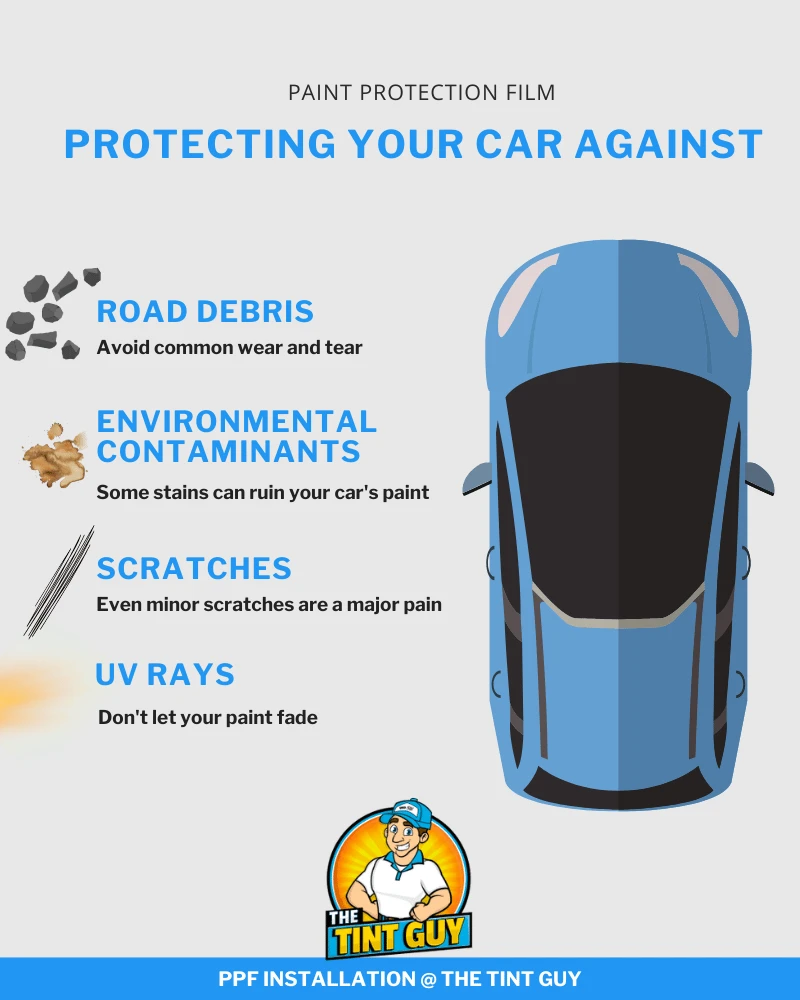
Paint protection film, or PPF, is a clear urethane film applied to painted panels. It is designed to protect against stone chips, light scuffs, road debris, and some surface marks.
Full-body PPF offers the broadest coverage, but it can be costly. Many drivers protect only high-impact areas, such as:
• The front bumper
• Hood and front fenders
• Side mirrors
• Rocker panels
• Door edges
• Behind the rear wheels
Quality film installed by a trained professional can provide strong protection. It will not make the car immune to deep damage, and poor installation can cause visible edges, lifting, or trapped dirt. Ask to see the installer’s work, warranty terms, and recommended care instructions.
Ceramic Coating
A ceramic coating chemically bonds to the clear coat and creates a smooth, water-repellent surface. It can make washing easier and help reduce staining from dirt, water spots, and road film.
A ceramic coating is not a shield against every scratch. It will not stop a stone chip or protect against a key. Its main benefit is easier cleaning and added resistance to light chemical damage and minor surface contact.
Professional coatings often require careful paint preparation. Even a new car may have transport marks, dealer-installed swirls, or contamination. Paint correction may be needed before coating, but correction removes a very small amount of clear coat, so it should be done carefully.
Sealants and Wax
Synthetic paint sealants and waxes add a sacrificial layer above the clear coat. They can improve gloss and make dirt easier to remove. However, they are softer and less durable than PPF or a professional ceramic coating.
Wax does not repair scratches. It may temporarily make very fine marks look less visible by filling or masking them. Reapply the product according to its label rather than assuming one application will last all year.
For many owners, a good sealant is a practical middle ground. It costs less than PPF and can provide useful protection when paired with safe washing.

Protect High-Risk Areas First
If your budget is limited, focus on areas that receive the most abuse. This is one of the most cost-effective answers to how to protect new car paint from scratches.
Consider protecting:
• The front bumper from road debris
• The hood from stones and insects
• The front fenders from tire spray
• Door edges from contact with walls and nearby vehicles
• Door cups from fingernails
• Rocker panels from gravel
• The trunk loading area from luggage and groceries
Clear door-cup film and edge guards are inexpensive options. They may not look as seamless as professional PPF, but they can prevent common marks in high-contact spots.
Be cautious with cheap adhesive products. Some can trap dirt, leave residue, or damage weak paint when removed. Test removable products in a hidden area and follow the manufacturer’s directions.
Remove Bird Droppings, Sap, and Road Film Quickly
Organic contamination can damage paint even when it does not look abrasive. Bird droppings may contain acids and gritty material. Tree sap can harden and bond to the clear coat. Insects can leave acidic residue on the front bumper.
The safest method is to soften the contamination before wiping:
Place a damp microfiber towel over the spot.
Let it sit for several minutes.
Add a paint-safe detail spray if needed.
Lift the residue gently.
Use a fresh section of the towel for the final wipe.
Never scrape dry bird droppings or sap with a fingernail, razor, credit card, or plastic tool. If the material is hard, soften it again. Patience protects the clear coat.
If you cannot wash the whole car, a spot clean is better than allowing harmful residue to bake in the sun. This simple habit is central to how to protect new car paint from scratches and stains.

Avoid Automatic Car Wash Damage
Some automatic car washes use soft cloth, foam, or touch-free systems. Others use spinning brushes that may carry grit from many vehicles. Because you cannot always know how well the equipment is maintained, brush-style washes can increase the risk of swirl marks.
Touch-free washes reduce physical contact, but their strong chemicals may remove wax or sealants over time. They are useful when the car is heavily dirty and you cannot hand-wash safely, but rinse pressure alone may not remove every film.
If you use an automatic wash:
• Choose a touch-free option when possible
• Avoid the brush system if preserving a flawless finish is important
• Skip the automatic towel or brush drying cycle
• Rinse road salt from the underbody during winter
• Apply a fresh sealant after repeated strong chemical washes
A professional hand wash can be a good alternative, but ask how the team handles towels, mitts, wheels, and dirty vehicles. A hand wash is not automatically safe if the process is careless.
Use a Car Cover and Park With Care
A car cover can help when the vehicle is stored indoors or parked for long periods. However, using a cover on a dusty outdoor car may cause scratches as wind moves the cover across the paint.
For outdoor use, choose a breathable, soft, well-fitted cover. Clean both the cover and the vehicle before installation. Do not pull a cover across a dirty surface.
Parking location also matters. Try to avoid:
• Low branches that drop sap
• Areas beneath nesting birds
• Construction zones
• Tight spaces where doors may strike your car
• Gravel lots with heavy traffic
• Places where sprinklers spray hard water onto the vehicle
A garage is helpful, but it does not remove the need for safe washing. Dust still settles indoors, and careless wiping can still mark the finish.
Handle Touch-Ups and Minor Scratches Correctly
Not every mark needs professional paint correction. Very light swirls may respond to a fine polish, while deeper scratches may need touch-up paint or body repair.
You can often identify a deeper scratch by running a clean fingernail lightly across it. If your nail catches, the damage may extend beyond the clear coat. This test is not perfect, but it helps you decide whether a professional inspection is wise.
Avoid aggressive rubbing and repeated polishing. Machine polishing removes a small amount of clear coat, and excessive correction can weaken the finish. A reputable detailer should inspect the scratch in good light and explain whether polishing, touch-up paint, or panel repair is appropriate.
For leased or newer vehicles, document damage with clear photos. This can help with repair estimates and prevent confusion later.
A Simple Maintenance Plan
A routine makes how to protect new car paint from scratches easier to follow. You do not need to spend hours every weekend.
Use this basic schedule:
• Weekly or as needed: Remove bird droppings, sap, and heavy dirt.
• Every two weeks: Wash the vehicle with safe tools and a proper car shampoo.
• Monthly: Inspect door edges, wheel arches, rocker panels, and the front bumper.
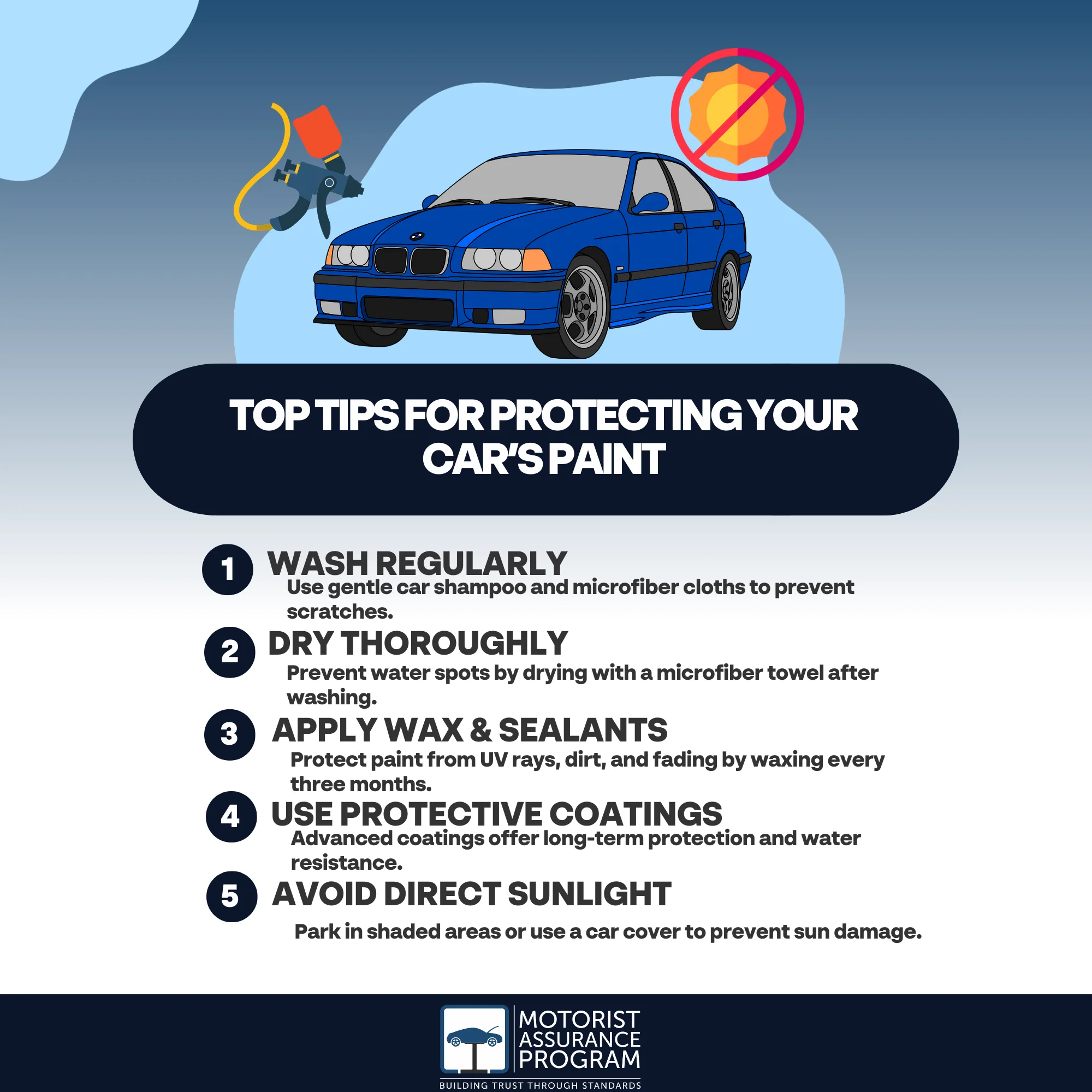
• Every few months: Reapply wax or sealant according to the product instructions.
• Twice a year: Check the condition of PPF, ceramic coating, trim, and weather seals.
• Before winter: Apply protection and remove trapped road salt during cold-weather washes.
The correct frequency depends on climate and use. A car driven on salted roads, dusty highways, or gravel routes needs more frequent cleaning than a garage-kept weekend vehicle.
Mistakes That Cause New Car Paint Scratches
Many paint problems come from small shortcuts. Avoid these common mistakes:
• Wiping dust from dry paint with a paper towel
• Washing in circles with a dirty sponge
• Using one towel for every part of the car
• Dropping a microfiber towel and using it again
• Washing under direct midday sun
• Letting soap dry on the panels
• Scraping stuck-on contamination
• Applying a car cover over dust
• Assuming ceramic coating is scratch-proof
• Polishing often without measuring or inspecting the paint
The key lesson is simple: reduce pressure, reduce contact, and keep dirt away from the surface. When contact is necessary, make sure the tools are clean and the paint is properly lubricated.

Frequently Asked Questions of How to Protect New Car Paint From Scratches
What is the best way to protect new car paint from scratches?
The best method combines careful washing, clean microfiber tools, prompt removal of contamination, and protection suited to your budget. PPF offers the strongest physical protection, while ceramic coatings, sealants, and wax mainly improve resistance and ease of cleaning.
Does ceramic coating prevent scratches?
Ceramic coating can help resist light surface marks and chemical stains, but it is not scratch-proof. It will not reliably stop stone chips, deep scrapes, keys, or heavy impact.
Is paint protection film worth it on a new car?
PPF can be worth the cost if you drive on highways, gravel roads, or routes with frequent road debris. Protecting only the front end and other high-risk areas can lower the price while still providing useful coverage.
Can automatic car washes scratch new paint?
Brush-style automatic washes can create swirl marks when dirt is trapped in the equipment. Touch-free washes reduce contact but may use strong chemicals, so hand washing with clean tools is usually the safest choice for a new finish.
How often should I wash a new car?
Wash it when dirt, salt, or contamination builds up rather than following a rigid calendar. Many vehicles benefit from a wash every one to two weeks, with spot cleaning done sooner when bird droppings or sap appear.
Can I use a household towel on car paint?
Household towels may be too rough, too small, or contaminated with lint and grit. Use clean, plush microfiber towels made for automotive paint, and keep separate towels for wheels and other dirty areas.
Should I wax a car with ceramic coating?
Many ceramic coatings do not need traditional wax, and some waxes may reduce the coating’s intended water behavior. Use only products approved by the coating maker or installer.
Conclusion
Protecting a new car’s finish is mostly about controlling dirt and friction. Wash with clean tools, rinse often, dry without rubbing, remove contamination quickly, and choose PPF, ceramic coating, sealant, or wax based on your driving needs.
The most important part of how to protect new car paint from scratches is consistency. Start with a safe wash kit, protect high-risk panels first, and inspect the paint before small marks become larger problems. Share your best paint-care tips in the comments, and explore more professional detailing guides to keep your vehicle looking new.