

Most car engines cool enough to touch in 30 minutes, but hot parts may remain dangerous longer.
Knowing how long for a car engine to cool down helps you check fluids, open the hood safely, or respond to overheating. The answer depends on engine size, outside temperature, airflow, coolant level, and how hot the engine became. This guide explains safe cooling times, warning signs, common mistakes, and what to do before touching anything.
How Long Does It Take for a Car Engine to Cool Down?
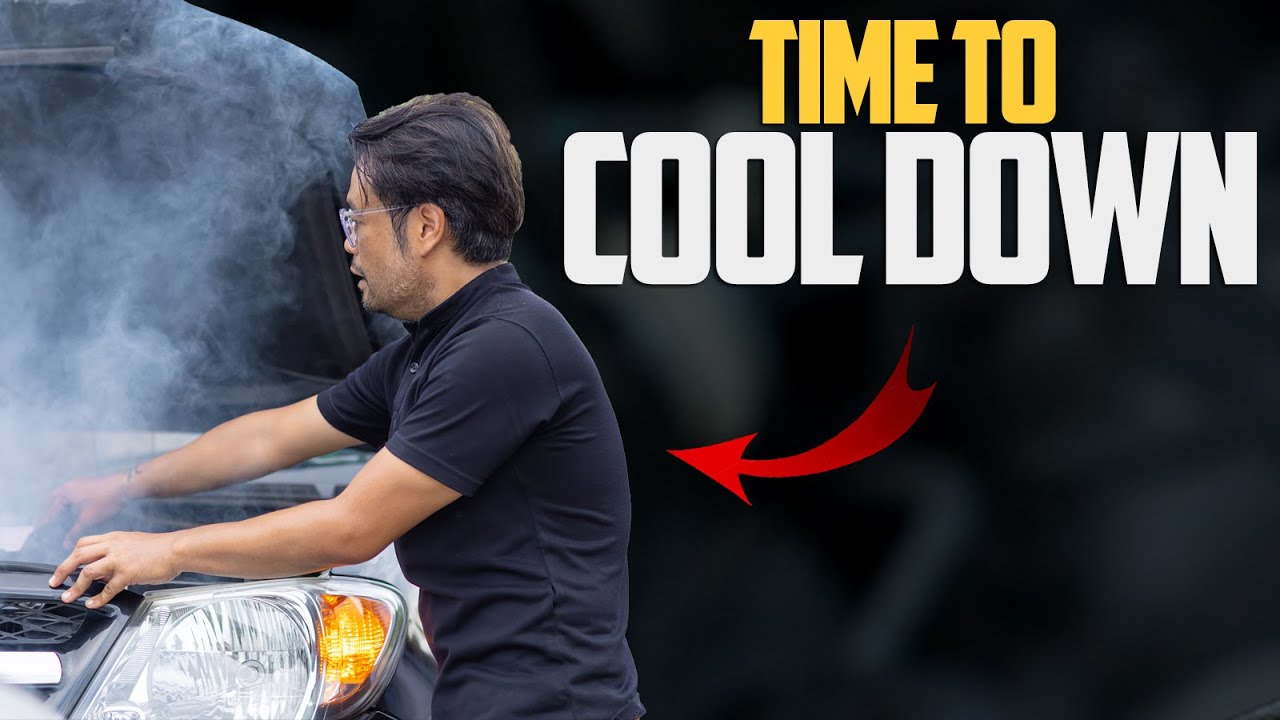
For most cars, how long for a car engine to cool down is about 30 to 60 minutes after normal driving. However, the engine may need one to two hours after severe overheating, heavy towing, or driving in very hot weather.
The metal under the hood can stay hot even when the temperature gauge returns to normal. Exhaust parts, the radiator, the engine block, and the coolant may all hold heat. Think of the engine like a cast-iron pan: the flame is off, but the pan is still hot.
A general cooling guide looks like this:
• 15 to 30 minutes: The engine may cool after a short, easy drive.
• 30 to 60 minutes: A common cooling time after regular city or highway driving.
• 60 to 120 minutes: Often needed after overheating, towing, or hard driving.
• Several hours: Best after severe overheating if you need to inspect the engine closely.
The exact answer to how long for a car engine to cool down cannot be based on time alone. Always use caution, watch for steam, and check the owner’s manual before opening the cooling system.

What Makes an Engine Cool Faster or Slower?
Several conditions affect how long for a car engine to cool down. A small four-cylinder engine may lose heat faster than a large V8, but airflow, temperature, and engine condition can matter just as much.
Engine size and design
Larger engines contain more metal and coolant. They can store more heat and may take longer to cool. Turbocharged engines also tend to run hotter near the turbocharger and exhaust system.
Modern engines may use electric cooling fans that continue running after the ignition is off. This is normal. Keep your hands, clothing, and tools away from the fan because it can start without warning.
Outside temperature and airflow
An engine cools faster in a cool, breezy area than in direct summer heat. A hot parking lot can slow the process, while a shaded spot with good airflow may help.
Do not park over dry grass or leaves after hard driving. Hot exhaust components can create a fire risk.
Driving conditions
Stop-and-go traffic, steep hills, towing, and fast acceleration increase engine heat. Air conditioning can also add some load, although a healthy cooling system should handle it.
Highway driving often provides strong airflow through the radiator. Still, a damaged fan, blocked radiator, or low coolant can cause overheating even at speed.
Coolant level and system health
Low coolant, a stuck thermostat, a weak water pump, or a leaking radiator can greatly increase cooling time. If the coolant is leaking, waiting will not fix the underlying problem.
A clean radiator, correct coolant mixture, working fan, and proper thermostat help an engine manage heat. Routine maintenance is often the best answer to how long for a car engine to cool down.
How to Tell if an Engine Is Cool Enough to Touch
Time is useful, but it is not the only safety test. You should never assume an engine is cool simply because the dashboard gauge looks normal.
Use these steps:
Turn off the engine and move the vehicle to a safe area.
Keep children and pets away from the front of the car.
Wait at least 30 minutes after normal driving.
Look for steam, smoke, boiling coolant, or hissing sounds.
Listen for the cooling fan, which may continue running.
Place the back of your hand near the hood without touching it.
If the hood feels very hot, wait longer.
Only touch engine parts when there is no sign of intense heat or pressure.
Never remove the radiator cap while the engine is hot. The cooling system is pressurized, and hot coolant can spray out and cause serious burns.
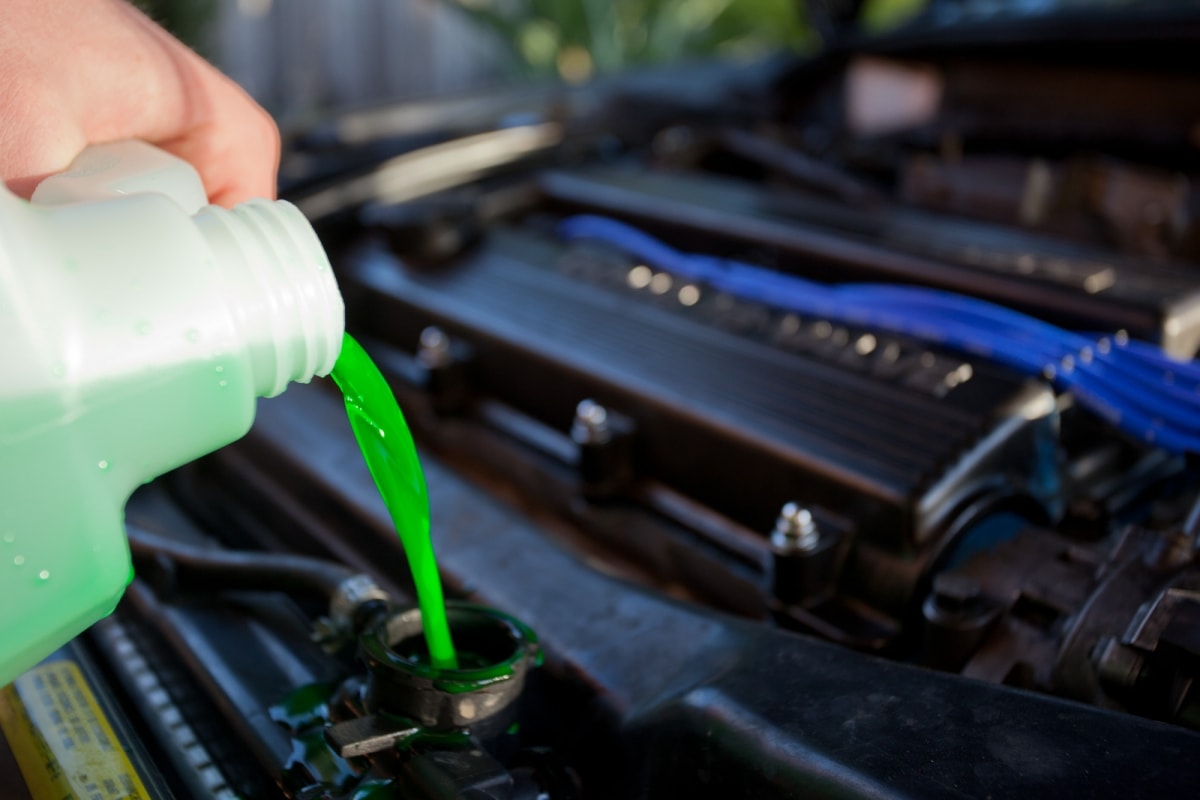
The coolant reservoir may also be hot. If you need to add coolant, wait until the engine is fully cold and follow the markings on the reservoir. Use the correct coolant type listed in the vehicle manual.

What to Do if Your Car Is Overheating
If the temperature gauge reaches the red zone or an overheating warning appears, take action quickly. Continuing to drive can damage the head gasket, cylinder head, pistons, or engine block.
Follow these steps:
Turn off the air conditioner.
Turn on the heater briefly if you need to reach a safe stopping place. The heater can move some heat away from the engine.
Pull over as soon as it is safe.
Turn off the engine.
Open the hood only if there is no heavy steam or visible spray.
Move away from the vehicle if steam continues.
Wait at least 30 to 60 minutes before checking anything.
Call roadside assistance if the vehicle overheated badly or will not restart safely.
If the temperature gauge is rising quickly, do not keep driving to “see if it gets better.” That choice can turn a small cooling problem into a major engine repair.
When deciding how long for a car engine to cool down after overheating, two hours is a safer starting point than 30 minutes. Even then, do not open the radiator cap until the engine and cooling system are completely cool.

Can You Drive a Car Before the Engine Cools Down?
You can drive after a normal stop if there is no overheating warning, no steam, and no unusual smell or noise. In fact, gentle airflow from driving can help a healthy engine shed heat.
You should not drive again if the engine overheated. A short trip to a repair shop may cause more damage, especially if coolant is low or the temperature rises again.
Watch for these warning signs:
• A temperature gauge near or in the red zone
• A coolant warning light
• Steam from under the hood
• A sweet smell from leaking coolant
• A burning smell
• Rough running or loss of power
• A ticking, knocking, or grinding sound
• Coolant under the vehicle
If any of these signs appear, let the engine cool and arrange a professional inspection. Knowing how long for a car engine to cool down is helpful, but cooling time does not prove that the vehicle is safe to drive.
Should You Open the Hood While the Engine Is Hot?
Opening the hood can help heat escape, but do it carefully. Stand to the side and use the hood release from inside the vehicle. Do not place your face or hands near the front of the hood if steam is escaping.
A hood can be hot enough to burn your skin. Use the support rod only if it is safe to do so, and keep away from moving fans and belts.
Do not:
• Remove the radiator cap
• Remove a pressurized coolant cap
• Pour cold water over the engine
• Touch the exhaust manifold or turbocharger
• Reach near the radiator fan
• Crawl under a hot vehicle
Pouring cold water onto a hot engine can create thermal shock. Rapid temperature changes may damage metal parts, seals, or plastic components. It is safer to wait and let the engine cool naturally.
How to Check Coolant Safely
Check coolant only when the engine is cold. The level should usually sit between the “low” and “full” marks on the translucent expansion tank.
If the level is low, inspect the ground and engine bay for signs of a leak. Look for wet areas, white or colored residue, cracked hoses, and a sweet odor. Do not rely on smell alone, because some coolant leaks are small or hidden.
Use the coolant specified by the vehicle manufacturer. Mixing the wrong coolant types can reduce corrosion protection or create chemical problems. If you are unsure, use the owner’s manual or ask a qualified technician.
Never use plain water as a permanent replacement for coolant. Water may help in an emergency, but the cooling system needs the correct coolant mixture for freeze protection, boiling protection, and corrosion control.
Common Mistakes That Delay Cooling or Cause Damage
Many engine problems become worse because drivers act too quickly. The following mistakes are especially common.
Removing the radiator cap too soon
This is the most dangerous mistake. Hot coolant may be under high pressure and can erupt when the cap is loosened.
Adding cold water immediately
Cold water can shock hot engine parts. It also may not solve the real problem if the system has a leak or failed water pump.
Restarting the engine repeatedly
If the engine overheated, repeated restarts add more heat and may worsen internal damage. Wait, inspect safely, and get help if needed.
Ignoring a rising temperature gauge
The gauge is an early warning system. If it moves above its normal position, reduce the load and stop safely.
Trusting the dashboard completely
A gauge can show a normal reading even when the coolant level is low or a sensor has failed. Strange smells, steam, and leaks deserve attention too.
Parking over flammable material
Exhaust components can remain extremely hot after the engine is off. Choose pavement or another safe surface when possible.
A Practical Cooling-Time Example
Imagine you drive for 40 minutes in normal traffic on a mild day. After parking, the engine may remain very hot for 30 to 45 minutes. You might hear the cooling fan run, and the hood may feel warm for much longer.
Now imagine towing a trailer uphill on a 95-degree day. The engine may need one to two hours to cool. If the temperature gauge reached the red zone, do not treat the vehicle as safe just because the hood no longer feels hot.
This example shows why how long for a car engine to cool down varies so much. The engine’s heat load matters more than the clock alone.
A useful field lesson is simple: do not rush because you are late. A few extra minutes of waiting are minor compared with a burn injury or a failed engine. Many roadside repairs become dangerous when someone reaches for the radiator cap too soon.
How Long Should You Wait Before Checking Oil?
Wait at least 10 to 15 minutes after turning off the engine before checking the oil level. This gives oil time to drain back into the oil pan and provides a more accurate reading.
For the safest approach, check oil on level ground with the engine off and cool enough to avoid burns. Some manufacturers recommend checking when the engine is warm, so follow the instructions in the owner’s manual.
Wipe the dipstick, insert it fully, remove it again, and read the level. If the oil looks milky, smells strongly of fuel, or contains metal particles, stop driving and seek professional help.
Oil and coolant checks are different. The correct answer to how long for a car engine to cool down before opening the cooling system is much longer than the wait needed for a basic oil check.
When Should You Call a Mechanic?
Call a mechanic or roadside service when the vehicle overheats, loses coolant, or shows repeated temperature changes. A professional can pressure-test the cooling system and check the thermostat, fan, radiator, water pump, hoses, and head gasket.
Get help immediately if:
• Steam continues after you stop.
• Coolant sprays from the engine bay.
• The temperature warning returns after cooling.
• The engine runs roughly or makes loud noises.
• You see oil mixed with coolant.
• The vehicle stalls or will not restart.
• The coolant reservoir is empty.
A cooling problem can come from a simple loose hose, but it can also signal serious internal damage. Waiting for the engine to cool only reduces immediate danger; it does not repair the fault.
Frequently Asked Questions About How Long for a Car Engine to Cool Down
How long for a car engine to cool down completely?
Most engines need about 30 to 60 minutes after normal driving. After overheating or heavy towing, allow one to two hours and avoid opening the radiator cap until the system is fully cold.
Can I touch my engine after 30 minutes?
You may be able to touch some safe areas after 30 minutes, but other parts can remain hot. Check for steam, hissing, and heat before touching anything, and stay away from the exhaust and cooling fan.
How long should I wait to open the radiator cap?
Wait until the engine is completely cold, which may take one to two hours after overheating. Never open the cap while steam, hissing, or strong heat is present.
Does turning on the heater cool an overheating engine?
The heater can remove some heat from the engine coolant. It may help you reach a safe stopping place, but it is not a repair and should not replace stopping the vehicle.
Can I pour water on a hot engine?
No. Pouring cold water on a hot engine may cause thermal shock and can spread hot coolant or create steam. Turn off the engine and let it cool naturally.
Why is my engine still hot after an hour?
Large engines, hot weather, heavy loads, poor airflow, low coolant, and cooling-system faults can extend the cooling time. If the engine remains unusually hot or overheats again, have it inspected.
Is it normal for the cooling fan to run after the car is off?
Yes, many vehicles use electric fans that continue running to lower engine and coolant temperatures. Keep hands and tools away from the fan because it may start without warning.
Conclusion
For most vehicles, how long for a car engine to cool down is about 30 to 60 minutes after normal driving. A badly overheated engine may need one to two hours, and the radiator cap should remain closed until everything is fully cold.
Use the temperature gauge, watch for steam and leaks, and never rush to touch hot engine parts. If overheating happens more than once, stop driving and have the cooling system checked by a qualified technician. Share this guide with another driver and explore your owner’s manual for vehicle-specific safety instructions.