

Blot the coffee, use mild cleaner, rinse lightly, and dry the car seat fully to prevent a lasting stain.
Coffee stains look small, but they can spread deep into seat fibers and foam. Milk, cream, sugar, and flavored syrups make the mess harder to remove and may leave odor. With the right method, you can clean car seat stains from coffee spill without damaging the fabric, leather, or vinyl. This guide explains safe steps for fresh and dried stains, common mistakes, and the best approach for each seat material.
What to Do Right After a Coffee Spill
Act fast when possible. Fresh coffee is much easier to remove than a dried ring that has bonded with the fabric. Heat from the car can also set the stain and make the odor stronger.
Before cleaning, remove the cup, lid, napkins, and any loose debris. Check whether the coffee contained milk, cream, sugar, or syrup. These ingredients affect the cleaning method because they can leave sticky residue or support odor-causing bacteria.
Use this first-aid process:
- Blot the spill with a clean white towel or paper towel.
- Press down gently instead of rubbing.
- Work from the outside of the stain toward the center.
- Use a fresh part of the towel as it absorbs the coffee.
- Keep blotting until little or no liquid transfers to the towel.
Do not scrub a fresh coffee stain. Scrubbing pushes the liquid deeper into the seat and can create a larger, fuzzy-looking mark on cloth upholstery.

Check the Car Seat Material First
The safest way to clean car seat stains from coffee spill depends on the seat material. A cleaner that works on fabric may damage leather or leave marks on synthetic suede.
Look at your vehicle owner’s manual for upholstery care instructions. You can also check the seat for a material label or care code. If you are unsure, treat the seat as delicate and use the least amount of water possible.
Cloth and fabric seats
Cloth seats absorb coffee quickly. They usually need a small amount of mild cleaner followed by careful rinsing and drying. Avoid soaking the cushion because the foam beneath the fabric can hold moisture for a long time.
Leather seats
Leather is less absorbent than cloth, but coffee can settle into seams and grain. Use a leather-safe cleaner, not dish soap, bleach, alcohol, or a strong all-purpose cleaner. Leather may also need conditioner after cleaning.
Vinyl seats
Vinyl is fairly easy to wipe clean. Still, harsh chemicals can remove its protective finish or make the surface feel sticky. A damp microfiber cloth and mild soap are often enough.
Suede, microsuede, and Alcantara
These materials need extra care. Too much water can create dark patches or change the texture. Follow the vehicle manufacturer’s care instructions and test any product in a hidden area first.

How to Clean Car Seat Stains from Coffee Spill on Cloth
For most fabric seats, you can clean car seat stains from coffee spill with mild dish soap, water, and clean towels. A fabric upholstery cleaner may also work, but always read the label before use.
Supplies you need
• White microfiber towels or clean white cloths
• A small bowl
• Cool or lukewarm water
• A few drops of mild dish soap
• A soft upholstery brush
• A dry towel
• A vacuum cleaner, if available
Avoid colored towels. Dye from a bright towel can transfer to light upholstery when the fabric becomes damp.
Step-by-step cleaning method
- Vacuum the seat first if the spill is dry. This removes crumbs and dried sugar without grinding them into the fabric.
- Mix about one cup of cool water with two or three drops of mild dish soap.
- Dip a microfiber cloth into the solution.
- Wring the cloth until it is damp, not wet.
- Dab the stain from the outside toward the center.
- Use a soft brush only on stubborn spots.
- Blot with a second cloth dampened with plain water.
- Press a dry towel over the area to remove moisture.
- Leave the doors or windows open so the seat can dry completely.
The plain-water blot is important. Soap left in the fabric can attract dirt and create a darker patch later. Think of it like washing a glass: the cleaning product does the work, but the final rinse removes the film.
If the coffee contained milk or cream, repeat the cleaning process once rather than using a stronger chemical. A second gentle pass is usually safer than one aggressive pass.
How to Remove Dried Coffee Stains
Dried coffee stains need patience. The liquid has already evaporated, leaving coffee solids, sugar, milk fat, or syrup behind. Rewetting the mark gently helps loosen this residue.
Start by vacuuming the seat. Then place a damp white cloth over the stain for several minutes. Do not pour water directly onto the cushion. The goal is to soften the residue, not flood the foam.
Next, use the mild soap solution described above. Dab and lift the stain in small sections. If the mark improves but does not disappear, let the area dry before repeating the process.
For a strong coffee odor, sprinkle a small amount of baking soda over the fully dry fabric. Let it sit for several hours, then vacuum it thoroughly. Never use baking soda on damp upholstery, and avoid placing powder near seat belts, buckles, electrical controls, or airbag seams.
A dried ring may remain when the seat was previously soaked unevenly. In that case, lightly clean the entire cushion panel from seam to seam instead of treating only one small spot. This helps prevent a clean-looking circle surrounded by a darker border.

Cleaning Coffee from Leather and Vinyl Seats
The method to clean car seat stains from coffee spill on leather or vinyl is different from the method for cloth. These surfaces usually need less water and no hard brushing.
Leather cleaning steps
- Wipe away fresh coffee with a dry microfiber cloth.
- Apply a small amount of leather-safe cleaner to the cloth, not directly to the seat.
- Gently wipe the stained area.
- Use a separate damp cloth to remove cleaner residue.
- Dry the surface with a clean towel.
- Apply a suitable leather conditioner if the manufacturer allows it.
Pay close attention to stitching and seams. Coffee can sit between leather panels and produce an odor later. Use a barely damp cotton swab for narrow seams, then dry the area.
Do not use household disinfectant, nail polish remover, window cleaner, or bleach on leather. These products can strip color and protective coatings.
Vinyl cleaning steps
Mix water with a small amount of mild soap. Wipe the vinyl with a damp cloth, then remove the soap with another damp cloth. Dry the surface fully.
If the coffee contains sugar, wipe the area again with plain water. Sticky residue can collect dust and make the seat look dirty even after the brown stain is gone.
Common Mistakes That Make Coffee Stains Worse
Many cleaning problems come from using too much product or too much water. The goal is controlled moisture and gentle lifting.
Avoid these mistakes:
• Rubbing hard, which spreads the stain and damages fibers
• Pouring water directly onto the seat
• Using hot water, which may set milk proteins and increase moisture inside the foam
• Spraying glass cleaner or bleach on upholstery
• Mixing cleaning chemicals
• Using a stiff brush on delicate fabric
• Closing the car while the seat is still damp
• Applying fragrance to hide a sour smell
• Ignoring coffee trapped around the seat belt buckle
• Using a steam cleaner without checking the vehicle manual
A steam cleaner can loosen stains, but heat and moisture may damage certain fabrics, adhesives, leather coatings, or seat electronics. It may also push liquid into the cushion. Professional detailers use extraction tools with care, but home users should follow the vehicle and machine instructions closely.

How to Dry the Seat and Prevent Odor
Drying is part of the cleaning process, not an optional final step. Moisture trapped in foam can cause a sour smell, especially when the coffee contained dairy.
Park in a safe, well-ventilated place. Open the doors or windows and use a fan if available. Avoid leaving the vehicle unattended with doors open, and do not use a heat gun or hair dryer on high heat.
Press dry towels over the cleaned area several times. You can also place a clean towel on the seat and apply light pressure with your hands. Replace the towel when it becomes damp.
The seat should feel dry to the touch and should not smell sour. If odor remains after drying, repeat a light cleaning cycle. For deep contamination, a professional upholstery extractor may be needed.
Never cover a damp seat with plastic. Plastic traps moisture and slows evaporation. It can also make the odor worse.
When Home Cleaning Is Not Enough
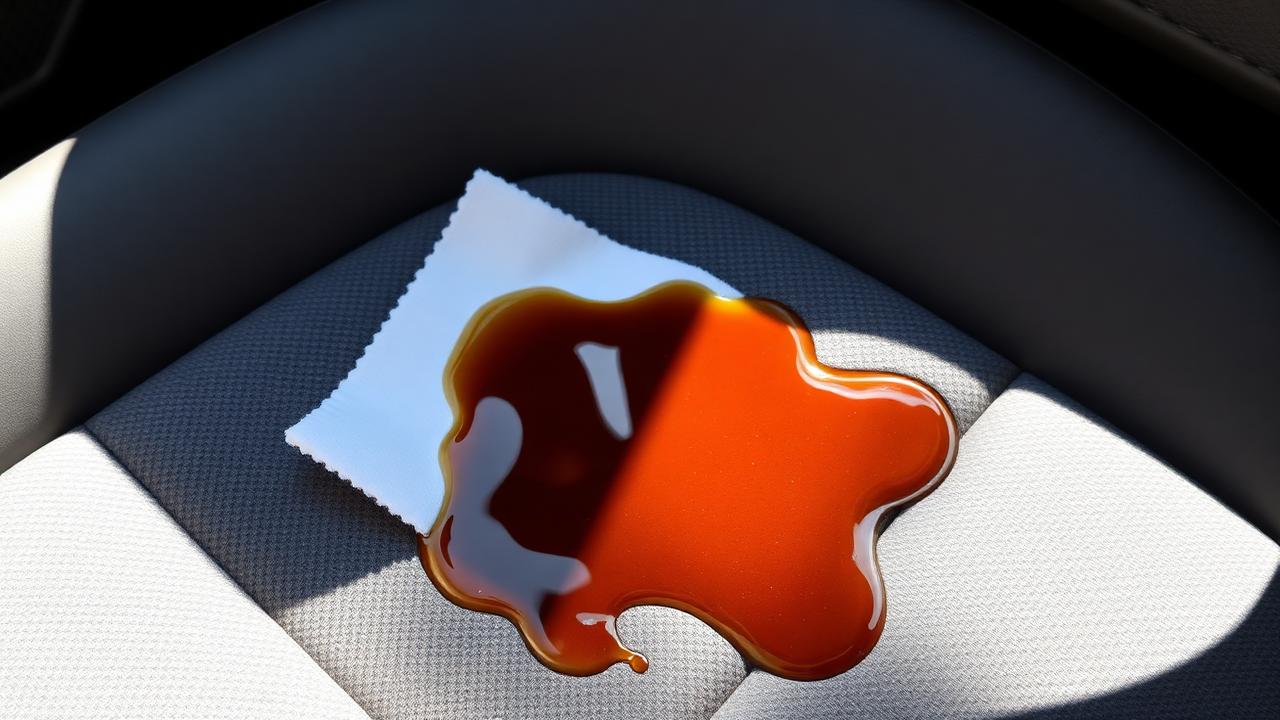
You may need professional help when the coffee soaked through the seat, the stain covers a large area, or the smell returns after cleaning. Professional detailers can use controlled extraction and material-specific products.
Get extra help if:
• The seat has heated or ventilated functions
• Coffee entered electrical controls or seat wiring
• The spill reached an airbag seam
• The seat has perforated leather
• The upholstery color starts transferring to the towel
• A strong odor remains after two careful cleaning attempts
• Mold-like spots appear
Do not remove seat covers or disconnect seat wiring unless you understand the safety procedure. Modern seats may contain side airbags, sensors, heating elements, and occupancy systems. When in doubt, ask the vehicle dealer or a trained automotive upholstery professional.
The limitation of any home method is that it can clean the visible surface without removing liquid deep in the foam. That is why quick blotting and complete drying matter so much.
A Simple Prevention Plan
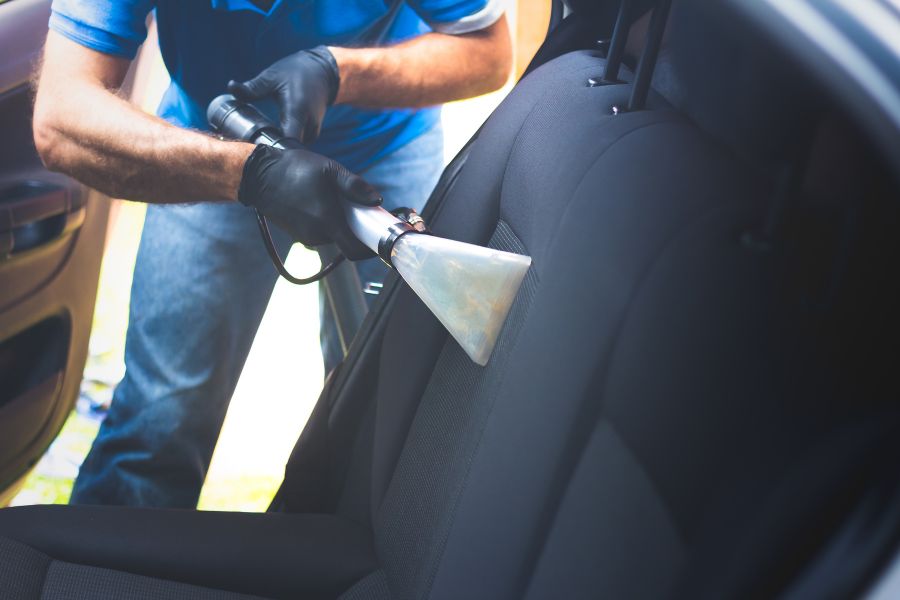
The easiest way to clean car seat stains from coffee spill is to prevent the spill from soaking in. Small habits can protect your upholstery and reduce cleaning time.
Try these steps:
• Use a travel mug with a locking lid.
• Keep drinks in a stable cup holder.
• Avoid placing open cups on the center console.
• Carry two white microfiber towels in the glove box.
• Keep a small upholstery-safe cleaner in the trunk.
• Clean small drips before they dry.
• Use washable seat covers if you often eat or drink in the car.
A towel and a few minutes of early action can save a full seat from a deep stain. This is one lesson that repeatedly proves useful in real-world car care: speed matters more than strong chemicals.

Frequently Asked Questions About How to Clean Car Seat Stains from Coffee Spill
Can I use vinegar to clean a coffee stain on a car seat?
Diluted vinegar may help with some odors, but it is not the best first choice for every material. It can affect leather finishes and may leave its own smell, so test it on a hidden area and follow the seat manufacturer’s guidance.
How do I clean car seat stains from coffee spill without leaving a ring?
Use very little liquid and clean gently from the outside toward the center. For a visible ring, lightly clean the full cushion panel from seam to seam, then blot and dry it evenly.
Can I use baking soda on a coffee-stained car seat?
Yes, baking soda can help absorb odor on fully dry fabric upholstery. Do not apply it to wet seats, leather, suede, or areas with exposed controls, buckles, or airbag seams.
Will coffee stains come out of leather car seats?
Most fresh coffee marks come off leather when treated quickly with a leather-safe cleaner. Dried stains, cracked leather, and stains in seams may require repeated gentle cleaning or professional care.
Is hot water safe for removing coffee from upholstery?
Cool or lukewarm water is safer for most car upholstery. Hot water can set milk-based residue and may drive moisture deeper into the seat foam.
How long does a car seat take to dry after cleaning?
A lightly dampened surface may dry within a few hours with good airflow. Thick padding, high humidity, and heavy spills can take much longer, so check for hidden dampness and odor before closing the car.
Should I use a carpet cleaner on a fabric car seat?
Only use a carpet or upholstery cleaner if its label says it is safe for automotive fabric. Avoid over-wetting the seat, and check the vehicle manual before using a machine with heat or strong suction.
Conclusion
To clean car seat stains from coffee spill, blot quickly, use a mild cleaner, apply minimal water, rinse away residue, and dry the seat completely. Choose the method based on the material, since cloth, leather, vinyl, and suede each have different care needs.
Avoid hard scrubbing, bleach, excess water, and strong heat. If coffee reaches the foam, electronics, or airbag area, professional cleaning is the safer choice. Keep a clean towel in your car so you can act fast next time, and share your best car-cleaning tip or explore more upholstery care guides.