

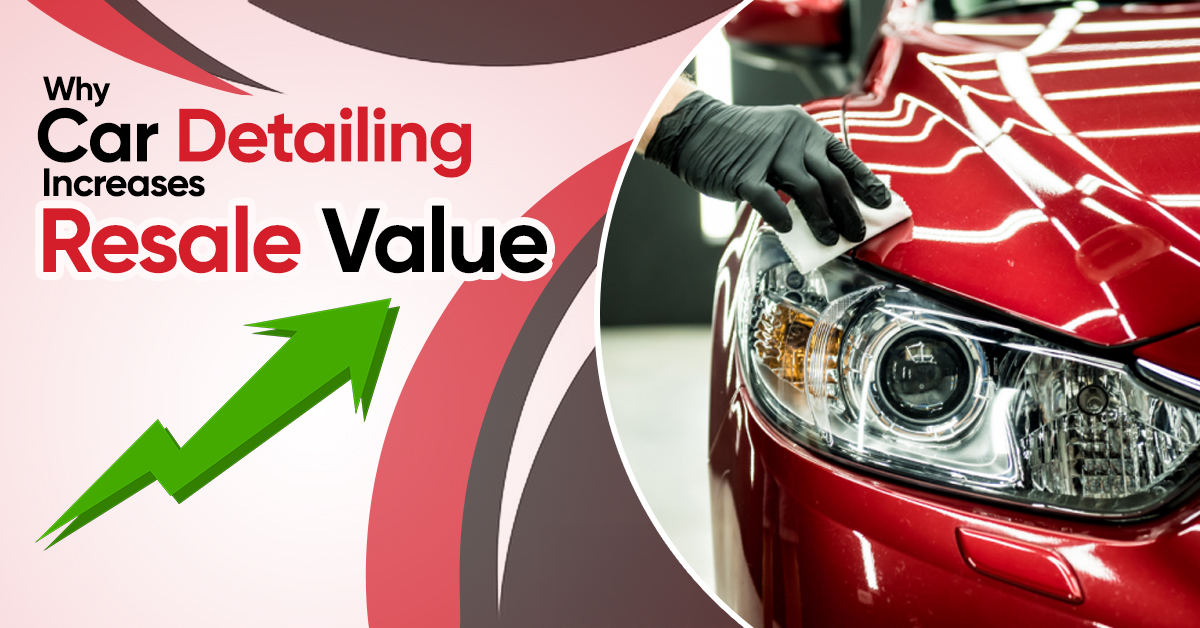
A careful wash, deep clean, paint refresh, and minor repair can make your car look newer and more valuable.
Knowing how to detail a car for resale value can help you make a stronger first impression and avoid losing money during negotiations. Buyers notice clean glass, fresh seats, smooth paint, and small signs of care before they inspect the engine or take a test drive.
Professional detailing is not about hiding problems. It is about presenting an honest, well-kept vehicle in its best condition. This guide explains how to detail a car for resale value with practical steps, safe products, common mistakes, and cost-saving tips.
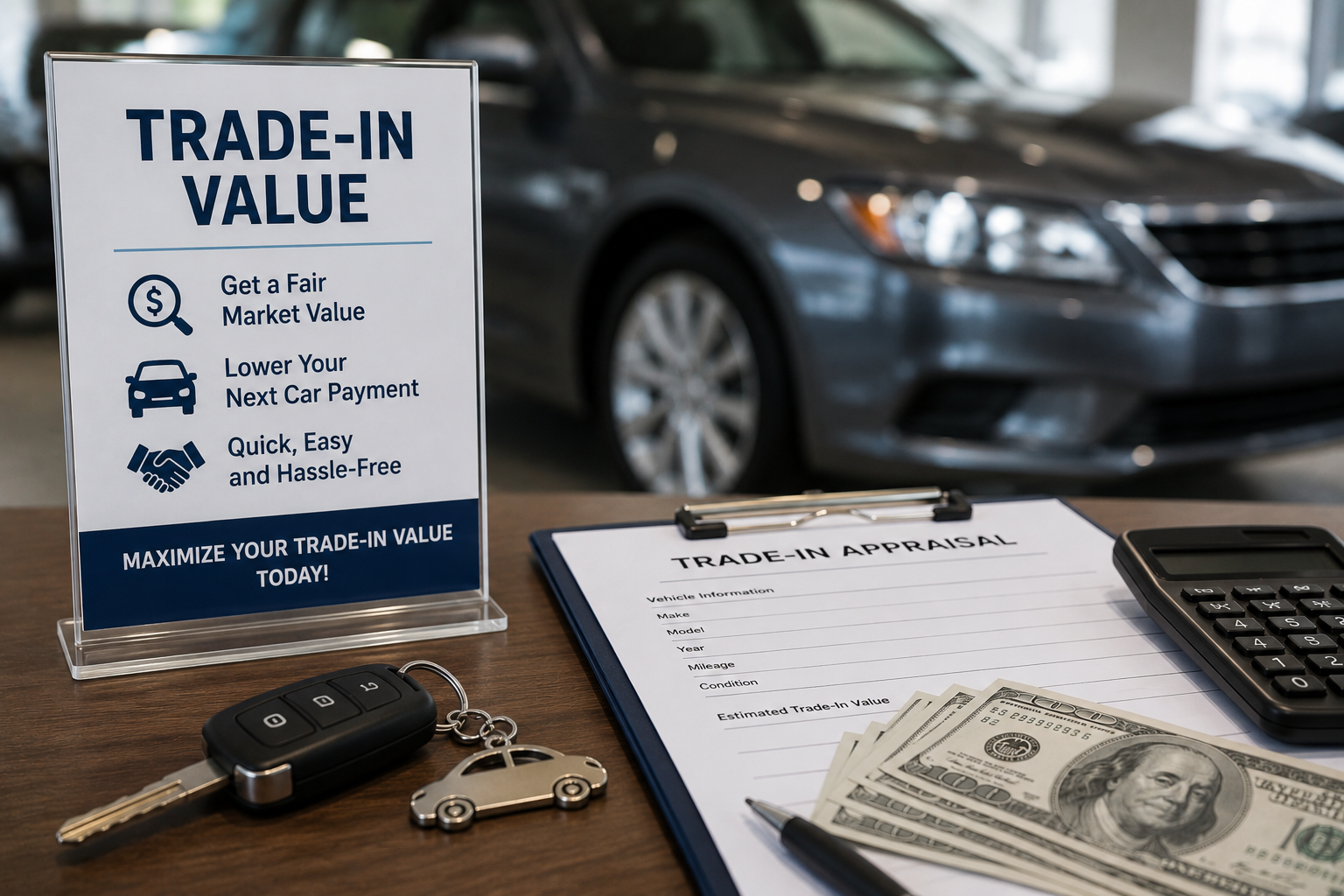
Why detailing can increase resale value
A clean car feels more trustworthy. Buyers often connect a neat interior and glossy exterior with regular maintenance, even though detailing cannot prove how the car was serviced.
Learning how to detail a car for resale value can improve the car’s appearance, reduce buyer objections, and help it stand out in online listings. It may also shorten the time your vehicle sits on the market.
Detailing does not change the car’s age, mileage, accident history, or mechanical condition. It cannot turn a worn-out vehicle into a premium model. However, it can remove avoidable distractions that give buyers reasons to offer less.
A clean car can also make photos look better. This matters because many buyers form their first opinion from a listing photo before they ever see the vehicle in person.
The biggest benefits include:
• Better first impressions during viewings and test drives
• Cleaner, brighter photos for online listings
• Fewer complaints about stains, odors, dust, and scratches
• More confidence from buyers who value careful ownership
• Less room for buyers to negotiate over minor cosmetic issues
A useful rule is simple: spend money where buyers can see and feel the difference. Avoid expensive cosmetic work that will not recover its cost.

Set a realistic detailing budget
Before you begin, inspect the car in bright daylight. Walk around it slowly and make a short list of every issue, from stained carpets to faded trim.
This inspection helps you decide whether to detail the car yourself or hire a professional. The right choice depends on your time, tools, skill, and the car’s likely selling price.
For a basic do-it-yourself detail, you may need:
• Two buckets with grit guards
• A hose or pressure washer
• pH-neutral car wash soap
• Microfiber wash mitts and towels
• Wheel and tire cleaner
• Interior cleaner
• Glass cleaner
• Vacuum with narrow attachments
• Soft brushes
• Clay bar or clay mitt
• Spray wax or paint sealant
• Tire dressing
A basic home detail may cost around $50 to $150 if you need to buy supplies. A full professional detail can cost much more, often from about $150 to $500 or more, depending on the vehicle size and its condition.
These prices vary by region, service level, and vehicle type. A large SUV with pet hair, stains, and neglected paint can take much longer than a small sedan that receives regular care.
The best approach to how to detail a car for resale value is to match the spending to the vehicle. Do not spend $1,000 correcting paint on a car that will only gain a few hundred dollars in buyer appeal.

Gather the car detailing supplies
Good tools make the work safer and faster. You do not need the most expensive products, but you should use products made for automotive surfaces.
Avoid household dish soap for regular car washing. It can remove protective wax and may leave the paint feeling dry. A pH-neutral automotive soap is a safer choice for the clear coat.
Keep separate tools for different areas. A towel used on wheels can pick up grit that may scratch painted panels or glass.
Useful supplies include:
• Several clean microfiber towels
• A dedicated wheel brush
• A soft detailing brush for vents and seams
• Interior-safe all-purpose cleaner
• Fabric or carpet cleaner
• Leather cleaner and conditioner, when needed
• Automotive glass cleaner
• A clay bar or synthetic clay mitt
• Light polish or cleaner wax
• Paint sealant or spray wax
• Plastic and rubber dressing
• Nitrile gloves
• A small flashlight
Read each product label before use. Test cleaners on a hidden area first, especially on leather, Alcantara, soft-touch plastic, older vinyl, and aftermarket window tint.
Detailing works best in shade, with cool surfaces and good airflow. Direct sun can dry soap and cleaners too quickly, leaving marks.
Clean the interior first
Start inside the car. Interior cleaning often gives buyers the strongest sense of care because they sit, touch, and smell the cabin during a test drive.
Remove everything from the vehicle, including floor mats, trunk items, paperwork, chargers, and personal accessories. Check under the seats and inside door pockets. Forgotten items can make the car look rushed and cluttered.
Vacuum from the top down. Begin with the dashboard, vents, seats, and door panels. Finish with the floor and carpet so falling dust does not force you to repeat the work.
Use a soft brush around:
• Air vents
• Seat rails
• Window switches
• Cup holders
• Door seams
• Dashboard gaps
• Center console edges
Do not soak the dashboard or spray cleaner directly into switches. Spray a small amount onto a microfiber towel instead. Excess moisture can damage electronic controls.
Clean the steering wheel carefully. It collects skin oils and can feel shiny or sticky when dirty. A clean steering wheel often makes the whole cabin feel fresher.
If you are learning how to detail a car for resale value, remember that smell matters. Avoid heavy air fresheners. Strong scents can make buyers suspect that you are covering smoke, mildew, or pet odors.
Remove stains, pet hair, and odors
Stains should be treated based on the material. Fabric seats and carpets need a different method from leather or vinyl.
For fabric:
Vacuum loose dirt first.
Apply a fabric-safe cleaner lightly.
Agitate the stain with a soft brush.
Blot with a clean towel.
Allow the area to dry fully.
Do not flood seats or carpets. Excess water can create a musty smell and may reach wiring under the carpet.
For pet hair, use a rubber glove, rubber brush, or pet hair removal tool. Work in small areas and vacuum often. A stiff metal tool can damage fabric, so use it with care or avoid it entirely.
For leather, wipe away dirt with a leather-safe cleaner. Follow with a small amount of conditioner if the surface looks dry. Do not make leather greasy or shiny. A natural, clean finish looks more credible to buyers.
Smoke odor can be difficult to remove. Clean the headliner gently, wash hard surfaces, replace the cabin air filter if appropriate, and let the car air out. Ozone treatment may help in some cases, but it must be used by someone who understands the safety risks. Ozone can irritate the lungs and damage certain materials when misused.
A clean cabin is one of the most important parts of how to detail a car for resale value because buyers spend much of the test drive inside the vehicle.
Wash and decontaminate the exterior
Rinse the vehicle well before touching the paint. This removes loose grit that could cause scratches during washing.
Wash from the top down. Roof panels, windows, and upper doors usually have less heavy dirt than rocker panels and bumpers.
Use the two-bucket method:
• Fill one bucket with car soap and water.
• Fill the second bucket with clean water for rinsing the mitt.
• Wash one small section at a time.
• Rinse the mitt often.
• Use a separate mitt or brush for wheels and tires.
Clean the wheels before washing the body if they are heavily dusty. Brake dust can contain sharp particles that should not spread across the paint.
After washing, check the paint with your fingertips inside a thin plastic bag. If the surface feels rough, bonded contaminants may remain. A clay bar or clay mitt can remove some of this material when used with proper lubricant.
Clay should not replace washing. It is a paint decontamination step, not a shortcut for removing loose dirt.
Dry the car with clean microfiber towels or a filtered air blower. Do not let water sit in mirrors, door handles, emblems, or trim. Water spots can make a freshly washed vehicle look neglected.
This careful process is central to how to detail a car for resale value because clean paint makes every later step work better.

Improve the paint without causing damage
Inspect the paint after washing. Look for oxidation, light swirl marks, water spots, scratches, chips, and faded areas.
A cleaner wax may improve mild dullness and add temporary protection. A light polish can reduce some fine defects, but it cannot safely remove every scratch.
Use the fingernail test for scratches. If your fingernail catches deeply in a scratch, the damage may reach through the clear coat. Do not keep polishing aggressively. A professional repair may be safer.
Avoid heavy machine polishing unless you have experience. Clear coat is limited. Removing too much can create permanent damage and costly repainting.
For a simple resale detail:
Work on a cool, clean panel.
Test the product on a small area.
Use a mild polish or cleaner wax first.
Wipe residue with a clean microfiber towel.
Apply a sealant or wax as directed.
Check the panel from several angles.
Paint correction can make a major visual difference, but it has limits. It does not repair dents, deep scratches, peeling clear coat, rust, or mismatched paint.
When considering how to detail a car for resale value, aim for a clean and even finish rather than a show-car finish. Buyers usually value honest condition more than artificial perfection.

Detail the wheels, tires, glass, and trim
Wheels receive close attention because they sit near the road and collect brake dust. Use a wheel cleaner that matches the wheel’s finish. Some strong cleaners can damage polished aluminum, chrome, or aftermarket coatings.
Brush the face, spokes, lug areas, and inner edges. Rinse well. If the wheels have curb rash, cleaning will make it more visible, but it will not repair it.
Clean tires before applying dressing. Use a thin, satin-finish dressing rather than a wet, glossy product. Excess dressing can sling onto the paint while driving and make the car look greasy.
Clean all glass inside and out. Wipe in one direction on the inside and another direction on the outside. This makes it easier to identify which side has streaks.
Pay attention to:
• Windshield edges
• Rear window corners
• Side mirror glass
• Sunroof glass
• License plates
• Door jambs
• Exhaust tips
• Black exterior trim
Faded plastic trim can make a vehicle look older. A trim restorer may improve its appearance, but test it first. Some products leave an oily finish that attracts dust.
These small steps complete the visual presentation and help explain why how to detail a car for resale value involves more than washing the main body panels.

Fix small, visible problems
Small repairs can produce a strong return when they address problems buyers notice immediately.
Consider replacing inexpensive items such as:
• Burned-out bulbs
• Missing valve stem caps
• Worn floor mats
• Broken trim clips
• Damaged wiper blades
• Missing center caps
• Dead key fob batteries
• Dirty or unreadable license plate covers
Check the tire pressure and make sure all tires are properly inflated. Inspect tread depth and look for uneven wear. Do not hide tire problems with dressing.
Clean the license plate and make sure it is mounted securely. Remove dealership frames, political stickers, and old parking permits if they do not add value or identify the car.
Repairing a small windshield chip may be worthwhile if the damage is repairable. Cracks near the driver’s line of sight may require professional evaluation.
Do not cover warning lights, repaint panels without disclosure, or use products that hide leaks. Cosmetic detailing should support an honest sale, not disguise a safety or mechanical issue.
One of the most useful lessons in how to detail a car for resale value is to fix what buyers can see, touch, and question first.
Inspect the car after detailing
A final inspection catches the mistakes that are easy to miss during the main work.
Park the vehicle in daylight and check it from several angles. Use a flashlight for the interior, trunk, and door jambs.
Look for:
• Water spots under mirrors and handles
• Wax residue around badges and trim
• Dust inside vents
• Streaks on glass
• Hair in carpet
• Greasy fingerprints
• Tire dressing on body panels
• Damp carpets or seats
Open every door, the hood, and the trunk. Clean the jambs and check for trapped dirt. Buyers often inspect these areas because they are harder to fake with a quick wash.
Take a short drive after the detail. Listen for loose items and check that no cleaning product has made the pedals, steering wheel, or floor slippery.
A common mistake is applying too much tire shine, interior dressing, or fragrance. These products can create a strong smell and an unnatural finish. A clean, dry, neutral cabin usually feels more trustworthy.
The final inspection is a key part of how to detail a car for resale value because presentation must remain good when the buyer looks closely.
Photograph and present the car honestly
Good detailing should continue into the listing. Take photos after the vehicle is fully dry and parked in open shade or soft daylight.
Use a clean background and photograph the car from several angles. Include the front, rear, both sides, interior, dashboard, trunk, engine bay, wheels, tires, and any meaningful flaws.
Avoid extreme editing. Brightened photos that hide scratches may bring more clicks, but they can damage trust during the viewing.
Write a clear description that includes:
• Year, make, and model
• Trim level and major options
• Mileage
• Maintenance records
• Number of owners, if known
• Title status
• Recent repairs
• Tire and brake condition
• Known cosmetic or mechanical issues
Mention the detail in a factual way. For example, say that the interior was shampooed and the paint was cleaned and sealed. Do not claim the vehicle is “like new” unless its condition truly supports that statement.
A clean presentation may help buyers focus on the vehicle’s strengths. Still, market value depends on location, mileage, service history, demand, and condition. Detailing supports the sale; it does not replace accurate pricing.
Common detailing mistakes to avoid
Some resale detailing efforts hurt more than they help. The most common problems come from rushing, using the wrong product, or trying to hide serious defects.
Avoid these mistakes:
• Washing in direct sun, which can bake soap and water onto paint
• Using one towel for wheels and painted panels
• Scrubbing leather with harsh household cleaners
• Soaking carpets and seats
• Spraying cleaner directly into electronic controls
• Applying greasy products to the steering wheel or pedals
• Polishing deep scratches until the clear coat is damaged
• Using strong scents to hide smoke or mildew
• Dressing tires without cleaning them first
• Taking photos before the car is fully dry
• Claiming that detailing repaired mechanical problems
A detailer’s old rule is worth remembering: start with the least aggressive method that can solve the problem. This protects paint, plastic, fabric, and leather.
When deciding how to detail a car for resale value, restraint is a skill. A clean, natural finish is usually more convincing than a glossy surface covered in dressing.
Professional detailing versus DIY work
A professional detail may be worthwhile when the vehicle has heavy stains, severe pet hair, paint oxidation, or neglected wheels. Professionals may also have steam cleaners, extractors, polishers, paint-depth tools, and better lighting.
DIY detailing makes sense when:
• The car is generally clean
• You have a few free hours
• You can work in a shaded space
• The vehicle has modest resale value
• You only need maintenance-level cleaning
Professional work makes more sense when:
• The interior has smoke or biological odors
• The paint has major oxidation
• You need machine polishing
• The car is a high-value or specialty model
• You lack safe space or proper equipment
Ask a professional for a written estimate. Explain that the goal is resale presentation, not concours restoration. Request before-and-after photos of similar vehicles and ask what the service includes.
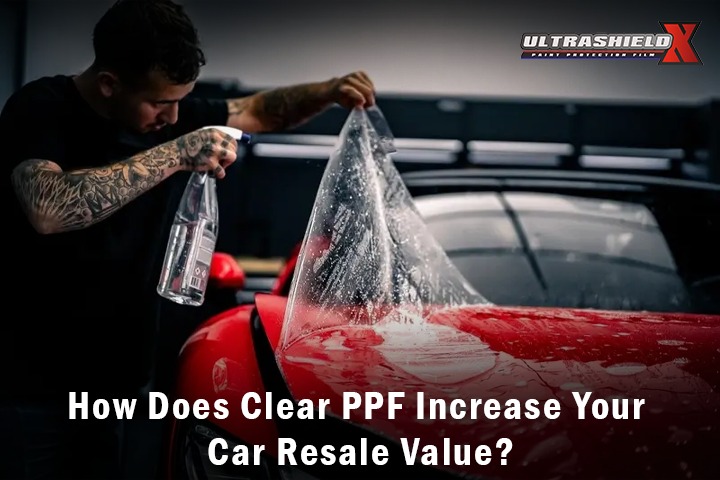
The most expensive package is not always the best choice. Focus on visible defects and avoid paying for ceramic coatings or deep paint correction unless the local market supports the cost.
A practical one-day detailing plan
If you have one full day, use a simple order. Work in stages and allow drying time between wet processes.
Morning: inspection and interior
Remove personal items.
Take photos of existing damage.
Vacuum the cabin and trunk.
Clean the dashboard, doors, console, and controls.
Treat stains and pet hair.
Clean the windows.
Leave the doors open briefly so the interior can dry.
Midday: exterior wash
Clean the wheels and tires.
Rinse the vehicle.
Wash from top to bottom.
Rinse thoroughly.
Dry the paint, mirrors, jambs, and trim.
Use clay only where the paint feels rough.
Afternoon: paint and finishing work
Apply a mild cleaner wax or polish if needed.
Add a paint sealant or spray wax.
Clean exterior glass.
Dress the tires lightly.
Wipe trim and door jambs.
Replace simple items such as bulbs or wiper blades.
Final hour: inspection and photos
Check for streaks, residue, and damp areas.
Remove all tools and products.
Confirm the warning lights and controls work.
Photograph the car in soft daylight.
Write an honest listing.
This plan shows how to detail a car for resale value without turning the project into an endless restoration.
Frequently Asked Questions About How to Detail a Car for Resale Value
Does detailing a car increase its resale value?
Detailing can improve buyer appeal and may support a stronger selling price, but the increase is not guaranteed. Mileage, service records, title history, vehicle demand, and mechanical condition usually have a greater effect on value.
What should I detail first before selling my car?
Start with the interior, wheels, glass, and areas buyers touch or inspect closely. A clean cabin and odor-free environment often create a stronger impression than expensive exterior polishing.
Is professional detailing worth it before selling?
Professional detailing can be worthwhile when the car has severe stains, pet hair, smoke odor, or neglected paint. Compare the cost with the vehicle’s expected value and choose services that fix visible problems.
Should I wax my car before selling it?
Yes, a spray wax, cleaner wax, or paint sealant can improve gloss and help protect the finish during the selling period. Avoid aggressive polishing unless you understand paint correction and clear-coat limits.
How do I remove smoke smell before selling a car?
Clean hard surfaces, wash fabric areas carefully, replace the cabin air filter when suitable, and allow the interior to air out. Strong fragrance only masks the odor, while severe cases may need professional odor treatment.
Can detailing hide scratches and dents?
Detailing can reduce the appearance of light swirls, dirt, and minor paint marks. It cannot properly repair deep scratches, dents, rust, peeling clear coat, or accident damage, and those issues should be disclosed.
How long does it take to detail a car for resale value?
A basic DIY detail may take four to eight hours, depending on the vehicle’s size and condition. A heavily neglected vehicle can take a full day or require professional equipment and several appointments.
Conclusion
The best way to detail a car for resale value is to clean the areas buyers notice most, protect the paint, remove odors, fix small visible faults, and present the vehicle honestly.
Start with a careful inspection. Clean the interior, wash and decontaminate the exterior, refresh the wheels and glass, and complete a final check in daylight. Spend money only where it improves the car’s real presentation.
A clean car cannot change its history, but it can show that you cared for it. Use this process before taking photos or scheduling viewings, then share your detailing results or explore more vehicle-selling guides for your next step.