How To Remove Paint Scratches With Rubbing Compound: Fix
Use rubbing compound gently to remove light paint scratches and restore shine quickly.
I’ve spent years fixing cars and polishing finishes, so I know what works and what doesn’t. This guide on How to remove paint scratches with rubbing compound walks you through safe, clear steps, tools to use, and mistakes to avoid. Read on to regain a smooth, glossy finish without guesswork.
Why rubbing compound works
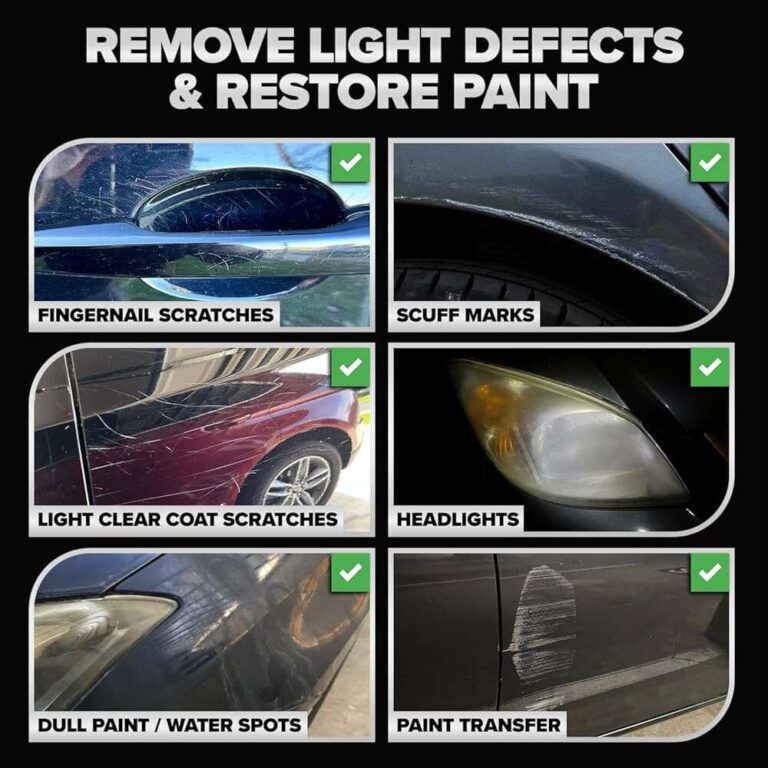
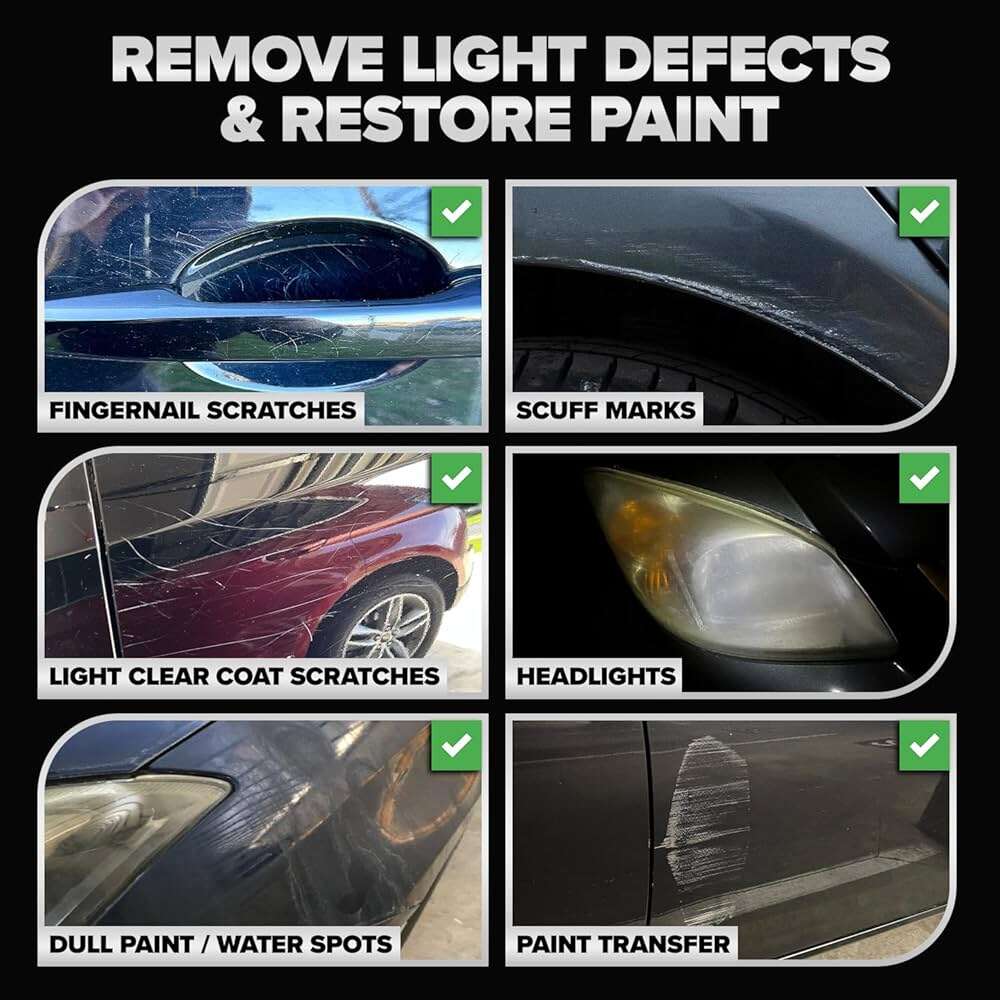
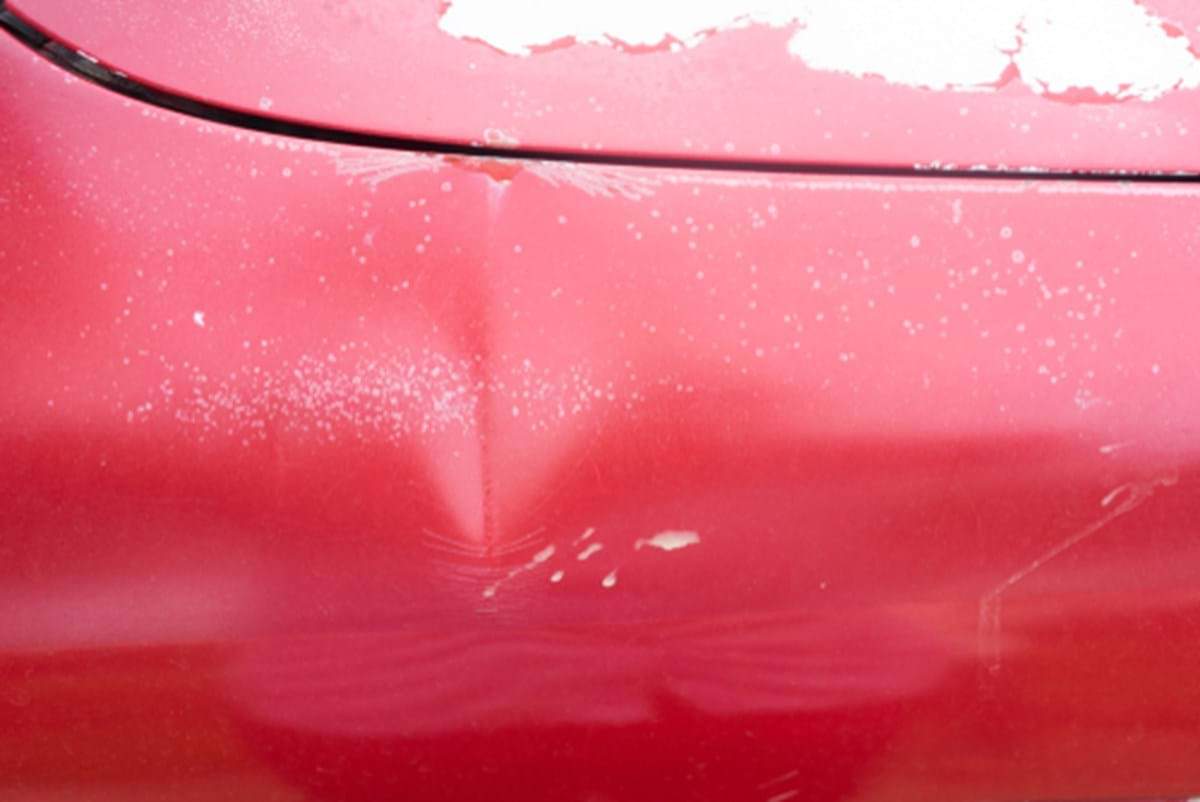
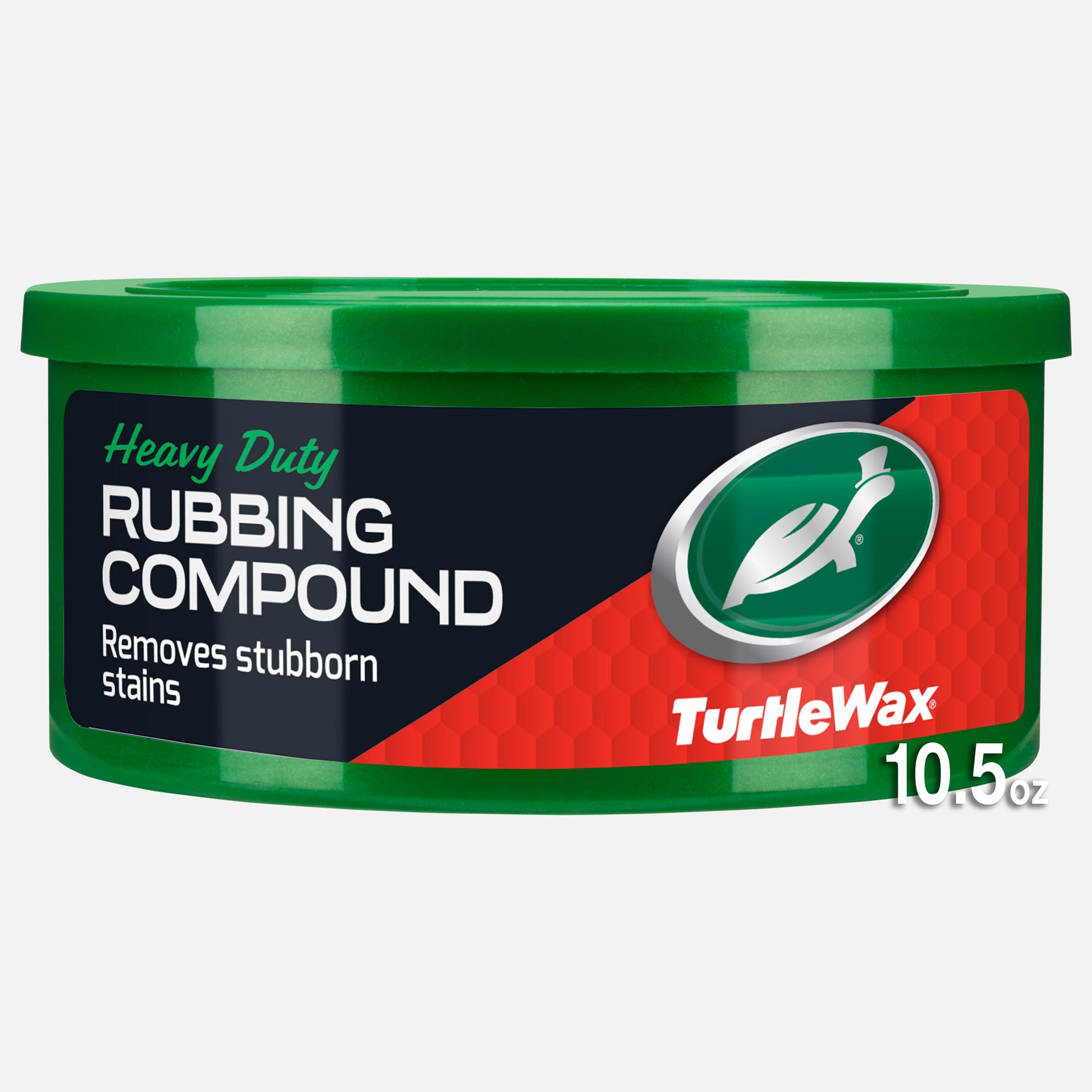
Rubbing compound is an abrasive paste. It removes a tiny layer of clear coat or paint around a scratch. That evens the surface so light reflects smoothly again. Knowing how to remove paint scratches with rubbing compound helps you fix shallow marks fast and cheaply.

When to use rubbing compound vs other fixes
Use rubbing compound for light scratches and scuffs that don’t cut to the primer or metal. Do not use it on deep gouges or bare metal. If the scratch shows a different color under the top layer, a touch-up or repaint is needed. Knowing when to use rubbing compound is key to avoiding more work later.

Tools and materials needed
Gather simple, low-cost items before you start. Having the right tools speeds the job and improves results.
- Rubbing compound (medium-fine grade)
- Microfiber towels, clean and soft
- Dual-action polisher or foam applicator pads
- Masking tape to protect edges
- Soap, water, and isopropyl alcohol for cleaning
- Fine-grit sandpaper (2000–3000 grit) only if needed for deeper blemishes
- Touch-up paint kit for exposed layers
How to remove paint scratches with rubbing compound depends on both product quality and technique. Good tools make a big difference.

Step-by-step: How to remove paint scratches with rubbing compound
Follow these clear steps for the best outcome. Keep each step short and steady.
-
Clean the area
- Wash the scratch and surrounding paint with soap and water. Dry with a microfiber towel.
- Wipe with isopropyl alcohol to remove wax and oils.
-
Inspect the scratch
- Run your fingernail across the mark. If it catches, it may be too deep for rubbing compound. If it slides, proceed.
- If you see bare metal or primer, stop and consider a repair pro.
-
Mask off surrounding areas
- Use masking tape to protect trim, badges, and plastic parts near the scratch.
-
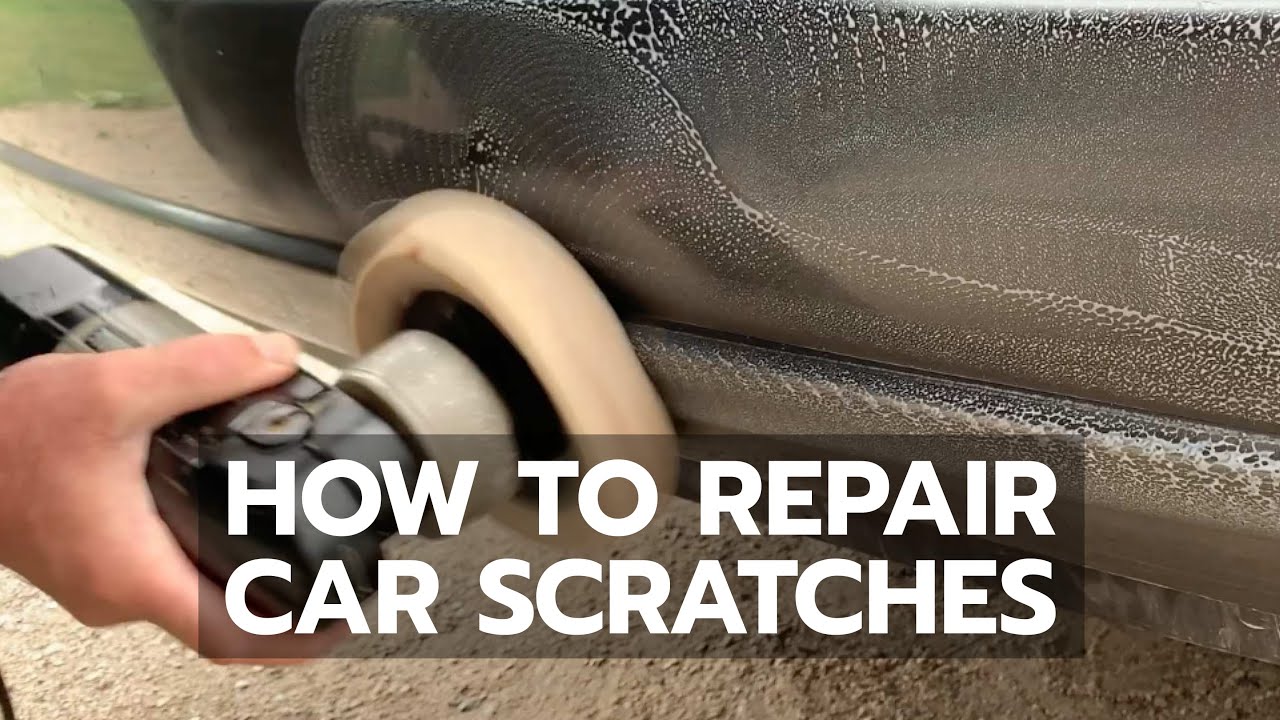
Apply rubbing compound by hand or machine
- For small spots, put a pea-size amount on a foam pad or microfiber cloth.
- Rub in small, circular motions with medium pressure for 20–30 seconds.
- If using a dual-action polisher, run it at low speed with light pressure. Move in overlapping passes.
-
Check progress often
- Wipe the compound away and inspect. Repeat one or two times if needed.
- Avoid overworking the area. Too much abrasion thins the clear coat.
-
Finish and protect
- After the scratch blends, clean residue and apply a fine polish to refine shine.
- Seal with wax or paint sealant to protect the repaired area.
I learned this routine the hard way. Early on I over-polished a quarter panel and faded the paint. Now I work in short bursts and check often. That practice keeps results natural and safe.
Tips and mistakes to avoid
Short tips will save time and prevent damage.
- Test in an unseen spot before working on the visible area.
- Use light pressure. Let the compound do the work.
- Do not use a heavy-cut compound on soft clear coats.
- Avoid rubbing compound on plastic trim or matte finishes.
- Replace pads when they load with polish; dirty pads scratch the paint.
- If the scratch is deep, don’t force it—seek professional help.
These tips reflect years of shop work and hands-on testing. Small choices here protect your paint and wallet.

Alternatives and limitations
Rubbing compound is not a cure-all. Know the limits.
- Works best on clear-coat and surface-level scratches.
- Does not fill deep gouges or chips that go through paint layers.
- Touch-up paint, wet sanding, or panel repainting may be needed for deep damage.
- For matte or textured finishes, avoid rubbing compound; it changes the finish.
Understanding when to use rubbing compound avoids false expectations and extra repairs.

Quick PAA-style questions
Here are short answers to common quick questions people ask while searching.
Does rubbing compound remove deep scratches?
Rubbing compound removes shallow clear-coat scratches only. Deep scratches that expose primer or metal need touch-up paint or repainting.
Can I use rubbing compound on any car paint?
You can use it on standard clear-coat finishes. Avoid it on matte, satin, or uncoated surfaces because it will change the finish.
How often can I use rubbing compound?
Use it sparingly. Repeated use removes clear coat over time, so limit it to necessary repairs and protect with wax afterward.
Frequently Asked Questions of How to remove paint scratches with rubbing compound
How long does the rubbing compound repair last?
A proper repair lasts as long as the clear coat remains intact and you protect it with wax or sealant. Regular maintenance prevents the scratch from returning.
Will rubbing compound remove swirl marks too?
Yes. Rubbing compound can reduce or remove swirl marks caused by light abrasion or poor washing. Follow with a fine polish for best shine.
Can I use a household cleaner instead of isopropyl alcohol?
Household cleaners may leave residues. Isopropyl alcohol is preferred because it cleans without wax or oils that interfere with the compound.
Is a machine polisher better than hand rubbing?
A dual-action polisher gives faster, more even results and reduces fatigue. Hand rubbing works for tiny spots but requires more effort and care.
What grit sandpaper is safe before using compound?
Only use very fine wet sandpaper, like 2000–3000 grit, and only when trained. Sanding removes more clear coat and is risky without experience.
Conclusion
You can restore many light scratches at home by following safe steps and using the right tools. Learning How to remove paint scratches with rubbing compound saves time and money when done carefully. Try a small test spot, work gently, and protect the finish afterward. If you want better results, practice on old panels or seek a pro for deep damage. Share your results, ask questions below, or subscribe for more hands-on auto care tips.