

Restore faded car roof paint by cleaning, polishing, and protecting the surface—or repainting it when damage reaches the primer.
A faded roof is usually the result of sun exposure, oxidation, heat, and neglected protection. I have seen many roofs improve dramatically with careful paint correction, but polishing cannot repair peeling clear coat or exposed metal. This guide explains how to restore faded car roof paint safely, how to choose the right method, and when professional paintwork is the better choice.
Why Car Roof Paint Fades
The roof often fades before other panels because it receives direct sunlight for most of the day. Ultraviolet rays break down the clear coat and slowly damage the color coat underneath.
Heat makes the problem worse. A dark roof can become extremely hot, which speeds up oxidation and weakens the bond between paint layers.
Common causes of faded car roof paint include:
• Long-term UV exposure
• Weak or damaged clear coat
• Oxidized paint caused by air and moisture
• Bird droppings, tree sap, and bug remains
• Harsh automatic car washes
• Strong household cleaners
• Lack of wax or paint sealant
• Salt, pollution, and road film
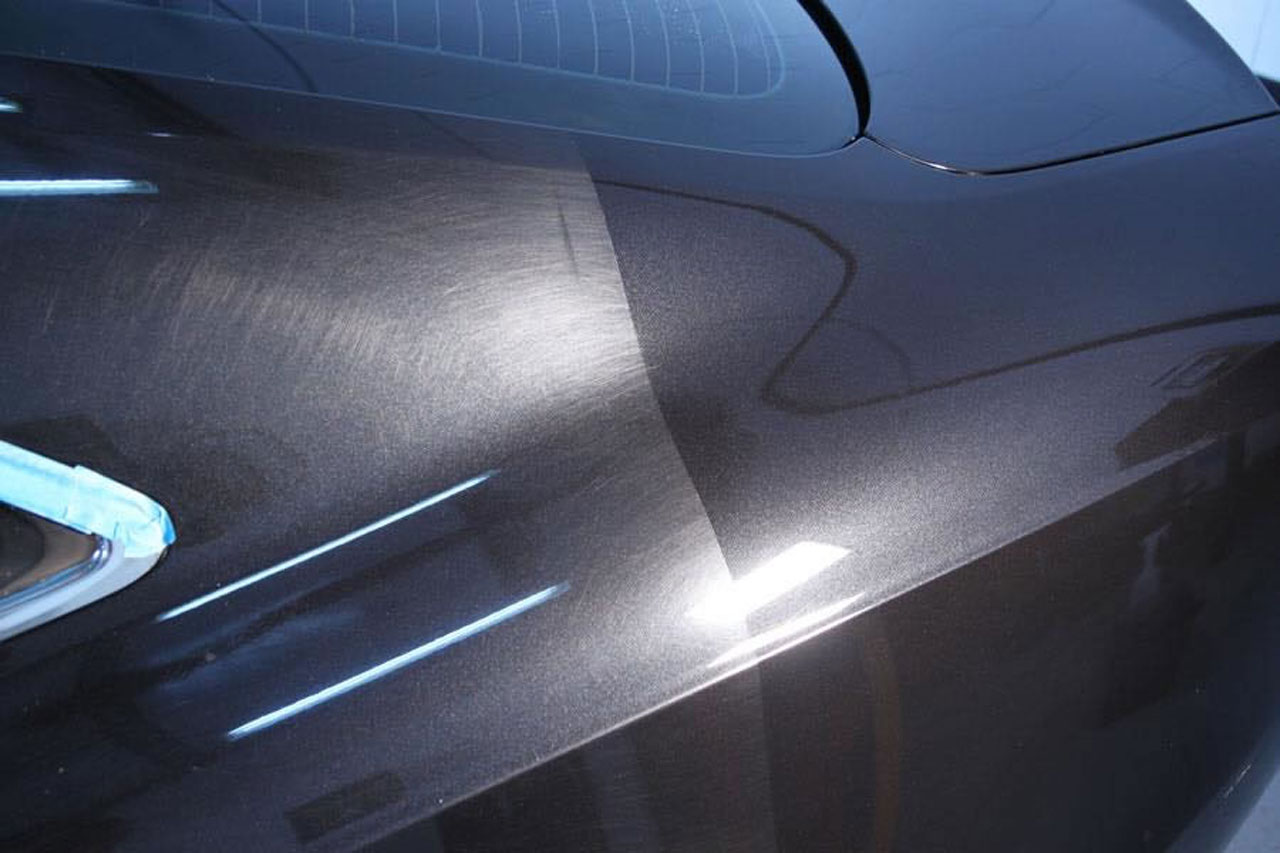
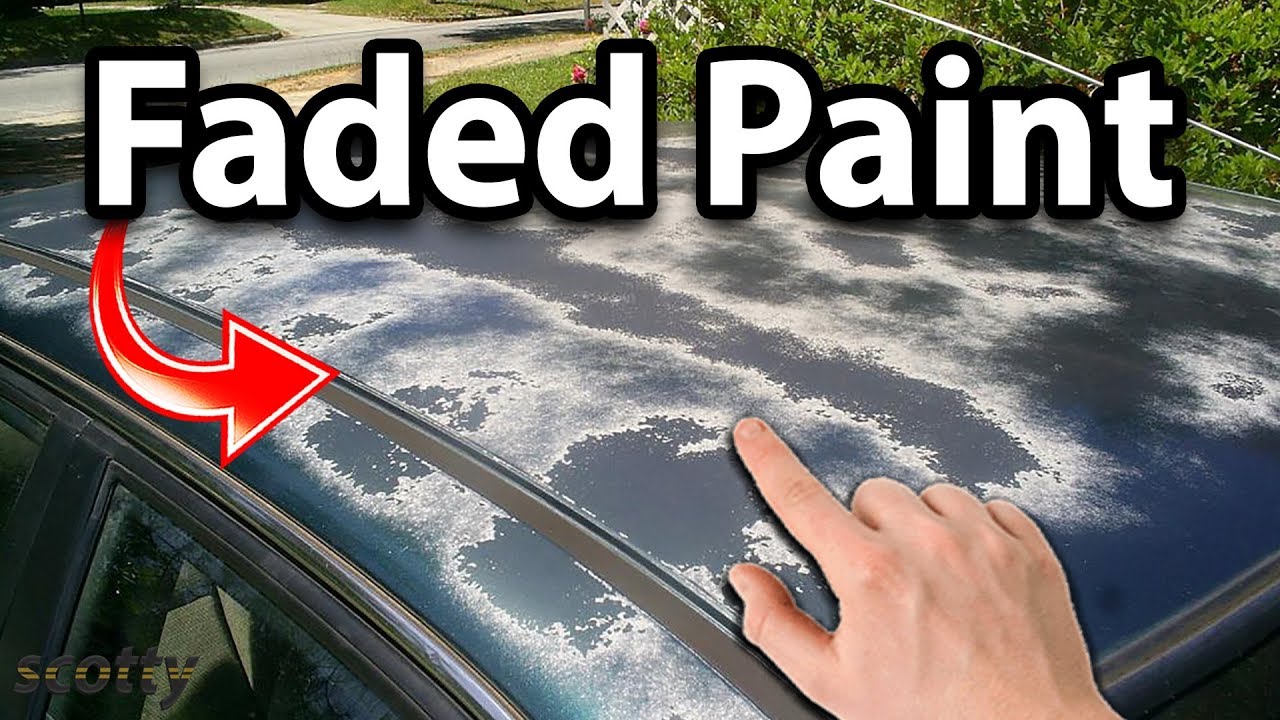
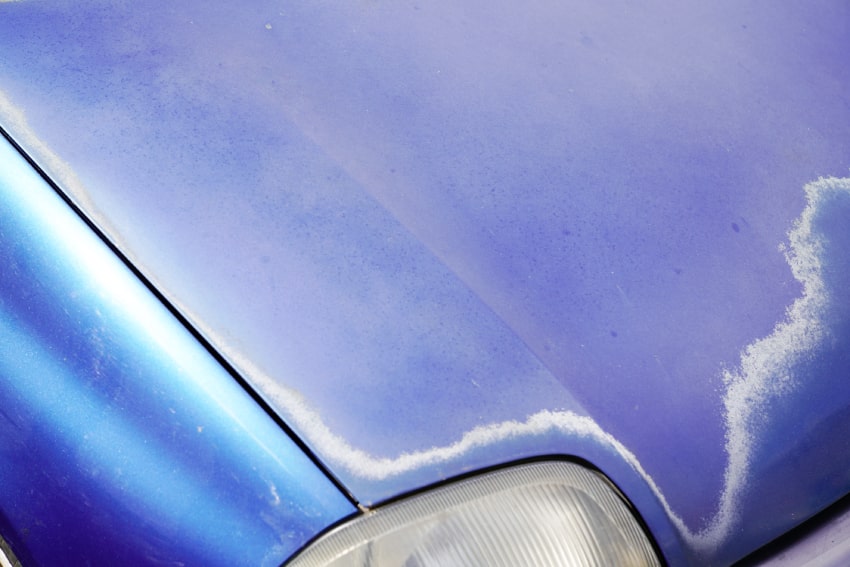
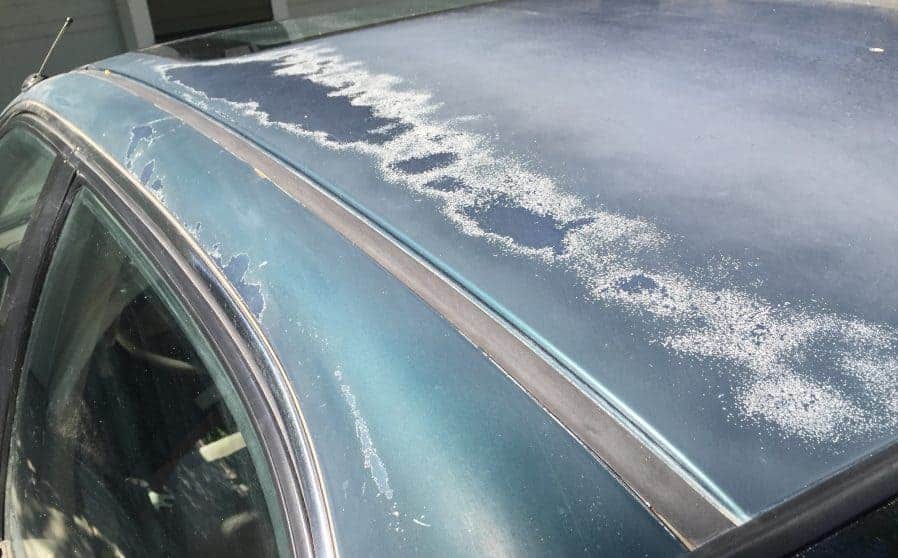
Fading is not always the same as peeling. A dull, chalky surface may respond well to polishing. Flaking, bubbling, or bare patches usually mean the clear coat or paint has failed.
Check the Damage Before You Start
A careful inspection helps you avoid wasting time and money. Wash the roof first, then inspect it under bright daylight or a strong work light.
Run your clean hand over the paint. A rough feel often means bonded contamination, such as tree sap, industrial fallout, or road dust. A smooth but dull surface may have oxidation.
Look for these signs:
• Light haze or dull color: Usually suitable for cleaning and polishing
• White or gray chalking: Moderate oxidation may be correctable
• Small clear coat cracks: Correction may offer only a short-term improvement
• Peeling or flaking: Requires sanding and repainting
• Bubbling or rust: Needs body repair before paint restoration
• Exposed primer or metal: Cannot be fixed with polish alone
One simple test is to place a small amount of automotive polish on a microfiber towel and work a hidden area by hand. If the towel picks up a small amount of body color, the surface may have single-stage paint. If no color appears, the vehicle may have a clear coat.
This test is not perfect, but it gives useful information. Always check the vehicle’s paint system when possible, especially on older cars.
What You Need to Restore Faded Car Roof Paint
The right supplies make the work safer and more consistent. Avoid using kitchen sponges, rough towels, or household rubbing compounds. They can create scratches or leave uneven marks.
Gather these items:
• pH-balanced car wash soap
• Two buckets with grit guards
• Soft wash mitt
• Microfiber drying towels
• Automotive clay bar or synthetic clay towel
• Clay lubricant
• Automotive polish or compound
• Foam polishing pads
• Dual-action polisher, if available
• Isopropyl alcohol panel wipe
• Paint sealant or quality car wax
• Painter’s tape
• Nitrile gloves and eye protection
A dual-action polisher is safer for most beginners than a rotary polisher. It moves in a way that lowers the chance of creating deep buffer marks or burning through the paint.
Use a mild polish first. Strong compound removes more material, but clear coat is thin. The goal is not to remove as much paint as possible. The goal is to improve the finish while preserving the remaining protection.
How to Restore Faded Car Roof Paint by Hand
Hand polishing works well for mild fading, small areas, and older vehicles with fragile paint. It takes longer than machine polishing, but it gives you better control.
Step 1: Wash the Roof
Park the car in the shade and make sure the roof is cool. Rinse away loose dirt before touching the paint.
Wash from the top down with a clean mitt. Rinse the mitt often so trapped grit does not scratch the surface. Dry with a soft microfiber towel rather than allowing hard water to air dry.
Step 2: Remove Bonded Contamination
Spray clay lubricant across a small section. Gently move the clay bar or synthetic clay towel over the surface.
Do not press hard. When the surface feels smooth, wipe it with a clean towel. Fold the clay often so you do not rub collected dirt back onto the paint.
Step 3: Mask Sensitive Areas
Use painter’s tape around roof rails, rubber seals, plastic trim, antennas, and windshield moldings. Polish can stain textured plastic and collect in narrow gaps.
Masking also helps you create a clear test area. This makes it easier to compare the corrected paint with the untouched paint.
Step 4: Polish a Small Test Spot
Apply a small amount of automotive polish to a foam applicator. Work an area about 12 by 12 inches using light to moderate pressure.
Use overlapping passes in a cross pattern. Wipe away the residue and inspect the result in direct light. If the test spot improves, repeat the same process across the roof.
Step 5: Protect the Surface
After polishing, wipe the roof with a clean panel wipe or diluted isopropyl alcohol product made for automotive paint. This removes polishing oils and helps the protection bond.
Apply a paint sealant or wax according to the product instructions. Keep the roof dry for the recommended curing time.
This process can restore faded car roof paint when the clear coat still has enough strength. It cannot replace missing paint or repair peeling layers.

How to Restore Faded Car Roof Paint With a Dual-Action Polisher
A dual-action polisher can correct moderate oxidation faster and more evenly than hand work. It still requires patience because aggressive pressure and heat can damage the finish.
Use this process:
Wash, decontaminate, and dry the roof completely.
Tape the trim, glass edges, seals, and roof accessories.
Choose a polishing pad and a mild automotive polish.
Add three or four small drops of product to the pad.
Spread the product at low speed before increasing the machine speed.
Work one small section at a time with slow, overlapping passes.
Keep the pad flat against the paint.
Wipe the residue with a clean microfiber towel.
Inspect the finish before moving to the next section.
Use a stronger compound only if the mild polish does not provide enough improvement.
Do not hold the machine in one place. Do not push hard enough to stop the pad from moving. Clean the pad often because dried polish and paint residue can reduce its cutting ability.
On a severely faded roof, make one complete pass before deciding whether more correction is needed. Several light passes are safer than one aggressive pass.
From hands-on paint correction, one mistake appears again and again: people chase a perfect shine until they remove too much clear coat. A roof can look excellent after correction and still be dangerously thin. Improvement is safer than perfection.

When Polishing Will Not Restore the Roof
Polishing removes a very small amount of surface material. It cannot rebuild a clear coat that has already peeled away.
You likely need repainting when:
• The clear coat is lifting in sheets
• The paint has large cloudy patches that do not improve after polishing
• The color coat is missing
• Primer or metal is visible
• Rust is spreading beneath the paint
• The roof has deep cracks or widespread bubbling
A body shop may sand the damaged area, repair corrosion, apply primer, spray the color coat, and add a new clear coat. A complete roof respray often produces a more durable result than repeated polishing.
Some owners consider a do-it-yourself spray paint repair. This can work for small areas, but matching color and blending clear coat can be difficult. Metallic and pearl finishes are especially hard to match in a home garage.
If the roof has rust, do not cover it with wax or fresh paint. Rust must be removed and treated first, or it will continue beneath the new finish.

How to Protect Restored Car Roof Paint
Once you restore faded car roof paint, protection is essential. Otherwise, the same sun damage will return.
Apply a quality paint sealant or wax at the interval listed on the product. Ceramic coatings can provide longer protection, but they require careful preparation and do not repair existing damage.
Good protection habits include:
• Wash the car every two to four weeks
• Remove bird droppings as soon as possible
• Clean tree sap before it hardens
• Use a soft microfiber drying towel
• Park in a garage or shaded area when possible
• Apply a UV-resistant paint protectant
• Avoid automatic brushes that drag dirt across the paint
• Do not use dish soap for regular car washing
Wax and sealants do not stop all UV damage, but they reduce exposure and help contaminants slide off more easily. Think of protection as sunscreen for the paint. It helps, but it must be renewed.
A car cover can help if the vehicle sits outside for long periods. Use a breathable, clean cover that fits well. A dirty or loose cover can rub against the paint and create scratches.
Common Mistakes to Avoid
Many failed paint restoration projects begin with good intentions. The problem is usually too much pressure, too much heat, or the wrong product.
Avoid these mistakes:
• Polishing a dirty roof
• Working in direct sunlight
• Using household cleaner
• Starting with the strongest compound
• Using a rotary buffer without training
• Letting polish dry hard on the surface
• Using one towel for the whole car
• Ignoring peeling clear coat
• Skipping the test spot
• Applying wax over heavy oxidation without polishing
Do not use sandpaper unless you understand paint thickness and repair methods. Wet sanding can level serious defects, but it can also remove the clear coat quickly.
Never polish a hot panel. Heat softens the surface and increases the chance of uneven correction. Work in the shade, and move the car if the roof becomes warm.

Cost and Time Expectations
The cost depends on the condition of the paint and the method you choose.
A basic hand restoration may cost about $30 to $80 for soap, clay, polish, towels, and protection. A dual-action polisher setup may cost $150 to $350, depending on the machine and pads.
Professional paint correction can cost several hundred dollars. A roof repaint may cost more because the shop must prepare, mask, spray, and blend the finish.
A mild hand correction may take two to four hours. Machine correction can take one to three hours for the roof, not counting washing and curing time. Repainting takes longer because primers, paint, and clear coat need proper drying time.
Results also vary. A mildly oxidized roof may look dramatically better. A roof with failing clear coat may improve for a short time but will eventually need refinishing.

Safety and Environmental Tips
Work in a well-ventilated area. Wear gloves and eye protection when using compounds, panel wipes, or coatings.
Keep products away from open flames and children. Read the label before using solvents, especially on older paint, vinyl, plastic trim, or aftermarket coatings.
Dispose of used towels and chemical containers according to local rules. Do not pour automotive chemicals into storm drains or onto soil.
If you use a machine polisher, keep the power cord away from the panel and use a stable step platform. Never stand on the car’s tires or roof to reach the center area.
Accurate preparation matters more than speed. Clean tools, cool paint, good lighting, and a small test spot prevent most avoidable damage.
Frequently Asked Questions About How to Restore Faded Car Roof Paint
Can faded car roof paint be restored without repainting?
Yes, mild oxidation and dullness can often improve with washing, clay treatment, polishing, and paint protection. Peeling clear coat, missing color, and exposed metal require refinishing.
What is the best polish for faded car roof paint?
Start with a mild automotive polish designed for clear coat. Test it on a small area first, then use a stronger compound only if the mild product does not provide enough correction.
Can wax fix faded car roof paint?
Wax can improve gloss and add temporary protection, but it cannot remove oxidation or rebuild damaged clear coat. For better results, polish the surface first and apply wax afterward.
How often should I polish a faded car roof?
Polish only when the paint needs correction. Frequent polishing removes a small amount of clear coat, so regular washing and paint protection are safer for long-term maintenance.
Should I use a rotary buffer to restore faded car roof paint?
A rotary buffer can correct paint quickly, but it creates more heat and requires skill. Most beginners should use a dual-action polisher or work by hand.
How can I tell if my roof needs repainting?
Peeling, bubbling, deep cracking, exposed primer, and visible rust are strong signs that polishing will not solve the problem. A professional can measure paint thickness and recommend repair options.
How long will restored car roof paint last?
The result may last from several months to years, depending on the paint condition, climate, storage, and protection routine. Regular washing, shade, and a renewed sealant help extend the finish.
Conclusion
Learning how to restore faded car roof paint starts with identifying the damage. Clean and decontaminate the surface, test a mild polish, correct the paint slowly, and protect it with a sealant or wax.
Polishing is effective for oxidation and dullness, but it cannot repair peeling clear coat, rust, or missing paint. Start with the least aggressive method, protect the roof from future UV exposure, and seek professional advice when the damage reaches deeper layers.
With the right tools and patience, you can restore faded car roof paint safely and bring back much of the shine. Inspect your roof this week, complete a small test spot, and share your results or questions in the comments.